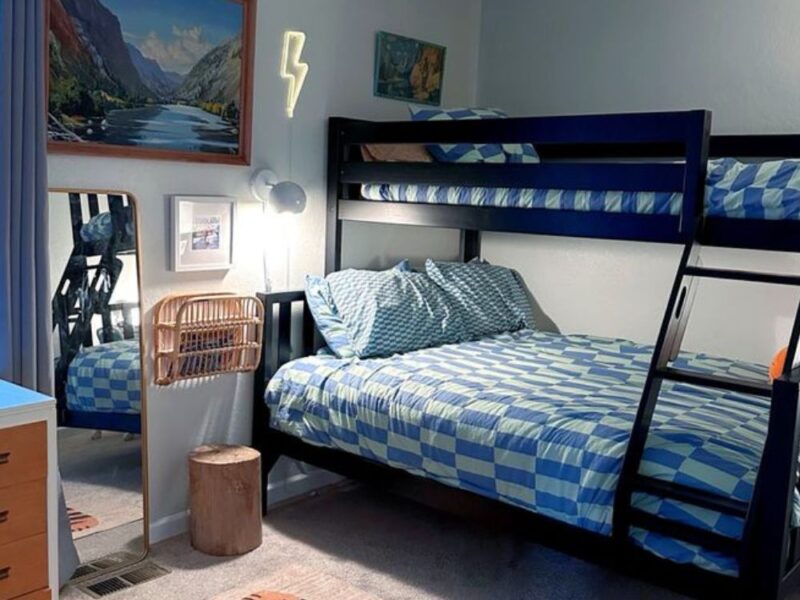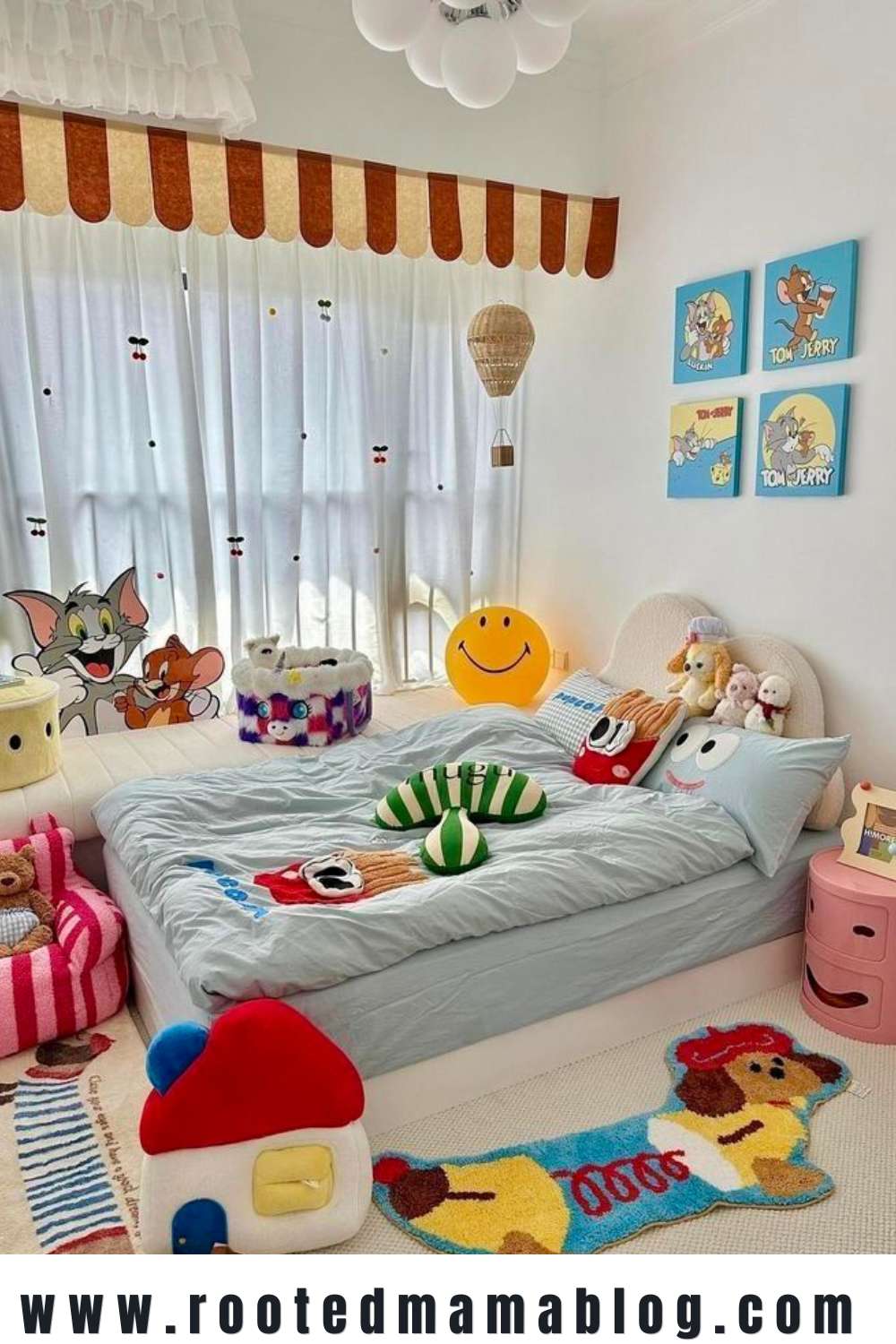
Kids room design is about creating a space where your child can sleep, play, learn, and grow with confidence. Many parents start decorating with excitement, only to feel overwhelmed by endless ideas, limited space, and a tight budget.
You want a room that looks beautiful today but also adapts as your child grows. The good news is that you don’t need expensive furniture or a complete makeover to create a stylish and functional bedroom. Sometimes, a few thoughtful changes make the biggest difference.
If you’re looking for smart ways to keep every room tidy, explore 35 Home Organization Ideas Busy Moms Will Wish They Tried Sooner for practical ideas that complement your child’s space.
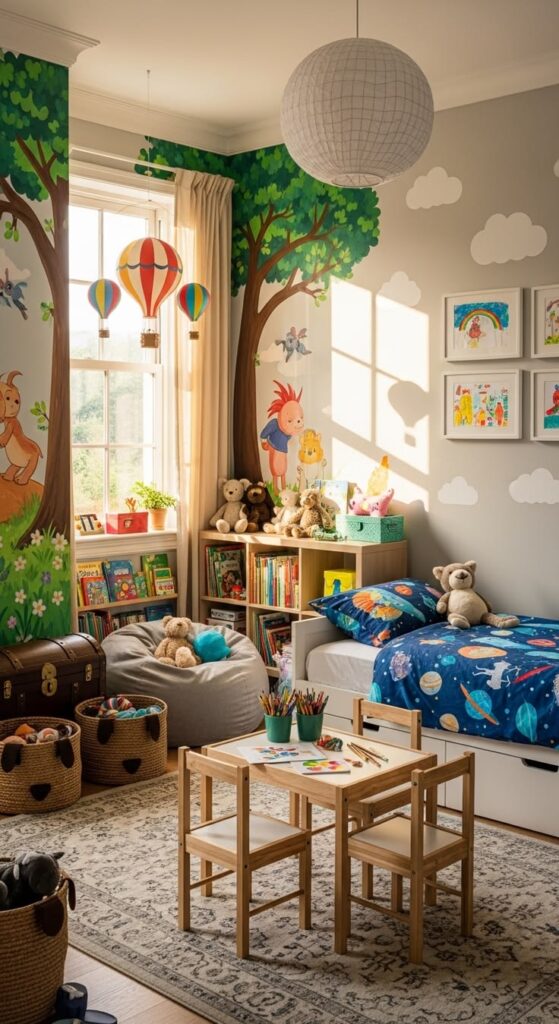
A friend once told me she had almost given up on decorating her daughter’s bedroom because it always looked messy. Toys filled every corner, clothes piled up quickly, and nothing seemed to stay organized.
Instead of buying more storage bins, we focused on creating simple zones for sleeping, reading, and playing. Within a weekend, the room felt brighter, calmer, and much easier to maintain. It proved that the best kids room design is one that works for your family’s daily routine.
If clutter keeps returning no matter how often you clean, you’ll also enjoy Why Your Home Keeps Getting Cluttered and How to Fix It for simple habits that make organization easier.
In this guide, you’ll discover 27 creative kids room design ideas that combine style with everyday practicality. Whether you’re decorating a nursery, updating a toddler’s room, or refreshing an older child’s bedroom, these ideas will help you create a space your child loves while making life easier for the whole family.
1. Create Separate Zones for Every Activity
One of the smartest kids room design ideas is dividing the room into activity zones. Children sleep, play, read, study, and create in the same room. Giving each activity its own dedicated space makes the bedroom feel organized and much easier to use every day.
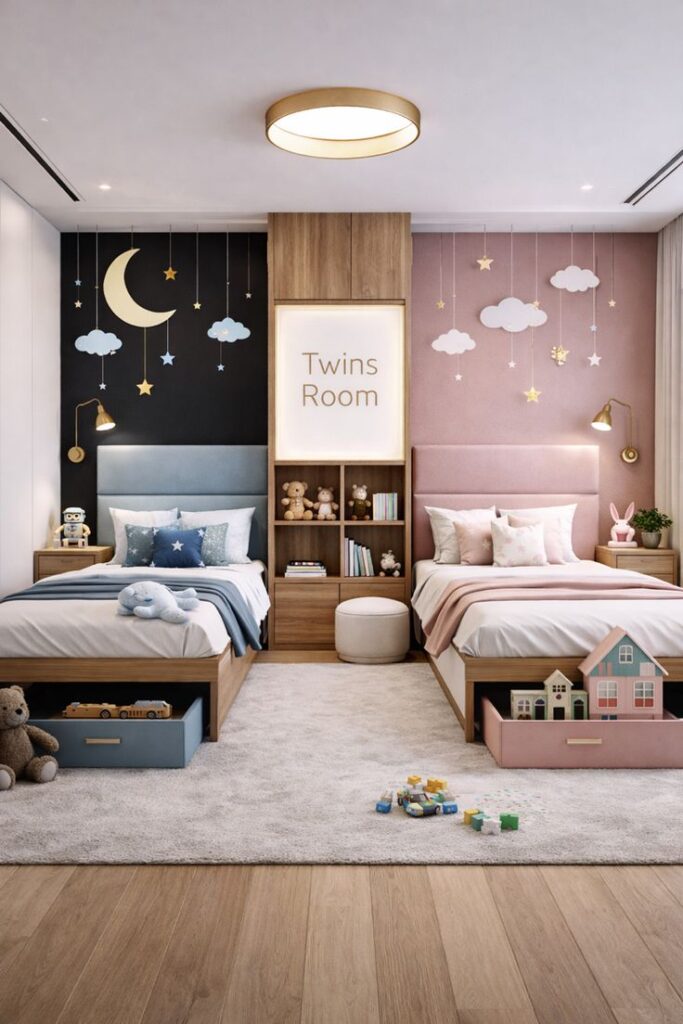
Start by identifying how your child spends time in the room. A soft rug can define the play area, while a small desk near a window creates a comfortable homework corner. Add a cozy chair or bean bag beside a bookshelf to encourage daily reading. Even if the room is small, creating simple zones helps every area serve a purpose.
This layout also teaches children responsibility. When toys belong in one area and books belong in another, cleaning becomes quicker and less stressful. Instead of feeling overwhelmed by clutter, your child learns where everything should go. A thoughtful kids room design should make everyday routines easier for both parents and children.
If you’re creating better daily habits at home, you’ll also enjoy How to Build a Daily Routine That Helps Babies and Toddlers Thrive, where you’ll find practical ideas that work beautifully alongside an organized bedroom.
2. Choose Furniture That Grows with Your Child
Children seem to outgrow everything overnight, so choosing furniture with long-term value is one of the smartest investments you can make. Instead of replacing beds, desks, and storage every few years, look for pieces that can adapt as your child grows.
Convertible cribs become toddler beds, adjustable desks fit different ages, and sturdy dressers continue working well through the teenage years. This approach saves money while reducing waste and making future room updates much simpler.
Choose neutral-colored furniture that matches many decorating styles. As your child’s personality changes, you can easily update the room with new bedding, pillows, artwork, or curtains instead of replacing expensive furniture.
A flexible kids room design grows alongside your child while keeping the bedroom stylish for years.
3. Add Plenty of Hidden Storage
Storage often determines whether a child’s room feels peaceful or constantly messy. One of the easiest ways to improve your kids room design is by adding hidden storage wherever possible.
Choose beds with built-in drawers underneath for seasonal clothing, extra bedding, or toys. Storage benches provide seating while hiding games and stuffed animals. Decorative baskets can neatly organize blocks, dolls, puzzles, and craft supplies without making the room feel crowded.

Label baskets with pictures for younger children so they know exactly where everything belongs. This encourages independence while making cleanup much faster after playtime.
A room with plenty of storage feels larger because fewer items are left on the floor. Parents also spend less time cleaning because everything has a designated place.
If clutter keeps returning despite your best efforts, don’t miss How to Create a Screen-Free Routine Your Kids Will Actually Enjoy. It offers creative ways to encourage meaningful play while reducing everyday mess.
4. Use Bright Colors Carefully
Children naturally love colorful spaces, but too many bright colors can make a bedroom feel overwhelming instead of relaxing. The most successful kids room design balances cheerful colors with calming neutral tones.
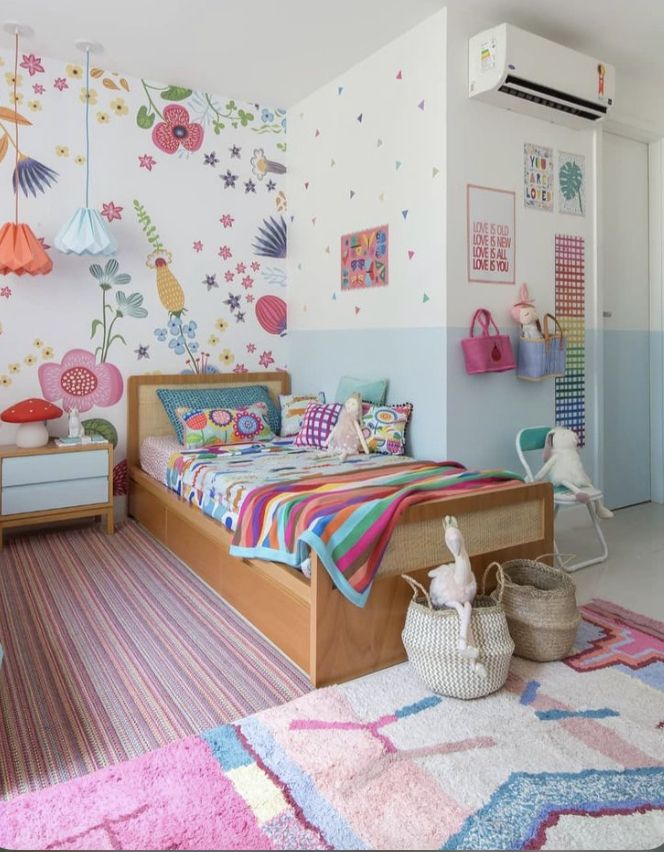
Choose one or two favorite colors as accents rather than covering every wall with bold shades. Colorful bedding, rugs, wall art, lamps, and storage bins can brighten the room without making it feel chaotic.
Light-colored walls help reflect natural light, making smaller bedrooms appear larger and more inviting. As your child’s interests change, replacing accessories is much easier than repainting the entire room.
Adding colorful cushions, playful curtains, or themed artwork creates excitement while keeping the room elegant enough to grow with your child.
5. Install Open Bookshelves
A love for reading often begins with easy access to books. Installing open bookshelves is a simple kids room design idea that encourages children to pick up books more often.
Front-facing shelves work especially well for younger children because they can easily see colorful book covers. Organize books by size or theme to make browsing simple and enjoyable.
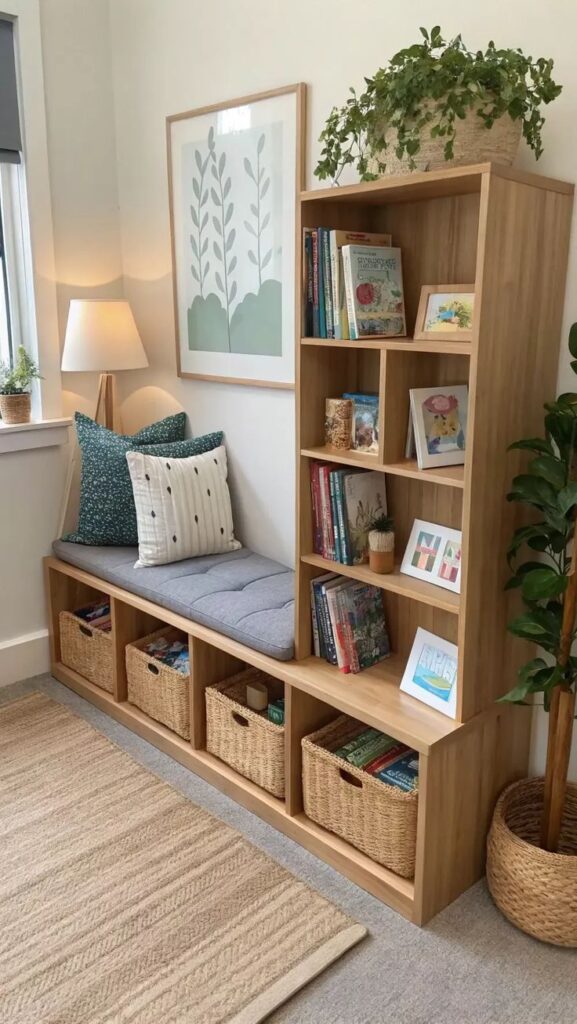
Place a comfortable chair, floor cushions, or a soft rug nearby to create an inviting reading corner. Good lighting also makes the area more comfortable during quiet reading time.
Reading together becomes a wonderful daily tradition that strengthens family bonds while supporting language development.
If you’re looking for meaningful family activities beyond bedtime stories, explore How to Start Meaningful Family Traditions Your Kids Will Remember for ideas your children will treasure for years.
6. Decorate with Your Child’s Artwork
One of the easiest ways to personalize a kids room design is by decorating with your child’s own artwork. Instead of purchasing expensive prints, frame their paintings, display school projects, or hang favorite drawings on a gallery wall.
Children feel proud when their creativity becomes part of the room’s decor. Rotating artwork every few months keeps the space feeling fresh while encouraging them to continue creating.

Simple frames, clipboards, or hanging wire displays make it easy to swap artwork whenever new masterpieces come home from school.
This affordable decorating idea also fills the room with happy memories while making your child feel valued. Best of all, no store-bought decoration carries the same personal meaning as something your child created with their own hands.
7. Add a Cozy Reading Nook
Every child deserves a quiet corner where they can relax with a favorite book. A reading nook instantly makes a kids room design feel warmer and more inviting while encouraging healthy reading habits.
You don’t need a large space to create one. Place a small bookshelf beside a bean bag, floor cushion, or child-sized chair. Add a soft blanket and a reading lamp to make the area extra comfortable. A canopy or fabric tent can also make the nook feel like a magical hideaway.

Children are more likely to read when books are easy to reach and the space feels special. The reading corner can also become a peaceful place to unwind after school or before bedtime.
If your child is starting school soon, you’ll love 21 Back-to-School Traditions That Make the First Day Feel Special for fun ways to build excitement and confidence.
8. Make Use of Vertical Space
When floor space is limited, look up. Using vertical storage is one of the easiest ways to improve a kids room design without making the room feel crowded.
Install floating shelves above the bed, desk, or dresser to display books, toys, or decorative pieces. Wall hooks can hold backpacks, hats, and jackets while keeping them off the floor. Pegboards are another excellent option because they can store craft supplies, headphones, or small baskets.

Using wall space keeps the room open for playing while making everything easier to find. It also creates opportunities to decorate with family photos, artwork, or motivational prints.
Small changes like these can completely transform the way a room functions.
9. Choose Washable Fabrics
Children spill drinks, drop snacks, and love messy crafts. Choosing washable materials makes your kids room design much easier to maintain.
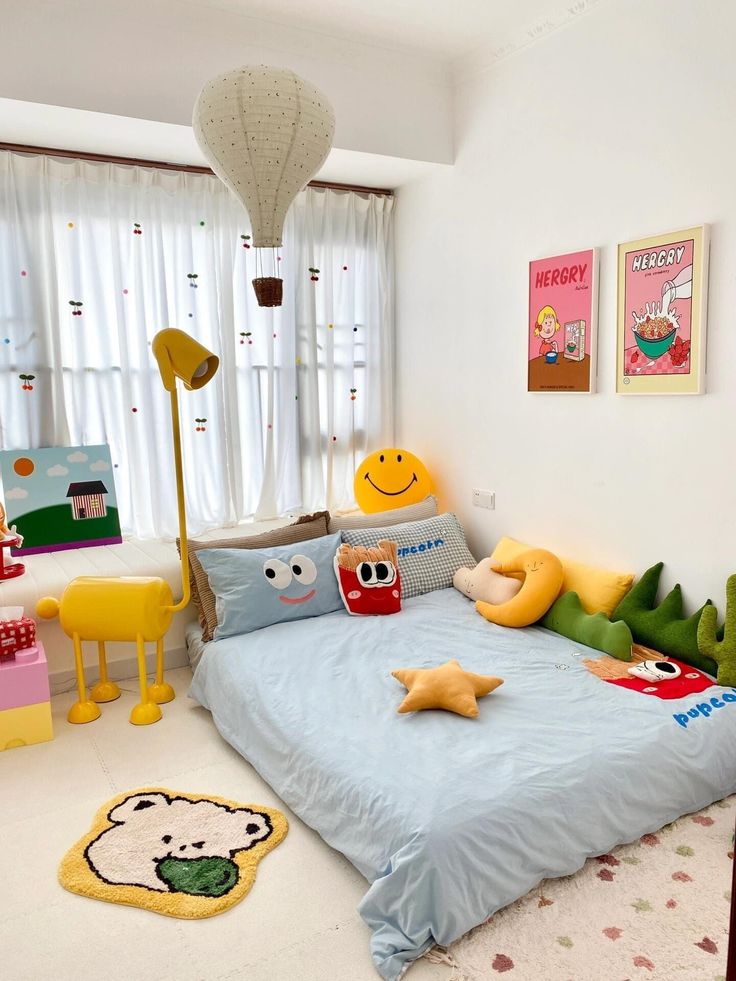
Look for machine-washable bedding, removable cushion covers, washable rugs, and durable curtains. These simple choices save both time and money because cleaning becomes quick instead of stressful.
Furniture with stain-resistant fabrics is also worth considering, especially for younger children who spend plenty of time playing indoors.
Easy-to-clean materials allow your child to enjoy the room without you constantly worrying about every little mess.
10. Include Plenty of Natural Light
Natural light can completely change how a bedroom feels. A bright room appears larger, cleaner, and more welcoming.
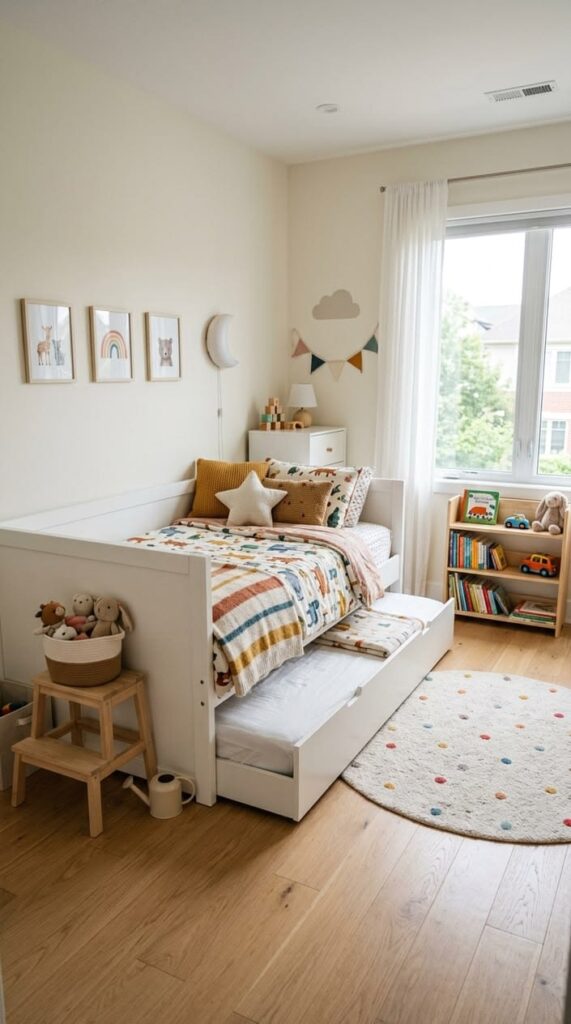
Arrange furniture so sunlight reaches the play area and study desk whenever possible. Avoid blocking windows with oversized furniture. Light curtains allow sunshine inside while still providing privacy.
Natural light also creates a cheerful atmosphere that helps children feel energized during the day.
A bright kids room design often needs fewer decorative elements because sunlight naturally enhances every color and texture.
11. Add a Creative Play Corner
Children learn through play, so creating a dedicated play corner adds both fun and purpose to the bedroom.
Include a small table for puzzles, coloring books, or building blocks. Store craft supplies in labeled containers so children can easily find what they need. Rotate toys every few weeks to keep the area exciting without creating unnecessary clutter.
A creative space encourages imagination while helping children stay entertained without relying on screens.
If you’re planning activities at home, don’t miss 21 Pumpkin Decorating Party Ideas Kids and Adults Will Both Love for creative projects the entire family can enjoy together.
12. Use Multi-Functional Furniture
Every piece of furniture should do more than one job whenever possible. This is especially important in smaller bedrooms where space is limited.
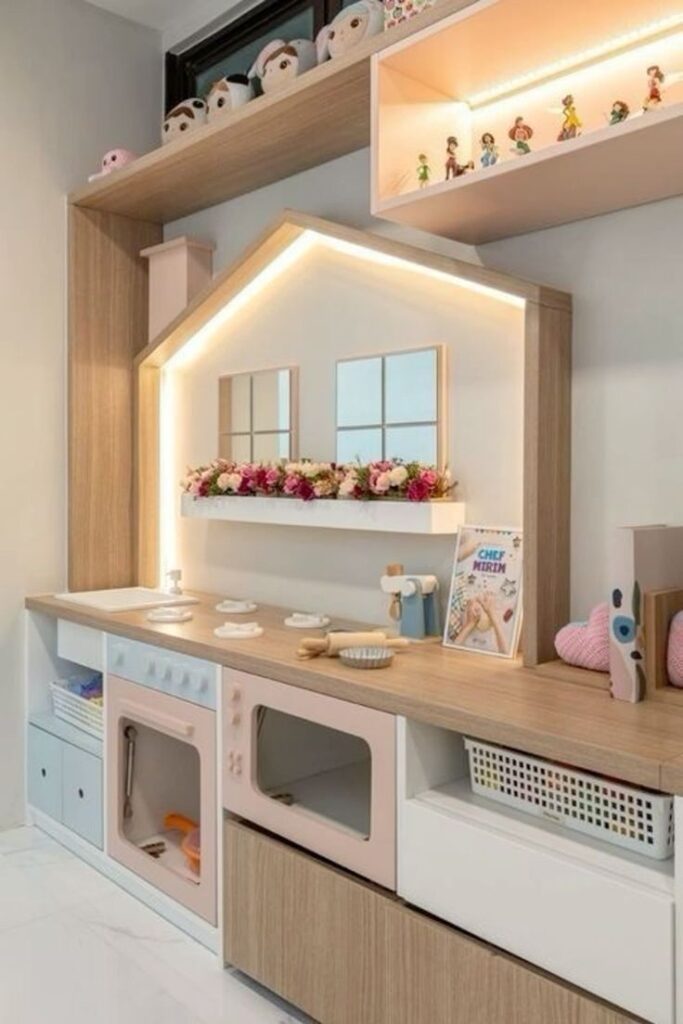
Choose beds with storage drawers underneath, ottomans that open for toy storage, or desks with built-in shelves. Foldable tables can also provide extra workspace without taking up permanent floor space.
Multi-functional furniture makes a kids room design more practical while reducing clutter. Instead of filling the room with separate storage units, each piece contributes to organization.
This approach keeps the bedroom spacious, stylish, and much easier to clean every day.
13. Choose a Theme That Can Grow with Your Child
Themes make bedrooms exciting, but they should also last for several years. Instead of choosing a character your child may outgrow quickly, build the kids room design around timeless themes like nature, space, animals, rainbows, or adventure.

Use removable wall decals, themed bedding, and decorative pillows to add personality without making permanent changes. As your child’s interests evolve, replacing these smaller items is much cheaper than redesigning the entire room.
A flexible theme keeps the bedroom feeling fresh while saving money in the long run. It also gives your child the freedom to personalize the room as they grow older.
14. Keep Toys Easy to Reach
Children are more likely to play independently when they can reach their own toys. Place frequently used toys on lower shelves and store less-used items higher up.

Clear bins make it easy for children to see what’s inside without emptying every container. Label each bin with words or pictures to encourage organization from an early age.
This simple kids room design idea helps children develop responsibility while making cleanup faster after every play session.
Parents also spend less time searching for missing toys because everything has a designated place.
15. Create a Homework Station
As children begin school, having a dedicated homework area becomes increasingly important.
Choose a quiet corner with a comfortable desk and supportive chair. Add good lighting, pencil holders, shelves for books, and small organizers for school supplies.
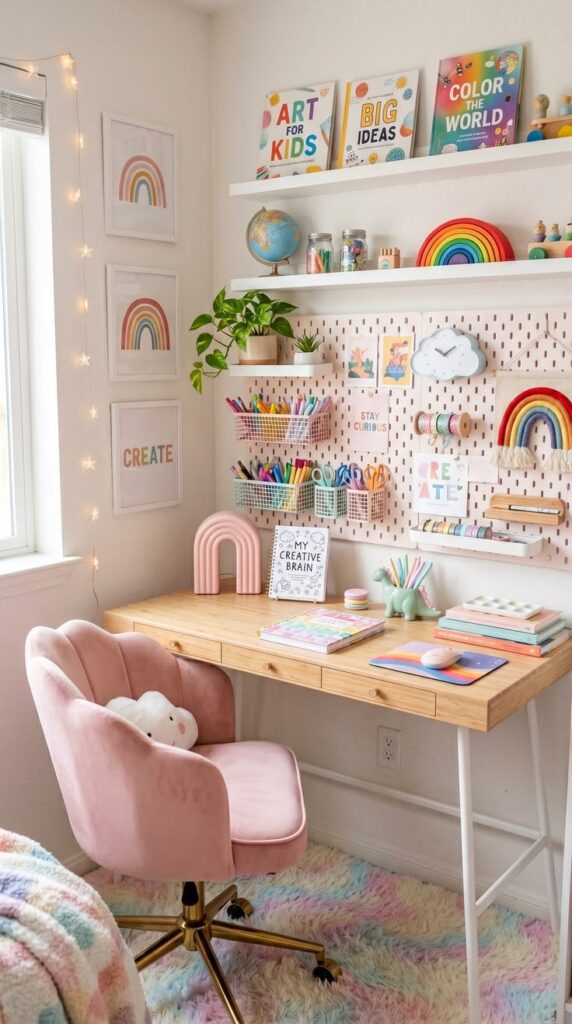
Keeping homework materials together reduces distractions and helps children focus better during study time. A well-designed homework station also teaches children the importance of routine and responsibility.
If you’re preparing your child for school, be sure to read 21 Back-to-School Traditions That Make the First Day Feel Special for memorable ideas your family can enjoy together.
16. Use Labels for Easy Organization
Labels may seem like a small detail, but they make a huge difference in keeping bedrooms organized.
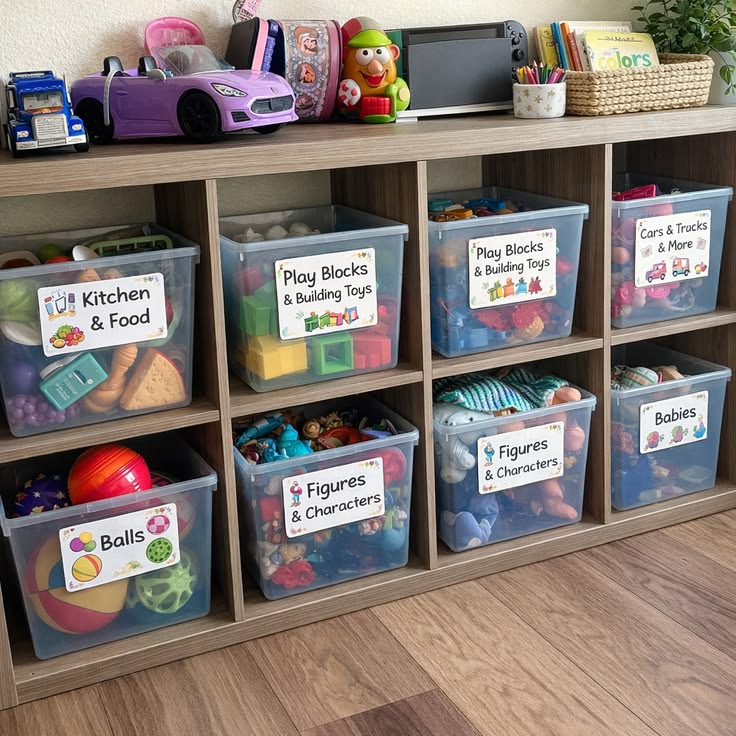
Label baskets, drawers, shelves, and storage bins so children always know where items belong. Younger children benefit from picture labels, while older children can read written labels.
This encourages independence because children no longer need help putting things away. An organized kids room design becomes much easier to maintain when everyone knows where each item belongs.
17. Display Family Photos
Children feel secure when they see family memories around them. Decorating with family photos adds warmth while making the bedroom feel more personal.

Choose colorful frames or create a gallery wall featuring vacations, birthdays, holidays, and everyday moments together.
These photos remind children they are surrounded by love while adding meaningful decoration that never goes out of style.
If you’re looking for more ways to create lasting family memories, explore How to Make Birthdays Feel Special Without Spending Too Much for thoughtful celebration ideas.
18. Add Soft Rugs for Comfort
Children spend plenty of time sitting, crawling, and playing on the floor. A soft rug makes the room much more comfortable while adding color and texture.
Choose washable rugs that can handle spills and everyday play. Large rugs also help define play areas while protecting hardwood or tile floors.
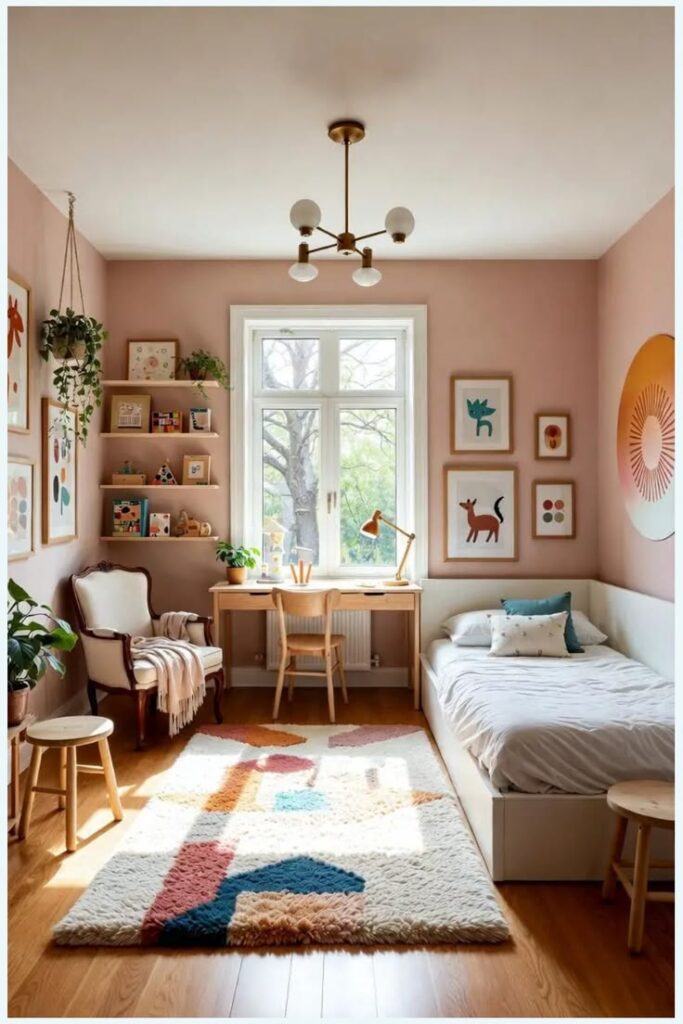
Besides adding comfort, rugs reduce noise and make bedrooms feel warmer during cooler months.
A cozy kids room design should feel inviting from the moment your child walks inside.
19. Decorate with Open Wall Shelves
Wall shelves are both practical and decorative. They display books, favorite toys, trophies, plants, and keepsakes without taking up valuable floor space.
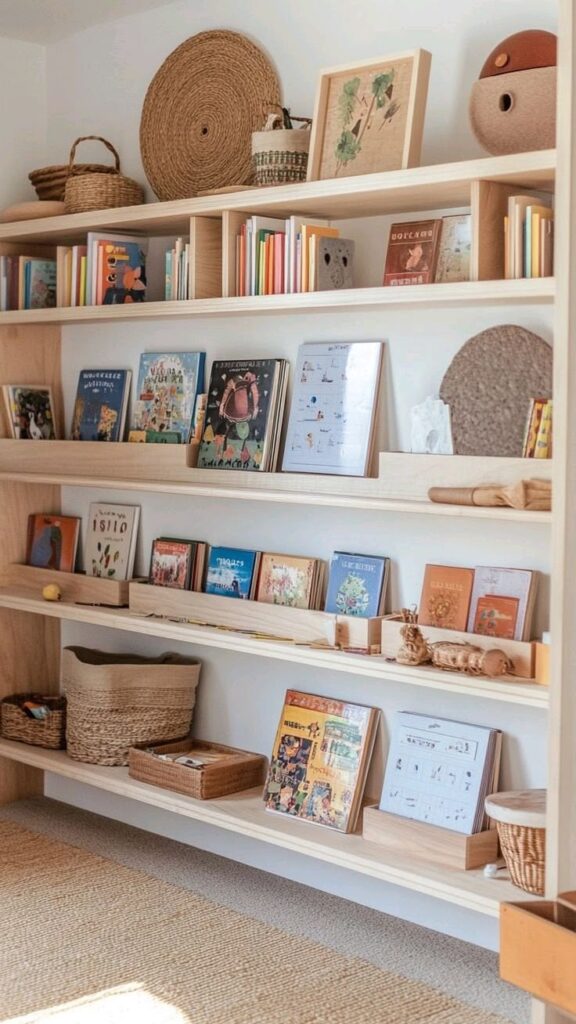
Mix practical storage with decorative pieces to create visual interest. Avoid overcrowding shelves, as too many items can make the room feel cluttered.
Changing decorations throughout the year also keeps the bedroom feeling fresh without requiring a complete makeover.
20. Leave Space for Imagination
One mistake many parents make is filling every corner with furniture or decorations. Children need open space to imagine, build, dance, and create.

Leaving some empty floor space makes the bedroom feel larger while encouraging active play. Sometimes the simplest kids room design creates the happiest childhood memories.
Open space also allows the room to adapt as your child discovers new hobbies and interests.
If you’re planning to celebrate your new home with friends and family, don’t miss Housewarming Party Ideas: 15 Fun Ways to Celebrate Your New Home for creative entertaining inspiration.
21. Add a Growth Chart Wall
Children love seeing how much they’ve grown over the years. A growth chart wall adds personality while becoming a treasured family keepsake.
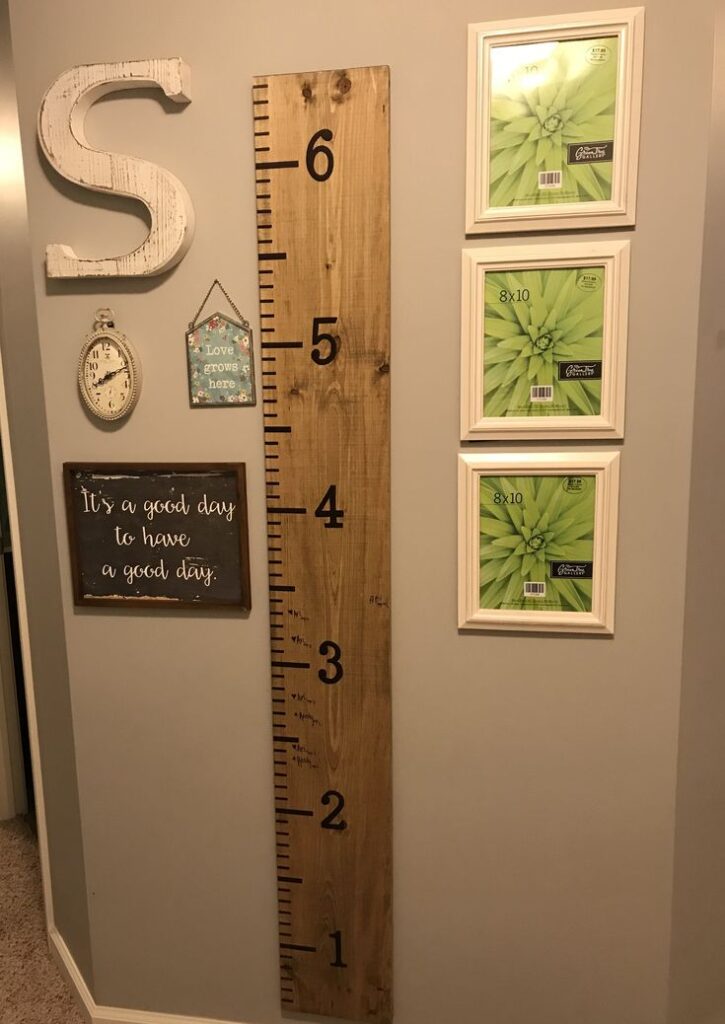
You can use a wooden growth ruler, removable wall decals, or even a framed measuring board that moves with you if you change homes. Mark important milestones and dates to create lasting memories your child will enjoy looking back on.
This simple feature makes your kids room design feel personal without taking up valuable space. It also turns an ordinary wall into something meaningful that grows alongside your child.
22. Create a Display Area for Favorite Collections
Many children enjoy collecting toy cars, dolls, action figures, books, or stuffed animals. Instead of hiding these treasures away, create a dedicated display area.
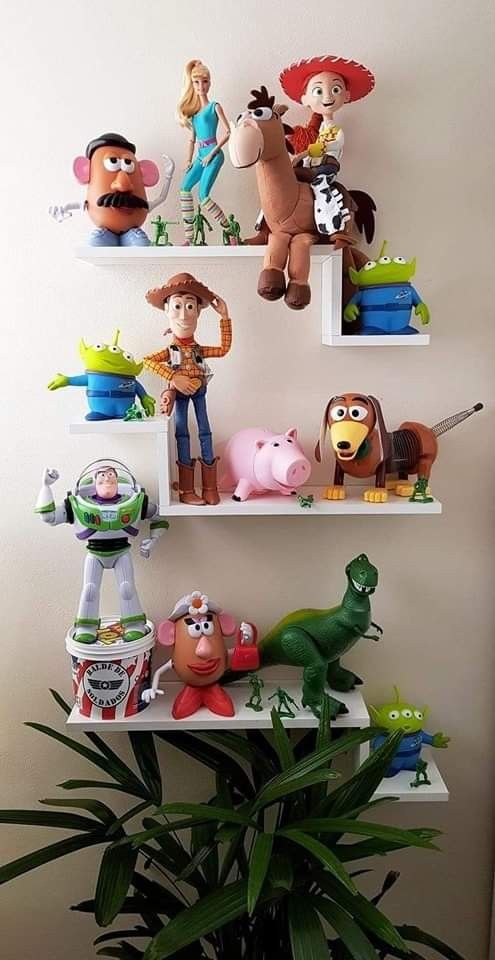
Floating shelves, shadow boxes, or cube storage units keep collections organized while adding character to the room. Encourage your child to choose their favorite items to display and rotate them throughout the year.
Displaying collections gives children a sense of pride while reducing clutter elsewhere in the bedroom. It also allows the kids room design to reflect your child’s unique personality and interests.
23. Bring Nature Indoors
Adding natural elements creates a calm and welcoming bedroom. Wooden furniture, woven baskets, soft linen fabrics, and nature-inspired artwork make the space feel warm and timeless.

If your child is old enough, consider adding a child-safe indoor plant that is easy to care for. Watching a plant grow teaches responsibility while introducing a little greenery into the room.
Natural materials also pair beautifully with almost any decorating style, making future updates simple and affordable.
24. Install Good Lighting for Every Activity
Lighting plays a bigger role than many parents realize. A single ceiling light rarely provides enough brightness for every activity.
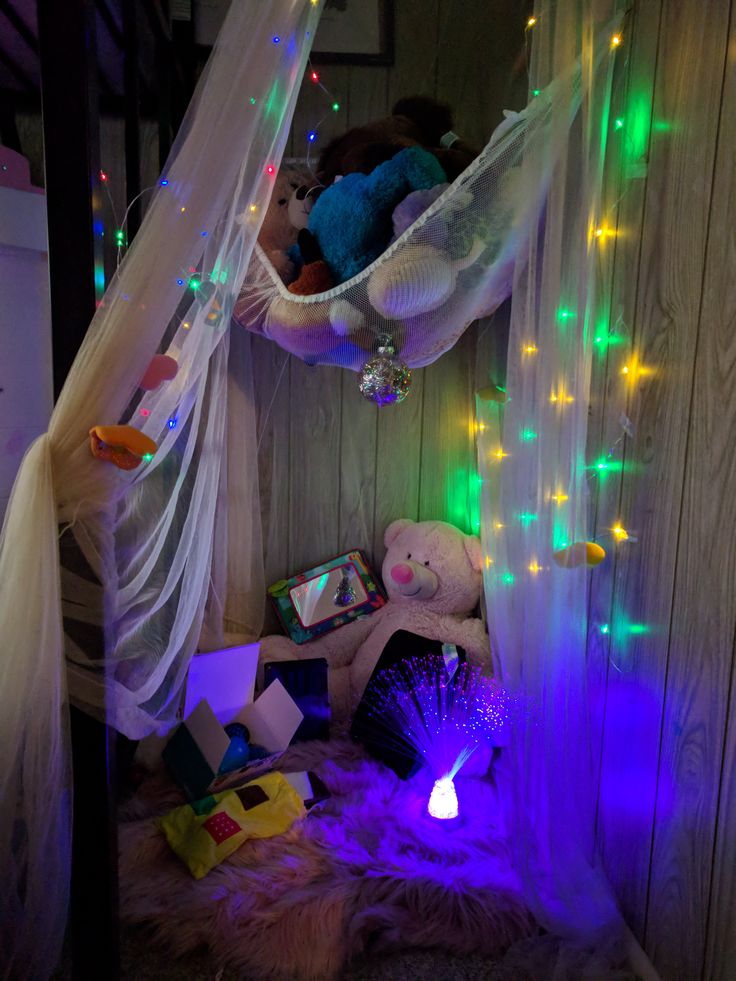
Layer your lighting by combining overhead fixtures with bedside lamps, reading lights, and desk lamps. Warm lighting creates a cozy bedtime atmosphere, while brighter task lighting helps during homework and crafts.
Good lighting makes every part of your kids room design more functional while creating a comfortable environment throughout the day.
25. Keep Decorations Simple
It’s easy to fall in love with colorful decorations, but too many accessories can quickly make a child’s bedroom feel crowded.
Choose a few meaningful decorations instead of filling every shelf and wall. A beautiful piece of artwork, decorative pillows, and a favorite stuffed animal often create a bigger impact than dozens of small items.
Simple decorating also makes cleaning easier and allows your child’s personality to shine through naturally.
If you’re creating peaceful spaces throughout your home, you’ll enjoy 31 Cozy Bedroom Decor Ideas for Busy Moms Who Need a Calmer Space for more relaxing decorating inspiration.
26. Make the Room Easy to Update
Children’s interests change quickly, so designing a flexible bedroom saves both time and money.
Choose neutral furniture and wall colors, then add personality through bedding, rugs, curtains, and wall art. These items are much easier to replace than furniture or flooring.

This approach keeps your kids room design looking fresh without requiring a complete makeover every few years.
Your child can also help choose new accessories as they grow, making the room feel even more special.
27. Design the Room Around Your Child
The most beautiful bedroom isn’t always the one that follows the latest trends. It’s the one that reflects your child’s personality, interests, and daily routine.

Think about what makes your child happiest. They may love reading, building, drawing, music, sports, or imaginative play. Let those interests guide your decorating decisions instead of copying someone else’s room exactly.
When children feel involved in creating their own space, they take greater pride in keeping it organized and treating it with care. The best kids room design is one that supports learning, creativity, comfort, and joyful childhood memories.
Final Thoughts
Creating the perfect kids room design isn’t about following every trend or spending a fortune. It’s about designing a space that supports your child’s daily life while making your job as a parent a little easier. With smart storage, flexible furniture, and thoughtful decor, you can build a room that feels fun, practical, and stylish at the same time.
Remember that the best children’s bedrooms grow with the child. Choose ideas that can adapt as their interests, hobbies, and needs change over the years. Small updates like new bedding, artwork, or accessories can refresh the room without requiring a complete makeover.
Most importantly, create a space where your child feels safe, inspired, and truly at home. Whether they’re reading, playing, learning, or simply relaxing, a well-planned kids room design will support countless happy memories for years to come.