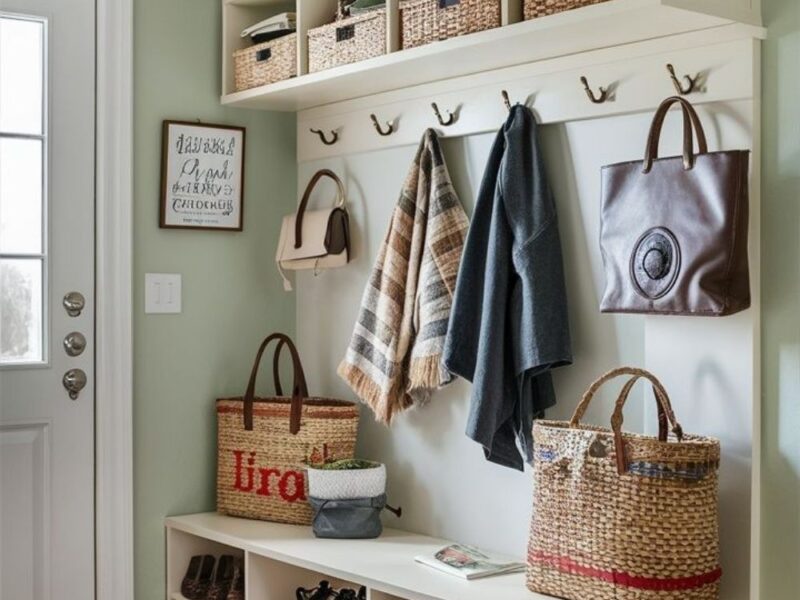
Cozy bedroom decor ideas for busy moms can transform a cluttered room into a peaceful retreat that supports genuine rest.
Last Tuesday, I entered my bedroom after an exhausting day and immediately felt more overwhelmed. Laundry covered the chair, toys crowded the floor, and forgotten glasses filled my nightstand. Instead of offering comfort, the room displayed every unfinished task still waiting for me.
Many mothers recognize this frustrating scene. Our bedrooms often become holding spaces for clothes, paperwork, toys, and belongings without permanent homes. Fortunately, creating calm does not require designer furniture, professional styling, or an expensive renovation.
Small changes can reduce visual clutter, improve comfort, and make your bedroom easier to maintain.

Motherhood rarely leaves enough time for uninterrupted rest. Children need meals, clean clothes, reassurance, answered questions, and help finding mysteriously missing shoes. Meanwhile, your needs often slip quietly toward the bottom of an overwhelming list.
These 35 home organization ideas busy moms will wish they tried sooner offer practical solutions for creating supportive family spaces.
I learned that organization is not about maintaining a flawless, picture-perfect home. It means building realistic systems that support your routines without demanding constant attention. Your bedroom should provide that same support after tiring, overstimulating days.
Understanding why your home keeps getting cluttered and how to fix it can help prevent recurring messes.
This guide shares 31 affordable ideas for improving lighting, bedding, storage, colors, furniture, and meaningful decor. Each suggestion respects limited time, realistic budgets, smaller spaces, and unpredictable family routines.
Start with your greatest frustration, whether that involves laundry, crowded surfaces, harsh lighting, or uncomfortable bedding. Then, make one manageable improvement whenever your schedule, energy, and budget allow.
Your room does not need perfection to feel warm, restorative, and truly yours. Ready to reclaim your bedroom and breathe more easily?
1. Begin With a Five-Minute Declutter
Set a timer for five minutes and remove everything that clearly belongs elsewhere. Start with drinking glasses, children’s toys, receipts, dirty clothing, and empty packaging. Place misplaced belongings inside one basket instead of visiting several rooms.

This approach keeps you focused and prevents distraction. Return those items after completing your bedroom reset. A short decluttering session creates visible progress without consuming your limited evening energy.
Try it tonight and notice how quickly your bedroom feels lighter.
2. Choose a Gentle Color Palette
Soft colors can help your bedroom feel less visually demanding. Consider warm white, creamy beige, muted green, dusty blue, or gentle gray. You do not need to repaint every wall.

Introduce calming colors through pillow covers, curtains, blankets, artwork, or a small rug. Limit your palette to three main colors for a more coordinated appearance. Consistent colors make ordinary furniture and affordable accessories look more intentional.
Choose shades that feel comforting to you, rather than following temporary decorating trends.
3. Replace Harsh Overhead Lighting
Bright overhead lighting can feel stimulating after a demanding day. Use bedside lamps with warm bulbs during your evening routine. Warm white bulbs usually create a softer atmosphere than cool white bulbs.

A dimmable lamp offers flexibility for reading, feeding a baby, or preparing for sleep. Place lighting where you can reach it without leaving your bed. This small detail becomes especially valuable during cold nights or exhausting newborn wakeups.
Always choose safe bulbs that match your lamp’s recommended wattage.
4. Simplify Your Nightstand
A crowded nightstand can quietly remind you about unfinished tasks. Remove old cups, paperwork, random toys, tangled chargers, and unused beauty products. Keep only the items supporting your bedtime routine.
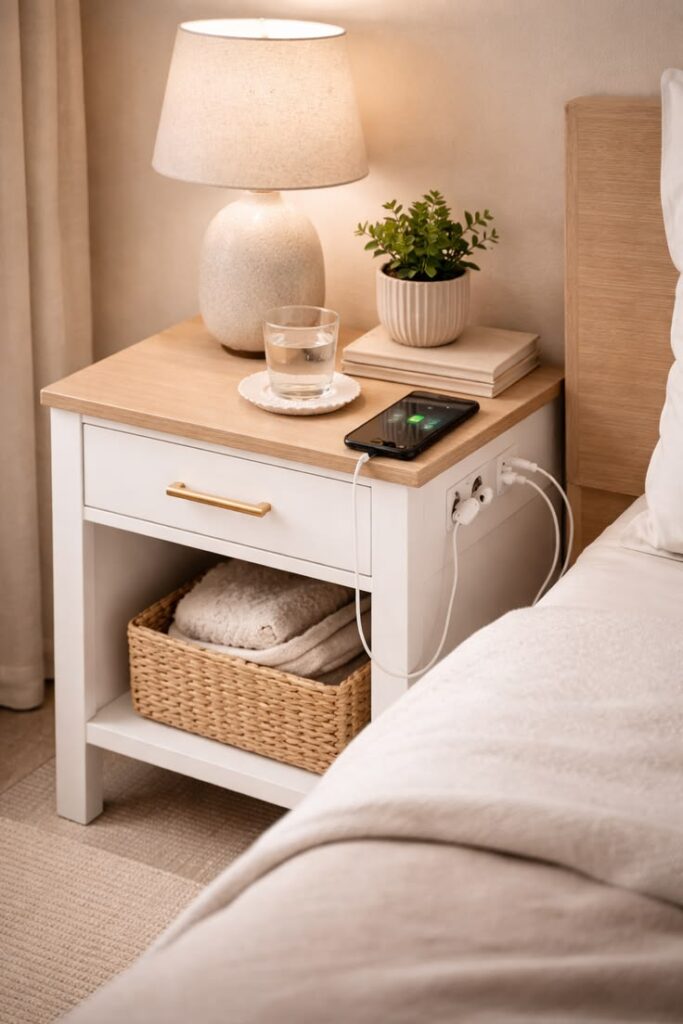
These might include water, a lamp, tissues, hand cream, and your current book. Use a small tray to contain loose essentials. Store everything else inside a drawer, basket, or decorative box.
A clear nightstand gives your eyes fewer objects to process before sleep.
5. Add Comfortable Layered Bedding
Layered bedding makes an ordinary bed feel inviting and thoughtfully decorated. Begin with breathable sheets that feel comfortable throughout changing temperatures. Add a washable comforter or duvet in a neutral color.

Finish with one lightweight throw for softness, warmth, and visual texture. Avoid delicate fabrics requiring complicated cleaning methods. Your bedding should survive children, pets, spills, and busy laundry weeks.
Comfort matters more than achieving a perfectly styled showroom appearance. Choose layers you can easily remove when warmer weather arrives.
6. Limit Decorative Pillows
Decorative pillows add color, but too many create unnecessary daily work. Choose one or two accent pillows that complement your bedding. You should remove and replace them within seconds.

Large collections often land on the floor, creating more visual clutter. Choose washable pillow covers whenever possible. Changing covers offers an affordable seasonal update without requiring additional storage space.
Your bed can still appear cozy without becoming another complicated task. Let simplicity protect both your time and energy.
7. Create a Calming Bedtime Basket
A bedtime basket keeps comforting essentials together and within easy reach. Include hand lotion, lip balm, a journal, earplugs, or a relaxing book. You could also add a sleep mask or warm socks.

Avoid filling the basket with items you rarely use. The goal involves supporting rest, not creating another clutter collection.
New mothers can pair this idea with 35 Things Every First-Time Mom Should Know Before Baby Arrives.
Save that helpful guide before the beautiful, tiring newborn season begins.
8. Use Matching Storage Baskets
Matching baskets can make mixed belongings appear more organized. Use them for extra blankets, books, clothing, toys, or nursing supplies. Choose baskets with handles for easier movement between rooms.
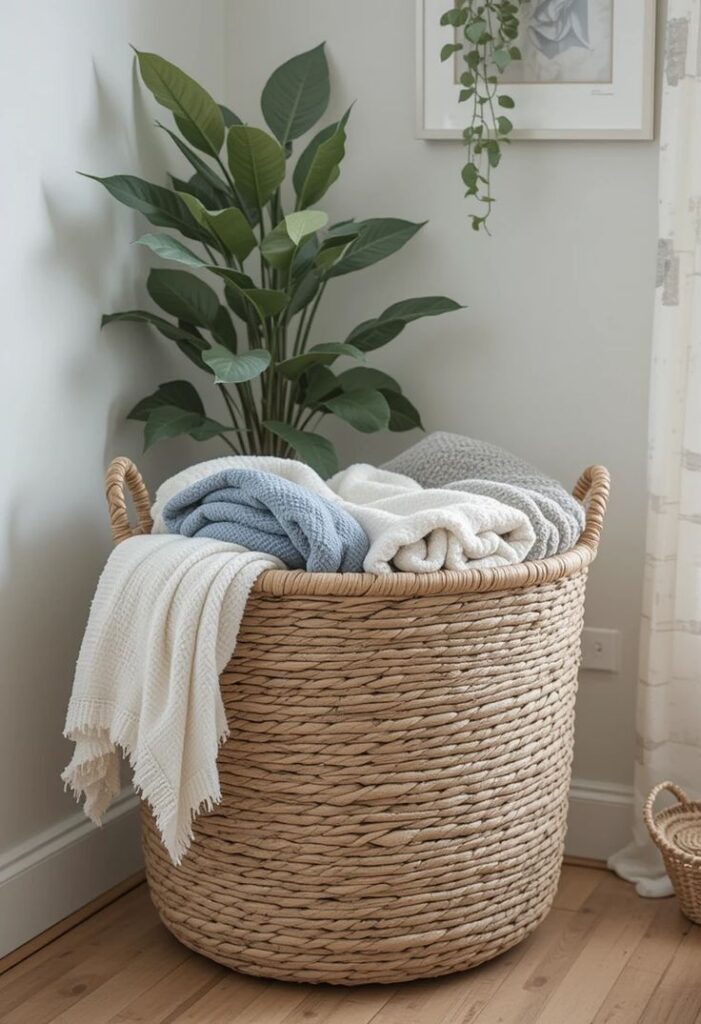
Select washable fabric bins when children frequently use the space. Natural woven baskets add warmth, while solid containers create a cleaner appearance.
Label closed baskets when family members need help returning items. Before purchasing anything, measure your shelves and available floor space carefully. Beautiful storage becomes frustrating when it does not fit properly.
9. Give Every Clothing Pile a Home
Many bedrooms contain one chair hidden beneath partially worn clothing. Create a realistic system for clothes that are neither clean nor dirty. Install two sturdy hooks for pajamas, jeans, or tomorrow’s outfit.

Use a divided hamper for washable clothing. Add one basket for clean garments awaiting folding. Your system should match your existing habits, rather than demanding completely new behavior.
When every category has a destination, piles become easier to prevent.
10. Keep the Floor Visibly Clear
Visible floor space makes a bedroom feel larger and easier to clean. Move shoes, bags, laundry, toys, and packages into assigned storage areas. Store occasional items beneath the bed using shallow, covered containers.
Avoid using under-bed space for belongings you regularly forget. Leave walking paths open around the bed and doorway. Clear pathways reduce tripping hazards during nighttime visits from children.
They also make vacuuming faster, which helps busy mothers maintain the room consistently.
11. Add One Soft Area Rug
A soft rug introduces warmth, color, and texture without major renovations. Place it beneath the lower bed area or beside your usual walking path. Your feet will appreciate the softness during early mornings.
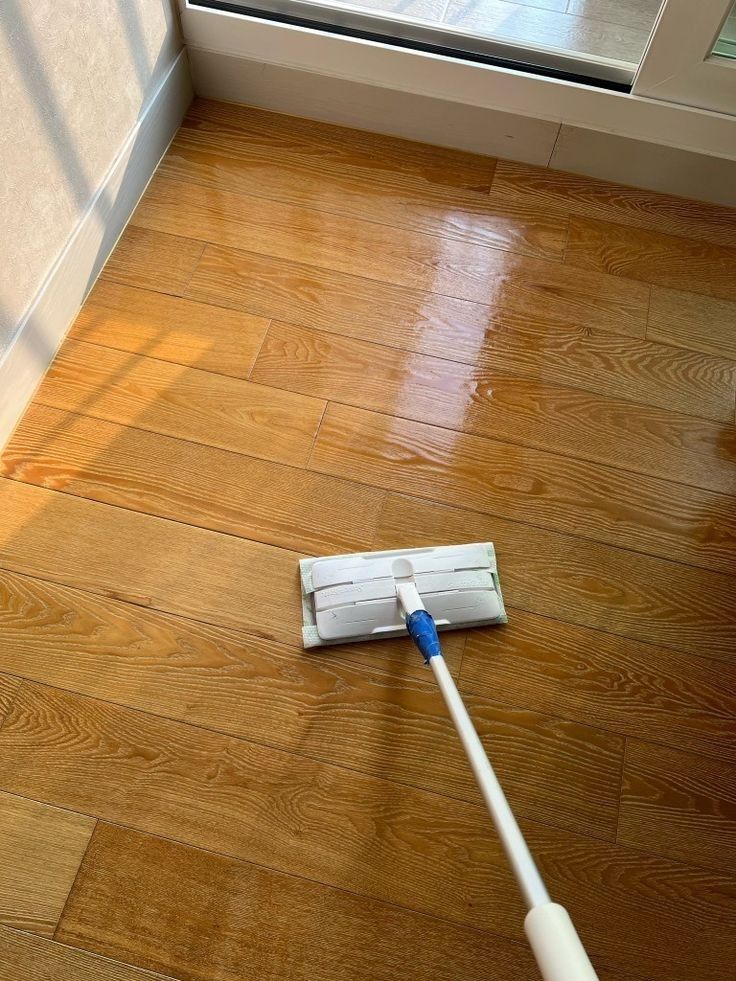
Choose a low-pile rug if easy vacuuming remains important. Washable rugs work well around babies, children, and pets. Measure the room before ordering anything online.
A correctly sized rug makes the room feel balanced. One thoughtful rug usually creates more impact than several smaller, disconnected pieces.
12. Hang Full-Length Curtains
Curtains soften hard lines while improving privacy and light control. Hang the curtain rod slightly above the window to create visual height. Choose floor-length panels when your room layout allows them.

Neutral curtains support a timeless look, while subtle patterns add gentle personality. Blackout panels can help shift workers, babies, and light-sensitive sleepers. Avoid heavy curtains that collect dust or require specialized cleaning.
Machine-washable fabric makes long-term maintenance considerably easier.
13. Create a Peaceful Reading Corner
A reading corner does not require a large bedroom. Use a comfortable chair, soft blanket, supportive cushion, and nearby lamp. This space can support reading, journaling, nursing, prayer, or quiet breathing.

Keep the surrounding area intentionally uncluttered. Your corner should feel available, rather than becoming another clothing station.
Families seeking calmer evenings may enjoy How to Create a Screen-Free Routine Your Kids Will Actually Enjoy. Open that guide and choose one realistic screen-free habit tonight.
14. Display Meaningful Family Photographs
Personal photographs can make your bedroom feel warm, familiar, and emotionally grounding. Choose one or two images that immediately bring comfort. Consider a wedding photograph, newborn picture, vacation memory, or candid family moment.

Use frames that complement your existing color palette. Avoid covering every surface with unrelated photographs. A smaller collection allows each meaningful image to receive attention.
For more intentional family memories, explore How to Start Meaningful Family Traditions Your Kids Will Remember. Choose one uncomplicated tradition that your family can begin this month.
15. Choose Calming Wall Art
Wall art can establish a peaceful mood without occupying valuable storage space. Consider botanical prints, gentle landscapes, abstract shapes, or meaningful quotations. Choose colors already present within your bedding, curtains, or rug.
One larger piece often appears calmer than several unrelated decorations. Hang artwork at a comfortable viewing height.
Avoid messages that create pressure, guilt, or unrealistic expectations. Your bedroom artwork should support rest and reflect your personality.
16. Style the Dresser With Restraint
A crowded dresser can make the entire bedroom appear messy. Remove products, receipts, coins, and clothing that lack designated homes. Create one simple arrangement using three useful or meaningful objects.
You might combine a lamp, framed photograph, and decorative bowl. Place everyday jewelry or hair accessories inside the bowl. Store cosmetics and occasional products within drawers.
Leaving open space helps your chosen decorations appear more noticeable. It also makes dusting quicker during busy weeks.
17. Add Greenery Without Extra Work
Greenery introduces natural color and softness into a bedroom. Choose a low-maintenance plant suited to your room’s available sunlight. Snake plants and pothos are popular, but confirm their safety around pets.
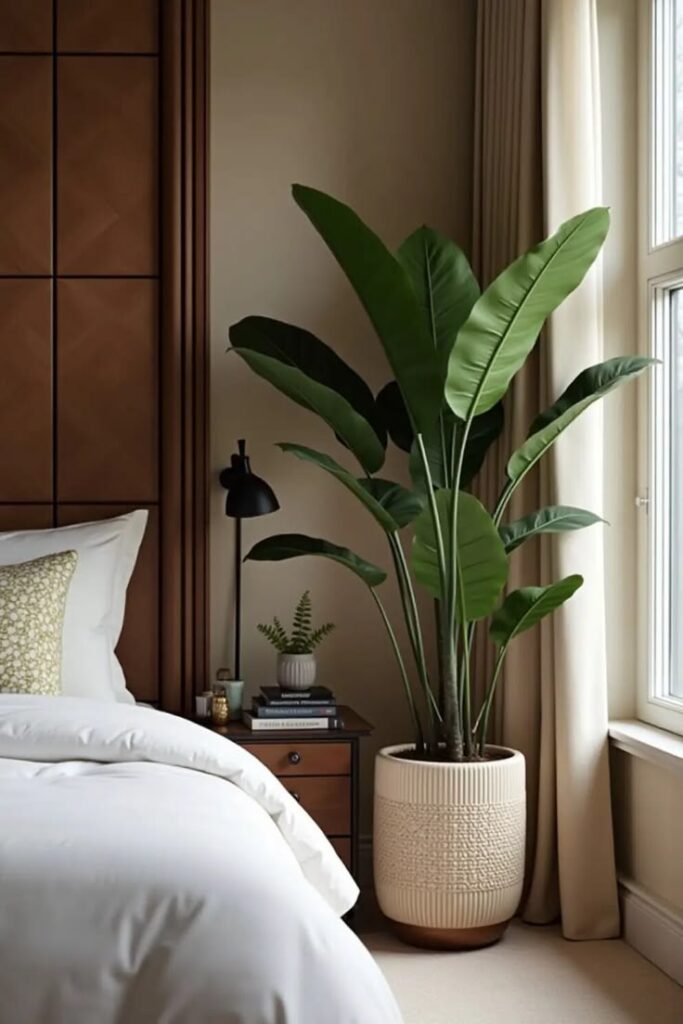
Artificial greenery offers a practical alternative when plant care feels burdensome. Select one realistic-looking plant instead of filling every available corner. Place it on a dresser, shelf, or protected windowsill.
A simple ceramic or woven planter can add another warm texture.
18. Create an Easy Charging Station
Loose charging cables make nightstands look untidy and become easily misplaced. Use cable clips, a charging dock, or a covered cord organizer. Assign one consistent location for phones, watches, and electronic readers.
Place the charging station away from your pillow whenever possible. That distance can reduce late-night scrolling and unnecessary notifications. Avoid placing cords where children might pull them.
A dedicated station keeps essential technology accessible without allowing it to dominate your restful space.
19. Use Scent Carefully
A familiar scent can help signal that your busy day is ending. Try a gentle linen spray, dried lavender, or lightly scented candle. Choose one subtle fragrance instead of layering several strong products.
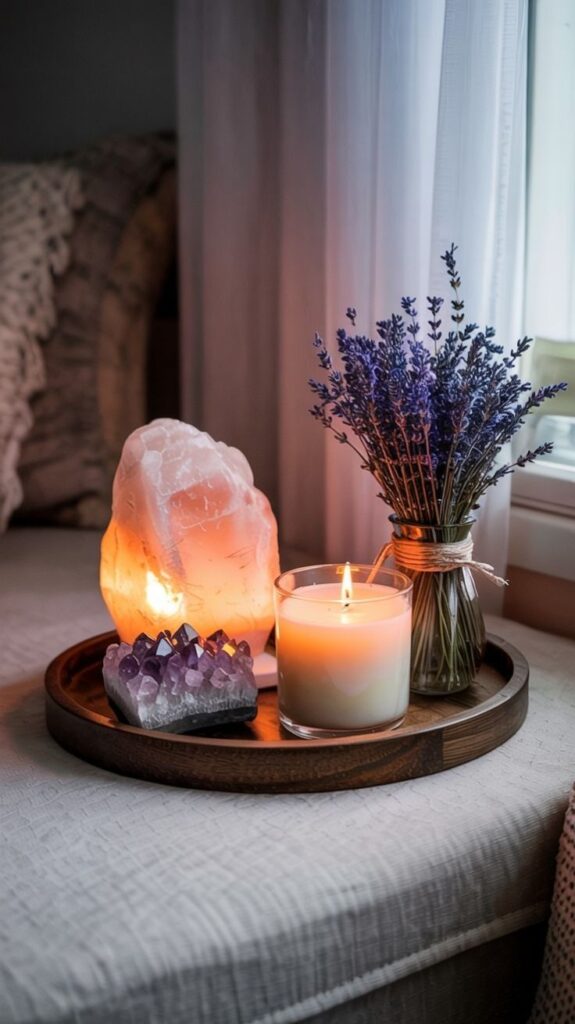
Always extinguish candles before leaving the room or becoming sleepy. Avoid essential oils without first checking child, pregnancy, and pet safety. Fresh air can provide a calming alternative to fragrance.
Open a window briefly when weather and outdoor conditions allow.
20. Make the Bed Easier to Maintain
An attractive bed should not require complicated styling every morning. Use a fitted sheet, comfortable pillows, washable comforter, and one throw. Choose bedding that fits your washing machine and drying routine.
Smooth the comforter and arrange the pillows after getting dressed. This process should take approximately two minutes.
Pair that habit with How to Build a Daily Routine That Helps Babies and Toddlers Thrive.
Read the guide for gentle rhythms that can support your entire household.
21. Establish a Practical Nursery Corner
Bedroom sharing may become necessary when space or nighttime convenience remains limited. Create one clearly defined area for your baby’s essential supplies. Use a compact cart for diapers, wipes, burp cloths, and spare pajamas.
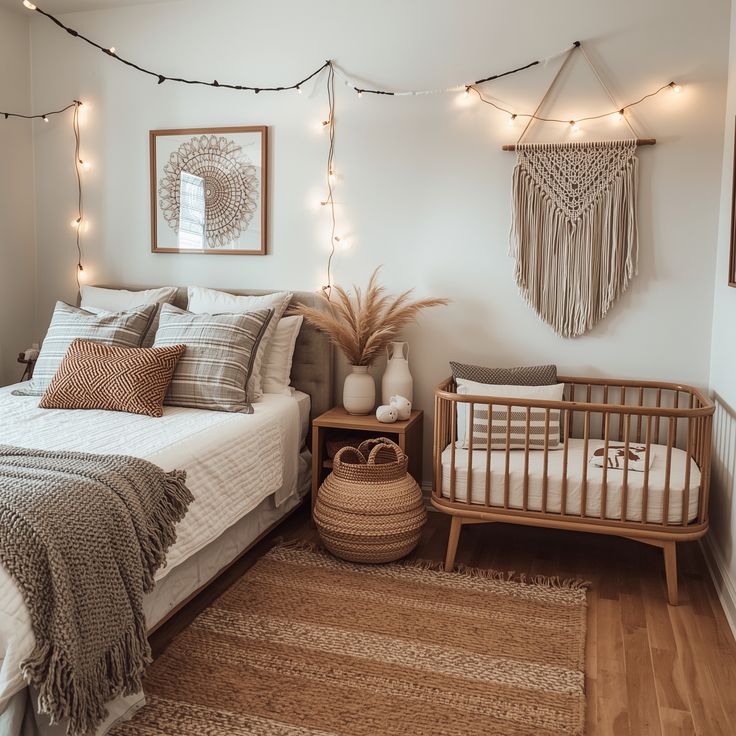
Refill the cart during daylight hours. Keep sleep spaces clear and follow current safe-sleep guidance. Avoid placing heavy decorations above the baby’s sleeping area.
A prepared nursery corner reduces stressful nighttime searching and protects your limited energy.
22. Add a Small Memory Box
Meaningful keepsakes deserve protection without becoming visible clutter. Choose one attractive box for letters, photographs, hospital bracelets, and children’s artwork. Limit the collection to items carrying genuine emotional value.
Review the box once yearly and remove anything no longer meaningful. Special birthdays often produce memories worth preserving.
Find affordable inspiration in How to Make Birthdays Feel Special Without Spending Too Much.
Choose one heartfelt idea before planning your family’s next celebration.
23. Create a Simple Morning Station
Rushed mornings become easier when frequently used items stay together. Dedicate one drawer or dresser section to everyday essentials. Include hair accessories, simple jewelry, deodorant, perfume, and other regular items.
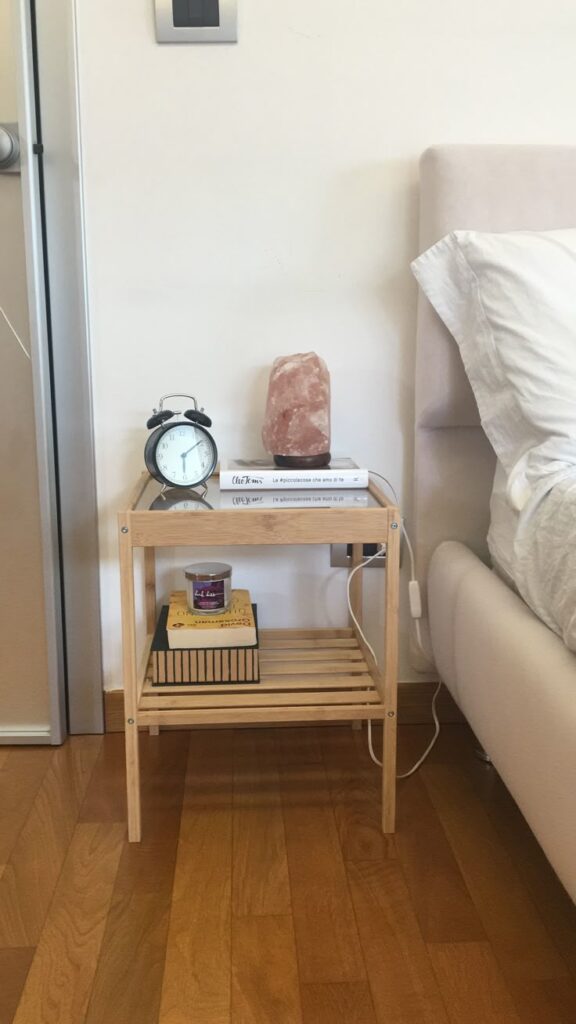
Use a small tray to prevent these belongings from spreading. Return everything after getting ready. Prepare tomorrow’s accessories during your evening reset when mornings feel especially hectic.
This station saves time while keeping the room visually organized.
24. Use Vertical Storage Carefully
Small bedrooms often offer more wall space than floor space. Install floating shelves, wall hooks, or an over-the-door organizer. Use hooks for robes, bags, hats, or tomorrow’s clothing.
Store attractive belongings openly and place practical items inside matching containers. Secure shelves properly, especially around children. Avoid covering every wall with storage.
Too many visible items can make a small bedroom feel crowded. Vertical storage works best when it remains selective and purposeful.
25. Refresh Furniture Before Replacing It
Existing furniture may need simple updates rather than expensive replacement. Replace dated drawer handles or add removable wallpaper inside drawers. A fresh coat of paint can coordinate mismatched pieces.

Always follow preparation and ventilation instructions for painting projects. Start with one nightstand instead of refinishing an entire furniture set. Small improvements reduce expenses while preventing usable furniture from entering landfills.
Recent movers can explore Housewarming Party Ideas: 15 Fun Ways to Celebrate Your New Home.
Celebrate your progress before every room feels completely finished.
26. Create a Small Seasonal Decor Box
Seasonal accents can refresh your bedroom without encouraging constant shopping. Use one small container for pillow covers, throws, and simple decorations. Set a firm storage limit before purchasing new pieces.
For fall, consider warm textures, muted orange accents, or dried botanical stems. During warmer months, introduce lighter fabrics and gentle natural colors. Rotating existing decorations makes the room feel updated.
A limited collection also prevents seasonal decorating from becoming another overwhelming responsibility.
27. Bring Natural Textures Indoors
Natural textures can make a bedroom feel warm, grounded, and welcoming. Introduce linen, cotton, wood, rattan, or woven materials. A wooden tray or woven basket may provide enough texture.
Avoid combining too many finishes within one small room. Repeated materials create visual consistency.
You can continue that comfortable atmosphere outside with 15 Affordable Outdoor Seating Ideas for Small Spaces That Look Stylish.
Save your favorite outdoor idea for the next comfortable weekend project.
28. Add a Quiet Family Ritual
A calm bedroom can support meaningful connection without complicated planning. Consider morning cuddles, bedtime gratitude, or a short weekend conversation. Keep the ritual simple enough for busy or difficult days.

Put phones aside for several minutes and give everyone full attention. Children often remember repeated moments more clearly than elaborate events.
During school season, explore 21 Back-to-School Traditions That Make the First Day Feel Special.
Choose one tradition that suits your family’s schedule and personality.
29. Remove Work From the Bedroom
Visible laptops and paperwork can keep your mind focused on unfinished responsibilities. Move work supplies into another room when possible. If space remains limited, use a lidded basket or closed cabinet.
Pack everything away when your workday ends. Avoid checking email from bed unless an urgent situation requires it. Clear boundaries can help your bedroom feel emotionally separate from work.
Your sleeping space should encourage recovery, rather than continuous productivity.
30. Build a Ten-Minute Evening Reset
Set a timer for ten minutes before beginning your bedtime routine. Place laundry inside hampers and return obvious items to their homes. Clear the nightstand and prepare tomorrow’s clothing.

Straighten the bedding if children played there during the day. Do not begin complicated organizing projects during this reset. Stop when the timer ends, even when everything remains imperfect.
Consistency matters more than finishing every task. A brief reset makes tomorrow’s bedroom feel noticeably calmer.
31. Leave Breathing Room
Not every shelf, wall, or corner needs decoration. Empty space gives your eyes somewhere to rest. Remove accessories that create guilt, maintenance, or unnecessary visual noise. Store sentimental items you value but do not want displayed.
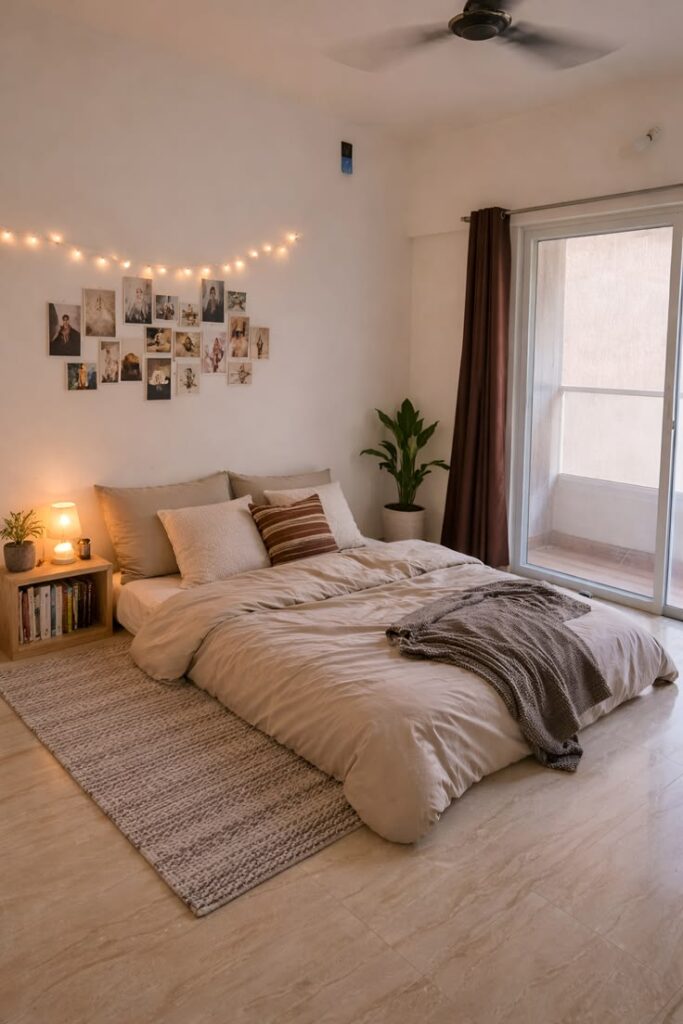
Wait several days before filling an empty area. You may discover that the room already feels complete. A peaceful bedroom reflects your real needs, rather than every passing decor trend.
Create Your Calm Bedroom One Small Step at a Time
A peaceful bedroom does not require perfect habits, professional styling, or an unlimited decorating budget. It begins by identifying the problem that causes your greatest frustration. Perhaps laundry covers the chair every evening.
Maybe harsh lighting makes relaxation difficult. Your room might simply contain more decorations than you can comfortably maintain. Choose one idea that directly addresses that concern.
Clear your nightstand, add warmer lighting, or create a practical clothing system. Complete that small change before beginning another project. Your bedroom will still experience messes because real families live inside real homes.
The goal is not maintaining a flawless space. The goal is making calm easier to restore after demanding days. Choose one cozy bedroom idea today and give yourself the restful space you deserve tonight.
Final Thoughts
Creating a cozy bedroom does not require a large budget, perfect furniture, or endless free time. The best cozy bedroom decor ideas for busy moms make daily life feel calmer, easier, and more comfortable.
Start by identifying the part of your bedroom that causes the most stress. Clear one crowded surface, soften the lighting, or create a simple system for clothing. After completing that change, notice how the room feels before beginning another project.
Small improvements are easier to maintain during busy weeks, sleepless nights, and changing family routines. Your bedroom does not need to look like a perfectly styled picture. It should support your real life while providing a peaceful place to rest and recharge.
Choose comfortable bedding, practical storage, warm lighting, and meaningful decorations that bring genuine happiness. Remove items that create clutter, demand maintenance, or remind you about unfinished responsibilities. Most importantly, allow some open space.
A calmer bedroom gives your mind fewer things to process after an overstimulating day. Some evenings, toys may still reach the floor and laundry may remain unfolded. That does not erase the peaceful foundation you created.
Simple systems help you restore order without sacrificing an entire evening. Remember that your needs deserve consideration within your family home. Your bedroom can become one small place that quietly cares for you.