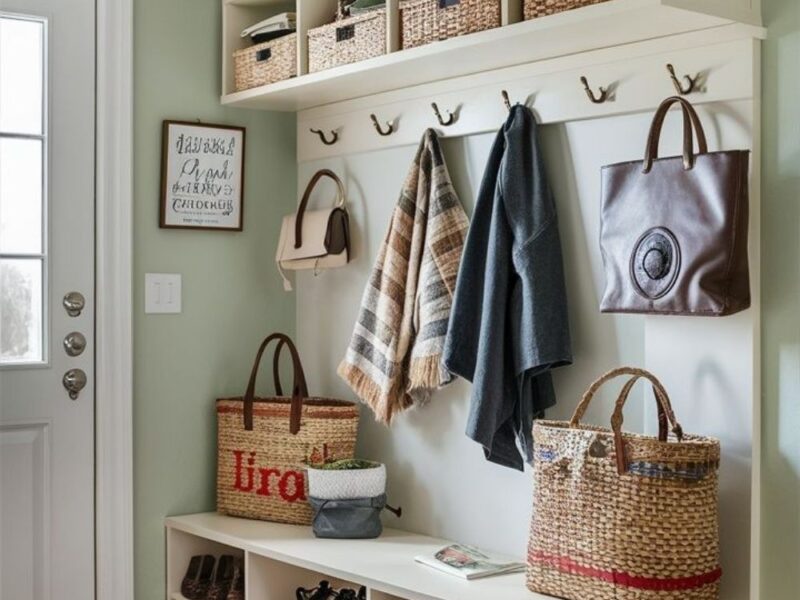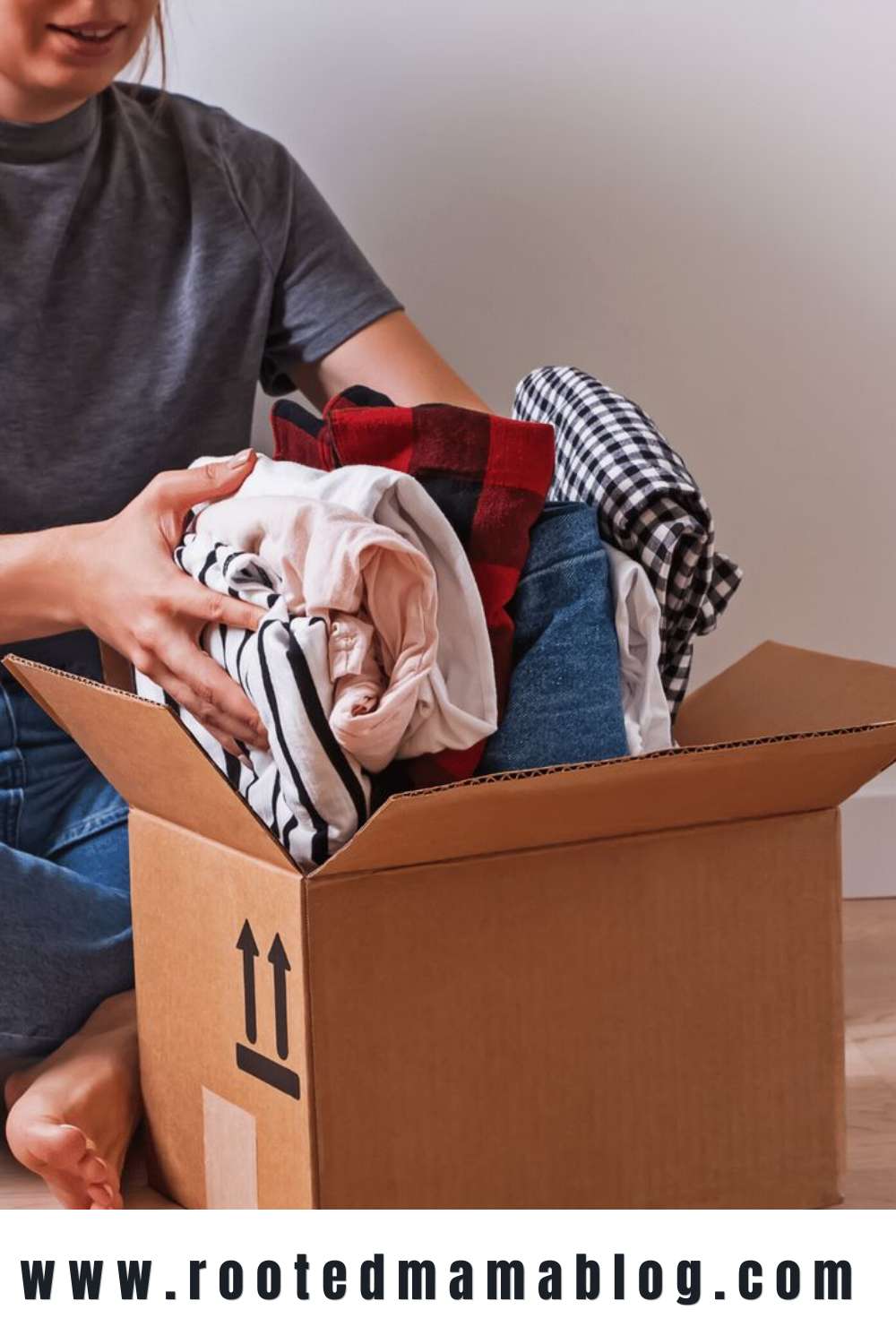
Home Organization Ideas can make chaotic mornings feel easier when your house constantly seems one mess away from overwhelming. One child cannot find a shoe, while someone else needs a clean uniform. Meanwhile, yesterday’s clutter has taken over the kitchen counter, and the laundry basket never stays empty.
If this sounds familiar, you probably do not need a bigger house. You need simple systems that work around real family life. Creating How to Start Meaningful Family Traditions Your Kids Will Remember can also bring comforting structure into a busy family home.
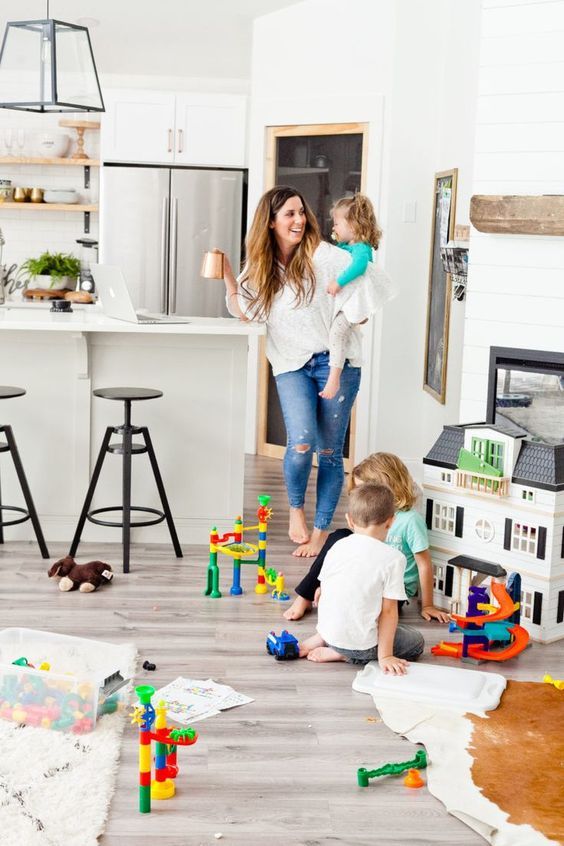
As a busy mom, you may spend hours cleaning without feeling like your home stays organized. You put toys away, clear the counters, and fold clothes. Somehow, everything looks messy again before bedtime.
The problem is often not how much you clean. Instead, many belongings may not have simple places where everyone can return them.
Good Home Organization Ideas should reduce your workload, not create another complicated routine. Simple baskets, clear zones, easy labels, and realistic systems can save valuable time each day.
During busy seasons, these back-to-school traditions that make the first day feel special can also add helpful structure to family life.
Throughout this guide, you will discover 35 practical Home Organization Ideas designed for real, busy families. You will find solutions for kitchens, bedrooms, bathrooms, toys, paperwork, laundry, entryways, and everyday clutter. Most importantly, these ideas do not require a picture-perfect home or an expensive organizing makeover.
The goal is finding the missing shoe faster and clearing the counter without feeling overwhelmed. If you are tired of constantly moving clutter from one place to another, keep reading. One of these simple ideas could become the change you wish you had tried years ago.
35 Home Organization Ideas Busy Moms Will Wish They Tried Sooner
You do not need to reorganize your entire home in one exhausting weekend. Instead, begin with the area causing the most frustration each day. These Home Organization Ideas focus on small changes that make everyday family life easier.
Some solutions may take ten minutes, while others may need an afternoon. Each one can reduce the time spent searching, sorting, cleaning, and moving clutter.
1. Create a Drop Zone Near the Entrance
The entrance often becomes the first place where clutter begins. Shoes land beside the door, while bags quickly reach the floor. Keys disappear under papers, and school items somehow travel into different rooms.
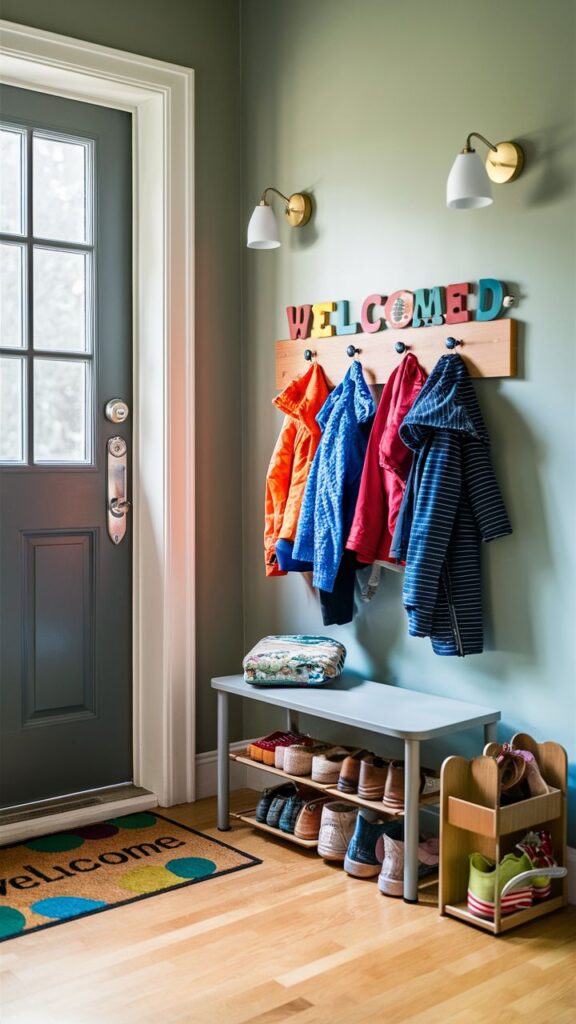
Create one simple drop zone for everything your family carries home. Use hooks for bags, a small tray for keys, and baskets for shoes. Give each family member a specific space whenever possible.
This system makes busy mornings easier because important items stay together. The best Home Organization Ideas solve problems where they naturally happen. If your children remove their shoes beside the door, store their shoes there.
Avoid creating systems that require everyone to walk across the house. Organization works better when it follows your family’s existing habits.
2. Give Every Room a Clutter Basket
Sometimes, objects end up in the wrong room because nobody wants to return them immediately. A toy appears in the kitchen, while a charger somehow reaches the bathroom. Place one attractive basket in your busiest rooms for misplaced items.
Throughout the day, drop stray belongings inside instead of leaving them across surfaces.

Once daily, return everything inside each basket to its proper place. This simple habit prevents small messes from spreading throughout your home.
It also makes evening cleanup faster when you already feel tired. For families expecting a new baby, practical systems become even more valuable. These 35 Things Every First-Time Mom Should Know Before Baby Arrives can help you prepare for major household changes.
3. Follow the One-Minute Rule
Tiny tasks often become bigger problems because we keep postponing them. If something takes less than one minute, handle it immediately. Hang the jacket, put away the cup, and return the scissors. Throw away empty packaging instead of leaving it on the counter.
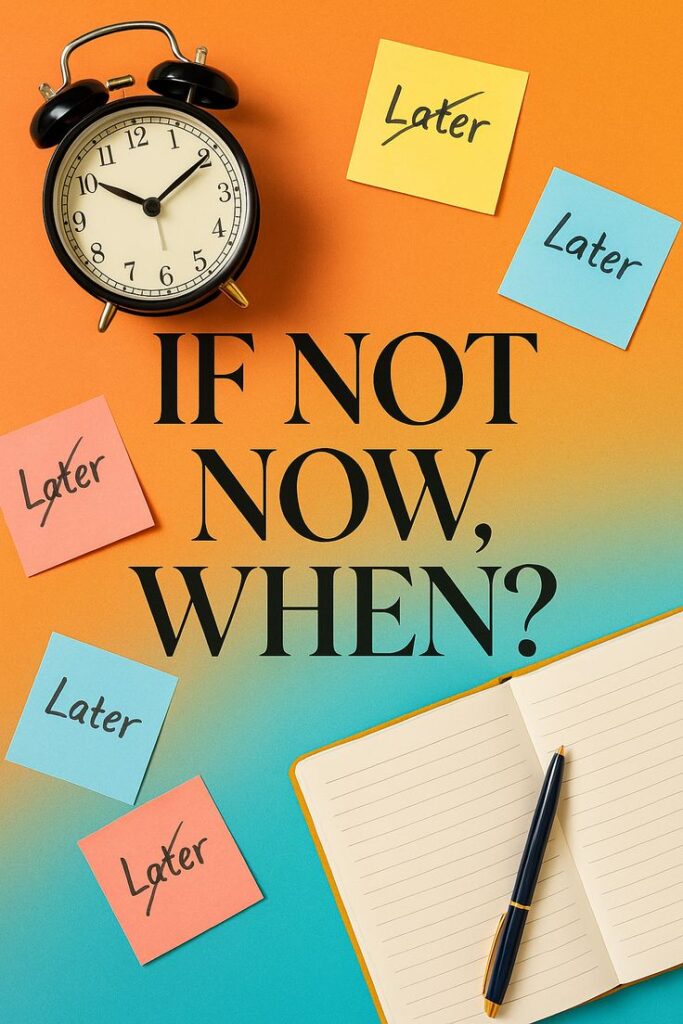
This habit prevents dozens of small objects from becoming one overwhelming mess later. Among all Home Organization Ideas, this one requires no expensive baskets or storage containers.
It simply changes how you respond to small messes during your day. Over time, those quick actions can noticeably reduce visible clutter.
4. Create a Family Command Center
School papers, appointment reminders, shopping lists, and permission slips can quickly cover your kitchen counters. Create one central place for important family information.
Use a calendar, paper tray, notice board, and small folder system. Keep everything visible without allowing paperwork to spread across several rooms.
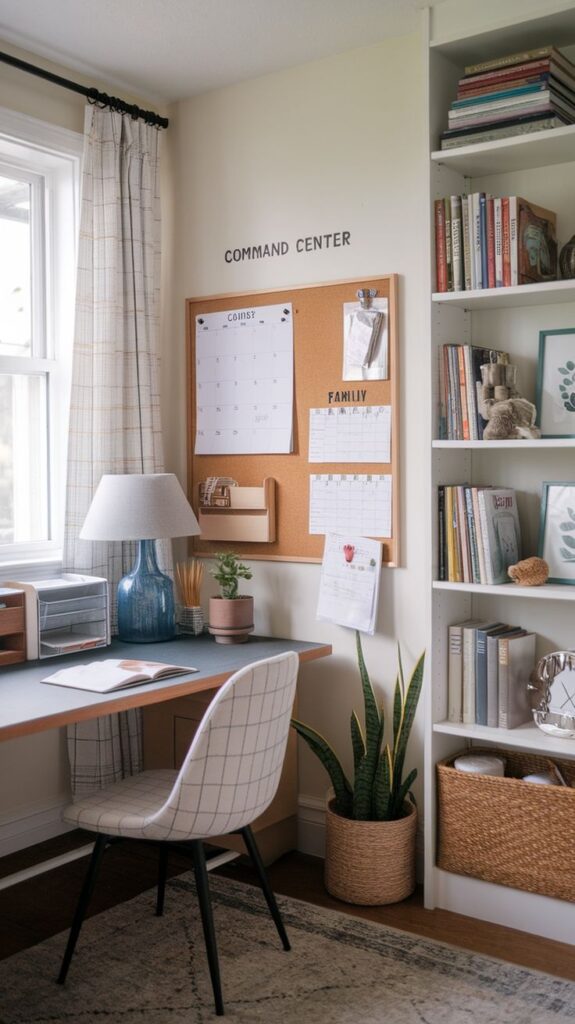
Check your command center every morning or evening and remove outdated papers immediately. A simple family command center can prevent forgotten appointments and missed school activities.
It also gives everyone one reliable place to check upcoming plans. This system becomes especially helpful when several family members have different schedules.
5. Organize Your Home Around Daily Routines
Your organization system should support how your family actually lives. Place breakfast items together if mornings always feel rushed. Keep bath supplies near the bathroom and school items near the homework area. Store frequently used belongings where your family naturally reaches for them.
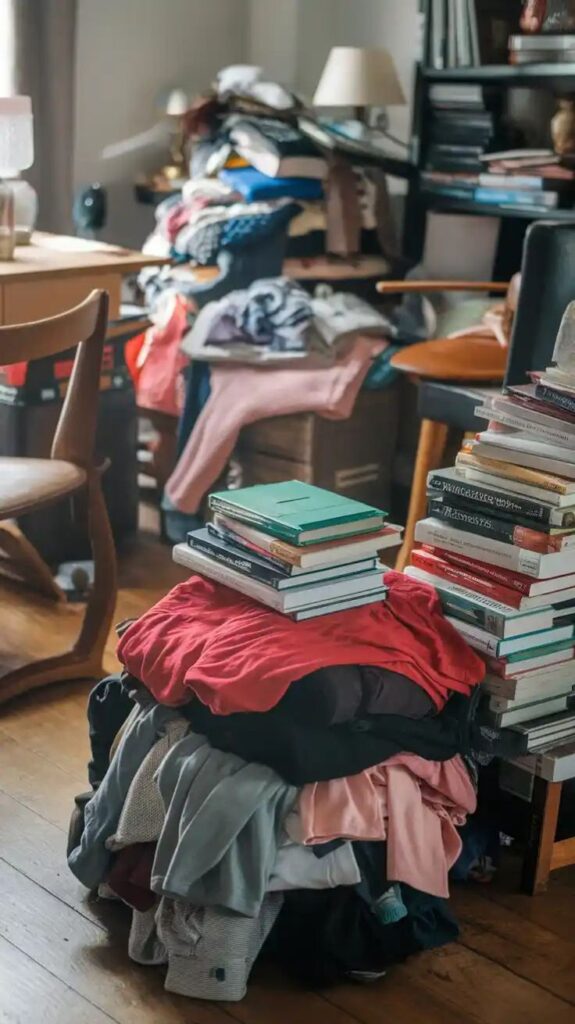
For younger children, predictable routines can also reduce daily confusion. Learning how to build a daily routine that helps babies and toddlers thrive can support a calmer household rhythm. The most useful Home Organization Ideas should work alongside your routine. They should never make simple daily tasks more complicated.
6. Use Clear Containers for Frequently Used Items
Clear containers make it easier to see what you already own. They work especially well inside pantries, refrigerators, cupboards, and craft areas. You can quickly notice when something needs replacing before it completely runs out. They also prevent forgotten products from disappearing behind other items.
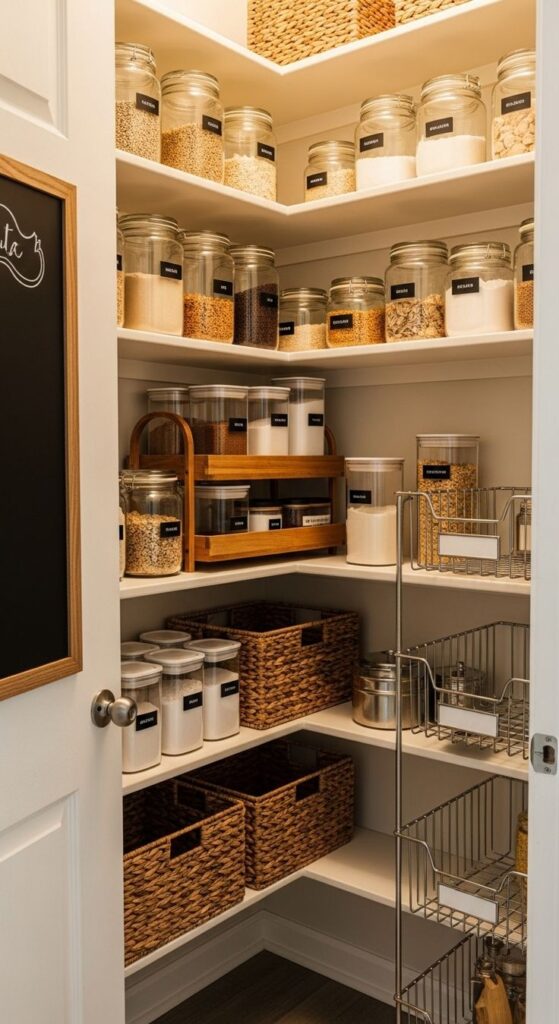
You do not need to transfer every product into matching containers. That can create more work than necessary. Use clear storage only where it genuinely improves visibility and access. Good organization should save time rather than create another household task.
7. Create a Simple Snack Station for Children
Children asking for snacks throughout the day can interrupt an already busy schedule. Create one accessible snack area with approved options. Use a low drawer, basket, or pantry shelf that children can reach safely. You can also create a small refrigerator section for chilled snacks.
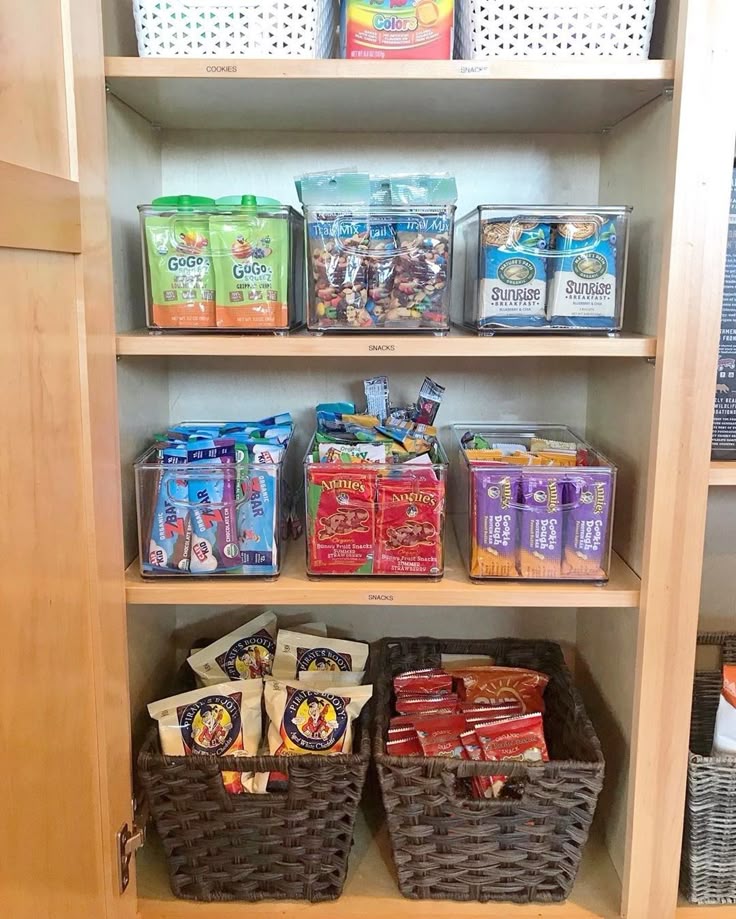
This system encourages independence while reducing repeated kitchen searches. It also keeps snack packaging from spreading across several cupboards. Choose simple categories instead of creating an overly complicated arrangement. Restock the station during your weekly grocery routine.
8. Declutter Before Buying More Storage
Storage containers can make clutter look organized without actually reducing it. Before buying another basket, remove items you no longer need. Check for broken objects, duplicates, unused products, and outgrown belongings. Then organize what remains.
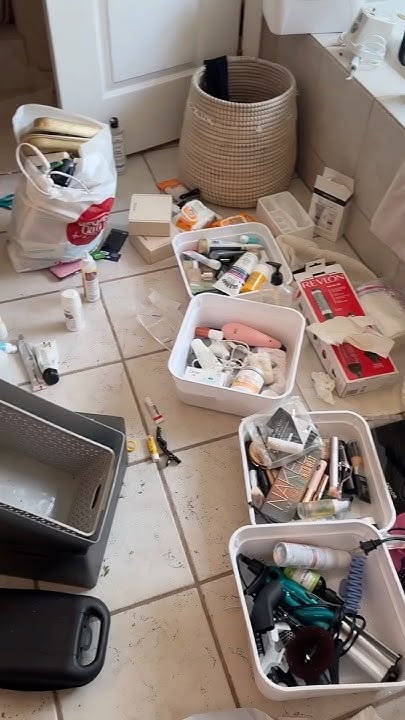
Many Home Organization Ideas fail because too many belongings compete for limited space. Sometimes, the solution is not another beautiful container. It is simply owning fewer things. If clutter repeatedly returns after cleaning, there may be a deeper reason. Discover why your home keeps getting cluttered and how to fix it before spending more money on storage.
9. Keep a Permanent Donation Basket
Decluttering becomes easier when unwanted items have somewhere to go immediately. Keep one donation basket inside a cupboard, laundry room, or storage area. When clothing no longer fits, place it inside. Add toys your children have outgrown and household items nobody uses.
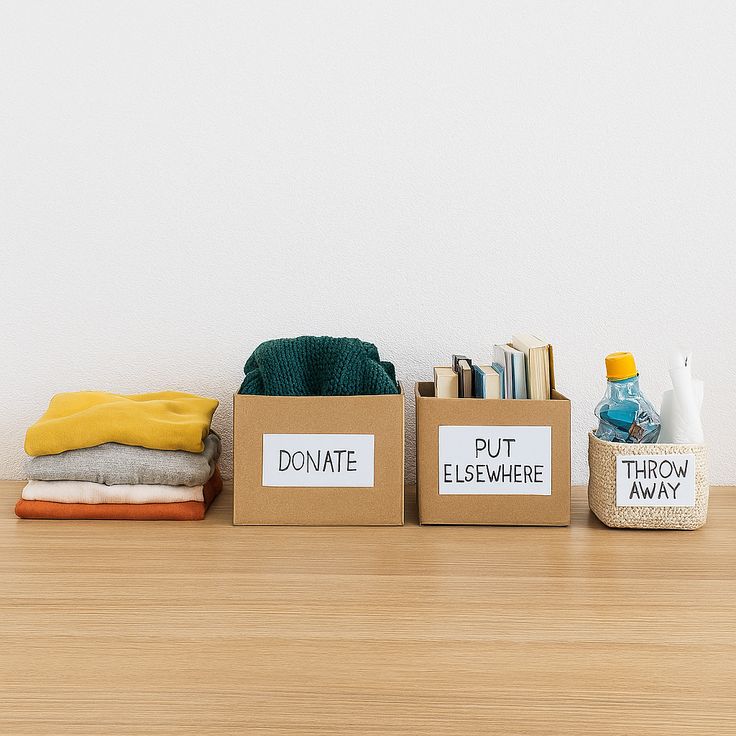
Once the basket becomes full, donate everything as soon as possible. This system prevents unwanted belongings from returning to drawers and cupboards. It also turns decluttering into an ongoing habit instead of a stressful yearly project. Small decisions throughout the month can prevent major clutter later.
10. Divide Messy Drawers Into Categories
A large drawer can quickly become a collection of unrelated objects. Use small containers or drawer dividers to create simple sections. Keep similar items together so everyone knows exactly where they belong. You can even reuse small boxes instead of buying expensive organizers.
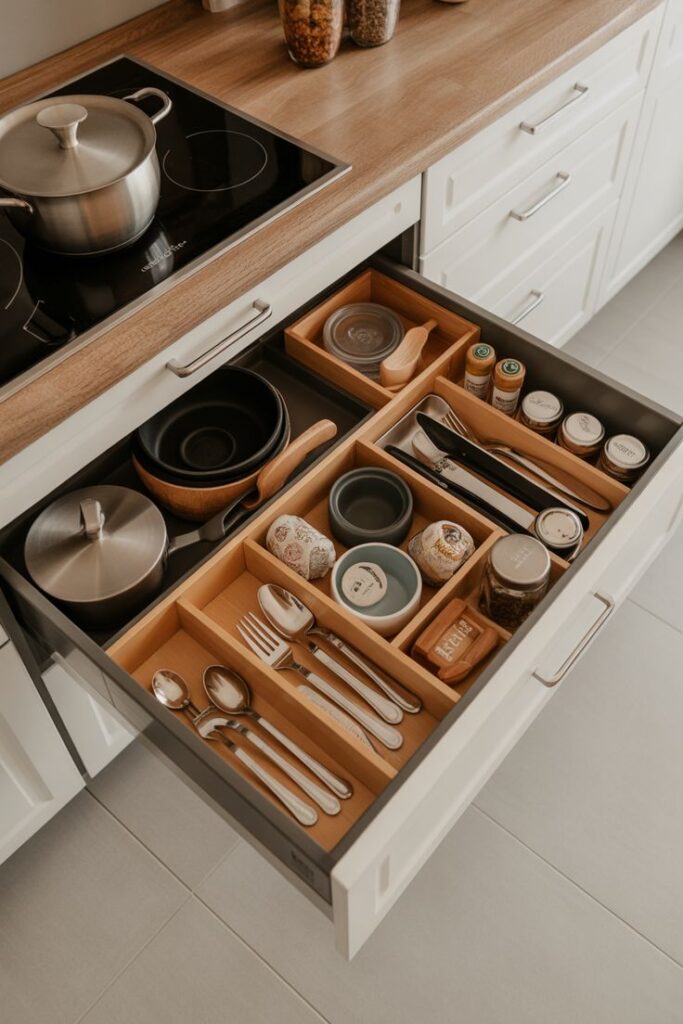
n the kitchen, separate cooking tools according to purpose. In bedrooms, divide socks, underwear, and accessories. In bathrooms, separate hair products from skincare products. These Home Organization Ideas make everyday items easier to find and return.
11. Store Items Where You Actually Use Them
Many homes feel disorganized because items are stored too far from where they are needed. Keep cleaning cloths near the areas you clean regularly. Store children’s art supplies near their activity space. Place extra bedding close to bedrooms and outdoor items near the appropriate door.
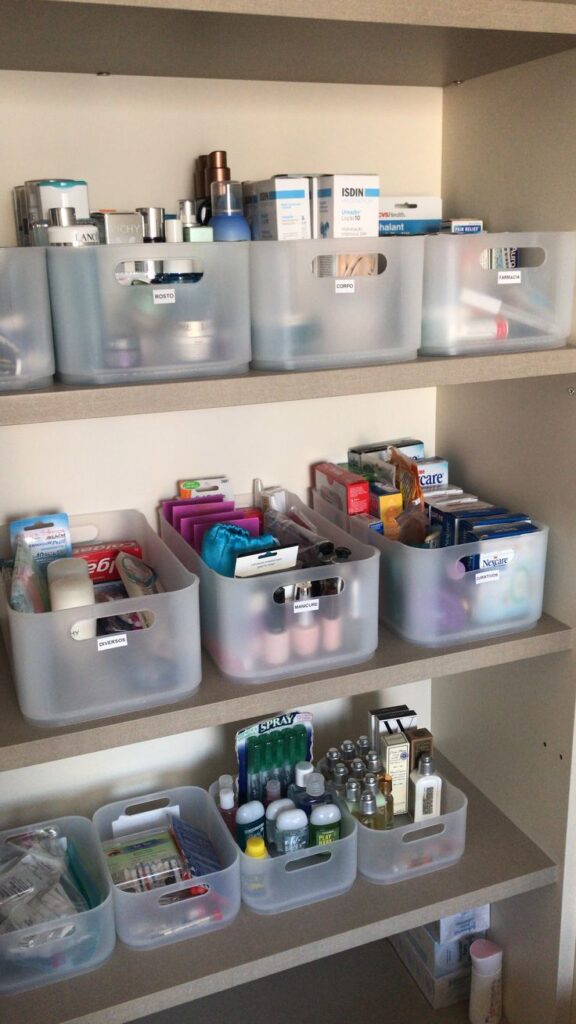
Your storage location should reduce unnecessary movement around the house. Think about where you naturally use an item before choosing its permanent home. This simple change can make everyday routines feel much smoother. It also makes returning items easier for everyone.
12. Create a Five-Minute Evening Reset
You do not need an hour-long cleaning routine every night. Set a timer for five minutes and involve everyone who can help. Return visible items to their proper places, clear important surfaces, and put shoes away. Ask children to return toys to their baskets.
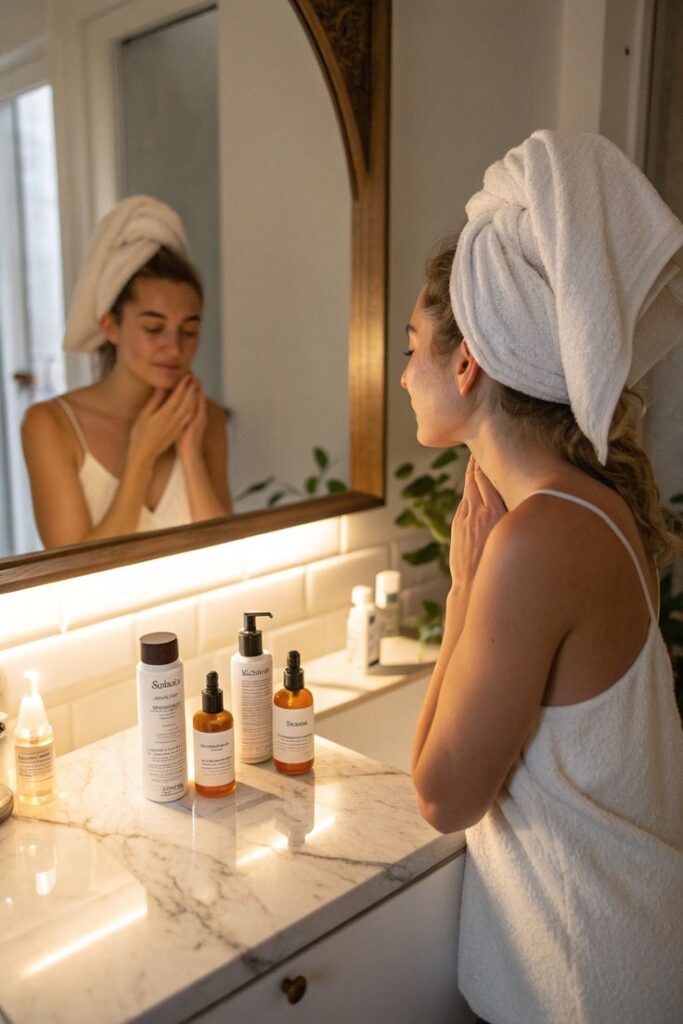
A short reset prevents yesterday’s clutter from becoming tomorrow morning’s problem. You can make the routine more enjoyable with music or a family challenge. Families reducing device use may also enjoy learning how to create a screen-free routine your kids will actually enjoy. Small evening habits can create noticeably calmer mornings.
13. Use Empty Vertical Space
When floor space feels limited, look upward for additional storage. Install shelves above desks, toilets, washing machines, or unused wall areas. Use wall hooks for bags, hats, cleaning tools, and lightweight baskets. Over-door organizers can also create valuable storage without using floor space.
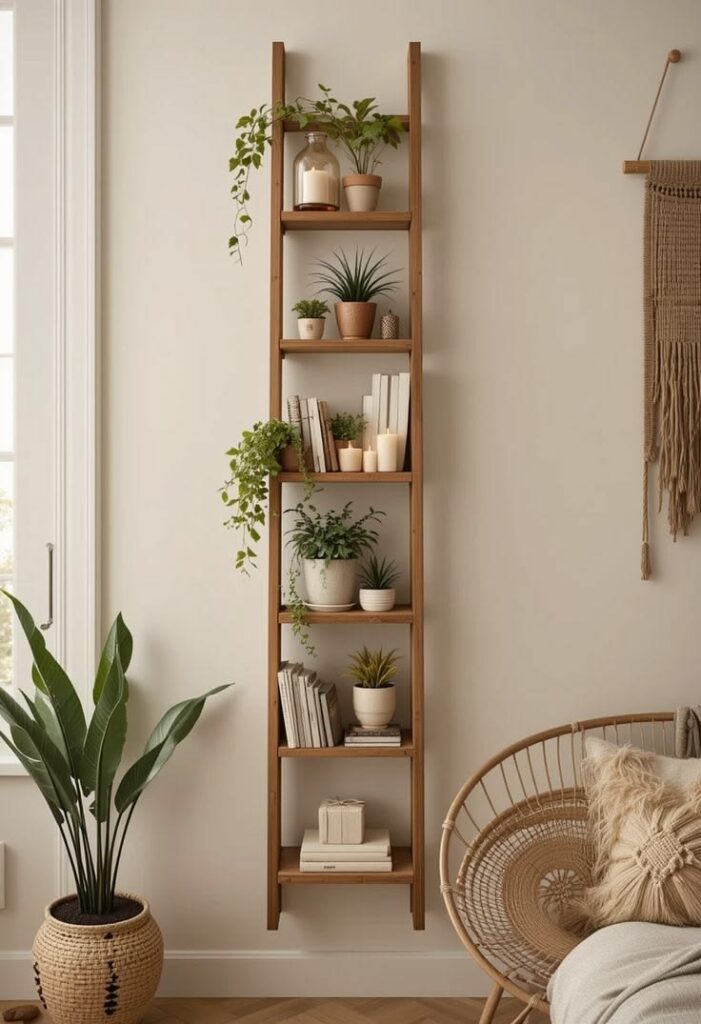
Vertical storage works especially well in smaller homes and crowded family spaces. It keeps frequently used items accessible without covering counters and floors. Before adding shelves, decide exactly what you plan to store there. This prevents vertical storage from becoming another place for random clutter.
14. Give Toys Broad Categories
Complicated toy organization systems often fail because children cannot maintain them. Instead of creating fifteen tiny categories, keep the system simple. Use broad groups like blocks, dolls, cars, puzzles, and art supplies. Add picture labels for younger children who cannot read yet.

Large baskets can make cleanup much faster after playtime. The easier the system feels, the more likely children will actually use it. Successful Home Organization Ideas should work for everyone living inside the home. A beautiful system means little when nobody can maintain it.
15. Rotate Toys Instead of Displaying Everything
Too many toys can make playtime overwhelming and cleanup exhausting. Keep some toys available and store the rest somewhere safe. Every few weeks, rotate the selection and bring different toys back. Previously stored toys often feel exciting again without requiring another shopping trip.
This approach reduces visible clutter without forcing you to remove every toy permanently. It also makes cleanup easier because fewer items remain available at once. Pay attention to which toys your children genuinely enjoy. You may discover several forgotten toys that can leave your home completely.
16. Create One Home for School Supplies
Pens, pencils, notebooks, rulers, and glue can easily spread throughout the house. Choose one permanent location for school and homework supplies. Use a drawer, rolling cart, cupboard, or divided container. Keep the system simple enough for children to maintain independently.
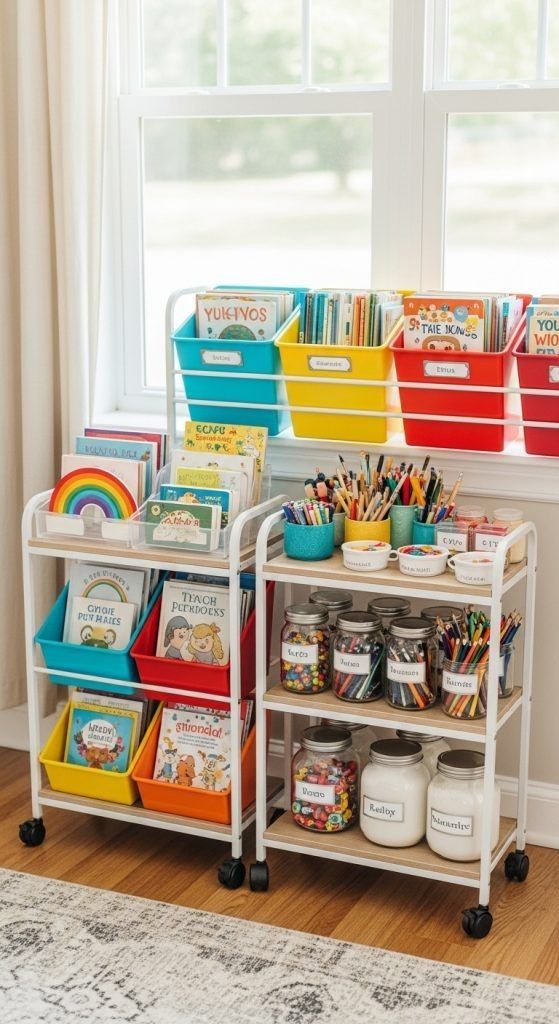
Teach children to return supplies after completing homework or creative projects. This simple habit reduces stressful last-minute searches. It also helps you see what needs replacing before an important school project begins. A well-stocked homework area can make busy evenings feel more manageable.
17. Keep Birthday Supplies Together
Birthday candles, gift bags, decorations, ribbons, and wrapping supplies often disappear between celebrations. Create one birthday storage box for reusable party essentials.
Keep everything together so you can quickly see what you already own. This prevents unnecessary last-minute shopping.
You can also make celebrations memorable without creating financial pressure. Discover how to make birthdays feel special without spending too much for practical family celebration ideas.
Useful Home Organization Ideas should make special occasions easier to prepare. One organized celebration box can save surprising amounts of time.
18. Use a Laundry Basket for Each Family Member
Clean laundry can become another pile waiting for someone to sort it. Give each family member a basket whenever your space allows. Sort clean clothes directly into the correct basket after drying. Older children can carry their baskets and put their clothes away.

This approach reduces repeated sorting and makes laundry responsibilities easier to share. You can also label baskets for younger children. Choose a system that matches your household size and available space. The goal is reducing the amount of laundry work falling on one person.
19. Create a Lost-and-Found Basket
Random objects often appear without an obvious home. Instead of leaving them on counters, create a small family lost-and-found basket. Place mystery items inside until their owners claim them. Ask everyone to check the basket regularly.
This system works especially well for tiny toys, hair accessories, chargers, socks, and school items. Empty the basket weekly to prevent another clutter collection from forming. Anything repeatedly appearing there may need a permanent storage location. That small observation can reveal weaknesses in your current organization system.
20. Keep Cleaning Supplies in Useful Zones
Carrying one cleaning basket throughout the entire house can become inconvenient. If possible, keep basic supplies near frequently cleaned areas. Store bathroom products safely inside the bathroom and kitchen supplies inside a secure cupboard. Always keep hazardous products beyond children’s reach.

Zoned cleaning supplies make quick cleaning easier during busy days. You can handle small messes before they become bigger jobs. This is one of those Home Organization Ideas that saves small amounts of time repeatedly. Those saved minutes can make a noticeable difference during a busy week.
21. Organize the Refrigerator by Purpose
A crowded refrigerator can hide forgotten food until it becomes unusable. Create simple zones for leftovers, snacks, breakfast items, produce, and drinks. Place foods that need eating soon where everyone can see them. Use one container for items approaching their expiry dates.
Check that container before planning meals or buying more groceries. This system can reduce food waste and unnecessary spending. It also makes preparing quick meals easier when your day becomes unexpectedly busy. Avoid creating too many categories because simple refrigerator zones are easier to maintain.
22. Create a Weekly Meal Planning Station
Deciding what to cook can become exhausting after a long day. Keep a simple weekly meal plan somewhere visible. You can use a small board, notebook, or printed planner. Check your pantry and refrigerator before choosing meals for the week.
Then, build your shopping list around what you already own. This organization habit reduces repeated decisions during busy evenings. It can also prevent buying ingredients that eventually go unused. Keep your meal plan flexible because family schedules can change unexpectedly.
23. Keep Countertops Mostly Clear
Clear counters can instantly make a room feel calmer and easier to use. Keep only frequently used items on display. Store occasional appliances inside cupboards whenever possible. Remove paperwork, toys, empty containers, and unrelated objects before they become permanent fixtures.
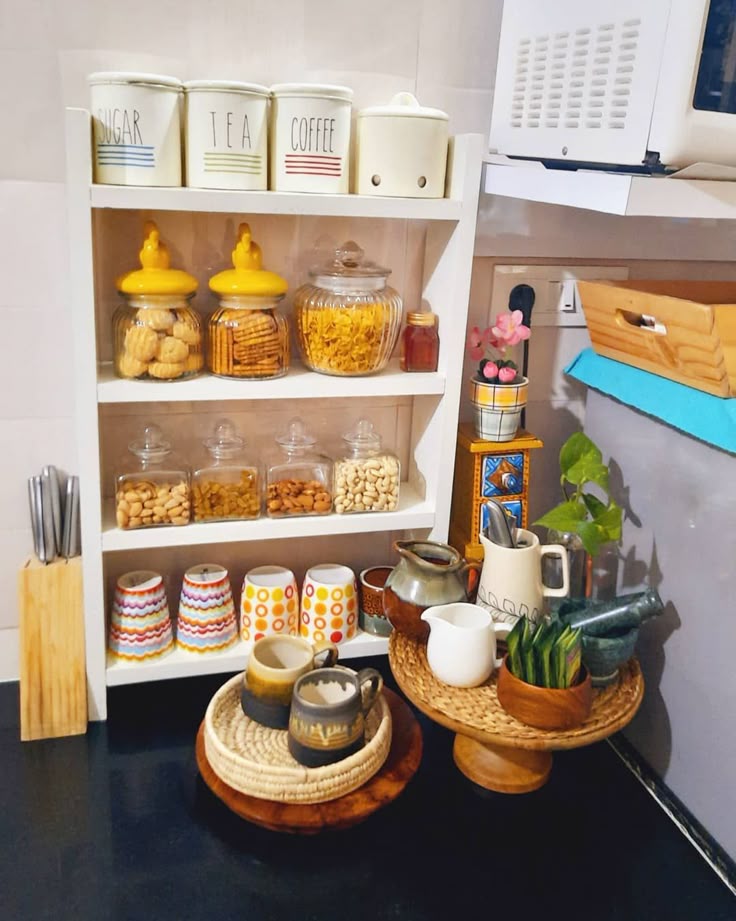
You do not need completely empty surfaces. Instead, protect enough open space for everyday activities. This is one of the simplest Home Organization Ideas for creating immediate visual calm. Clear surfaces also make daily cleaning much faster.
24. Create an Outdoor Family Zone
Outdoor items can quickly take over entrances, hallways, and living spaces. Create one area for balls, outdoor toys, gardening supplies, and picnic items. Use durable baskets or containers that can handle regular family use. Keep frequently used items easy to reach.
If you have a small patio, combine organization with comfortable seating. These affordable outdoor seating ideas for small spaces that look stylish can help create a practical family area. Organized outdoor storage makes spontaneous playtime and family gatherings easier. Everyone also knows where outdoor belongings should return.
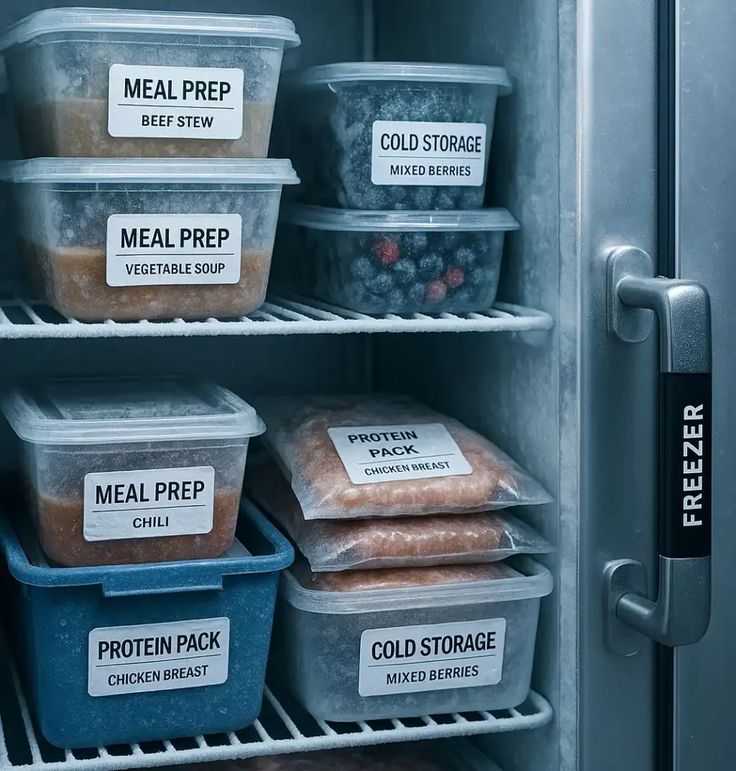
25. Use Labels Only Where They Help
Labels can make organization easier, but you do not need them everywhere. Label containers when family members frequently forget where things belong. Use simple words or pictures that everyone can understand. Avoid creating an overly detailed system that becomes difficult to maintain.
@Inst
The purpose of labels is clarity, not decoration. If everyone already understands a storage area, additional labels may not help. Use them strategically in shared spaces, toy areas, pantries, and storage cupboards. A simple label can remove repeated questions about where something belongs.
26. Create One Paper Inbox
Paper clutter often grows because every document feels temporarily important. Create one inbox for incoming papers and documents. Place bills, school notices, receipts, forms, and letters inside. Review the inbox on a specific day every week.
File important documents and complete necessary actions immediately. Recycle papers you no longer need. This prevents paperwork from covering tables, kitchen counters, and bedroom surfaces. One reliable paper system is easier to manage than several random piles.
27. Keep a Small Memory Box for Each Child
Children bring home artwork, certificates, cards, and special projects throughout the year. Keeping everything can quickly become overwhelming. Give each child one memory box for their most meaningful items. Choose what to keep together whenever possible.
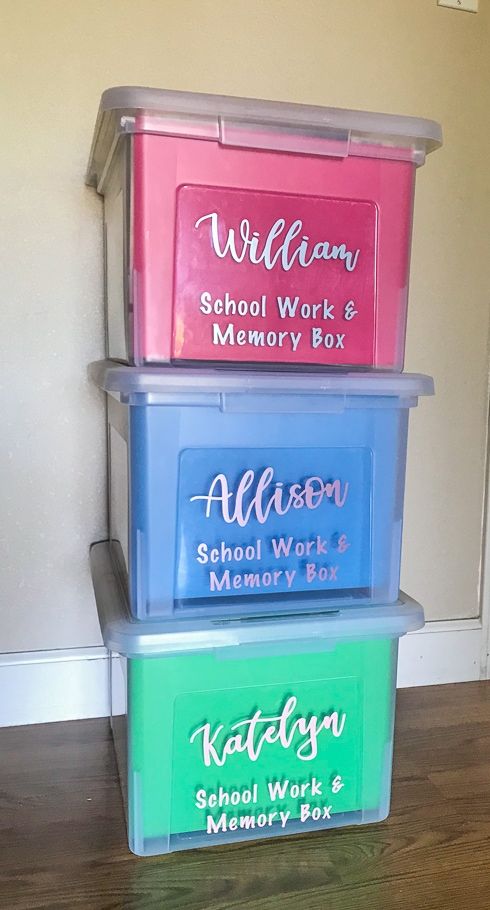
Photograph oversized projects before letting them go. This allows you to preserve special memories without filling several cupboards. When the box becomes full, review older items before adding more. A limited space can make choosing meaningful keepsakes easier.
28. Create a Guest-Ready Storage Area
Hosting becomes stressful when you cannot find spare bedding, towels, or serving items. Keep guest essentials together in one reliable place. Use one cupboard, shelf, or labeled container. Include anything you regularly need when friends or relatives visit.
This simple preparation makes unexpected visitors easier to welcome. If you recently moved, organized hosting supplies can also simplify celebrations. These housewarming party ideas with fun ways to celebrate your new home can inspire your first gathering. Preparing ahead can make hosting feel less overwhelming.
29. Try the One-In, One-Out Rule
Some categories grow quickly without anyone noticing. Clothes, toys, mugs, shoes, and beauty products are common examples. When one new item enters, consider removing one older item. Donate usable belongings instead of allowing every category to expand.
This does not need to become a strict rule for everything. Use it for categories that regularly overflow. It helps maintain the progress created by your favorite Home Organization Ideas. Preventing clutter is often easier than repeatedly removing large amounts later.
30. Make Everyday Items Easy to Return
A storage system often fails when returning an item feels difficult. Avoid stacking frequently used objects behind several other things. Do not place children’s everyday belongings on unreachable shelves. Keep common items accessible and easy to return.
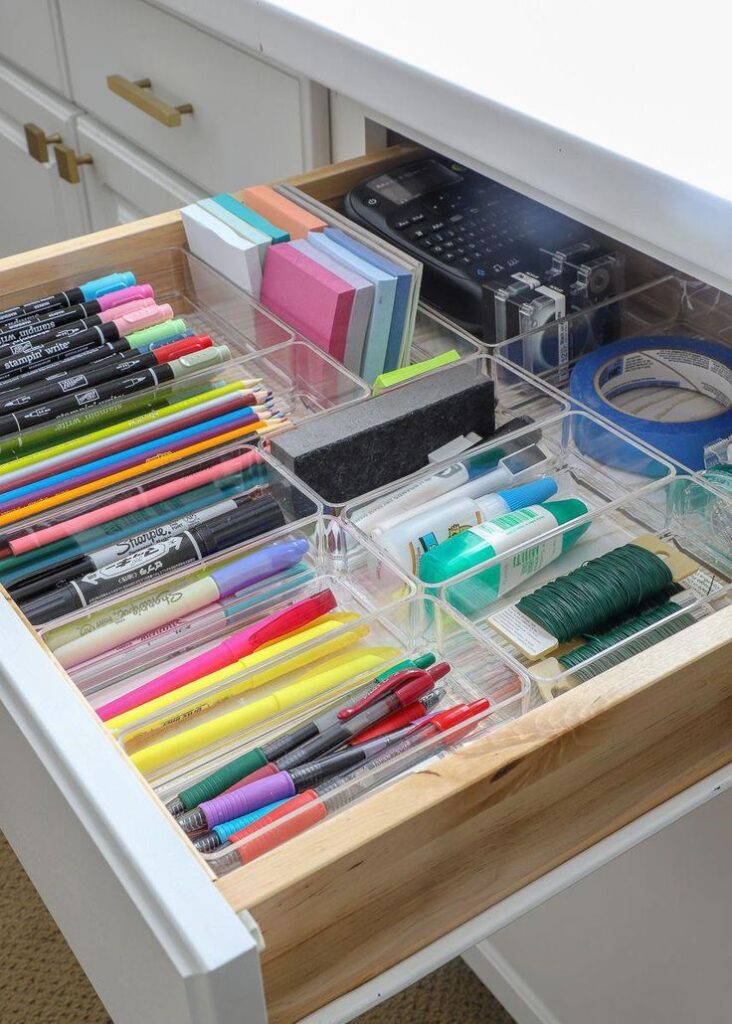
Simple storage encourages everyone to participate in maintaining the home. Open baskets often work better than complicated containers for frequently used belongings. The easier cleanup feels, the more likely people will actually do it. This reduces the amount of tidying left for one person.
31. Organize One Problem Area Each Week
Trying to organize your entire home at once can become exhausting. Choose one small problem area every week instead. Start with the messiest drawer, then tackle the bathroom cupboard next week. After that, organize school supplies or one kitchen shelf.
Small progress builds momentum without taking over your entire weekend. These Home Organization Ideas work best when introduced gradually. You also have time to notice whether each new system actually works. If something fails, adjust it before moving to another area.
32. Create a Simple Sunday Reset
Use part of Sunday to prepare for the coming week. Check school bags, review appointments, and plan several meals. Restock important household items before they completely run out. Prepare clothing when weekday mornings regularly feel rushed.
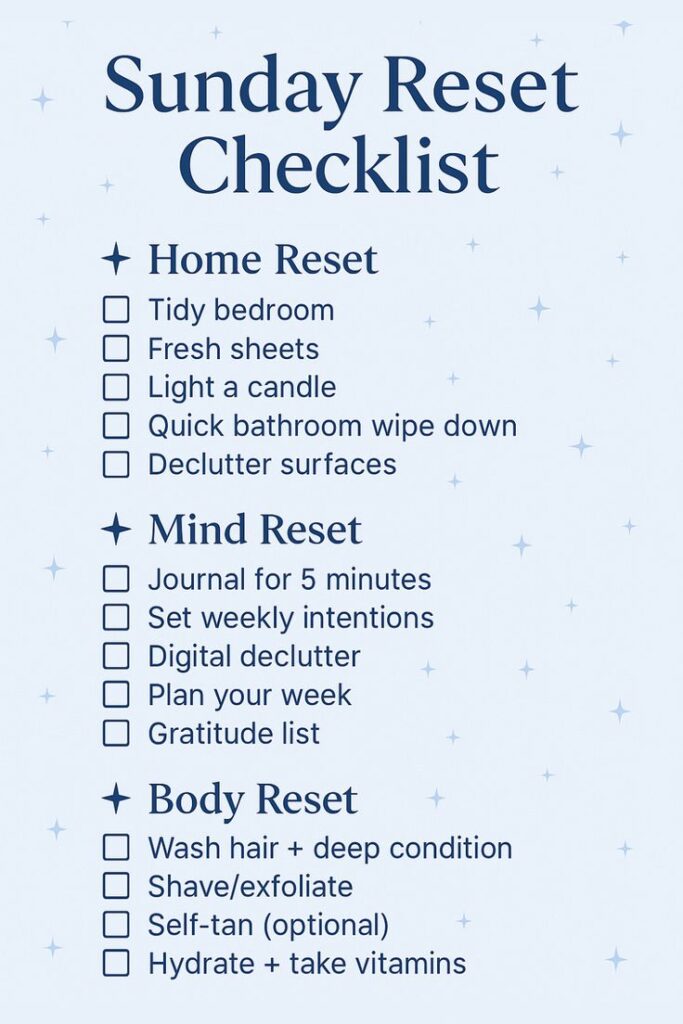
A weekly reset can prevent several small problems from appearing at once. Keep the routine short enough to maintain consistently. You do not need to prepare every detail of the coming week. Focus on the tasks that usually create the most stress.
33. Let Children Help Maintain the System
Children can participate in age-appropriate household organization. Young children can place toys inside baskets after playing. Older children can organize school supplies, return shoes, and put away laundry. Do not expect perfect results from the beginning.
The goal is building shared responsibility over time. When everyone contributes, maintaining the home becomes less dependent on one person. Give children simple jobs they can complete successfully. Clear expectations usually work better than repeatedly asking everyone to tidy everything.
34. Stop Organizing for an Imaginary Lifestyle
Your home should support the life you actually live. Do not create complicated systems because they look beautiful online. If your family never folds certain clothes, consider using labeled baskets. If everyone drops bags near the entrance, install hooks there.

If toys always reach the living room, create practical storage nearby. The best Home Organization Ideas feel realistic even on your busiest days. Your home does not need to copy someone else’s routine. It needs to make your own family life easier.
35. Build Systems You Can Actually Maintain
The perfect organization system is useless when maintaining it feels exhausting. Choose simple solutions, use fewer categories, and keep everyday items accessible. Remove belongings that no longer serve your family. Most importantly, adjust systems that stop working.
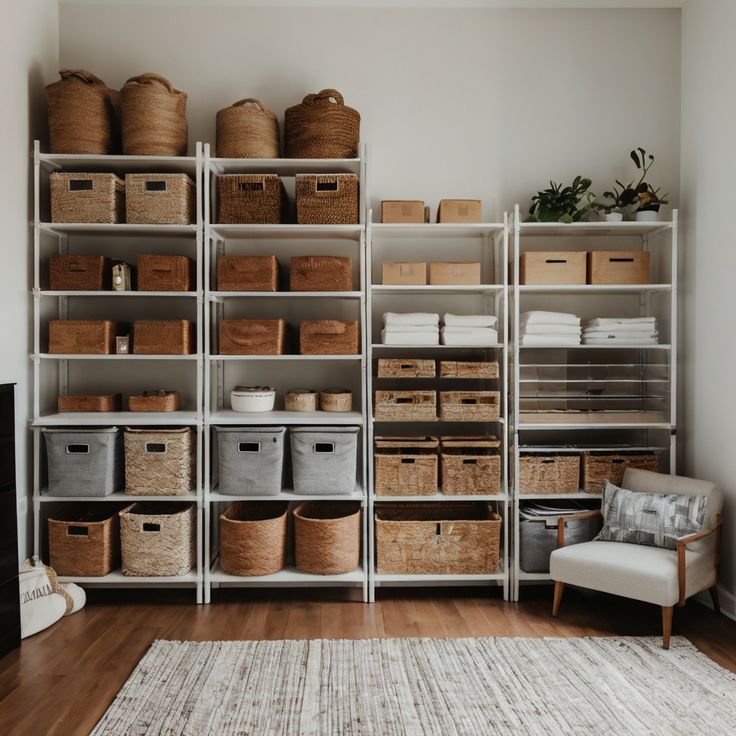
Your family will change over time. Children grow, schedules shift, and your household needs evolve. Your organization system should change alongside those changes. A flexible home is often easier to maintain than a perfectly arranged one.
Final Thoughts
A more organized home does not require perfect rooms, expensive containers, or endless cleaning. It requires simple systems that reduce repeated frustration. Start with the place causing the most stress today. Maybe that is your entrance, kitchen counter, laundry area, or children’s toy collection.
Choose one idea and try it this week. Then, notice what becomes easier. The most effective Home Organization Ideas are not always the prettiest systems. They help you find what you need, clean faster, and reduce unnecessary decisions.
You do not need to complete all 35 ideas immediately. Pick three that solve your biggest problems and test them for several weeks. Adjust anything that feels difficult to maintain. Your home will still become messy because real people live there.
The goal is creating a home that can return to order without requiring hours of work. So, choose your first problem area today. Clear one drawer, add one basket, or create one useful zone. Your future self may wonder why you did not try these Home Organization Ideas sooner.