
Screen-Free Routine Your Kids can enjoy may feel impossible when tablets, televisions, and phones have become part of everyday life. Many parents know the struggle of hearing complaints the moment screen time ends. Children often say they are bored, wander around the house, or immediately ask for another device.
It can leave you wondering whether reducing screen time is even worth the effort. The good news is that children usually need engaging alternatives, not constant entertainment. Creating meaningful family traditions your kids will remember can naturally replace some screen time while bringing your family closer together.
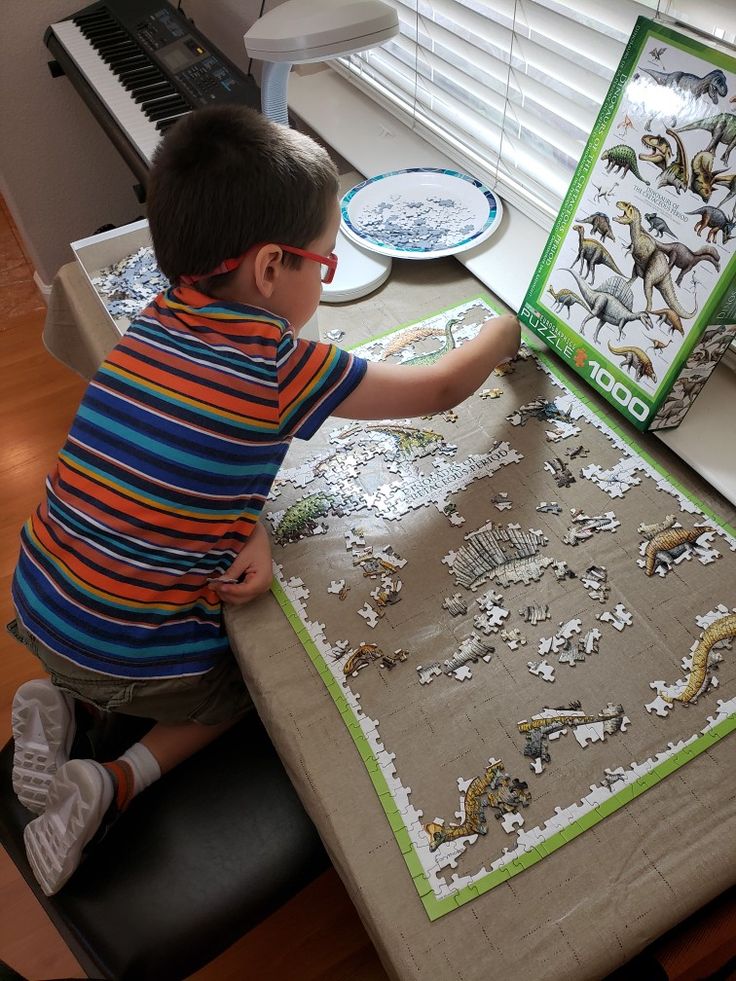
A successful Screen-Free Routine Your Kids will love does not begin by removing every device overnight. Instead, it starts by creating simple habits that make books, games, crafts, outdoor play, and family conversations feel exciting again.
Small changes often work better than strict rules because children have time to adjust without feeling punished. If your younger children already follow predictable habits, How to Build a Daily Routine That Helps Babies and Toddlers Thrive can also help you create a calmer daily schedule that supports screen-free activities.
In this guide, you will discover practical ways to build a Screen-Free Routine Your Kids will actually enjoy instead of resisting. You will learn how to replace screen time with meaningful activities, encourage independent play, and create routines that feel realistic for busy families.
The goal is not to eliminate technology completely. It is to help your children enjoy a healthier balance between screens, creativity, movement, and family connection.
1. Start With Small Changes Instead of Big Rules
Many parents make the mistake of removing every screen overnight. This often creates frustration because children feel something enjoyable has suddenly disappeared. A better approach is making gradual changes that everyone can adjust to comfortably.

Begin by reducing screen time by fifteen or twenty minutes each day. Replace that time with something enjoyable instead of simply taking devices away. A successful Screen-Free Routine Your Kids will accept should feel exciting rather than restrictive. Small victories build confidence and encourage children to accept bigger changes later.
2. Create a Predictable Daily Routine
Children thrive when they know what happens next. A predictable schedule reduces boredom because children expect different activities throughout the day. Include reading, outdoor play, crafts, quiet time, meals, and family conversations.

A consistent Screen-Free Routine Your Kids can depend on makes transitions much easier. Children stop asking for devices every few minutes because they already know what comes next. Predictable routines also reduce daily arguments about screen time.
3. Build an Activity Basket
Children often say they are bored because they cannot think of something to do. Fill a basket with coloring books, puzzles, LEGO bricks, craft supplies, books, stickers, and simple games. Rotate the contents every few weeks to keep everything interesting.
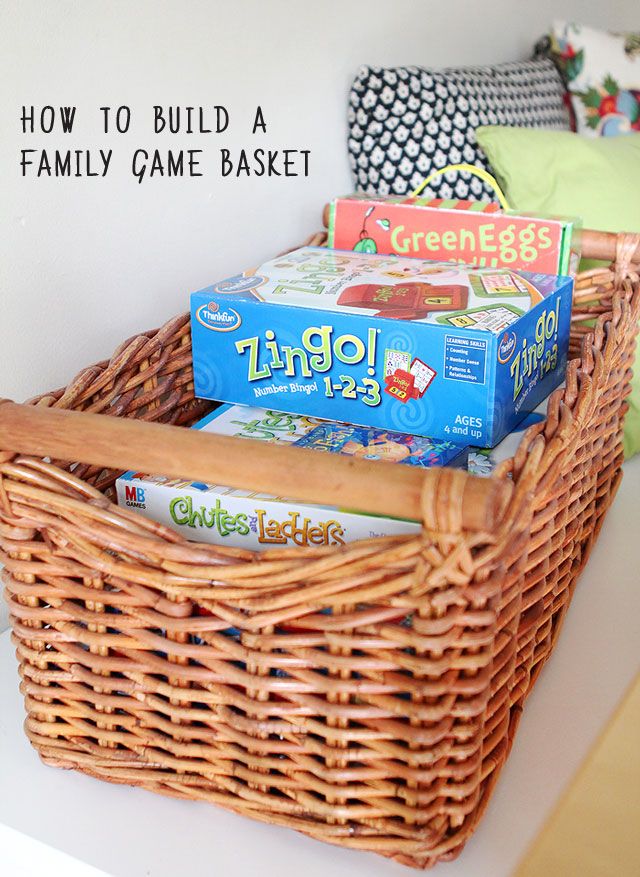
An activity basket encourages independent play without requiring constant parent involvement. It also makes your Screen-Free Routine Your Kids enjoy much easier because fun options stay within easy reach.
4. Let Children Help Choose Activities
Children become more excited when they help make decisions. Ask them which screen-free activities they would enjoy trying each week. They may choose baking, painting, puzzles, dancing, gardening, or building forts.

Allowing children to participate creates ownership. A Screen-Free Routine Your Kids help create feels less like a punishment and more like a family project. They become partners instead of feeling controlled.
5. Create Fun Family Challenges
Friendly competitions quickly replace boredom with excitement. Challenge everyone to read books, complete puzzles, build the tallest block tower, or finish a scavenger hunt. Offer simple rewards like choosing the next family movie or dessert.
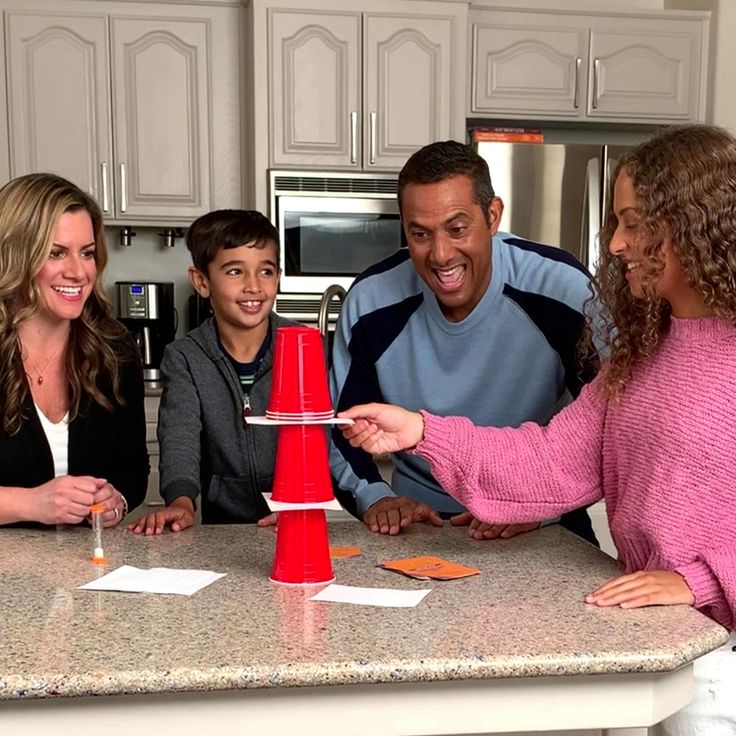
Children enjoy shared experiences much more than lectures about reducing screen time. Family challenges also encourage teamwork and laughter while creating lasting memories.
6. Make Reading Feel Like an Adventure
Reading should never feel like another school assignment. Create a cozy reading corner using blankets, pillows, and favorite books. Let children choose books that match their interests instead of forcing specific titles.

Reading naturally becomes part of your Screen-Free Routine Your Kids look forward to when the environment feels comfortable and inviting. Younger children especially enjoy hearing stories with funny voices and sound effects.
7. Keep Art Supplies Ready
Creative activities become much easier when supplies stay organized. Store paper, crayons, markers, glue, scissors, paint, and stickers in one easy-to-reach container. Children can begin creating without asking for help every time.
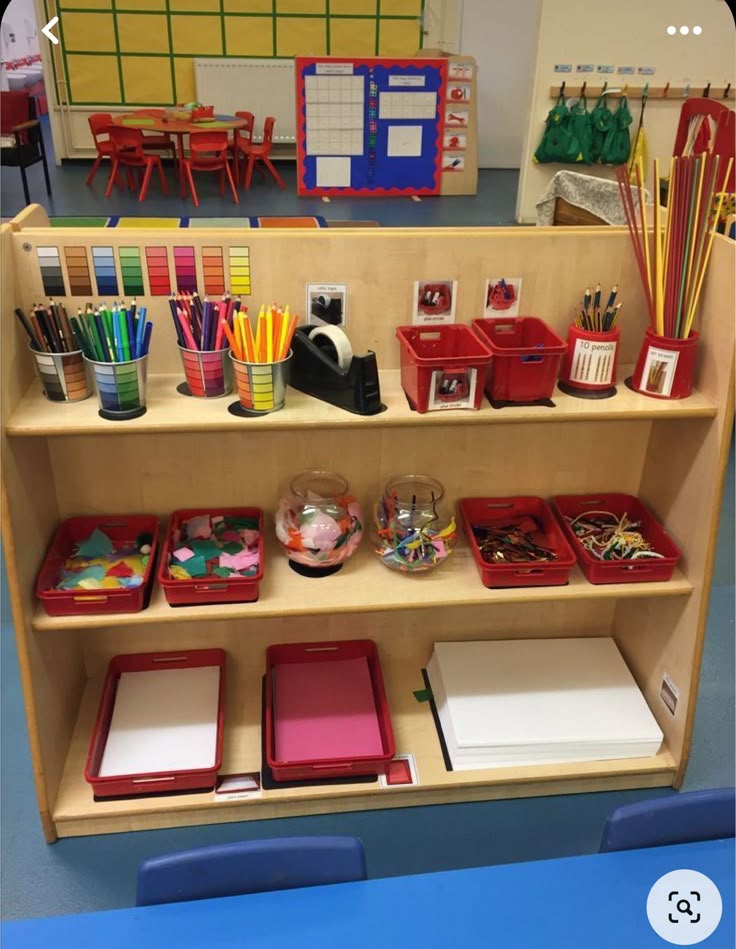
Art encourages imagination while improving fine motor skills. It also gives children something enjoyable to do whenever boredom appears. These 35 Home Organization Ideas Busy Moms Will Wish They Tried Sooner can help you organize craft supplies without creating extra clutter.
8. Schedule Device-Free Family Time
Choose one part of the day when everyone puts devices away. During this time, talk, play games, cook together, or enjoy simple conversations. Children quickly notice when parents follow the same rules.

A successful Screen-Free Routine Your Kids enjoy should involve the whole family whenever possible. Children copy what they see much more than what they hear.
9. Encourage Independent Play
Independent play teaches creativity, patience, and confidence. Resist the urge to entertain your children every minute. Instead, provide open-ended toys like blocks, dolls, art supplies, or pretend play materials.

Children often need time before they become fully engaged. Allow them to experience short periods of boredom because creativity usually follows. Independent play also gives parents valuable time to complete household tasks.
10. Spend More Time Outside
Fresh air naturally reduces interest in screens. Visit parks, ride bicycles, play ball games, or simply walk around your neighborhood together. Outdoor adventures create exciting memories without relying on technology.

Even small outdoor spaces can become enjoyable family areas. These 15 Affordable Outdoor Seating Ideas for Small Spaces That Look Stylish may inspire a relaxing place where everyone enjoys spending time together.
11. Replace Screen Time With Family Traditions
Children love activities they can expect every week. Create traditions like Friday game nights, Saturday baking sessions, or Sunday family walks. Simple routines become special because they happen consistently.

A Screen-Free Routine Your Kids enjoy becomes easier when exciting traditions replace unnecessary screen time. These How to Start Meaningful Family Traditions Your Kids Will Remember can help you build lasting family memories.
12. Celebrate Small Successes
Do not focus only on mistakes. Praise your children whenever they choose books, crafts, or imaginative play instead of asking for screens. Positive encouragement builds confidence much faster than criticism.

Celebrate progress with extra story time, family outings, or choosing the next activity together. Small rewards often motivate children to continue making positive choices.
13. Reduce Screens During Meals
Family meals create valuable opportunities for conversation. Keep phones, tablets, and televisions away from the table whenever possible. Ask fun questions that encourage everyone to participate.
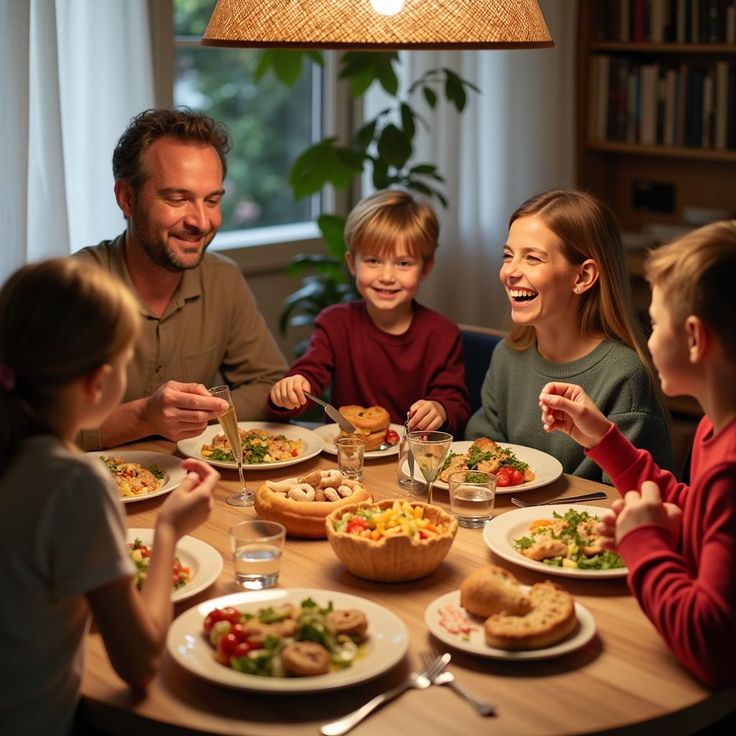
Children learn communication skills through regular conversations. A simple mealtime habit also strengthens your Screen-Free Routine Your Kids follow throughout the day.
14. Create a Bedtime Screen-Free Zone
Screens before bedtime can make it harder for children to relax. Replace evening device time with calming routines like reading, storytelling, quiet music, or gentle conversations.

Children usually fall asleep more peacefully when bedtime feels calm instead of overstimulating. Consistent bedtime habits also improve the quality of family evenings.
15. Make Household Chores More Fun
Children enjoy helping more when chores feel playful. Turn cleaning into races, treasure hunts, or music challenges. Celebrate teamwork instead of expecting perfect results.
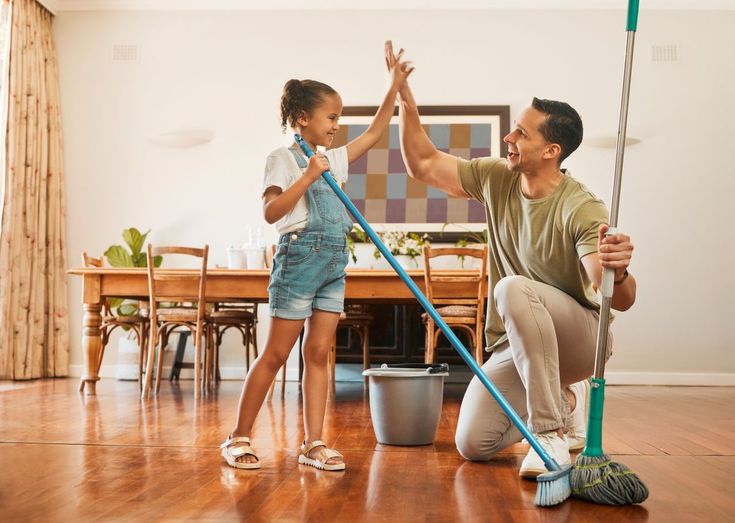
Simple responsibilities teach valuable life skills while reducing unnecessary screen time. If clutter regularly creates distractions, Why Your Home Keeps Getting Cluttered and How to Fix It offers practical solutions.
16. Keep Screen-Free Supplies Visible
Children naturally choose what they can easily see. Display books, puzzles, board games, and art supplies where children regularly play. Store tablets and gaming devices out of immediate sight.

Your environment strongly influences daily habits. Making creative activities more visible supports your Screen-Free Routine Your Kids without constant reminders.
17. Be a Good Example
Children carefully watch how adults use technology. If parents constantly check phones, children notice. Put your own devices away during family conversations and activities.

Model the habits you hope your children develop. Reading books, playing games, and spending time together show children that entertainment exists beyond screens.
18. Be Patient During the Transition
Children may complain when screen time changes. That reaction is completely normal. Stay calm, remain consistent, and continue offering enjoyable alternatives without giving up.
Most families notice improvement after several weeks. The more consistent you remain, the easier your Screen-Free Routine Your Kids will become.
19. Focus on Connection Instead of Perfection
Your goal is not raising children who never use technology. Instead, help them build a healthy relationship with screens while enjoying many other activities. Laugh together, play together, read together, and create memories that devices cannot replace.

A successful Screen-Free Routine Your Kids enjoy should strengthen your family rather than create daily conflict. Progress matters much more than perfection. Some days will feel easier than others, and that is completely normal.
Final Thoughts
Building a Screen-Free Routine Your Kids actually enjoy takes patience, consistency, and realistic expectations. Start with one or two small changes instead of transforming your entire routine overnight. Replace screen time with activities that encourage creativity, movement, learning, and meaningful family conversations.
Remember that children do not simply need fewer screens. They need more opportunities to explore, imagine, and connect with the people around them. Every family is different, so choose ideas that match your children’s personalities and your daily schedule.
Over time, these small habits become lasting routines. Your children may still enjoy technology, but they will also discover the joy of books, games, crafts, outdoor adventures, and quality family time. Those moments often become the memories they treasure for years to come.