A shared kids room can be one of the hardest spaces to design. Parents often worry about sibling arguments, limited storage, different personalities, and the challenge of fitting everything into one bedroom.
When two or more children share the same space, clutter builds quickly, privacy becomes important, and keeping everyone happy can feel impossible. The good news is that a thoughtful layout and smart storage can turn a shared bedroom into a peaceful, organized, and beautiful place that every child enjoys.

With the right ideas, a shared kids room can encourage cooperation while giving each child a space they proudly call their own. If you’re planning the perfect layout, don’t miss 27 Kids Room Design Ideas That Are Fun, Practical, and Stylish for even more practical inspiration.
A friend once told me her children argued every single day about toys, shelves, and even whose side of the room looked better. Their bedroom wasn’t small, but nothing had a proper place. We spent one weekend rearranging the furniture, dividing the storage fairly, and creating a small personal area for each child.
The difference was amazing. The room immediately felt calmer, and the children began respecting each other’s space because everything finally had a purpose. We also realized that organization plays a huge role in family harmony.
If you’re struggling with clutter throughout your home, be sure to explore 25 Kids Room Organization Ideas That Keep Toys and Clutter Under Control for simple solutions that make everyday life much easier.
In this guide, you’ll discover 21 practical shared kids room ideas that maximize space, reduce sibling arguments, and create a bedroom that feels stylish, functional, and welcoming. Whether your children are toddlers, school-aged siblings, or have different personalities, these ideas will help you design a room that works beautifully for everyone.
1. Give Each Child Their Own Personal Space
The most successful shared kids room begins by giving each child a space they can truly call their own. Even if the bedroom is small, every child should have a clearly defined area.

This doesn’t require building walls. A bedside table, bookshelf, rug, or different bedding color can help separate each space naturally. Children feel respected when they have a place for their favorite books, toys, and treasured belongings.
Personal spaces also reduce arguments because everyone knows which items belong where. This simple boundary encourages responsibility and teaches children to respect each other’s belongings.
A thoughtfully divided shared kids room creates harmony while helping every child feel equally important.
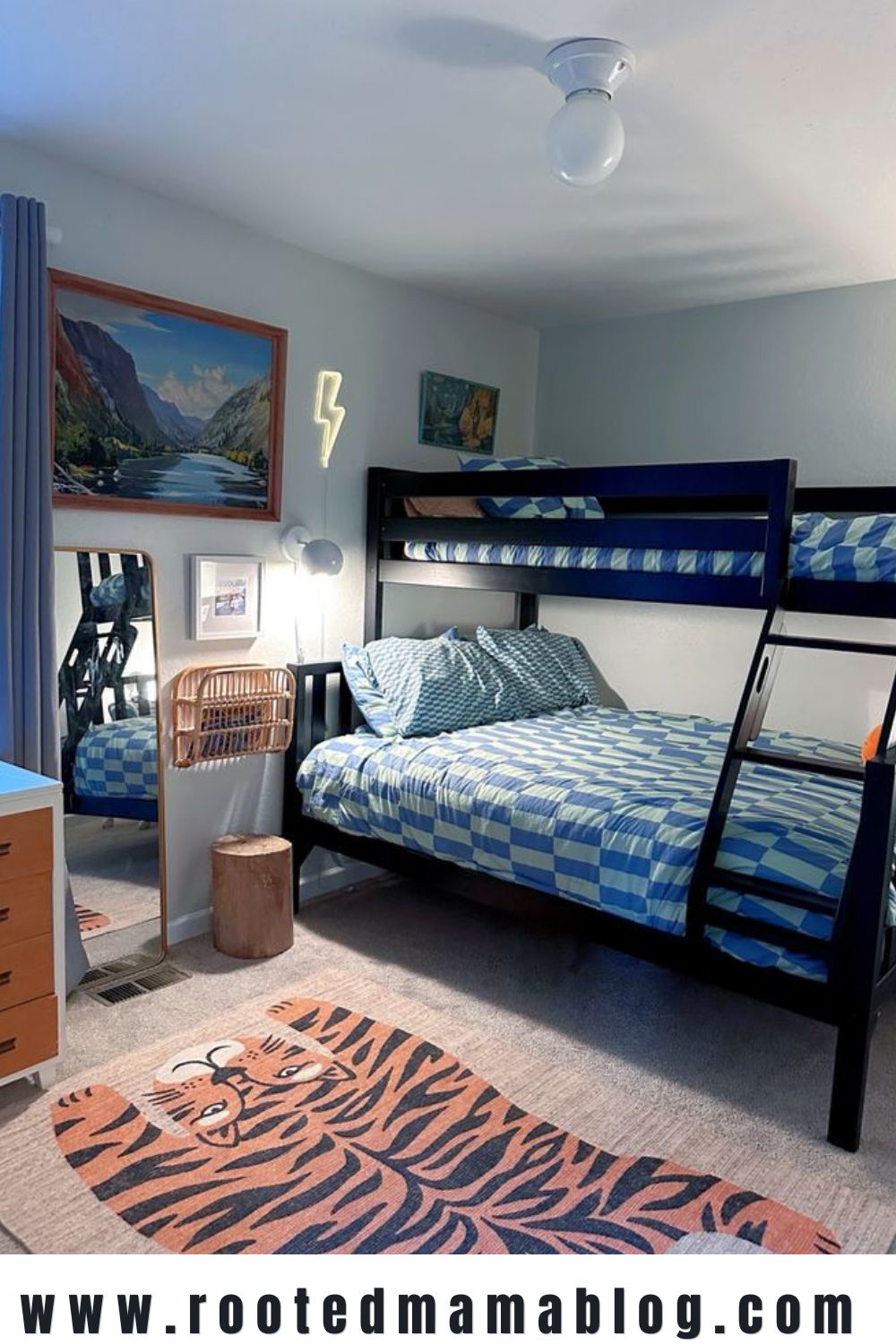
2. Choose Bunk Beds to Save Space
Bunk beds remain one of the smartest solutions for a shared kids room because they free valuable floor space for playing, studying, and organizing.

Modern bunk beds often include built-in drawers, shelves, or desks underneath. This allows one piece of furniture to solve several storage problems at once.
Choose sturdy designs with safety rails and an easy-to-climb ladder. Younger children should always sleep on the lower bunk until they’re old enough for the top.
The extra floor space makes the bedroom feel larger while giving siblings more room to enjoy activities together.
If you’re furnishing a compact bedroom, don’t miss 19 IKEA Kids Room Ideas That Maximize Small Spaces on a Budget for even more clever storage solutions.
3. Give Every Child Their Own Storage
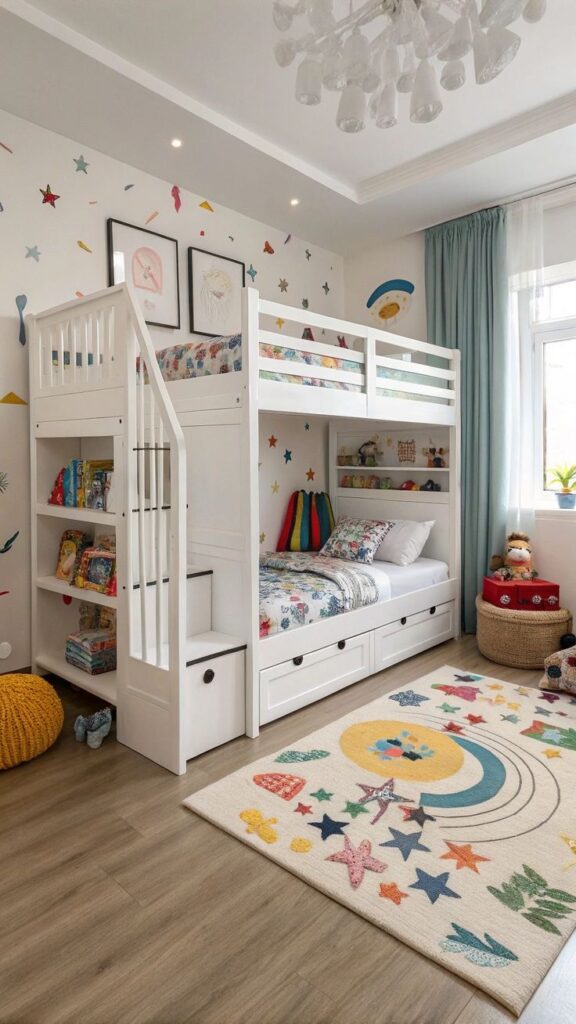
Nothing causes arguments faster than shared storage with no clear boundaries. Assign each child their own dresser drawers, baskets, shelves, and closet space. Label everything clearly so everyone knows where belongings belong.
Color-coded storage bins work especially well for younger children. One child might use blue baskets while another uses green or yellow.
Separate storage keeps the bedroom organized while teaching children responsibility for their own belongings. A well-planned shared kids room becomes much easier to maintain when everyone has their own storage.
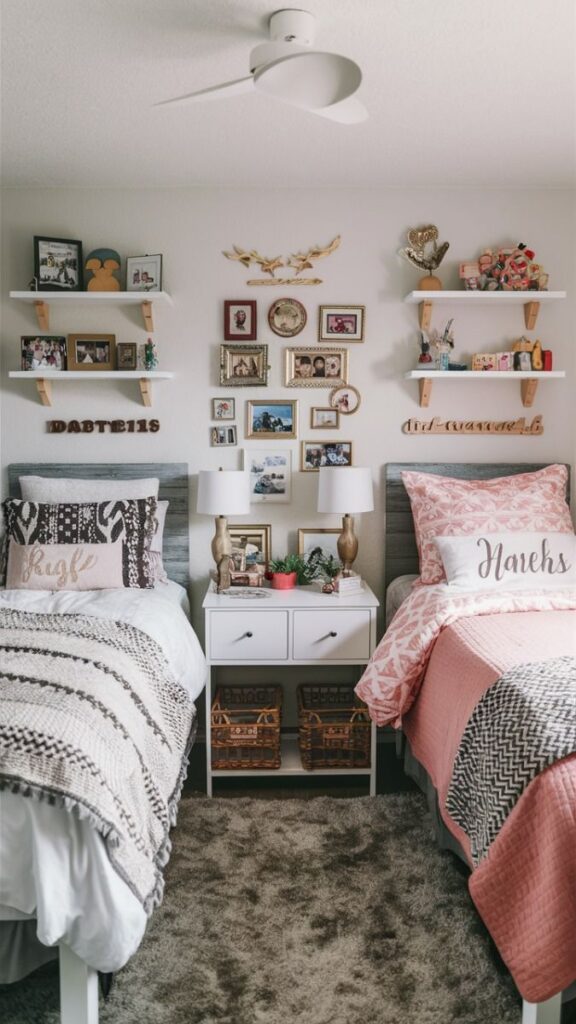
4. Use Matching Furniture
Children often compare what they have with their siblings. Matching furniture helps prevent unnecessary disagreements.
Choose identical beds, desks, chairs, or bookshelves whenever possible. Let each child personalize their own space using different bedding, artwork, pillows, or decorations.
This approach keeps the bedroom balanced while allowing each personality to shine. Matching furniture creates a beautiful shared kids room that feels fair for everyone.
5. Create a Shared Reading Corner
A cozy reading corner encourages siblings to spend quality time together. Add a soft rug, bean bags, cushions, and a small bookshelf filled with favorite stories. Keep the space comfortable so both children enjoy using it every day.
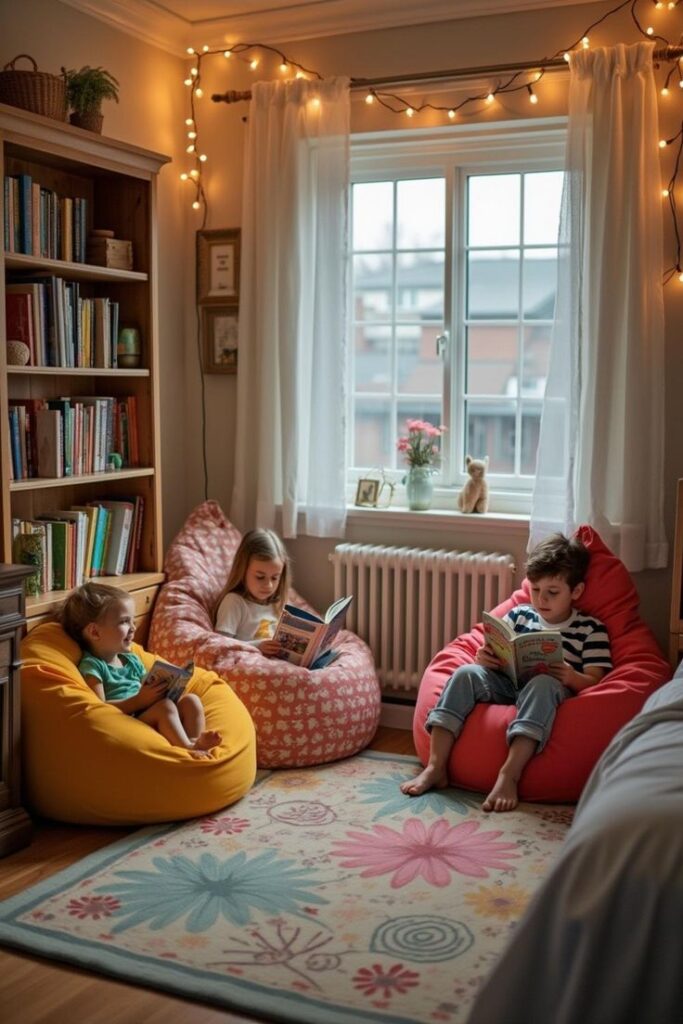
Reading together strengthens sibling relationships while creating peaceful moments away from screens. This shared space also gives parents a comfortable spot for bedtime stories.
If you’re searching for more meaningful family activities, explore How to Start Meaningful Family Traditions Your Kids Will Remember for simple ideas your children will cherish.
6. Keep Daily Essentials Easy to Reach
Children are more likely to stay organized when everyday items are easy to find.
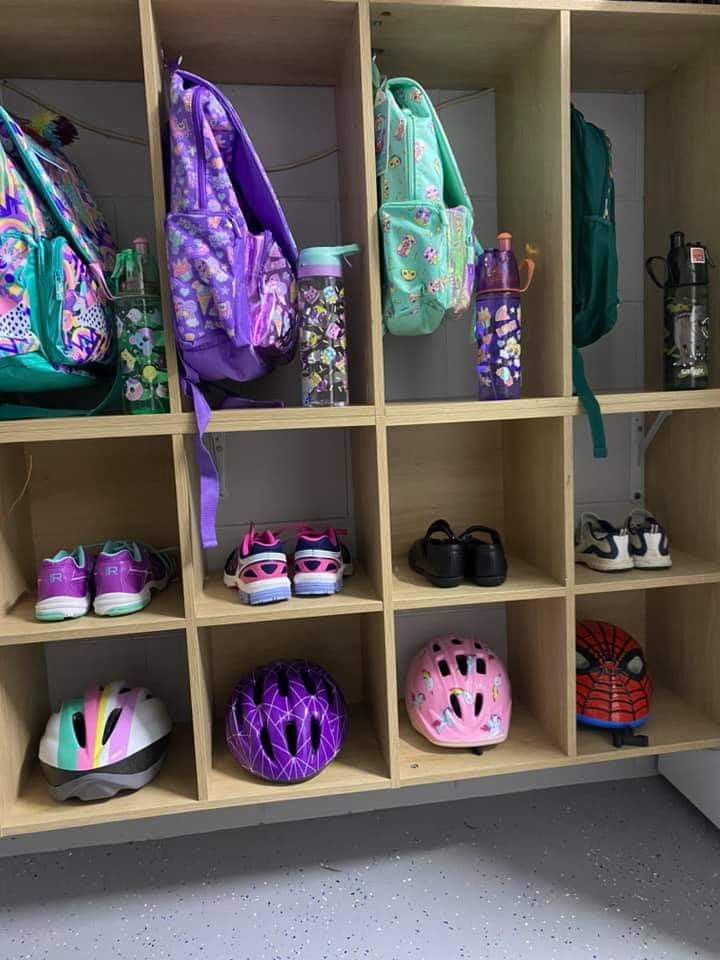
Store pajamas, school uniforms, backpacks, shoes, and favorite toys within easy reach. Frequently used items should stay on lower shelves while seasonal belongings move higher.
Easy access reduces frustration during busy mornings because children don’t need help finding everything. Smart placement makes every shared kids room more practical while encouraging independence from an early age.
7. Use Neutral Walls with Colorful Accents
Neutral walls help a shared kids room feel bright and spacious. Soft shades like white, cream, light gray, or beige create a calm background that works for different personalities.
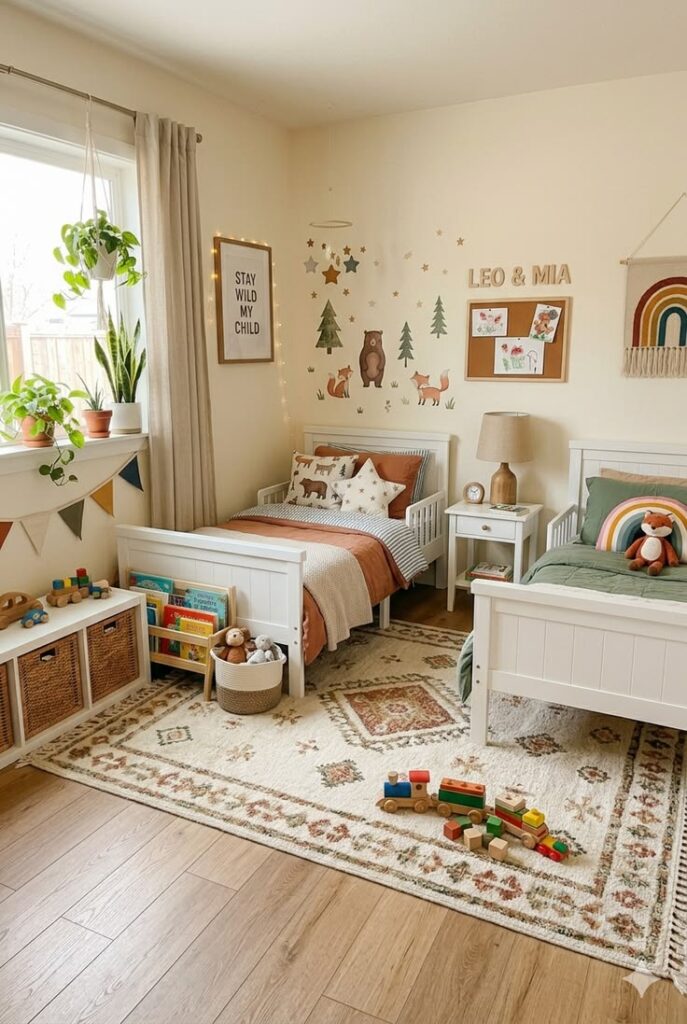
Add color through bedding, pillows, rugs, curtains, and wall art. Each child can choose their favorite accent color without making the room feel mismatched.
This decorating approach also makes updates affordable. As children grow, you can simply replace accessories instead of repainting the entire room.
A balanced color scheme creates a peaceful bedroom where every child feels comfortable.
If you’re looking for bright decorating inspiration, don’t miss 23 Colorful Kids Room Ideas That Spark Creativity and Joy for creative ways to add cheerful color.
8. Divide the Room with Furniture
You don’t always need walls to create privacy. Bookshelves, cube storage units, or dressers can divide a shared kids room into separate sleeping areas. These furniture pieces also provide valuable storage while defining personal space.
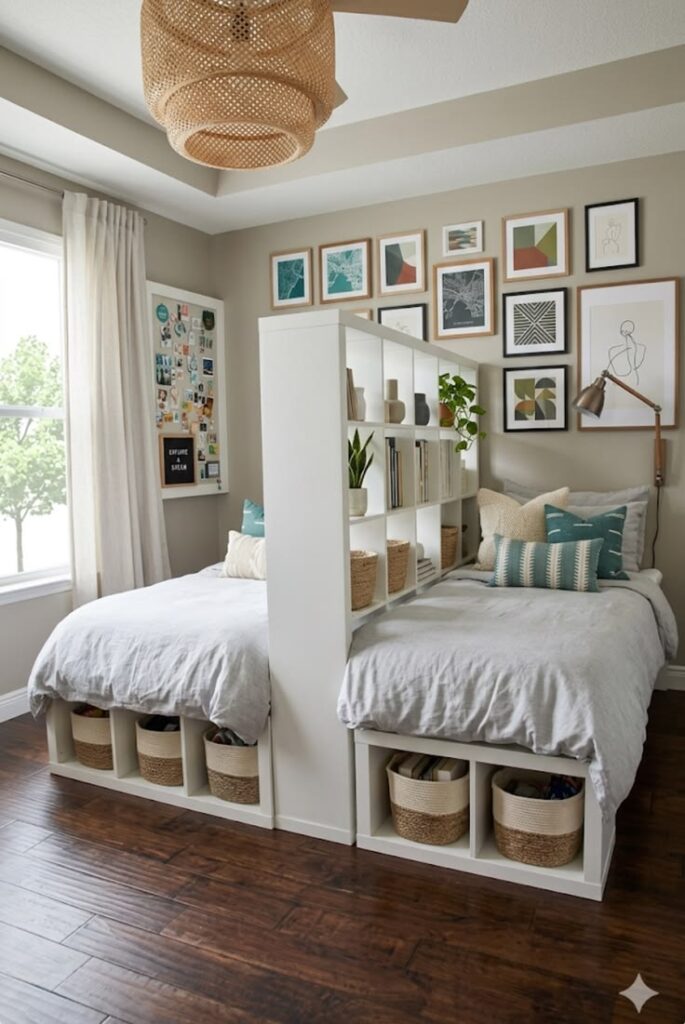
Keep dividers low enough to allow natural light throughout the room. This prevents the bedroom from feeling dark or crowded.
Simple room divisions reduce distractions and help children feel they have their own private corner.
9. Install Plenty of Wall Shelves
Walls provide valuable storage that many families overlook. Install floating shelves above beds, desks, or reading corners to hold books, trophies, framed artwork, and decorative baskets. This keeps the floor clear while giving each child their own display space.
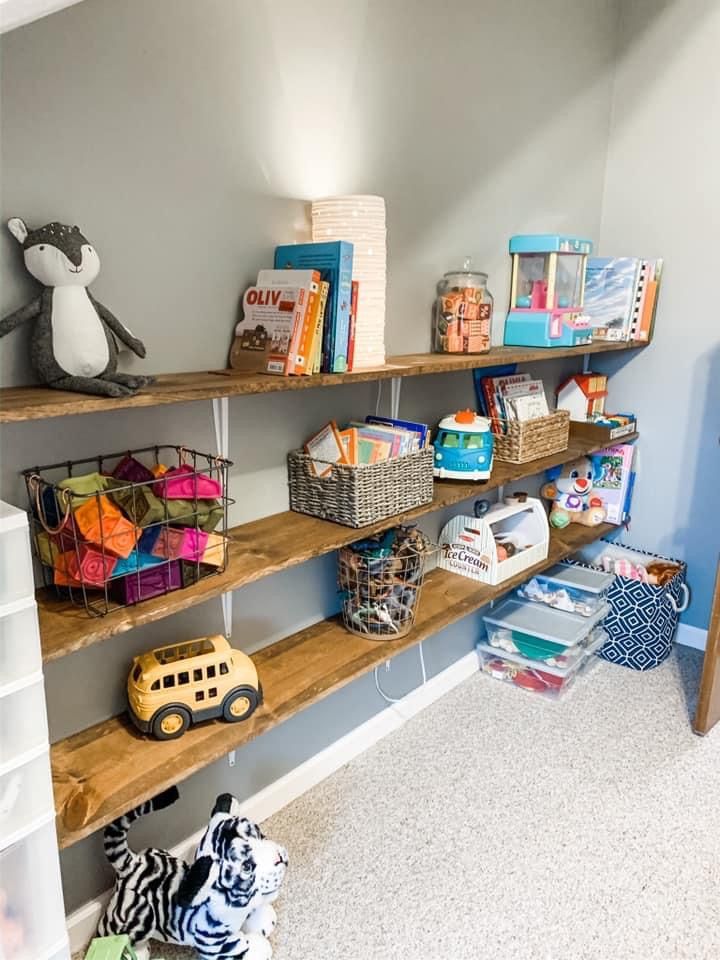
Assign different shelves to each child so everyone has a place for personal treasures.
Wall storage keeps a shared kids room organized without sacrificing valuable floor space.
10. Create Matching Study Areas
Homework becomes easier when every child has a dedicated workspace. Place two small desks side by side or use one long desk with separate chairs. Give each child their own drawer organizers, pencil holders, and desk lamp.
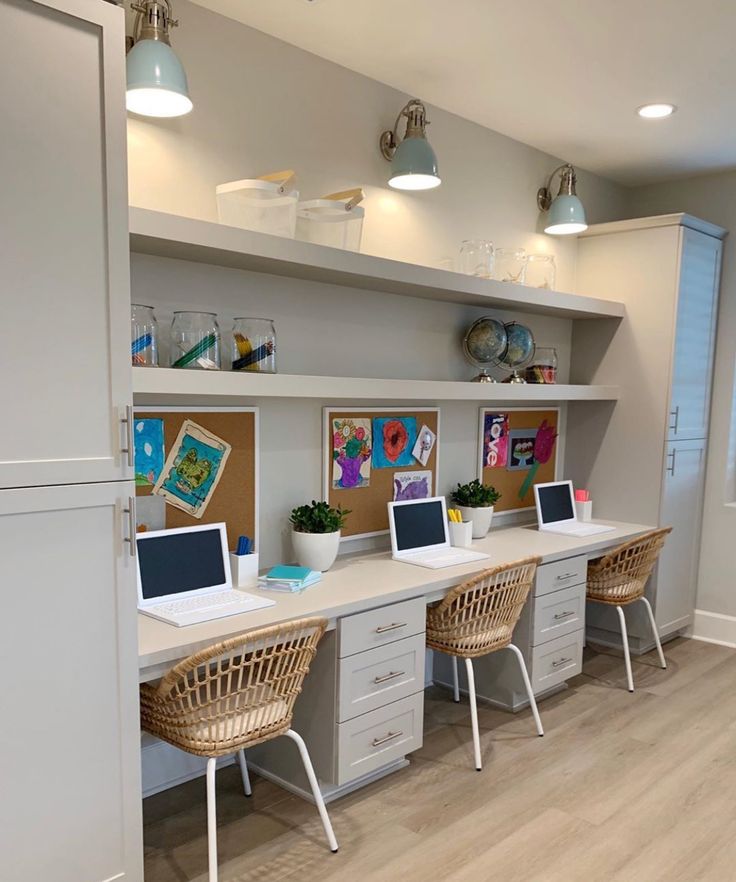
Matching study areas reduce distractions while encouraging healthy homework habits.
As children grow older, these workspaces can also support hobbies, crafts, and creative projects.
A dedicated study zone makes every shared kids room more functional.
11. Add Under-Bed Storage
The space beneath each bed offers valuable hidden storage. Use rolling drawers or labeled storage bins for extra bedding, toys, seasonal clothing, or sports equipment. Assign each child their own containers to prevent confusion.
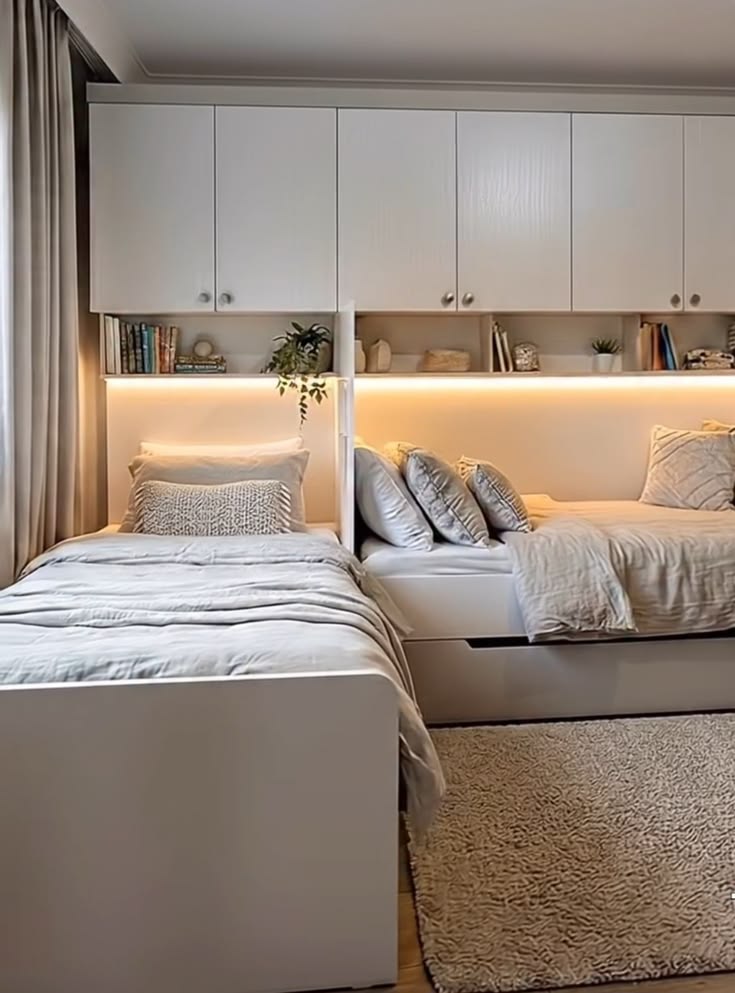
Under-bed storage reduces clutter while keeping less frequently used items out of sight.
It’s one of the easiest ways to improve a shared kids room, especially when closet space is limited.
12. Create a Family Cleanup Routine
Even the best-designed bedroom becomes messy without simple routines. Spend five to ten minutes each evening putting toys away, folding blankets, and organizing desks. Playing cheerful music makes cleanup feel like a fun family activity instead of a chore.
Children quickly learn that small daily habits prevent overwhelming messes later.
If you’re building better routines at home, explore How to Build a Daily Routine That Helps Babies and Toddlers Thrive for practical ideas that make family life easier.
13. Label Everything Clearly
Labels make a shared kids room much easier to maintain. They remove confusion and help children know exactly where every item belongs.
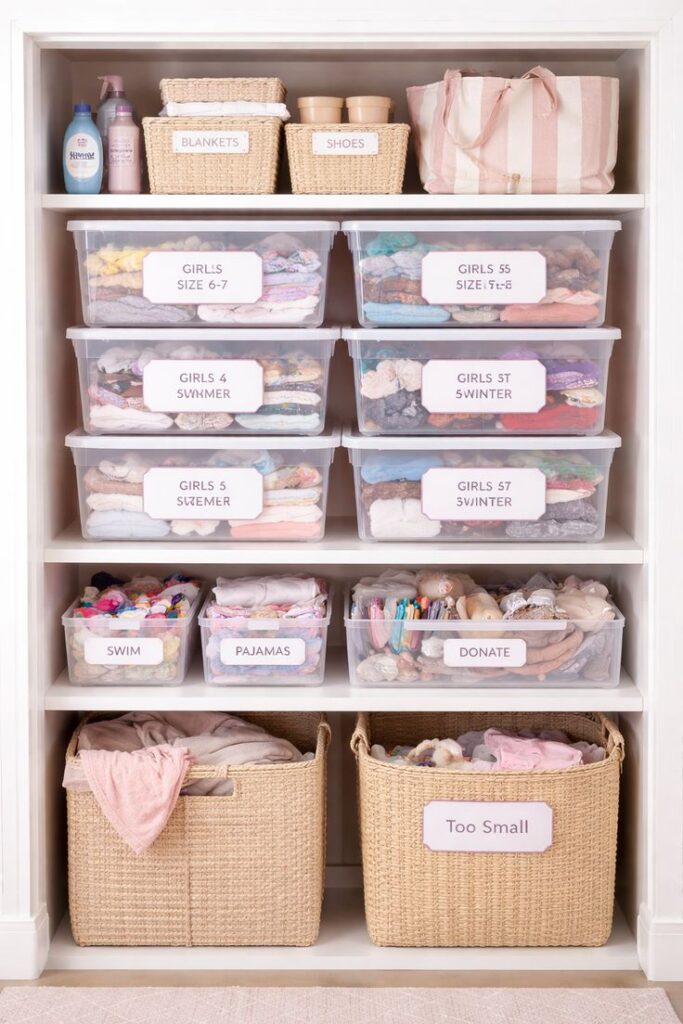
Label drawers, baskets, shelves, toy bins, and closet organizers with words or pictures. Younger children benefit from picture labels, while older children can easily read printed labels.
Clear labels also help grandparents, babysitters, and older siblings keep the room organized. When everyone follows the same system, cleanup becomes faster and far less stressful.
14. Decorate with Each Child’s Personality
A shared bedroom should reflect every child’s interests. Let one child choose blue pillows while another picks green ones. Display different artwork above each bed or allow each child to decorate their own bedside table.

Small personal touches help children feel valued without making the room look mismatched. This balance creates a shared kids room where both siblings feel equally represented.
15. Keep Toys Organized by Category
Mixing every toy together usually creates frustration.

Store building blocks, dolls, puzzles, craft supplies, and stuffed animals in separate containers. Assign each category its own basket or storage bin.
Children can quickly find what they need without emptying several boxes onto the floor.
Categorized storage also makes cleanup much faster at the end of the day.
If clutter constantly returns, don’t miss Why Your Home Keeps Getting Cluttered and How to Fix It for simple habits that make organizing easier.
16. Create a Shared Play Zone
Children need space to play together without feeling crowded. Use a soft rug to define the play area and keep nearby baskets filled with frequently used toys. Leave enough open floor space for building blocks, board games, and imaginative play.
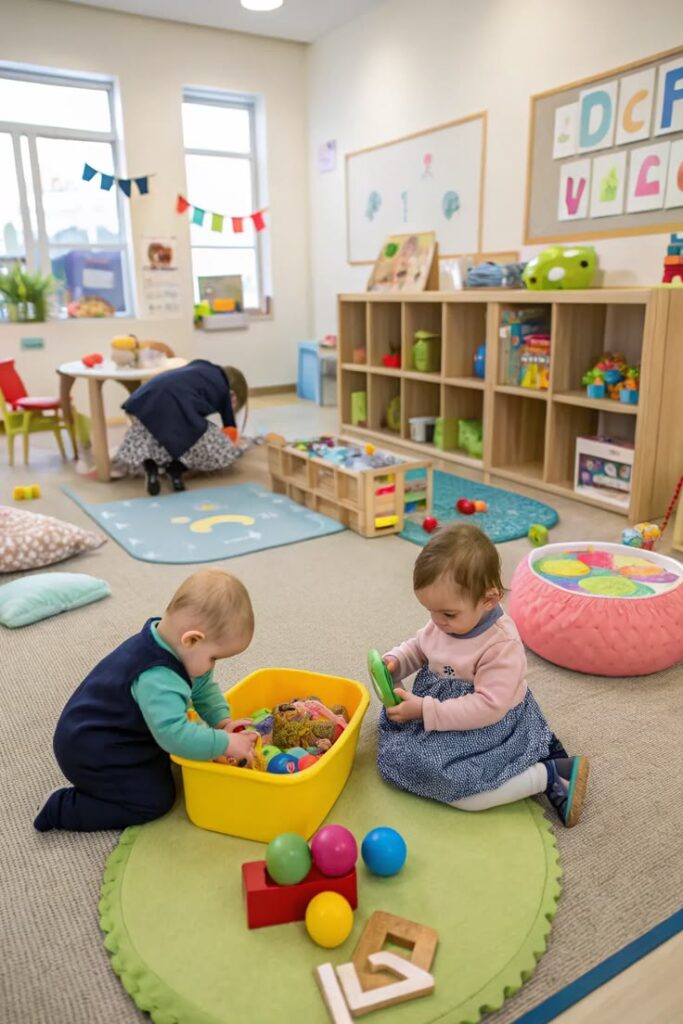
Keeping the play zone separate from sleeping areas helps the bedroom stay organized. A dedicated activity area makes every shared kids room feel larger and more enjoyable.
17. Choose Multi-Functional Furniture
Every piece of furniture should serve more than one purpose. Storage benches provide seating while hiding toys. Beds with drawers eliminate the need for extra dressers. Ottomans store blankets while offering additional seating.
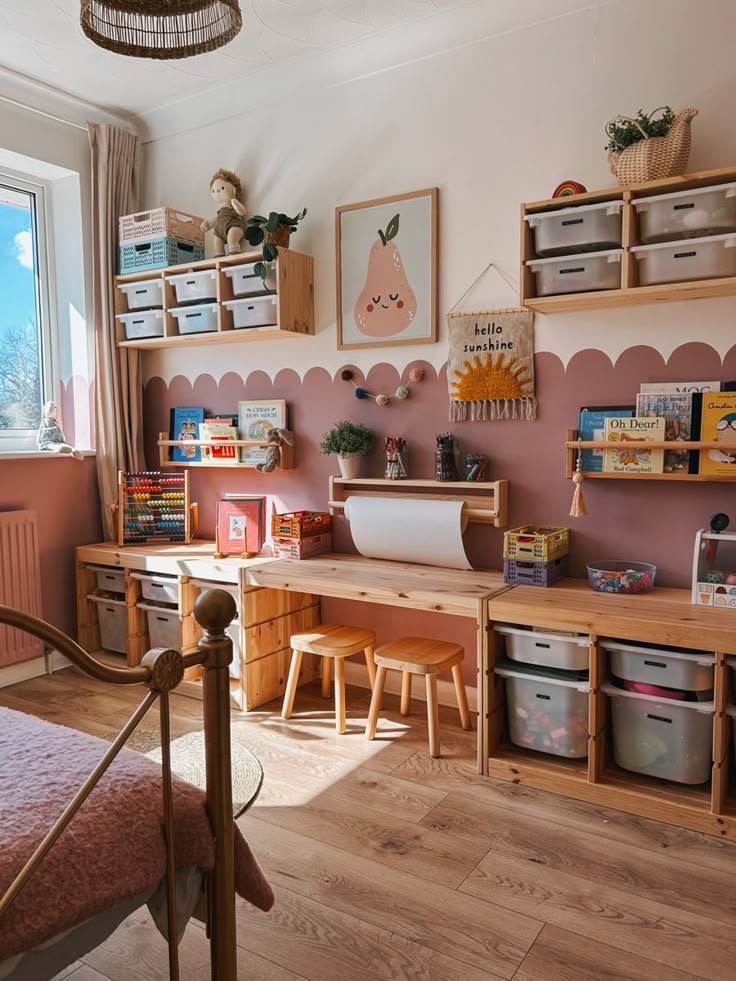
Multi-purpose furniture reduces clutter and saves valuable floor space. These smart choices make a shared kids room both practical and stylish.
If you’re decorating another bedroom in your home, you’ll enjoy 31 Cozy Bedroom Decor Ideas for Busy Moms Who Need a Calmer Space for beautiful inspiration.
18. Make Cleaning Fun
Children respond better when cleanup feels like a game. Set a timer for five minutes and challenge everyone to see how much they can organize before it rings. Celebrate teamwork with praise or small rewards.
Simple games encourage children to clean without constant reminders. Over time, these routines become healthy habits that keep the shared kids room neat every day.
19. Rotate Toys Throughout the Year
Too many toys often lead to bigger messes. Store some toys in labeled containers outside the bedroom. Every few weeks, replace them with different toys already in storage.
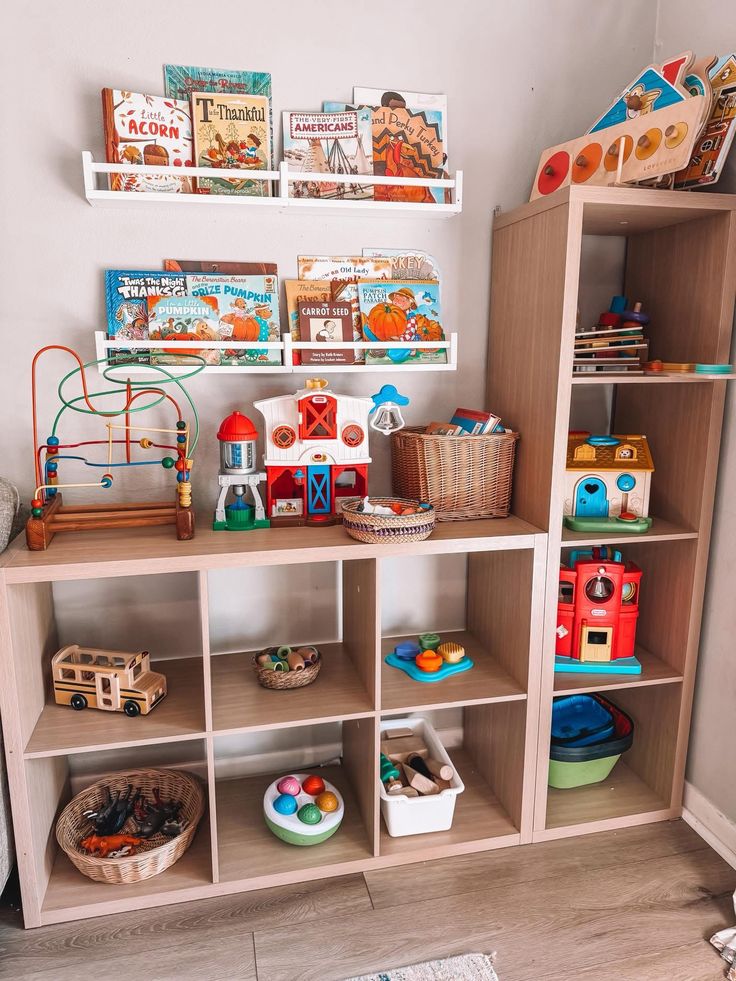
Children become excited to rediscover older favorites, and fewer toys stay scattered around the room. Toy rotation keeps a shared kids room organized while making playtime feel fresh and exciting.
20. Respect Quiet Time
Sharing a bedroom also means sharing personal time. Create simple family rules for reading, homework, naps, or bedtime. Children learn to respect each other’s need for quiet without arguments.
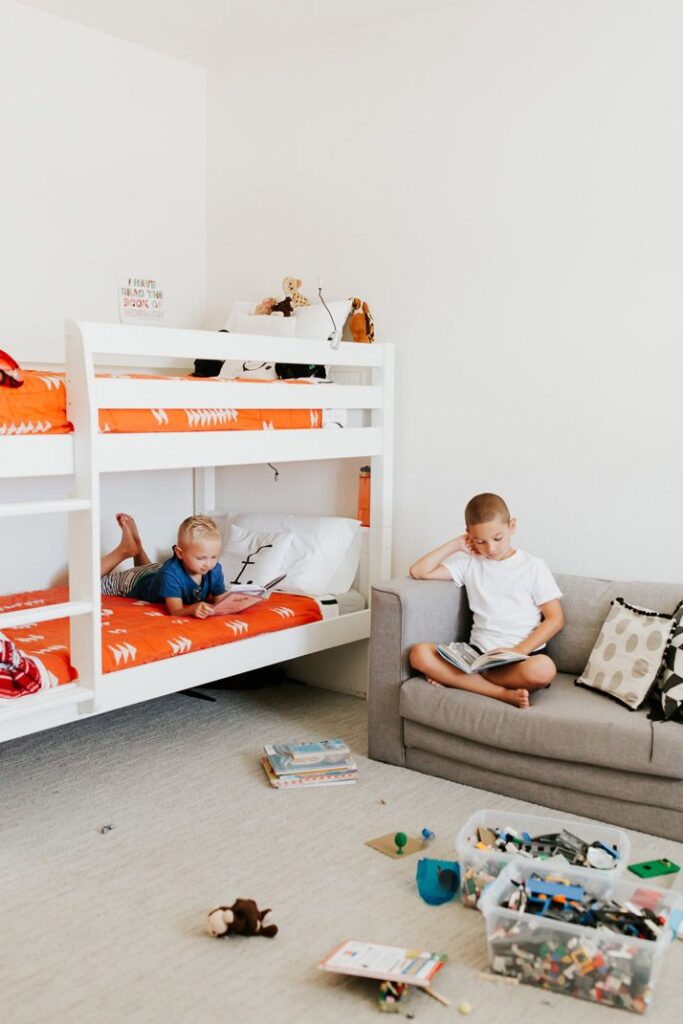
A small reading corner with comfortable seating can also provide a peaceful retreat when one child wants a break. Respecting quiet time helps every shared kids room feel calmer and more comfortable.
If you’re encouraging creative family activities, explore How to Create a Screen-Free Routine Your Kids Will Actually Enjoy for engaging ideas everyone can enjoy.
21. Design a Room That Grows with Your Children
The best shared kids room continues working as your children grow. Choose timeless furniture, adjustable storage, and neutral walls that adapt to changing interests. Update bedding, artwork, and decorations instead of replacing expensive furniture.

Flexible storage also makes room for new hobbies, school supplies, and personal collections over time.
Planning ahead saves money while keeping the bedroom beautiful for many years.
If you’re welcoming friends into your newly decorated home, don’t miss Housewarming Party Ideas: 15 Fun Ways to Celebrate Your New Home for fun celebration ideas.
Final Thoughts
A successful shared kids room is about more than fitting two beds into one space. It should give every child room to sleep, play, learn, and express their personality while encouraging cooperation instead of conflict.
Start with practical storage, fair organization, and furniture that maximizes every inch of space. Then add personal touches that make each child feel equally valued and comfortable.
Most importantly, involve your children in creating the room. A thoughtfully planned shared kids room becomes a place where siblings build memories, learn responsibility, and enjoy spending time together every day.