Painting can turn an ordinary afternoon into an exciting creative adventure for children. However, many parents struggle to find Painting Ideas for Kids that feel fresh and manageable. Children may quickly lose interest when every activity involves the same brushes and paper.
They may also become frustrated when they believe their paintings must look perfect. The best painting activities remove that pressure and encourage children to explore colors, textures, shapes, and patterns.
If you are trying to create more creative time away from screens, How to Create a Screen-Free Routine Your Kids Will Actually Enjoy can help you make artistic activities part of your family routine.
The beauty of painting lies in its flexibility. Children can use brushes, sponges, cotton swabs, fingers, leaves, cardboard, and other safe household materials. They can paint flowers, animals, landscapes, abstract patterns, and colorful characters.
Some activities can take only fifteen minutes, while others can become longer family projects. Painting can also work beautifully alongside other creative activities. For example, 41 Paper Crafts Kids Never Get Bored Of offers ideas that can complement painting sessions and create even more opportunities for imaginative play.
Why Painting Is Great for Children’s Creativity
Children do not need advanced artistic skills to enjoy painting. They simply need permission to experiment without worrying about making mistakes. Painting Ideas for Kids can encourage creativity while helping children practice hand control, color recognition, patience, and decision-making.
The activities below include simple projects for younger children and more detailed ideas for older kids. Prepare washable paints, paper, old clothes, and a protected workspace before starting. Then let children choose their favorite colors and enjoy the process.
21 Fun Painting Ideas for Kids That Spark Creativity
1. Rainbow Sponge Painting
Rainbow sponge painting is an easy activity that creates colorful results quickly. Cut a clean sponge into a manageable shape for small hands. Apply several paint colors across the sponge in separate sections. Let children press it onto paper to create a colorful rainbow effect. They can repeat the process to make multiple rainbows across one page.
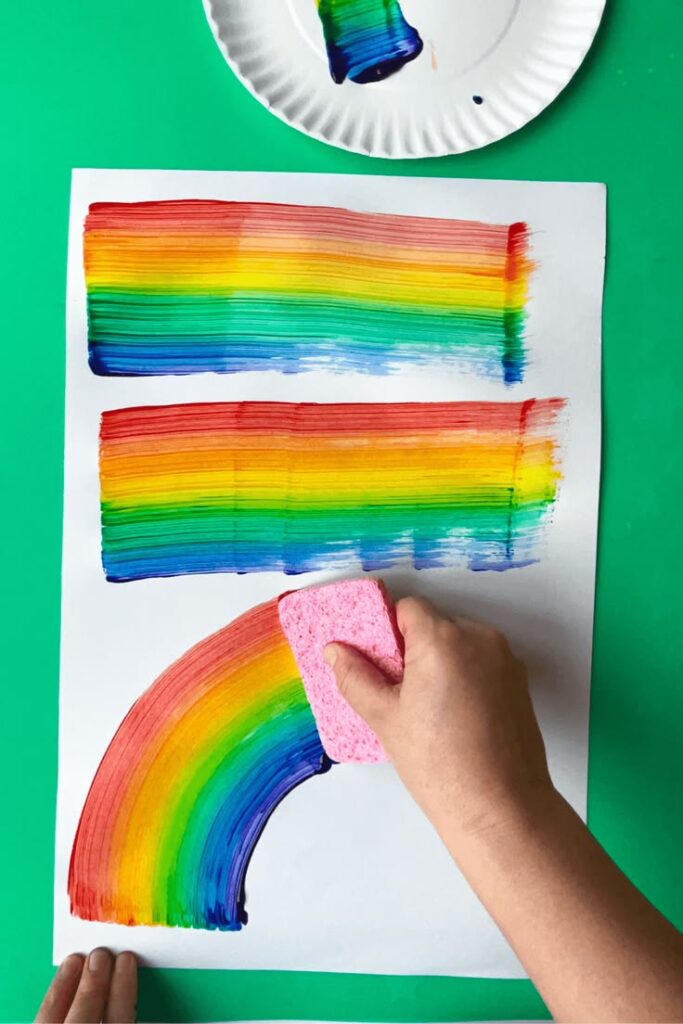
This activity teaches children how colors can work together visually. Encourage them to experiment with different color combinations. They might create pastel rainbows, bright rainbows, or imaginary rainbow patterns. The simple technique also works well when children want something fun without complicated instructions.
2. Fingerprint Flower Garden
Fingerprint painting gives children permission to use their hands creatively. Start by drawing simple stems and leaves on paper. Let children dip their fingertips into different paint colors. They can then create flower petals using individual fingerprints.
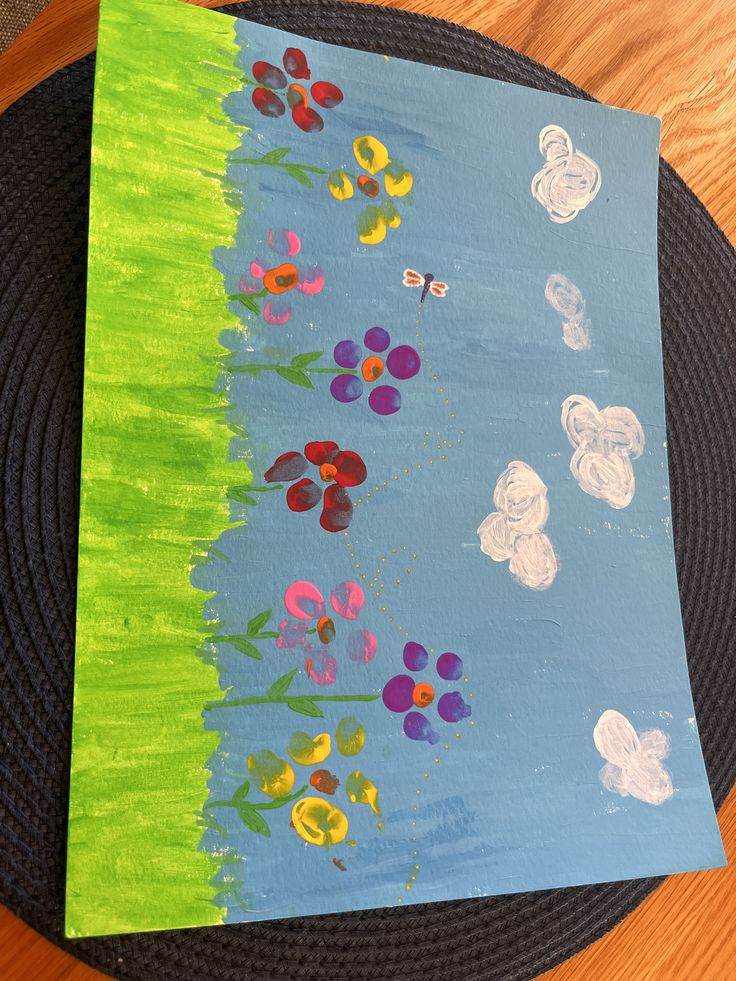
Children can create flowers in different sizes and colors. Encourage them to add butterflies, bees, clouds, or sunshine afterward. This makes the project feel like a complete garden rather than a collection of fingerprints.
For families looking for more creative activities, 21 Easy Crafts Kids Can Make at Home provides additional projects that pair nicely with painting.
3. Cotton Swab Dot Painting
Cotton swabs can become simple painting tools for children. Pour small amounts of different paint colors onto a palette or plate. Children can dip the cotton swab into paint and create dots across their paper.
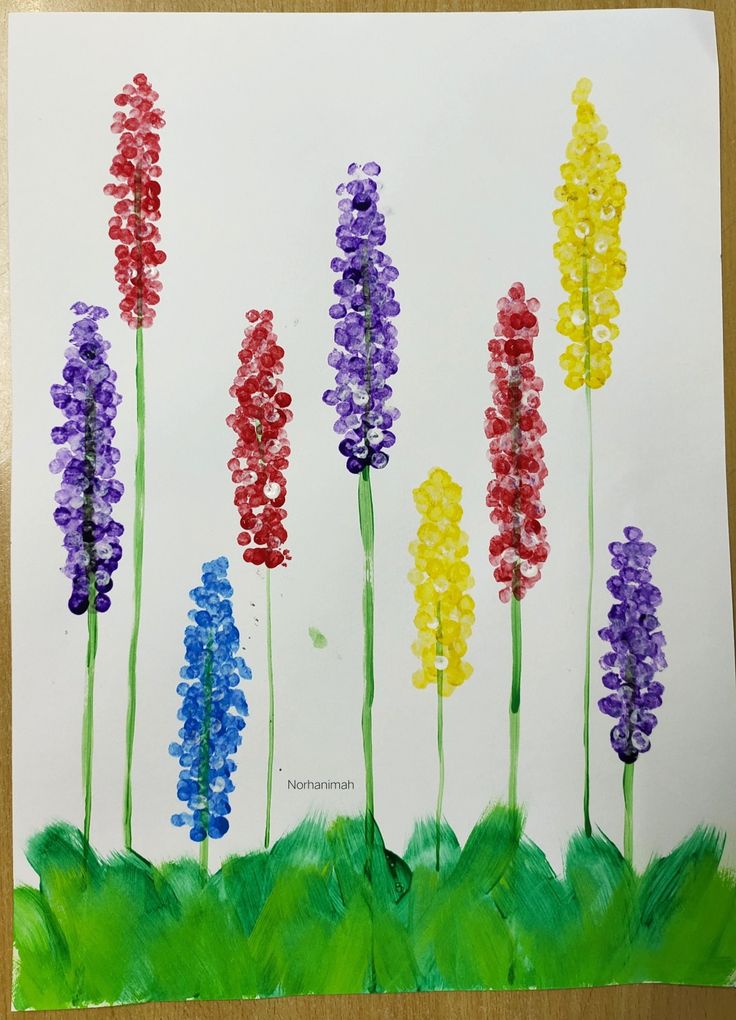
They can make flowers, balloons, hearts, stars, or abstract patterns. Older children can use dots to create detailed pictures. Younger children can simply enjoy making colorful patterns.
This activity also helps children understand repetition and spacing. They can experiment with large dots, small dots, and different color combinations.
4. Bubble Wrap Printing
Bubble wrap creates an exciting texture that children can easily explore. Paint can be applied carefully across the bubble surface. Children then press the painted bubble wrap onto paper.
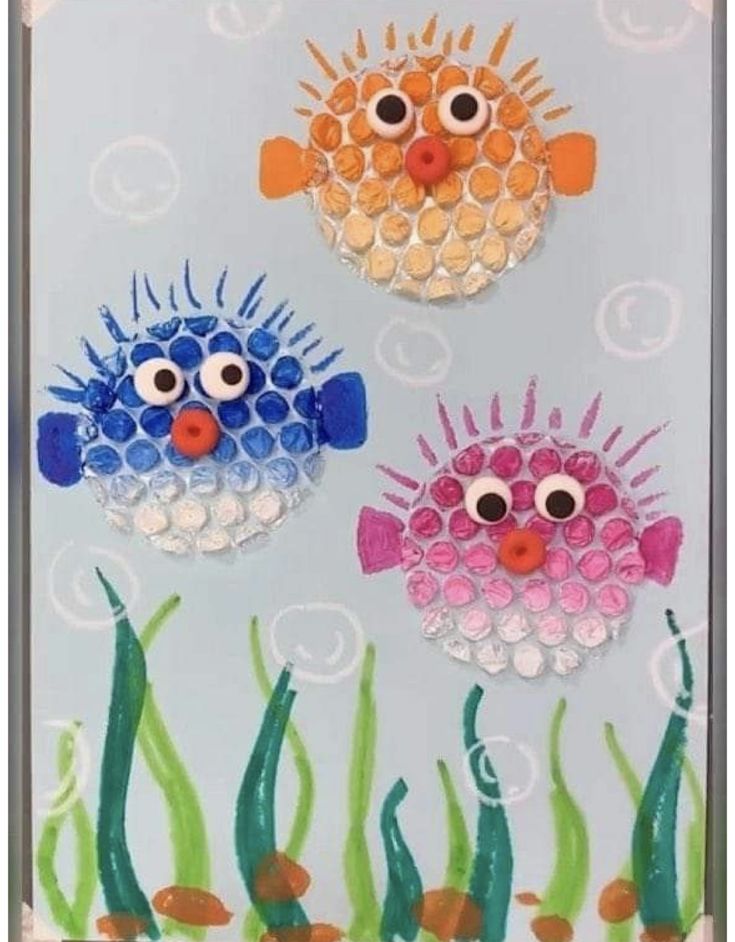
The result creates a fun pattern filled with circles and texture. You can use different colors for separate prints. Children can turn the patterns into backgrounds for other artwork.
They might paint a fish over the pattern or create a colorful abstract picture. The process encourages curiosity because children cannot completely predict the final result.
5. Leaf Painting
Leaves can become natural painting tools during a creative afternoon. Collect several clean leaves with different shapes and textures. Apply a thin layer of paint to the surface of each leaf.

Press the leaf carefully onto paper before lifting it away. The resulting print can resemble trees, flowers, feathers, or abstract designs. Children can combine several leaf shapes to create an entire nature scene.
This activity also gives children a reason to observe nature closely. They can compare leaf shapes, sizes, textures, and patterns before painting.
6. Sponge Animal Prints
Animal-shaped sponge painting can make art feel like playtime. Use simple sponge shapes that resemble animals or create basic silhouettes. Let children dip them lightly into paint before pressing them onto paper.
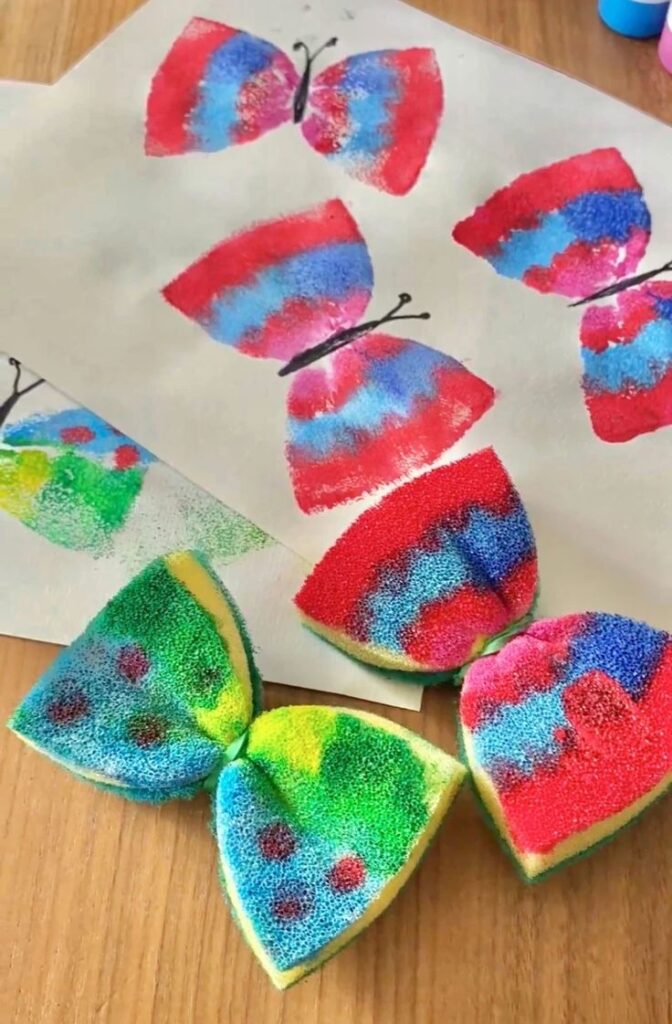
They can create an entire animal collection on one page. Add grass, trees, clouds, and flowers around the animals afterward. Older children can turn their prints into a complete story scene.
This activity works particularly well for children who enjoy imaginative storytelling. They can decide where each animal lives and what happens inside their painted world.
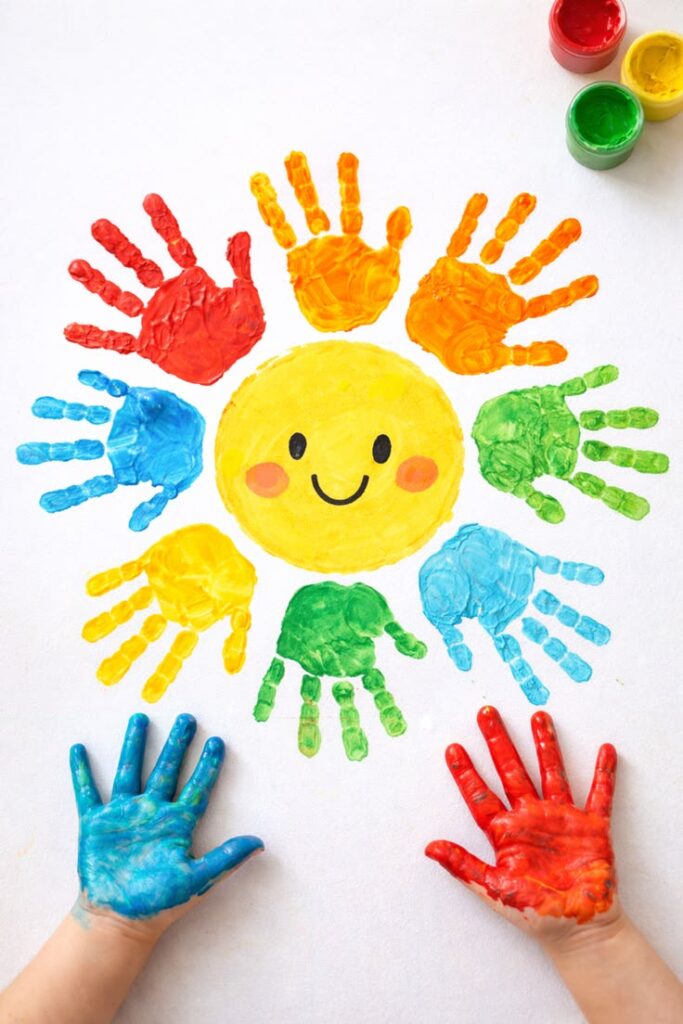
7. Paint a Paper Plate Sun
A paper plate can become a bright and cheerful sun. Paint the center yellow or orange and allow it to dry. Children can then add rays around the outside using different colors.
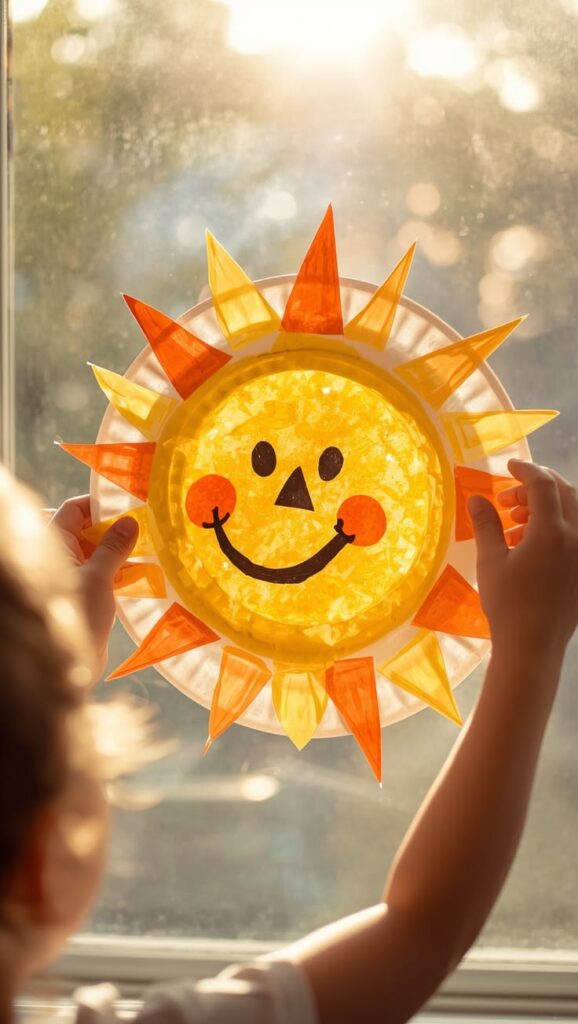
Encourage them to create unusual suns using pink, purple, blue, or rainbow colors. There is no need to follow realistic rules. The activity allows children to decide how their sun should look.
You can display finished suns around a playroom or bedroom. They can also become decorations for a seasonal craft project.
If you are refreshing a child’s creative space, 23 Colorful Kids Room Ideas That Spark Creativity and Joy can provide additional inspiration.
8. Underwater Painting
Underwater scenes give children plenty of opportunities to experiment with colors. Start with blue paint for the background. Children can then add fish, seaweed, bubbles, shells, and coral.
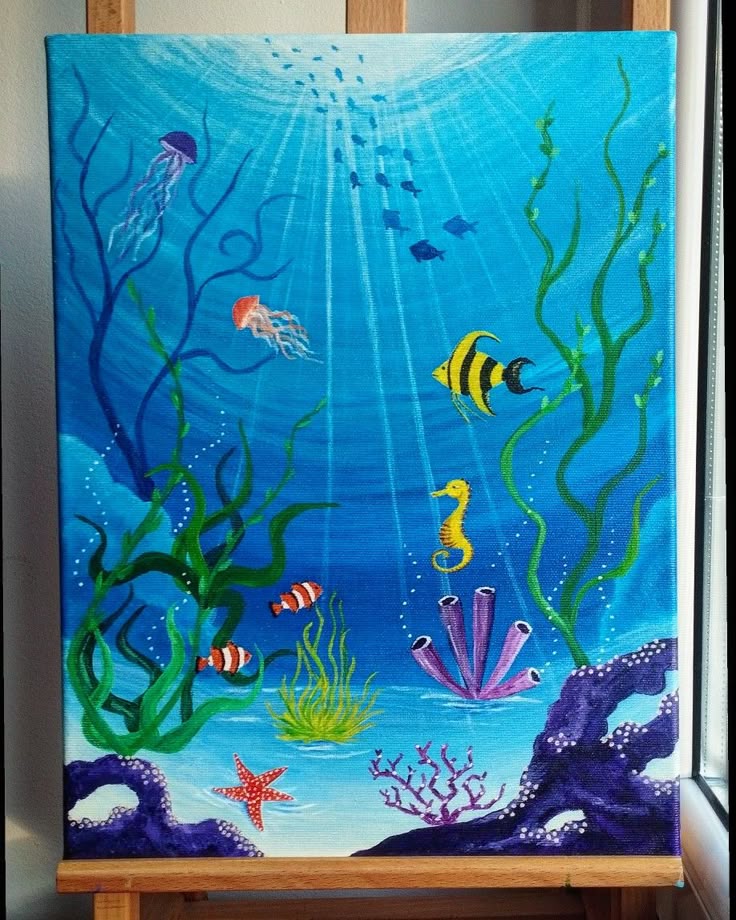
Encourage them to use different shades of blue and green. They can also add bright colors to their fish. Older children can create more detailed underwater scenes.
This project can become an imaginative storytelling activity. Ask children what lives beneath their painted ocean. They can invent names and personalities for their underwater creatures.
9. Q-Tip Fireworks
Q-tip fireworks are perfect for creating colorful nighttime artwork. Paint a dark blue or black background first. Allow it to dry before adding bright fireworks.
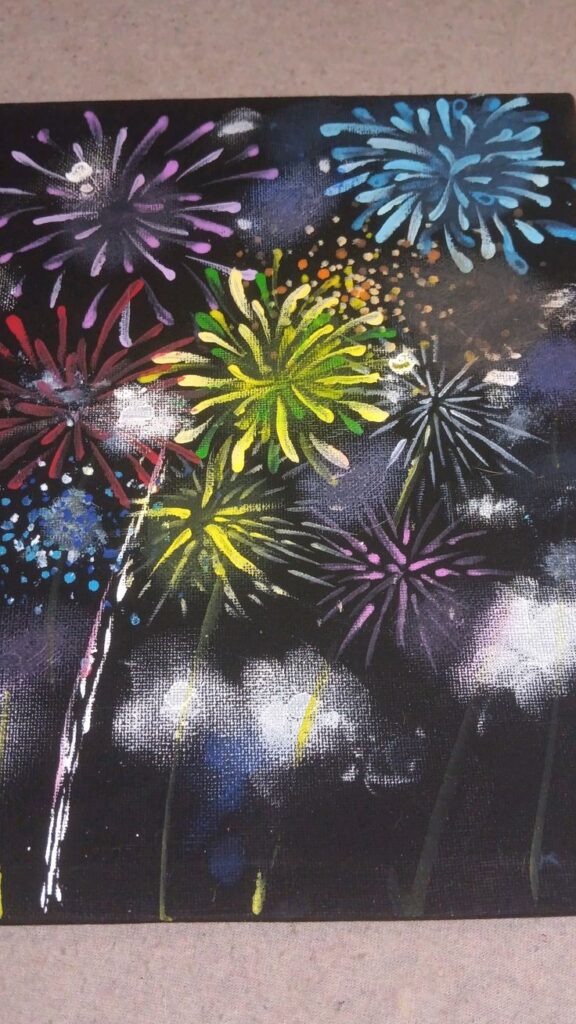
Use cotton swabs to create small dots and lines radiating from different points. Children can combine several colors within one firework. They can also add stars across the background.
This activity teaches children how simple marks can create impressive visual effects. The finished painting can become a colorful celebration scene.
For another family-friendly creative activity, 31 Family Fun Night Ideas for Staying Home Together can help you plan an entire evening around crafts and games.
10. Potato Stamp Painting
Potato stamps provide an inexpensive way to create repeating patterns. Cut potatoes into simple shapes using adult assistance. Apply paint to the flat surface before pressing it onto paper.
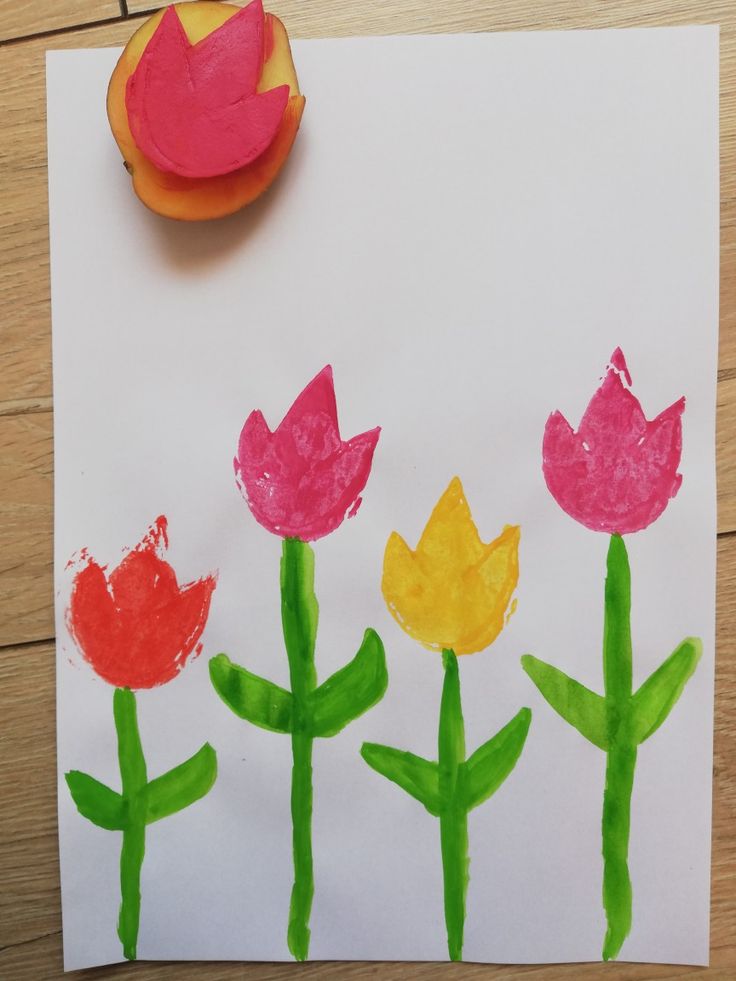
Children can create circles, hearts, stars, flowers, or other basic shapes. Repeating the same stamp can create interesting borders and patterns.
They can also combine several stamps to create larger pictures. The activity teaches children how repetition can transform simple shapes into creative designs.
11. Abstract Color Mixing
Abstract painting allows children to focus entirely on the creative process. Give them several primary and secondary colors. Let them experiment with mixing colors directly on paper.
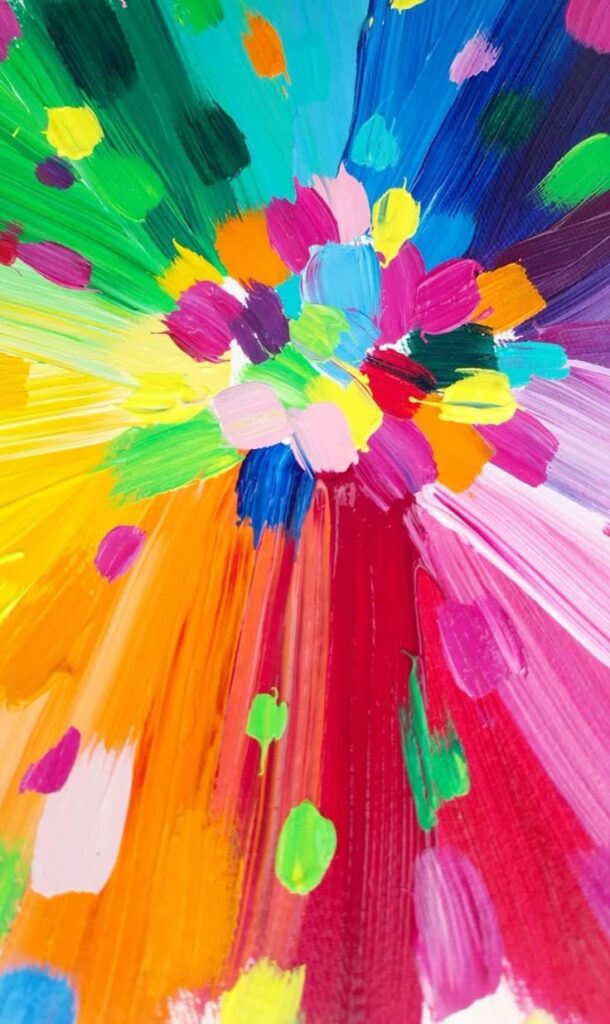
They can create swirls, lines, circles, splashes, and other shapes. Encourage them to observe how colors change when combined.
Do not correct their color choices or painting techniques. The goal is exploration rather than creating a specific picture. This makes the activity especially useful for children who become frustrated by structured crafts.
12. Handprint Tree
Handprint trees create memorable artwork that families can keep for years. Paint the child’s palm and fingers with brown paint. Press the hand onto paper to create the tree trunk and branches.
Once the print dries, children can add colorful fingerprints as leaves. They can choose green, orange, yellow, pink, or any colors they like.
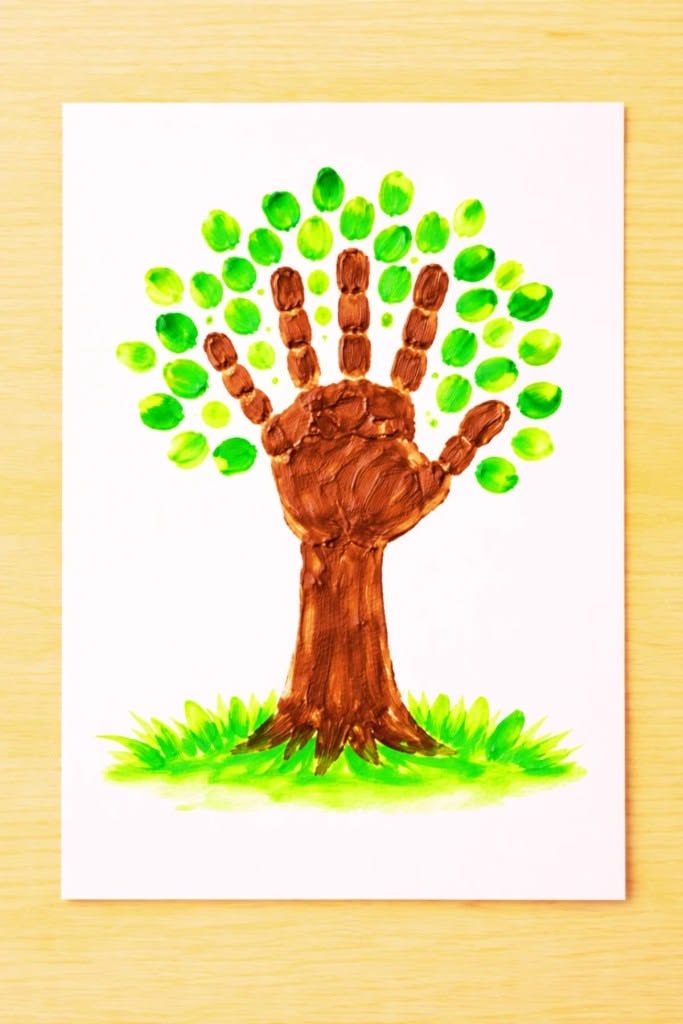
This project can also become a seasonal activity. Create spring, summer, autumn, and imaginary versions of the same tree.
For more family-centered ideas, How to Start Meaningful Family Traditions Your Kids Will Remember can inspire ways to turn simple creative activities into memorable traditions.
13. Sponge Cloud Painting
Sponge clouds create a soft texture that works beautifully for sky scenes. Use white paint on a sponge and gently press it onto blue paper.
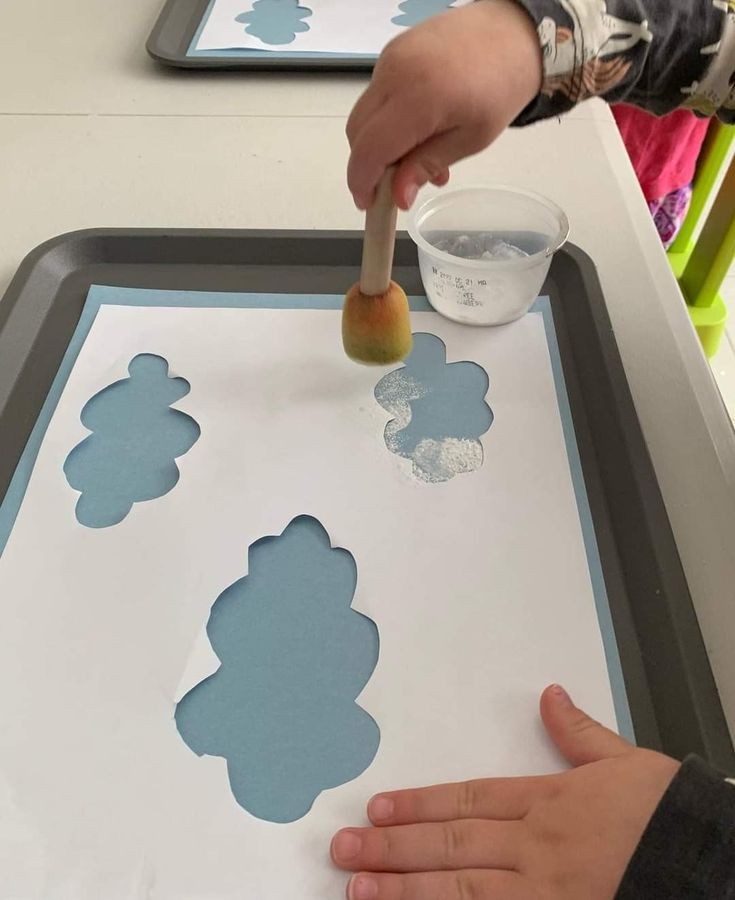
Children can create clouds of different sizes and shapes. Add birds, rainbows, airplanes, or sunshine afterward. Older children can create an entire landscape beneath the clouds. They might paint mountains, houses, trees, and rivers.
This project encourages children to think about composition. They begin deciding where different elements should appear on the page.
14. Painted Rock Characters
Smooth, clean rocks can become tiny painted characters. Adult supervision should guide children when selecting and cleaning rocks. Once dry, children can paint faces, animals, monsters, or colorful patterns.
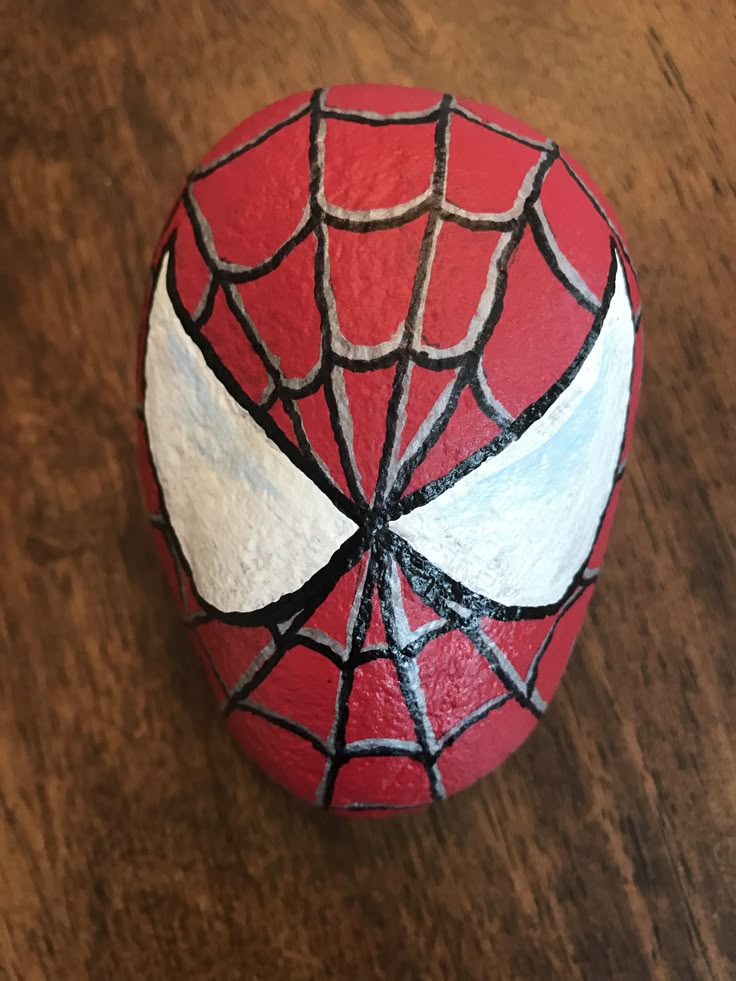
They can create an entire collection of characters using different shapes. These painted rocks can later become toys or decorations. Children can also create characters for pretend stories. Each rock can have a different personality, name, or role.
15. Nature Texture Painting
Nature texture painting lets children explore objects found outdoors. Use safe leaves, grass, twigs, and other suitable materials as painting tools.
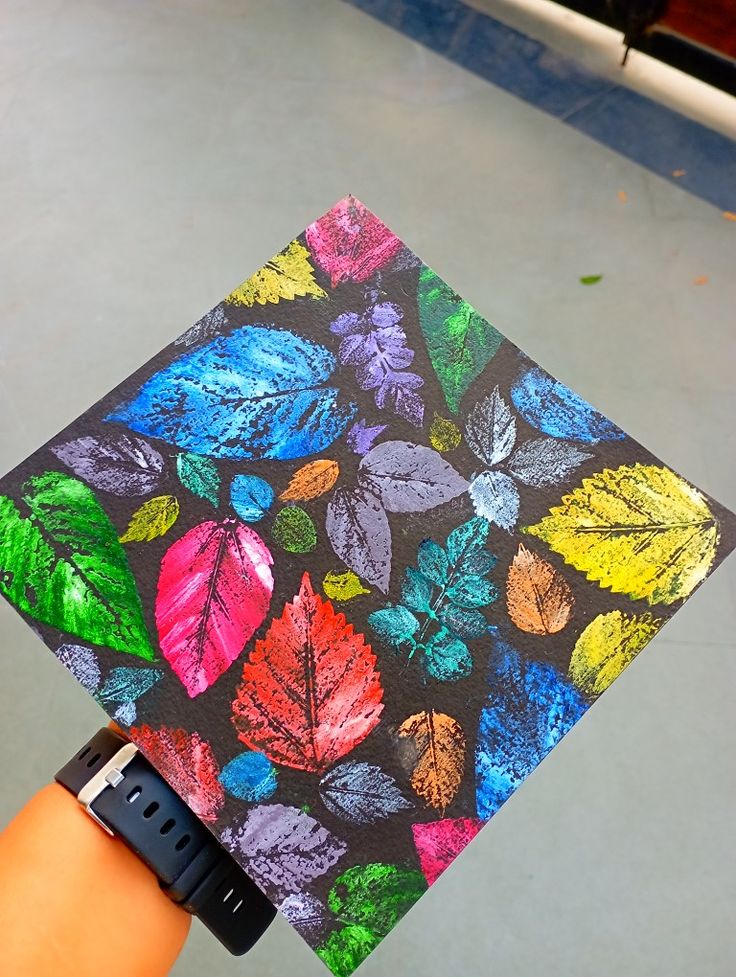
Apply paint lightly before pressing each object onto paper. Different materials create different textures and marks. Children can compare the patterns produced by each object. They can then combine the marks into one large abstract painting.
This activity encourages observation while connecting art with nature. It works especially well during outdoor family activities.
16. Balloon Stamp Painting
Balloon stamping creates large circular patterns with very little effort. Inflate a small balloon and apply washable paint to its surface. Children can gently press it onto paper.
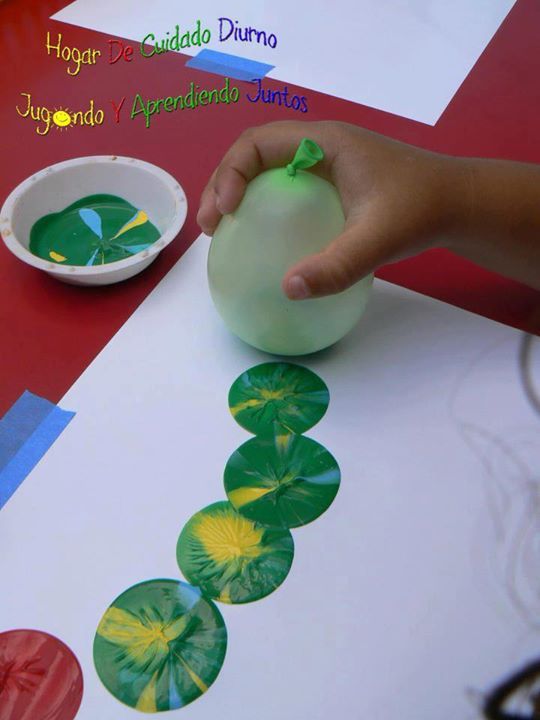
The balloon creates rounded shapes that can become flowers, bubbles, planets, or abstract designs. Use several colors for a more playful result. Children can overlap the circles to discover new color combinations. They can also turn the finished pattern into a larger picture.
If your children enjoy hands-on activities, 50 Easy Kids Activities at Home That Keep Little Ones Busy can provide more ideas for creative afternoons.
17. Paint With Toy Wheels
Toy wheels can create fascinating lines across paper. Apply a thin layer of washable paint to a tray. Roll a clean toy vehicle through the paint.
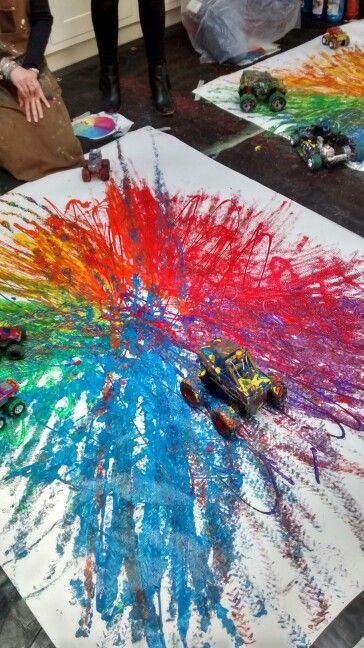
Place the vehicle on paper and let children roll it across the surface. Different wheels create different tracks and patterns. Children can turn the tracks into roads, raceways, or abstract artwork. Add buildings and characters around the tracks afterward.
This activity combines painting with imaginative play. It can be especially engaging for children who prefer active projects.
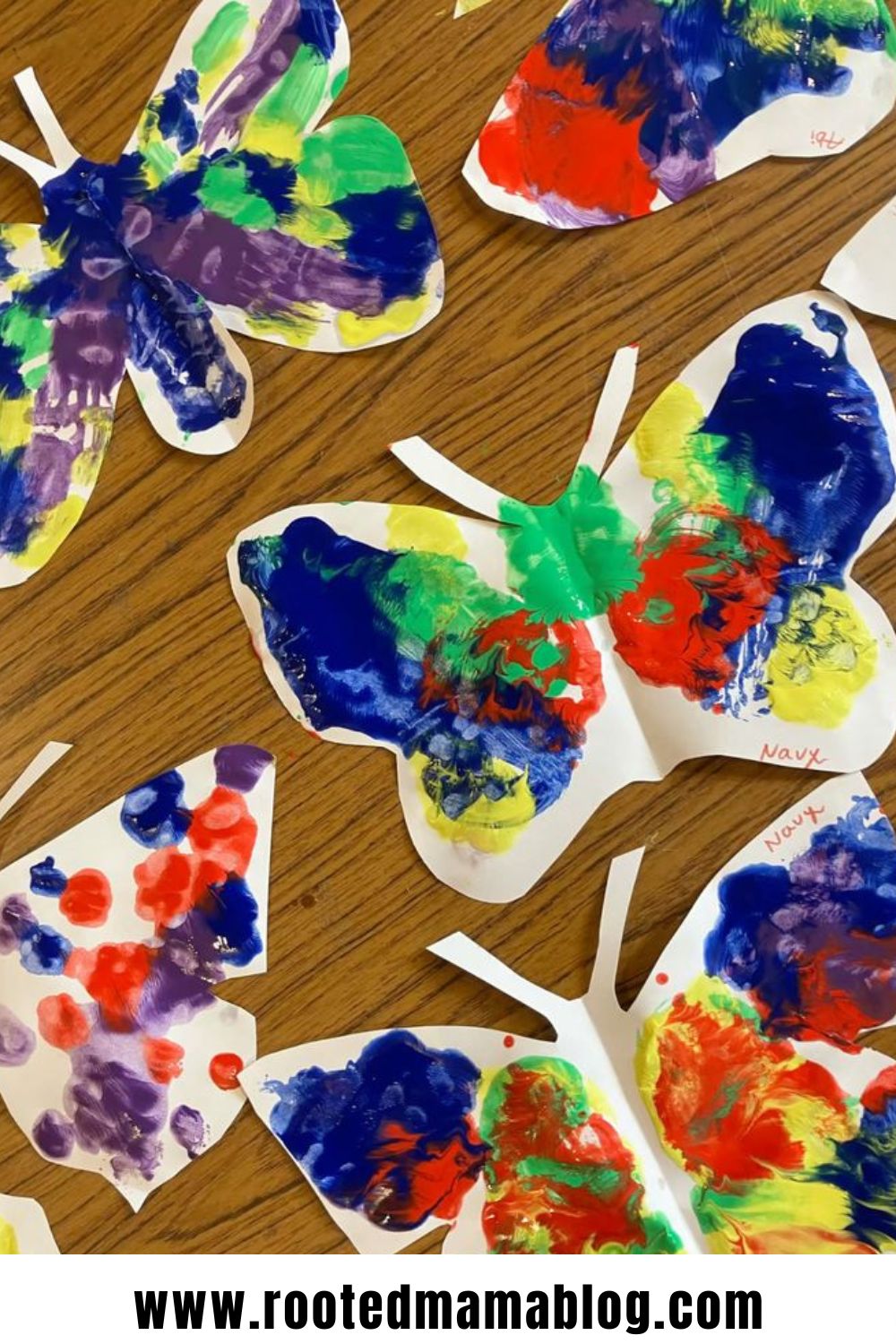
18. Butterfly Symmetry Painting
Butterfly symmetry painting is simple but creates impressive results. Paint one side of a paper butterfly with several colors. Fold the paper carefully while the paint remains wet.
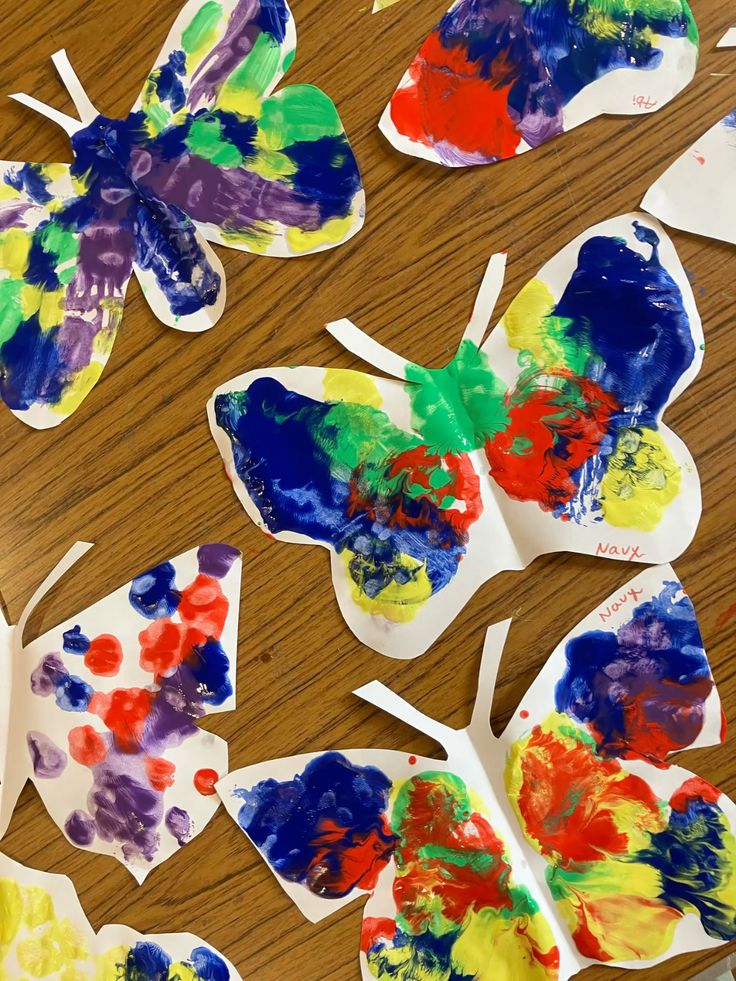
Press gently before opening the paper again. The colors should transfer to the other side and create a symmetrical effect. Children can add details after the paint dries. They can draw antennae, patterns, and small decorations around the wings.
The activity introduces symmetry without requiring a formal lesson. Children can discover the concept through hands-on experimentation.
19. Rain Painting
Rain painting creates an unexpected way to use water and color. Children can create colorful paint marks across thick paper. Place the artwork somewhere safe outdoors during light rain.
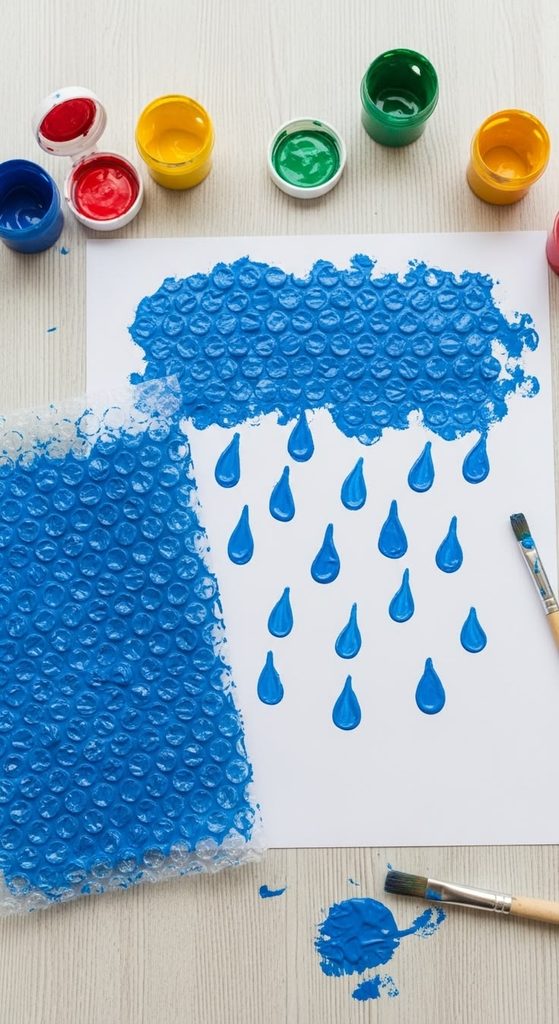
The water will spread and blend the colors naturally. Bring the artwork inside before it becomes overly wet. Once dry, children can add drawings over the background. They might create flowers, umbrellas, houses, or abstract designs.
Always supervise outdoor activities and avoid heavy rain. The goal is to create controlled experimentation rather than a messy cleanup problem.
20. Storybook Painting
Storybook painting allows children to combine reading and art. Choose a favorite story and ask children to paint their favorite scene.
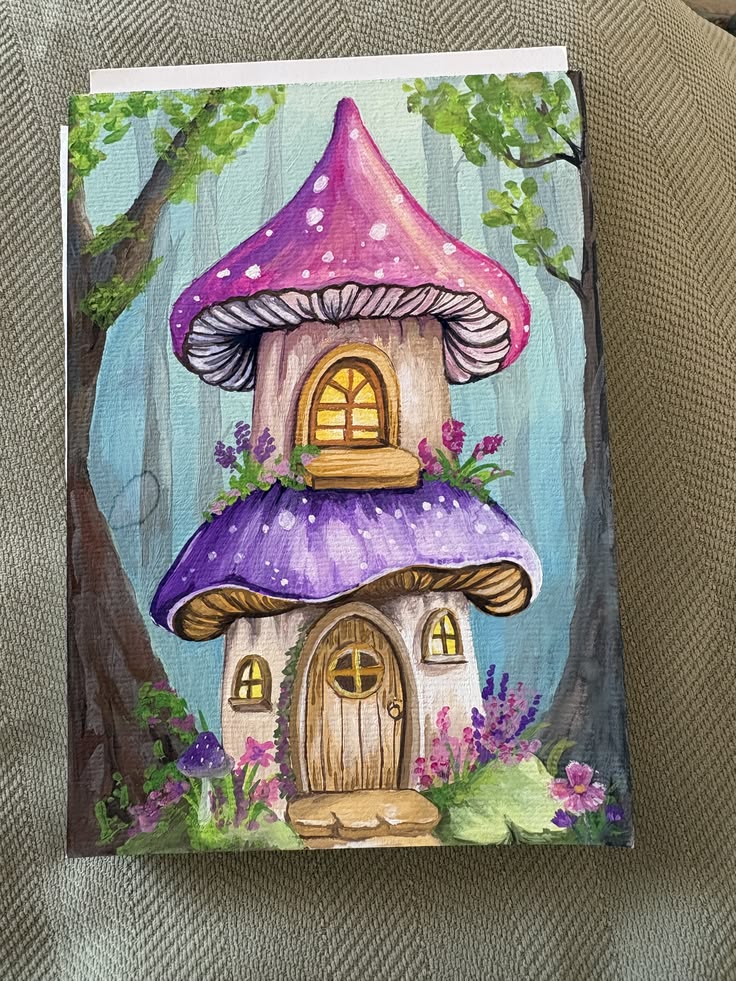
They can recreate a character, setting, object, or imaginary moment. Avoid asking them to copy illustrations perfectly. Instead, encourage them to interpret the story in their own way. Their painting may look completely different from the original book.
This activity helps children connect imagination, storytelling, and visual expression. It can also become a wonderful conversation starter. For more boredom-busting activities, 25 Indoor Activities for Kids That Beat Boredom offers additional ideas for creative days at home.
21. Family Collaborative Painting
A family painting allows everyone to contribute to one large artwork. Use a large sheet of paper or cardboard as your canvas. Each person can choose one section or contribute wherever they want. Children can paint alongside parents, siblings, or grandparents.
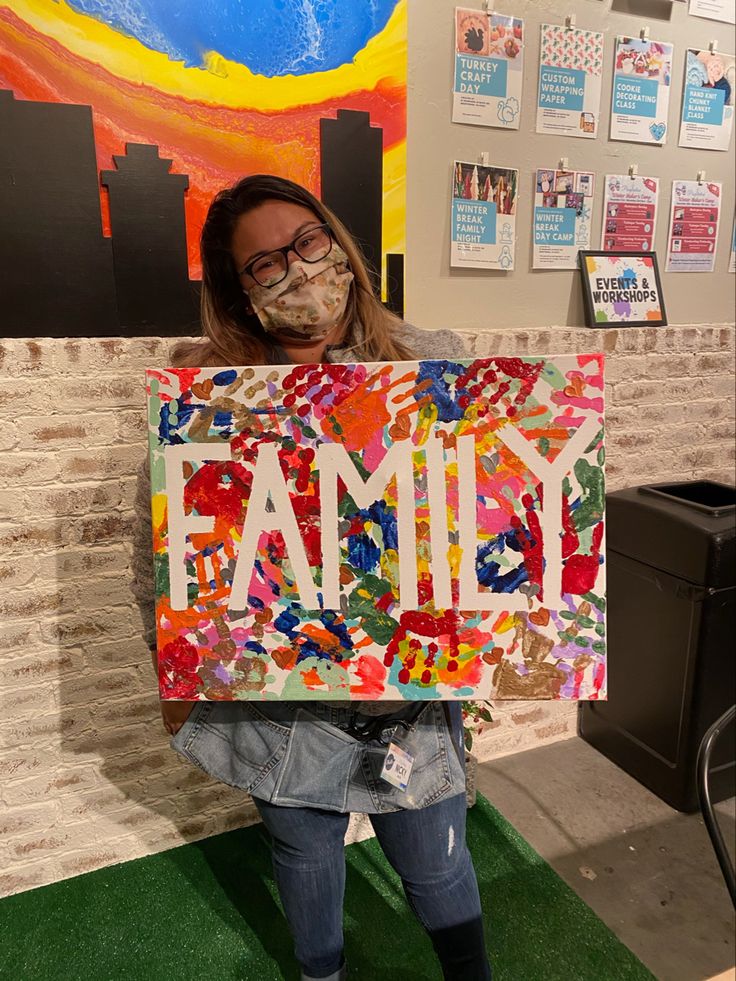
There does not need to be one specific theme. You can create an abstract piece filled with colors, shapes, and patterns. This activity focuses more on connection than artistic perfection. Display the finished artwork somewhere visible as a reminder of your creative time together.
How to Make Painting More Enjoyable for Kids
Painting becomes easier when children have freedom to experiment. Give them several colors and allow them to make choices independently. Avoid correcting every brushstroke or suggesting that something looks wrong.
Protect your workspace before starting. Use washable paints whenever possible and cover tables with old paper or plastic. Keep wipes and water nearby for quick cleanup.
You can also create a dedicated art box containing brushes, sponges, paper, cotton swabs, and other safe supplies. This makes spontaneous creative sessions easier to organize.
If your children’s artwork creates clutter, 25 Kids Room Organization Ideas That Keep Toys and Clutter Under Control can offer practical ways to manage supplies.
Turn Painting Into a Regular Creative Routine
Painting does not have to happen only during school holidays. Set aside one afternoon each week for creative exploration. Children can choose the project and help prepare the supplies.
A regular routine can make creative time something children look forward to. It also gives them opportunities to develop confidence gradually.
You can rotate painting with crafts, drawing, building, and sensory activities. For example, 27 Sensory Bin Ideas That Keep Toddlers Busy Longer can provide a different hands-on activity for another day.
The goal is not to create perfect artwork every time. The goal is to give children a safe space for imagination and experimentation.
Final Thoughts
The best Painting Ideas for Kids make creativity feel exciting rather than stressful. Children can explore colors, textures, patterns, and storytelling while enjoying the process. Simple materials can create surprisingly beautiful results when children have freedom to experiment.
You do not need expensive art supplies or complicated instructions. A few washable paints, paper, and everyday objects can provide hours of creative possibilities. Most importantly, allow children to make choices and celebrate their unique ideas.
Ready to make your next afternoon more colorful? Choose one of these projects, gather your supplies, and let your child’s imagination lead. You may be surprised by the creative masterpiece that appears.