Start Potty Training can feel overwhelming when every attempt seems to end with accidents, tears, or resistance. You may wonder whether your child is ready or whether you are using the wrong approach.
Perhaps you have heard stories about children who learned quickly. Those stories can make you worry that your child is falling behind. Potty training does not have to become a daily battle, though.
Your child needs time to understand their body, practice new skills, and build confidence. When you remove unnecessary pressure, the process can become calmer for everyone.
If you are already working on family routines, How to Build a Daily Routine That Helps Babies and Toddlers Thrive can help create more predictable moments throughout your child’s day.

Maybe you have tried rewards, repeated reminders, or constant encouragement. Your child may refuse the potty, hide when they need to poop, or suddenly have more accidents. These moments can make you wonder whether you should push harder.
However, turning every bathroom visit into a negotiation can create even more resistance. A gentler approach focuses on readiness, preparation, consistency, and patience. You can introduce the potty without demanding immediate success.
Your child can explore it, practice sitting, and gradually understand what happens next. If you are also working on calmer parenting strategies, How to Encourage Good Behavior Without Constantly Yelling or Punishing can offer helpful ideas for responding without creating unnecessary conflict.
When you Start Potty Training, remember that progress rarely happens in a straight line. Some days may bring exciting successes, while others bring accidents or resistance. That does not mean your child has failed.
It also does not mean you have done something wrong. The goal is to help your child develop confidence rather than fear around toileting. In this guide, you will learn how to prepare your child, introduce the potty, create gentle routines, handle accidents, and respond to resistance.
You will also discover when taking a break may be better than pushing forward. With realistic expectations, potty training can become a learning experience instead of another source of stress.
How to Start Potty Training Without Pressure
Look for Signs of Readiness
Before you Start Potty Training, pay attention to your child’s behavior and development. Readiness can look different from one child to another. Your child may show interest in the bathroom or watch you use the toilet. They may tell you when their diaper feels wet or dirty.
Some children begin hiding when they need to poop. Others may stay dry for longer periods during the day. These signs can help you decide whether your child is ready to explore potty training. You do not need to wait for every possible sign.
Most importantly, avoid comparing your child with other children. Development happens at different speeds, and pressure rarely makes learning easier.
Introduce the Potty Slowly
Place the potty somewhere familiar and easy for your child to access. Let your child look at it and become comfortable with its presence. Explain what the potty does using simple language. You do not need to give your child a long explanation.
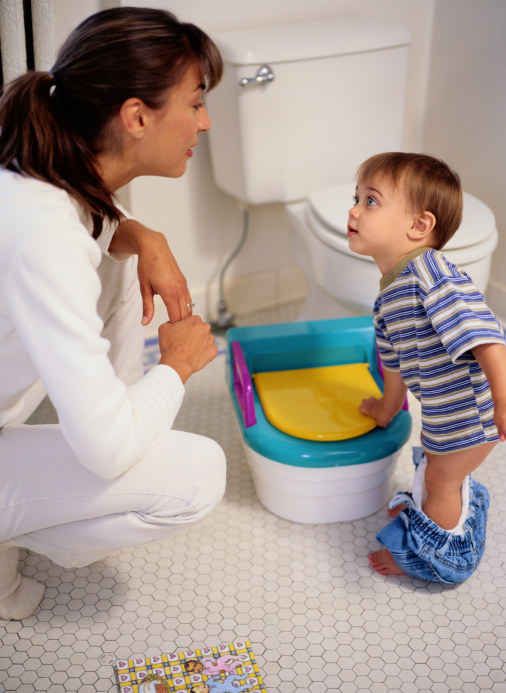
Let your child sit on it fully clothed at first. This removes some pressure from the experience. If your child refuses, do not force them to sit. Give them time and introduce the idea again later.
You can also let your child watch you use the bathroom. Children often learn naturally by observing familiar routines.
Teach Your Child About Body Signals
Help your child understand what happens when they need to pee or poop. Simple words can make these sensations easier to recognize. You might explain that a full bladder can create a feeling of needing to pee. Use language your child already understands.
Pay attention to your child’s individual signals. They may wiggle, hide, squat, become quiet, or suddenly stop playing. When you notice these behaviors, calmly point them out. This can help your child connect their body’s signals with using the potty.
Avoid turning these observations into constant questions. Your child needs space to develop awareness naturally.
Create a Gentle Potty Routine
A predictable routine can make potty training feel less confusing. Offer the potty during natural transition points throughout the day. You might try after waking, before leaving home, after meals, or before bedtime. Choose moments that already fit your family’s schedule.
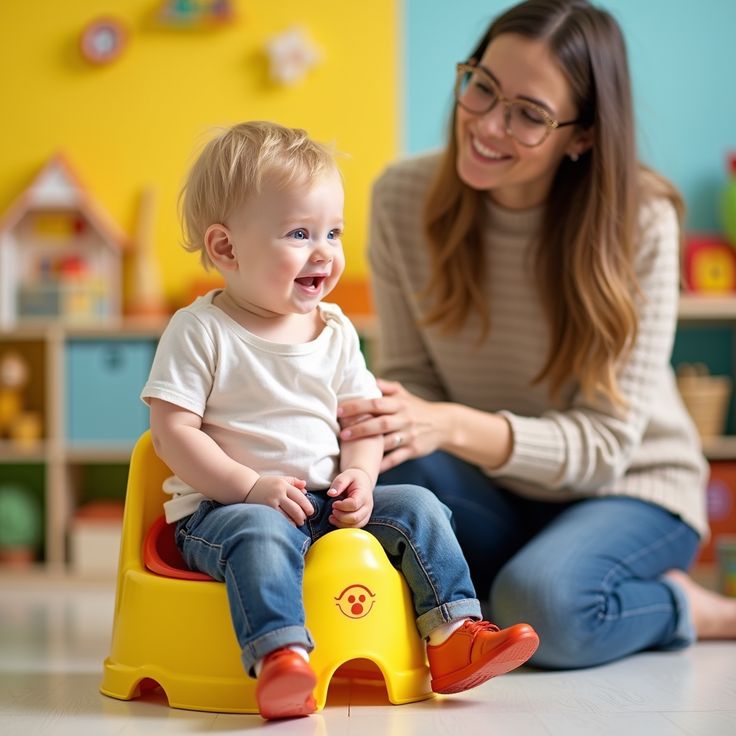
Keep potty sits brief and relaxed. Your child does not need to sit for long periods while waiting for something to happen. If nothing happens, simply move on. An unsuccessful attempt does not need to become a stressful event.
For families building consistent routines, How to Build a Daily Routine That Helps Babies and Toddlers Thrive can provide additional ideas for creating predictable days.
Choose Clothing Your Child Can Manage
Clothing can make potty training easier or harder. Choose pants and underwear that your child can pull down independently. Elastic-waist pants are often easier than clothing with complicated buttons or zippers. Practice pulling clothing down during ordinary dressing routines.

Give your child opportunities to practice these skills before expecting independence. They may need your help for some time. If an accident happens because clothing was difficult to remove, stay calm. Treat it as another skill your child needs to practice.
Make the Bathroom Comfortable
Your child may resist the potty because the bathroom feels uncomfortable or intimidating. Look at the space from your child’s perspective. A child-sized potty may feel less overwhelming than a large toilet. A secure toilet seat and sturdy step stool can also help.
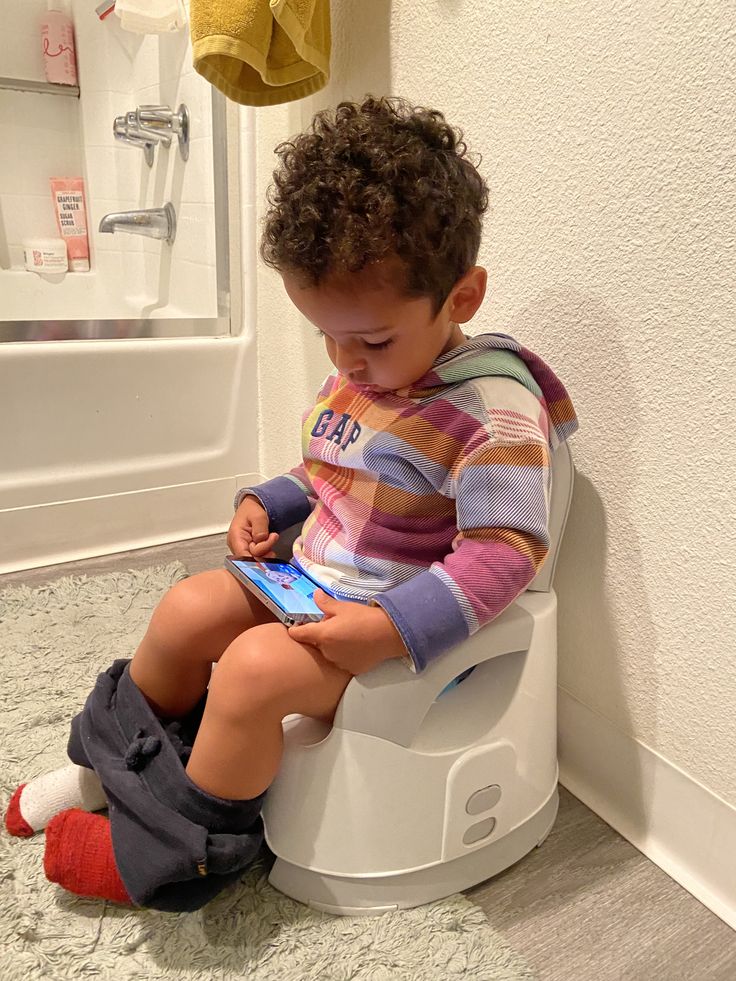
Make sure your child’s feet feel supported when they sit. Feeling stable can make the experience more comfortable. Keep the bathroom calm and reasonably free from distractions. Your child should feel safe rather than rushed.
Avoid Bribes and Excessive Rewards
It can be tempting to offer candy, toys, or treats for every successful potty trip. You can encourage progress without making rewards the center of training. Use genuine praise instead. Acknowledge your child’s effort, awareness, and willingness to practice.
You might say, “You noticed that you needed to go.” Keep your response positive without creating pressure for another success. The goal is independence rather than performance. Your child should gradually learn to recognize and respond to their body’s signals.
Handle Accidents Without Shame
Accidents are a normal part of learning. Your response can influence how comfortable your child feels about continuing. Avoid shouting, teasing, or showing disappointment. Instead, calmly help your child get cleaned up.
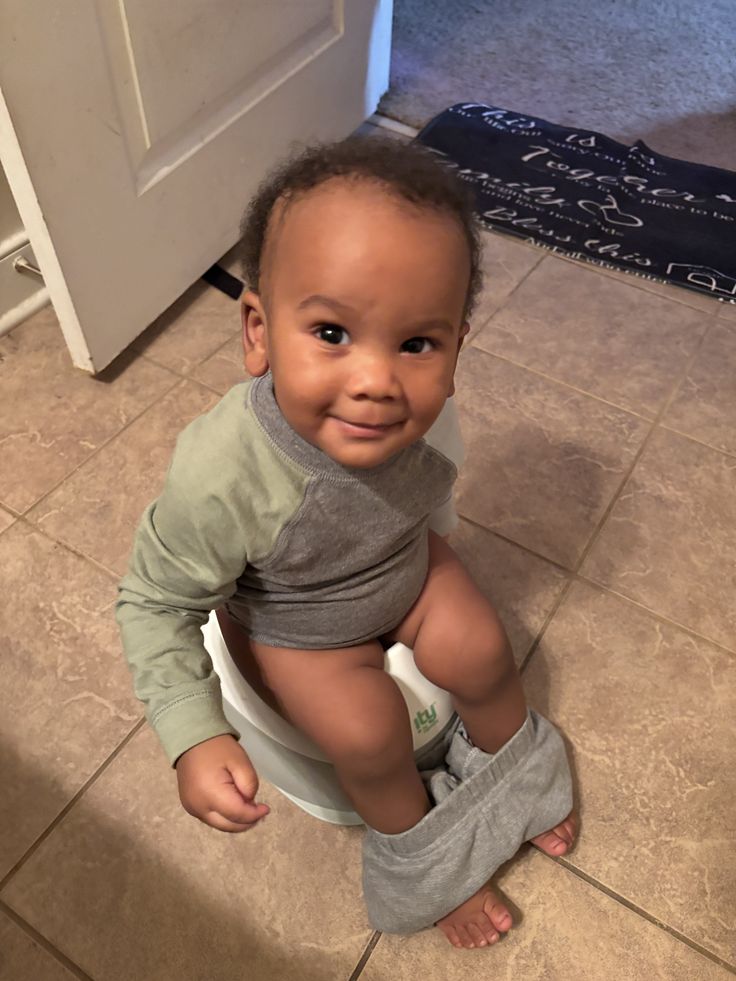
You can simply say that pee or poop came out before reaching the potty. Keep your language neutral and reassuring. Accidents can also provide useful information. Your child may need easier bathroom access or more opportunities to practice.
If your child becomes upset, offer reassurance. A calm response teaches them that mistakes are manageable.
Respond to Resistance Calmly
Resistance does not always mean your child is not ready. Sometimes children simply need more time to adjust to a new expectation. If your child says no, avoid turning the moment into an argument. Give them space and offer another opportunity later.
You can acknowledge their feelings without abandoning the routine. Saying, “You don’t want to use the potty right now,” can show understanding. Your goal is cooperation rather than control. A calmer approach can help prevent potty training from becoming a battle of wills.
Make Potty Training Part of Everyday Life
Potty training works best when it becomes part of ordinary life. Avoid making every bathroom trip feel like a major event. Talk about toileting naturally during dressing, bathing, bedtime, and other routines. Your child can gradually understand how everything fits together.

Keep spare underwear and clothing nearby during the learning stage. Preparation makes accidents much easier to handle. You can also involve your child in simple cleanup. Placing wet clothes into a laundry basket can teach responsibility without creating shame.
Prepare for Potty Training Outside Home
Leaving home can feel intimidating when your child is learning. Start with short outings so your child can gradually experience different bathrooms. Explain beforehand that you may use another bathroom. Keep your explanation simple and reassuring.
Carry spare underwear, pants, wipes, and other essentials. Being prepared can reduce your anxiety when accidents happen. You can also identify the bathroom when you arrive somewhere. Familiar information can help your child feel more confident.
Give Your Child Appropriate Choices
Toddlers often resist when they feel adults control every decision. Small choices can make potty training feel less demanding. Ask whether they want to use the potty before or after brushing their teeth. You could also let them choose between two pairs of underwear.
Keep the choices limited and realistic. Too many options can create another source of frustration. The goal is to give your child some independence while maintaining the overall routine.
Take a Break When Necessary
Sometimes the best approach is to pause potty training temporarily. This can help when resistance becomes intense or your child seems overwhelmed. A break does not mean your child has failed. It simply gives everyone time to reset.
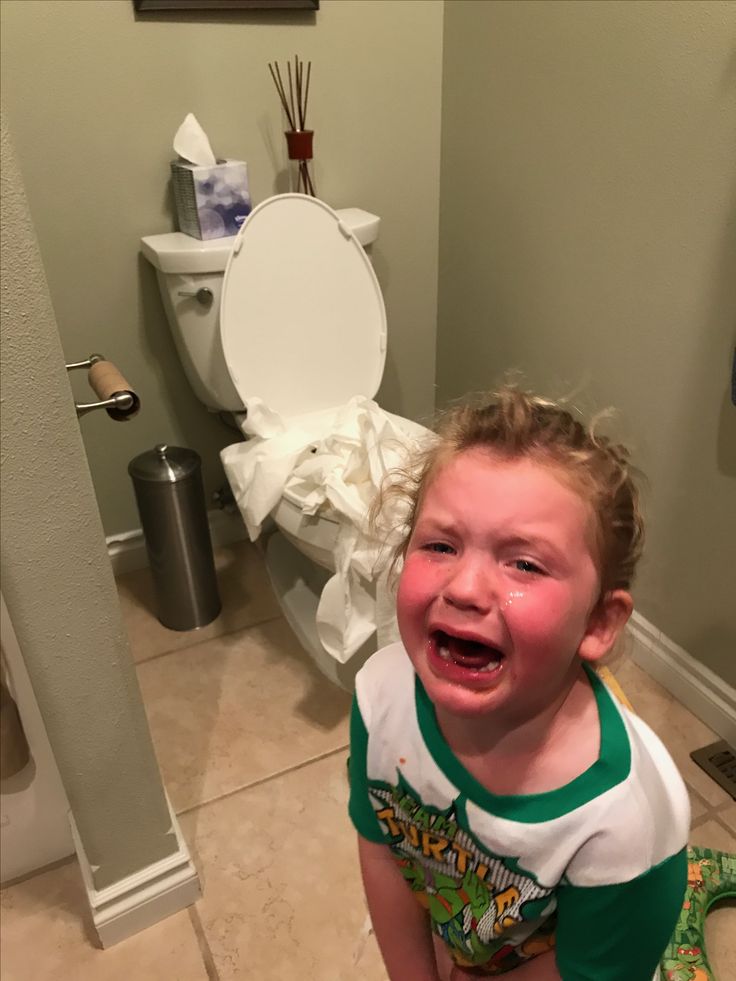
Continue talking about the potty casually during the break. Avoid turning every bathroom moment into another training opportunity.
When your child shows renewed interest, you can gradually begin again. If you have concerns about readiness or persistent difficulties, speak with your child’s pediatrician.
Know When to Ask for Help
Some potty training challenges may require additional guidance. You do not have to figure everything out by yourself. Speak with your child’s pediatrician if you notice persistent pain, constipation, unusual urinary symptoms, or significant distress.
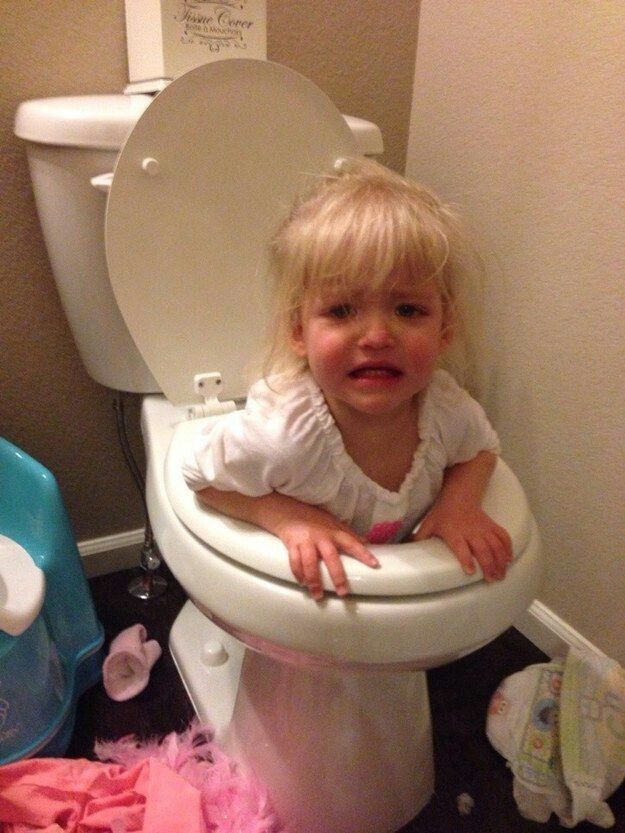
Professional guidance can help determine whether an underlying issue is making toileting difficult. It can also reassure you when development is progressing normally.
Most importantly, do not measure your parenting by how quickly your child becomes fully independent. Patience, encouragement, and emotional safety matter throughout the process.
Final Thoughts
Potty training does not need to become a stressful milestone for you or your child. The goal is not perfect results within a specific timeframe. The goal is helping your child develop confidence and independence.
When you Start Potty Training, focus on readiness rather than comparison. Offer gentle opportunities, keep routines predictable, and respond calmly when accidents happen.
Some days may feel surprisingly easy, while others may feel frustrating. That variation is completely normal during the learning process.
Try to notice small improvements instead of focusing only on successful potty trips. Sitting willingly, recognizing body signals, and communicating needs are all meaningful progress.
Most importantly, protect your relationship with your child throughout the process. Patience can make the experience feel safer and more manageable for everyone.
If other toddler challenges are making your days difficult, 35 Ways to Stay Calm During Toddler Tantrums Without Losing Your Cool can offer additional ideas for responding calmly.
You can also make your child’s daily environment easier to manage by creating predictable routines. Small routines often reduce confusion and give children more opportunities to practice independence.
Remember that there is no perfect potty training timeline for every child. Give your child room to learn, make mistakes, and try again. With patience, consistency, and encouragement, potty training can become another everyday skill your child gradually masters.

