It is easy to assume that keeping a toddler busy requires a basket full of expensive toys, activity kits, and special learning materials. Then one afternoon, you watch your little one become completely fascinated by a spoon, a bowl, a cardboard box, or the buttons on a shirt.
That moment reveals something important: toddlers often learn best when they can explore ordinary things around them. This is why Montessori Activities for Toddlers can be so practical for busy parents. You do not need a perfect playroom or expensive materials to create meaningful activities.
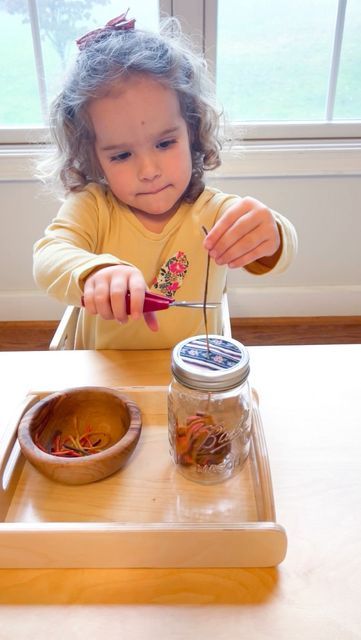
Everyday objects can give toddlers opportunities to practice coordination, concentration, independence, and simple problem-solving. If your days already feel unpredictable, How to Build a Daily Routine That Helps Babies and Toddlers Thrive can also help you create a little structure around these activities.
Of course, letting toddlers work with everyday objects can make parents nervous. You may wonder whether an activity is too difficult, whether your child will lose interest after five minutes, or whether you will end up with an even bigger mess to clean.
Those concerns are completely understandable. The goal is not to create complicated lessons or expect a toddler to sit still for a long period. Instead, choose simple activities that match your child’s abilities and allow them to repeat actions at their own pace.
For more ideas when you need something easy to set up at home, 50 Easy Kids Activities at Home That Keep Little Ones Busy can give you additional inspiration.
The beauty of Montessori Activities for Toddlers is that ordinary household items can become opportunities for purposeful play. A small bowl can become part of a transferring activity, laundry can become a sorting game, and a kitchen sponge can introduce simple practical-life skills.
You can begin with just one activity and observe what captures your child’s attention. Some activities may take only a few minutes, while others may keep your toddler focused much longer.
The important thing is to create a safe, calm space where your child can explore, repeat, make small mistakes, and try again. With that approach, everyday moments can become valuable learning experiences without making your home feel like a classroom.
25 Montessori Activities for Toddlers Using Everyday Items
1. Spoon and Bowl Transfer Activity
Give your toddler two small, sturdy bowls and a child-safe spoon. Place a few large dry items, such as pom-poms or large pasta pieces, in one bowl and leave the other empty. Show your child how to scoop one item at a time and transfer it into the empty bowl.
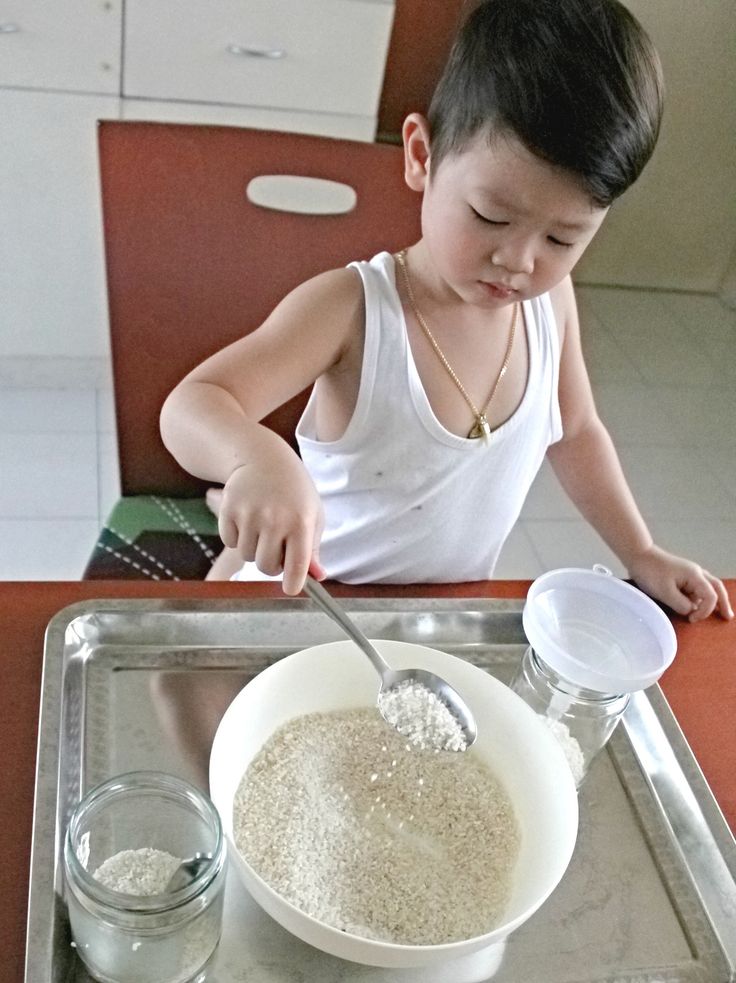
Once they understand the movement, let them continue independently without constantly correcting them. This simple activity helps toddlers practice hand-eye coordination, controlled movements, and concentration. It can also introduce the idea of completing a task from beginning to end, which is an important part of practical learning.
Keep the setup simple because too many materials can make the activity distracting. Sit nearby and observe rather than taking over. Your toddler may spill some items, and that is perfectly normal.
You can even involve them in cleaning up afterward by giving them a small cloth or helping them collect the pieces. Always choose materials that are too large to become a choking hazard and supervise closely throughout the activity.
If your toddler enjoys transferring objects, you can gradually introduce different spoons, bowls, or safe household items to keep the challenge interesting.
2. Sock Matching Game
Turn laundry time into one of the simplest Montessori Activities for Toddlers by giving your child a small pile of clean socks to match. Place several pairs in front of them and demonstrate how two socks can be placed together.
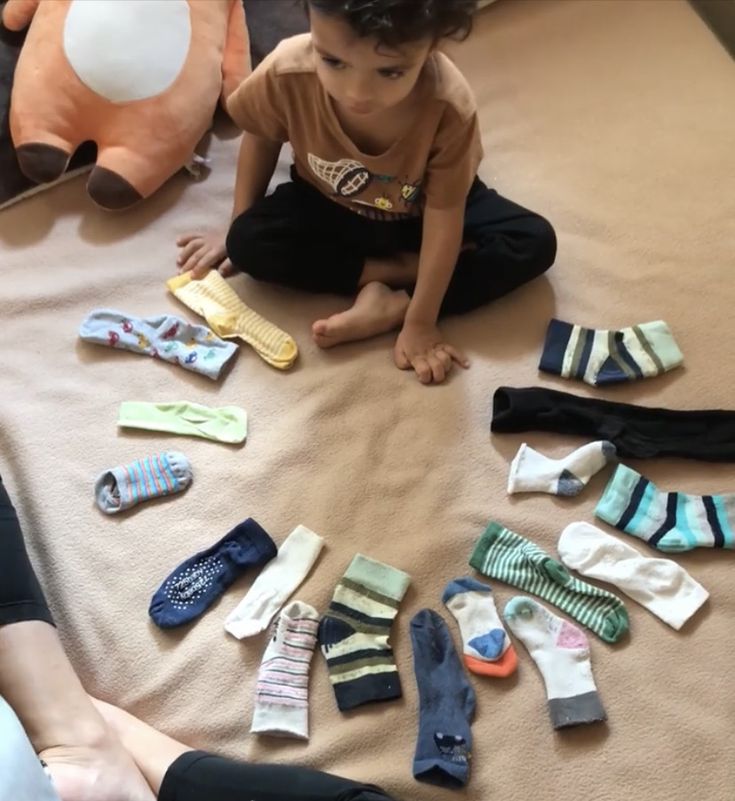
Toddlers can compare colors, patterns, and sizes while practicing visual discrimination. They may not match every pair correctly at first, but the process itself gives them an opportunity to observe details and make decisions independently. You can begin with only two or three pairs before increasing the number.
This activity can also become part of your regular household routine instead of something you need to prepare separately. After washing laundry, set aside a few safe items and invite your toddler to help.
Once they finish matching, show them how to place the pairs into a basket. This adds another small step and gives the activity a clear beginning and ending. If your toddler loses interest, do not force them to continue. The purpose is to make participation enjoyable while allowing them to practice a useful everyday skill.
3. Pouring Water Between Cups
Place two small, unbreakable cups on a low tray and add a small amount of water to one. Show your toddler how to carefully pour the water from one cup into the other.
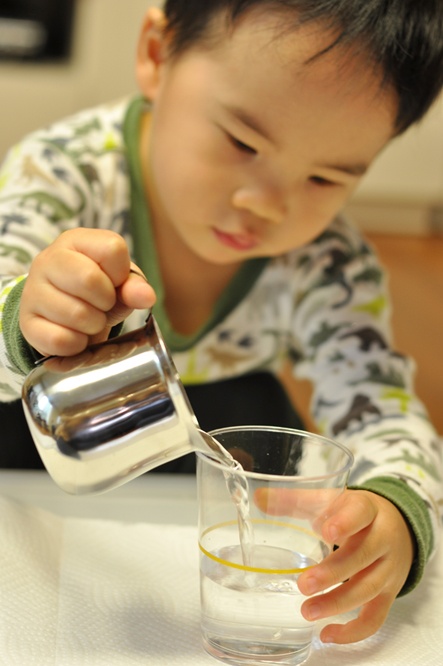
Pouring can help develop hand control, concentration, and coordination while giving toddlers an opportunity to practice a practical skill. Start with only a little water because spills are much easier to manage. You can place a towel underneath the tray so your child can help wipe the surface afterward.
Once your toddler becomes comfortable, you can provide different sizes of cups and let them notice how the amount of water changes. Keep the activity short and stay close because water activities require supervision.
Avoid leaving your child alone with containers of water, even when there is only a small amount. The goal is not to see how much water they can pour without spilling. It is about giving them a chance to slow down, focus their hands, and repeat a purposeful movement.
4. Sorting Kitchen Utensils
Choose a few safe kitchen utensils, such as wooden spoons, silicone spatulas, and large measuring spoons. Place them together in a basket and ask your toddler to sort them into simple groups. You could begin by separating wooden items from silicone items or large utensils from small ones.
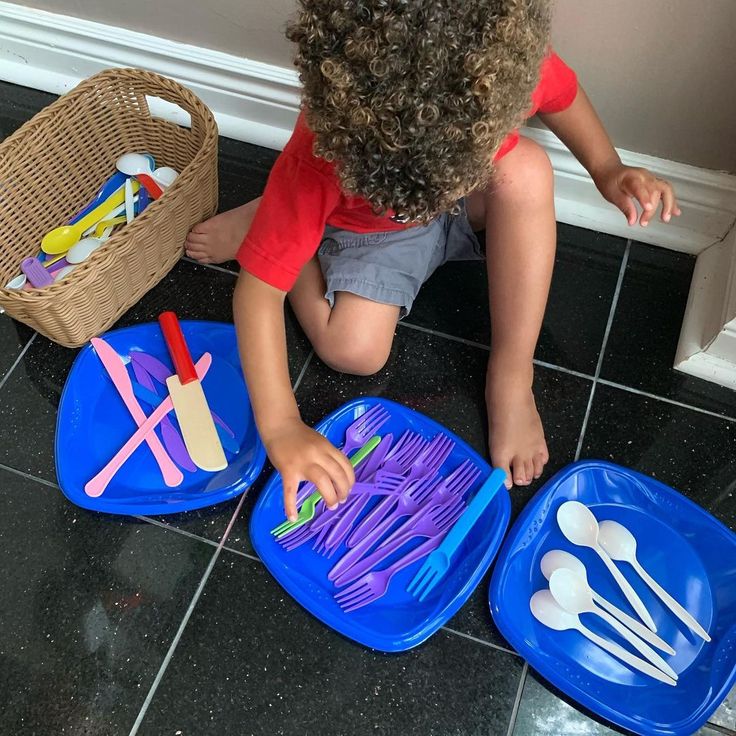
Demonstrate the sorting idea once and then allow your child to explore. Toddlers often enjoy moving objects between groups because the activity gives them a clear purpose.
You can change the categories as your child develops. Instead of sorting by material, try sorting by size or shape. Keep the number of objects manageable so your toddler does not become overwhelmed.
This activity can also encourage vocabulary because you can name each item while your child handles it. Avoid sharp utensils, breakable objects, or anything with small detachable parts. With safe household items, a simple kitchen basket can become a useful learning activity without requiring a trip to the store.
5. Button and Lid Matching
Collect a few clean containers with large, secure lids and let your toddler practice matching each lid to its container. Demonstrate how to place the lid on top and turn or press it into position, depending on the container.
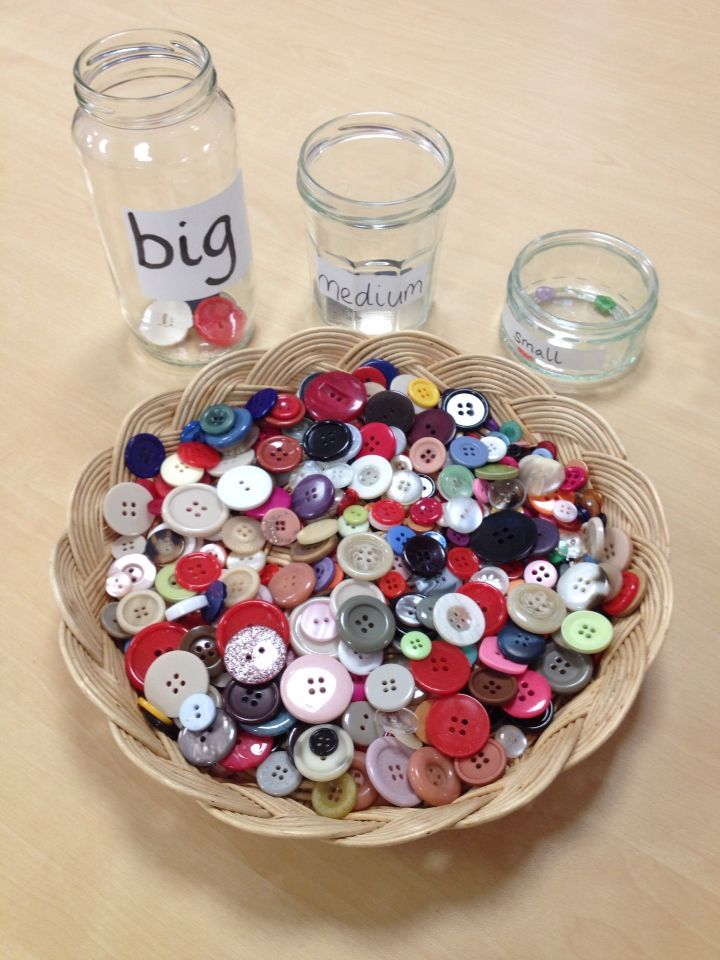
This activity gives toddlers an opportunity to practice fine motor control and problem-solving while exploring how objects fit together. Begin with containers that are easy to open and close so your child can experience success early.
As your toddler becomes more confident, introduce containers with slightly different shapes and sizes. You can place the containers in a small basket and let your child decide which lid belongs to each one.
Stay nearby and make sure there are no tiny pieces or loose components. If a lid is too difficult, replace it rather than turning the activity into a frustrating challenge. The aim is to encourage persistence while keeping the experience enjoyable.
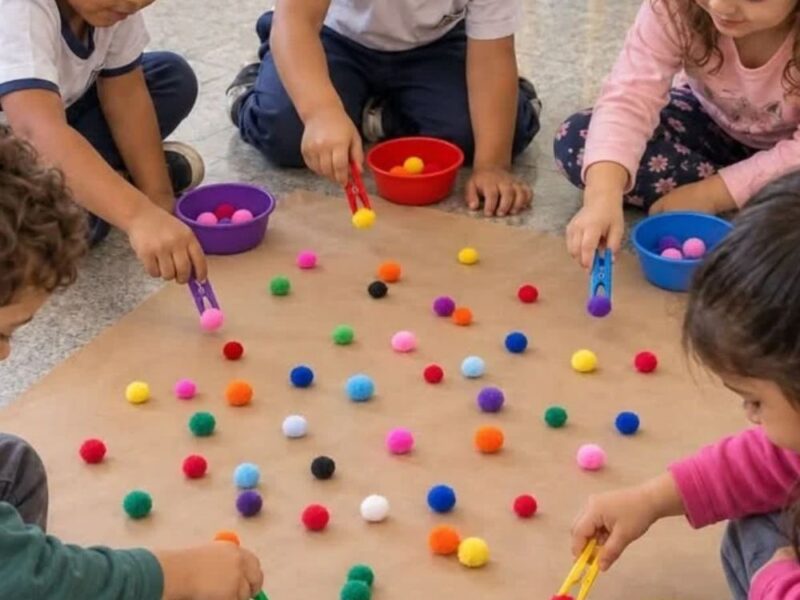
6. Clothespin Basket Activity
Give your toddler a basket and several large, child-safe clothespins. Show them how to squeeze a clothespin open and attach it to the edge of the basket. This movement can help strengthen small hand muscles while improving coordination. Toddlers may need several attempts before they understand how much pressure is needed, so allow them time to experiment.
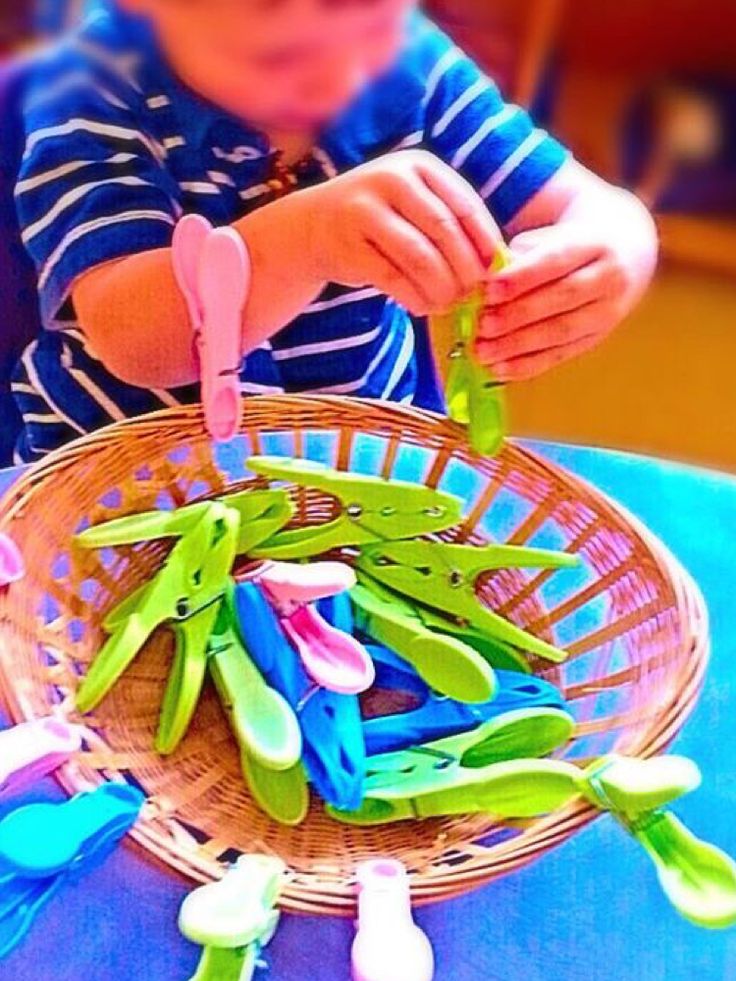
You can turn the activity into a simple color or counting game by asking your child to place all the clothespins around the basket. However, avoid making the activity too complicated at first. The squeezing motion itself provides plenty of practice.
Choose sturdy clothespins without sharp edges and supervise your child because clothespins can pinch little fingers. When your toddler finishes, let them remove the clothespins and place them back into the container.
7. Washing Plastic Toys
Fill a shallow basin with a small amount of water and provide a sponge and a few washable plastic toys. Show your toddler how to dip the sponge into the water and wipe each toy.
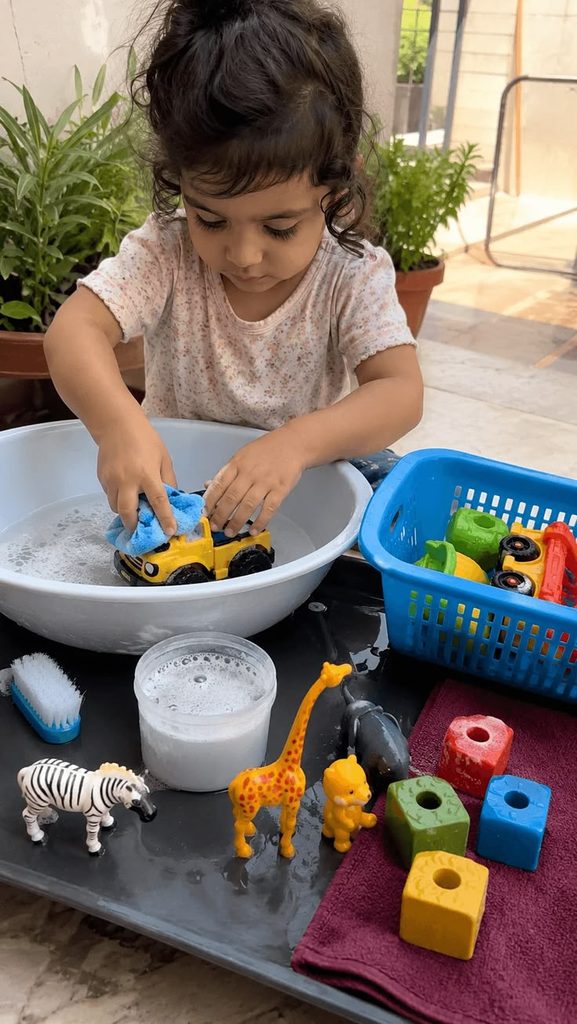
This practical activity allows children to imitate everyday cleaning while practicing hand movements and concentration. It can be especially engaging because toddlers often enjoy copying what adults do around the house.
Keep the water level very low and remain beside your child throughout the activity. Place a towel underneath the basin to make spills easier to manage. Once the toys are clean, your toddler can help place them on a towel to dry.
This creates a simple sequence that feels meaningful rather than simply being another game. You can also introduce vocabulary such as wet, dry, clean, and dirty as your child works.
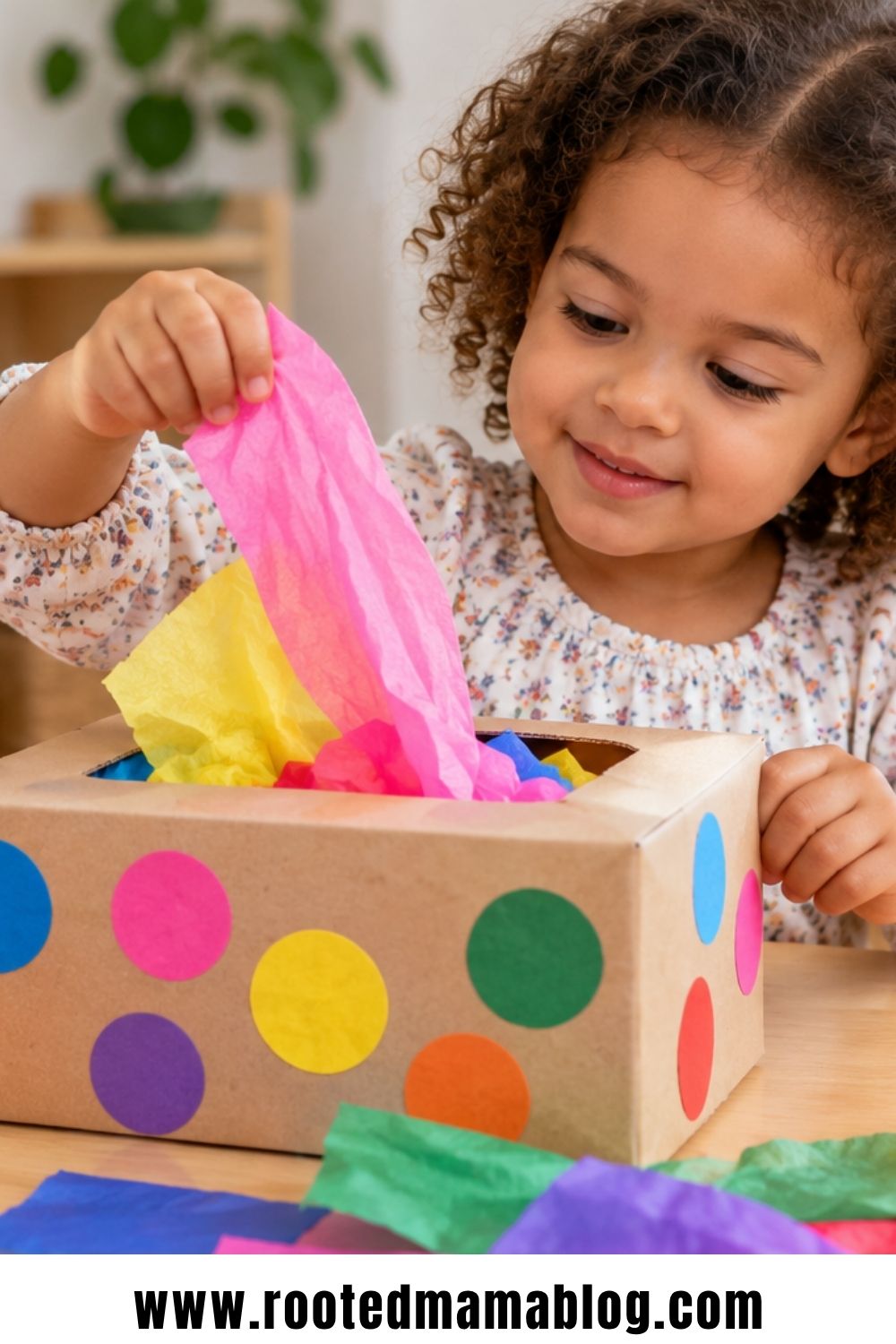
8. Tissue Paper Pulling Activity
Place several pieces of tissue paper into an empty container with part of each piece sticking out. Invite your toddler to pull the pieces out one at a time.
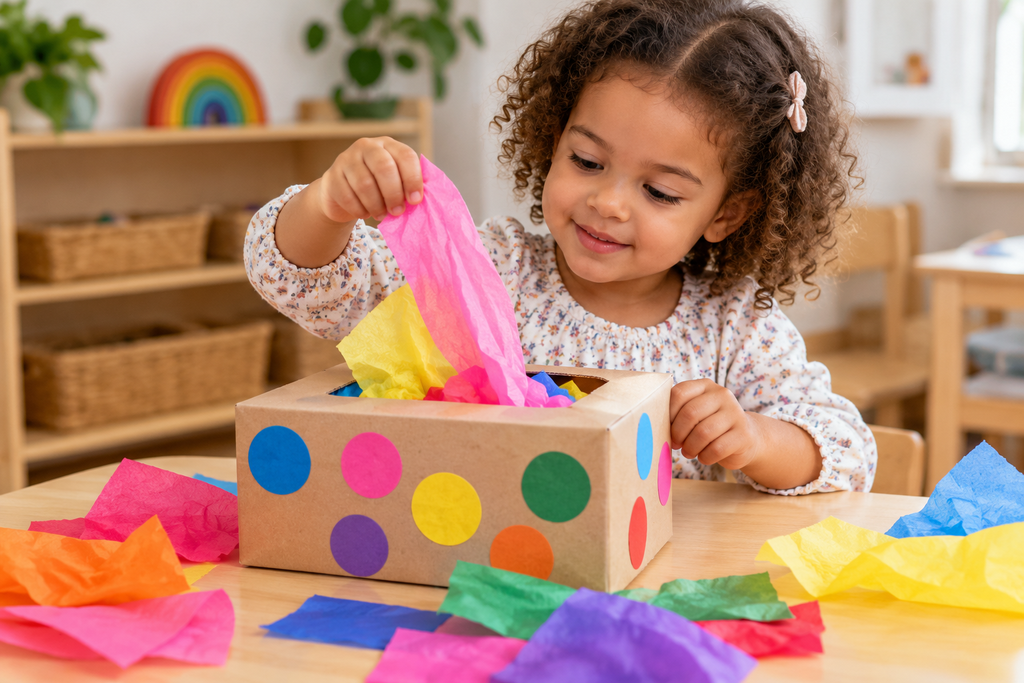
Pulling and grasping the paper can encourage hand coordination while satisfying a toddler’s natural curiosity about removing objects from containers. Once everything is out, you can let your child place the pieces back inside and repeat the process.
This activity costs very little and takes almost no preparation. Use large pieces of paper and supervise closely so your toddler does not put pieces into their mouth. You can also turn it into a simple color activity by using several different colors.
Ask your child to pull out a particular color or sort the pieces afterward. The repetition is part of the learning, so there is no need to rush them through the activity.
9. Kitchen Towel Folding
Give your toddler two or three small, clean kitchen towels and show them how to fold each one in half. The finished folds do not need to be perfect. What matters is giving your child an opportunity to practice aligning edges and completing a simple household task. You can sit beside them and demonstrate slowly before allowing them to try.
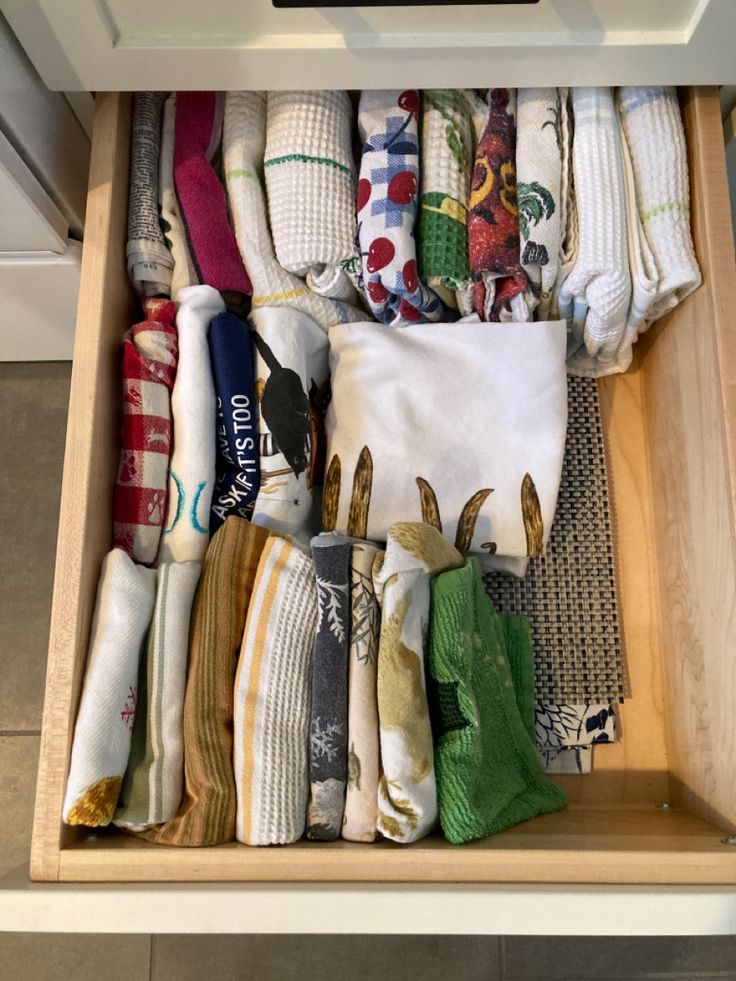
Once they become comfortable, invite them to place the folded towels into a basket or cupboard. This creates a useful routine that can eventually become part of everyday household life.
Toddlers often enjoy feeling helpful, and practical tasks can give them a sense of independence. If your child becomes frustrated, make the towels easier to fold or reduce the number of pieces.
10. Large Object Sorting
Gather a collection of safe household objects that differ clearly in size, color, or shape. You might use large plastic cups, wooden spoons, soft toys, or other toddler-safe items. Place them in a basket and invite your child to create groups. You can begin by sorting only two categories, such as big and small.
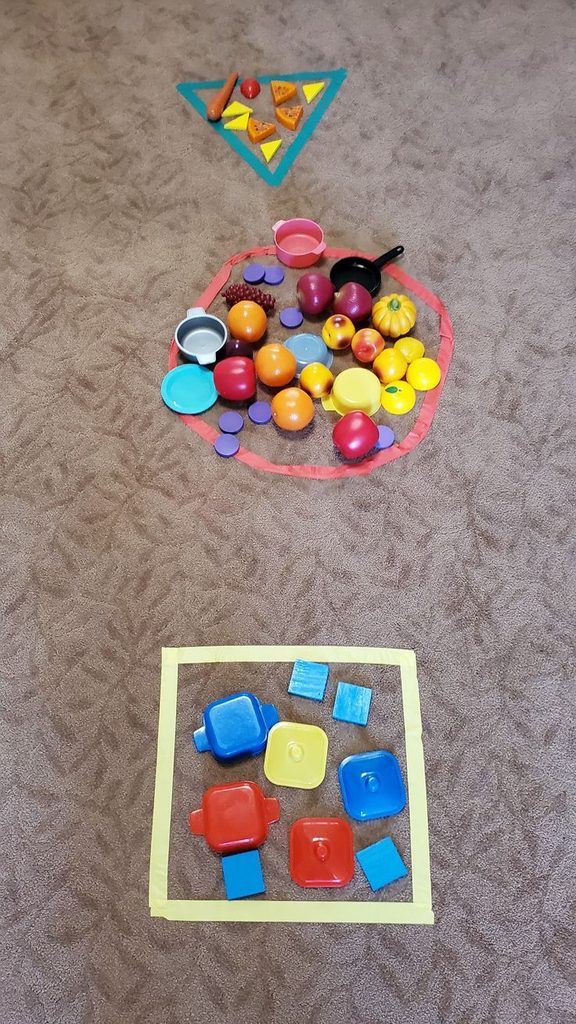
As your toddler becomes more comfortable, introduce another category. Ask questions such as, “Where does this one belong?” instead of immediately giving the answer.
This encourages observation and independent decision-making. Keep the objects large enough to avoid choking risks, and remove anything fragile or sharp. The activity can easily change from day to day because you can use different safe household objects.
11. Sponge Squeezing Activity
Give your toddler a clean kitchen sponge and two shallow containers. Place a little water in one container and leave the other empty. Demonstrate how to dip the sponge into the water, lift it, and squeeze it over the empty container. This simple movement can provide excellent practice for hand strength and coordination.
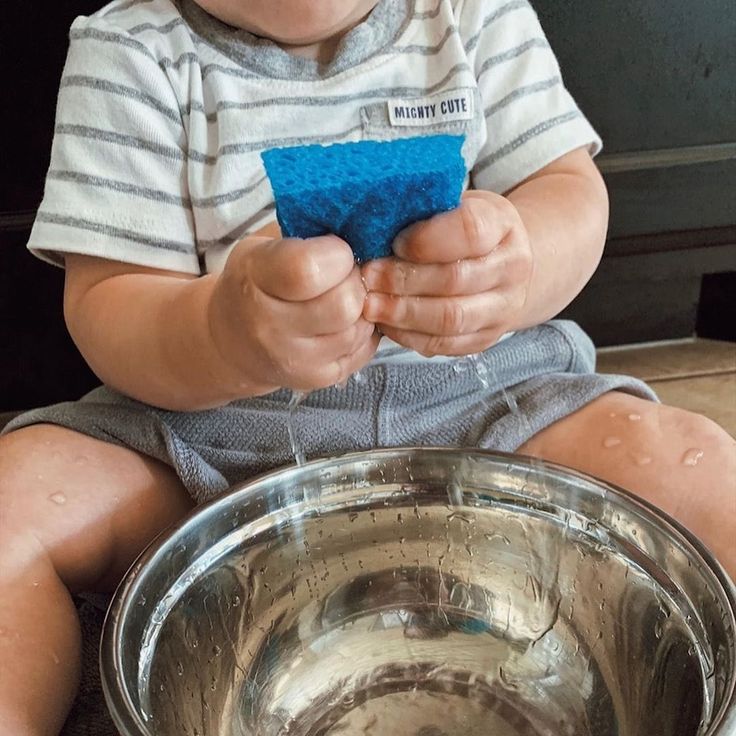
Your toddler may spill water during the first few attempts, so place the activity on a washable surface. You can provide a small towel so they can help clean up afterward.
Avoid using cleaning products or soaps. Plain water is enough for this activity. Because toddlers can become deeply focused on repetitive movements, the simple squeezing action may keep them engaged longer than expected.
12. Peg and Cardboard Activity
Cut several sturdy strips of cardboard and let your toddler attach large clothespins along the edges. Demonstrate how to squeeze the peg and place it onto the cardboard. The repeated movement gives children an opportunity to practice finger strength and coordination while working toward a simple goal.
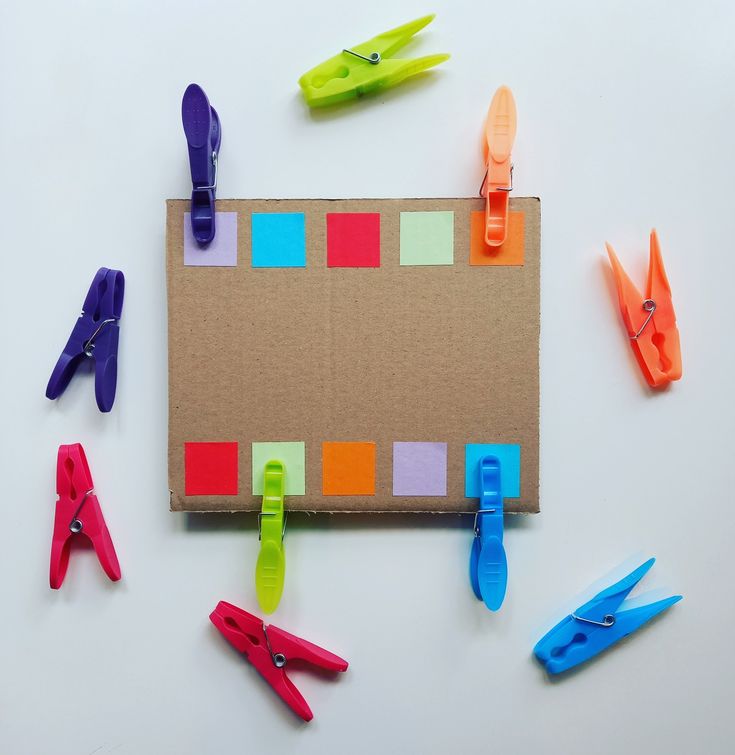
You can make the activity more interesting by drawing large shapes or colors onto the cardboard and asking your toddler to place matching pegs beside them.
Keep the instructions simple and let your child explore. The activity can also be done without the color-matching component if your toddler is still developing basic hand control.
13. Pasta Scoop and Transfer
Place a small amount of large, dry pasta in one bowl and provide another empty bowl with a spoon. Your toddler can scoop the pasta and transfer it from one container to another. This activity combines concentration with hand-eye coordination and gives children a chance to practice controlled movements.
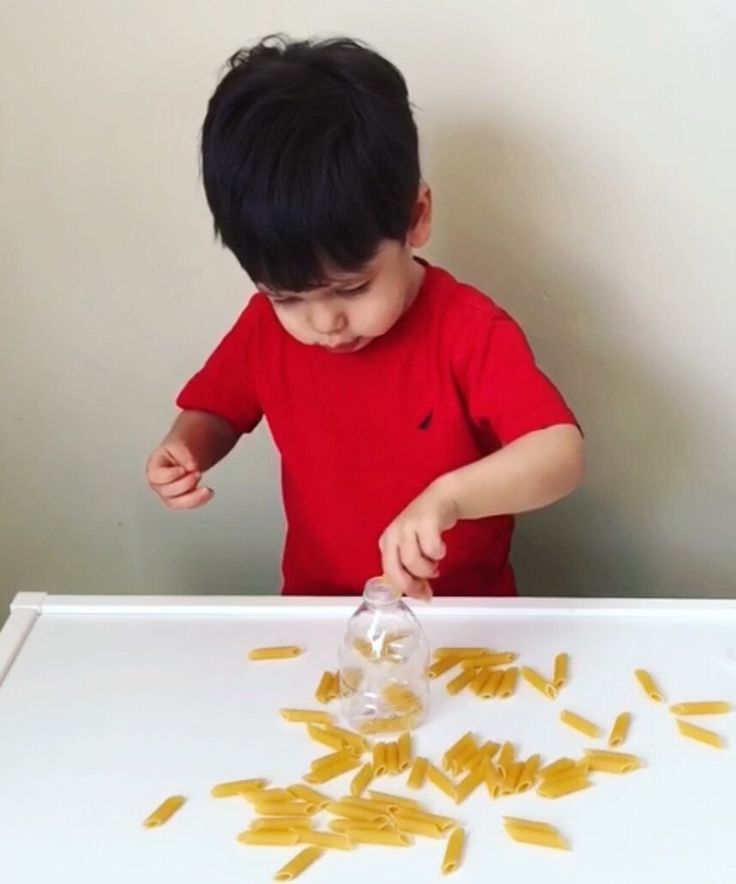
Choose large pasta pieces and supervise closely because dry food items can present a choking risk for young children. You can substitute another safe material appropriate for your child’s age.
Once your toddler has finished, allow them to help return the materials to their container. That final cleanup step reinforces the idea that activities have a beginning, middle, and end.
14. Matching Household Colors
Collect several large, colorful household objects and place them in a basket. Then create two or three simple color groups using paper or containers. Invite your toddler to place each object with the matching color. Start with colors your child already recognizes rather than introducing too many at once.
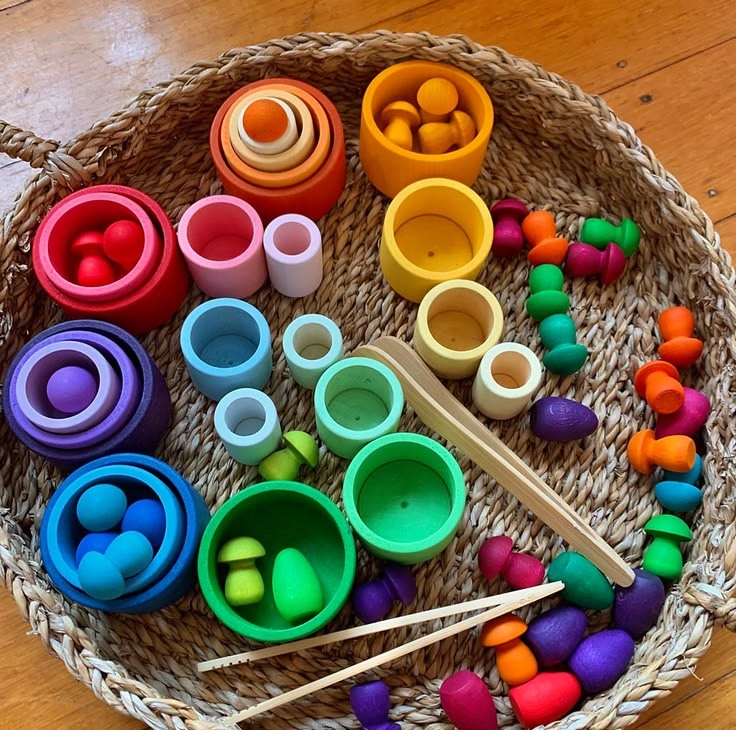
This activity can grow with your toddler’s abilities. At first, they may simply match red with red and blue with blue. Later, you can introduce more colors or ask them to find objects around the room that match a particular color. Keep the objects safe and large enough for your child’s age.
15. Simple Fruit Washing
Give your toddler a few sturdy fruits, a shallow bowl of water, and a clean cloth. Show them how to gently wipe or rinse the fruit. This turns a simple kitchen task into an opportunity for practical learning. Your child can practice holding, rubbing, transferring, and placing objects while participating in something useful.

Stay nearby and make sure the fruit and water are appropriate for your child’s age. You can talk about colors, textures, and names as they work. Once finished, let your toddler help place the fruit on a towel. The activity can become a small part of meal preparation rather than a separate play session.
16. Safe Drawer Organization
Choose one low drawer containing toddler-safe household items and invite your child to help organize it. You might include large wooden spoons, cloth napkins, plastic containers, or other safe objects. Show your toddler where each item belongs and let them return the objects independently.
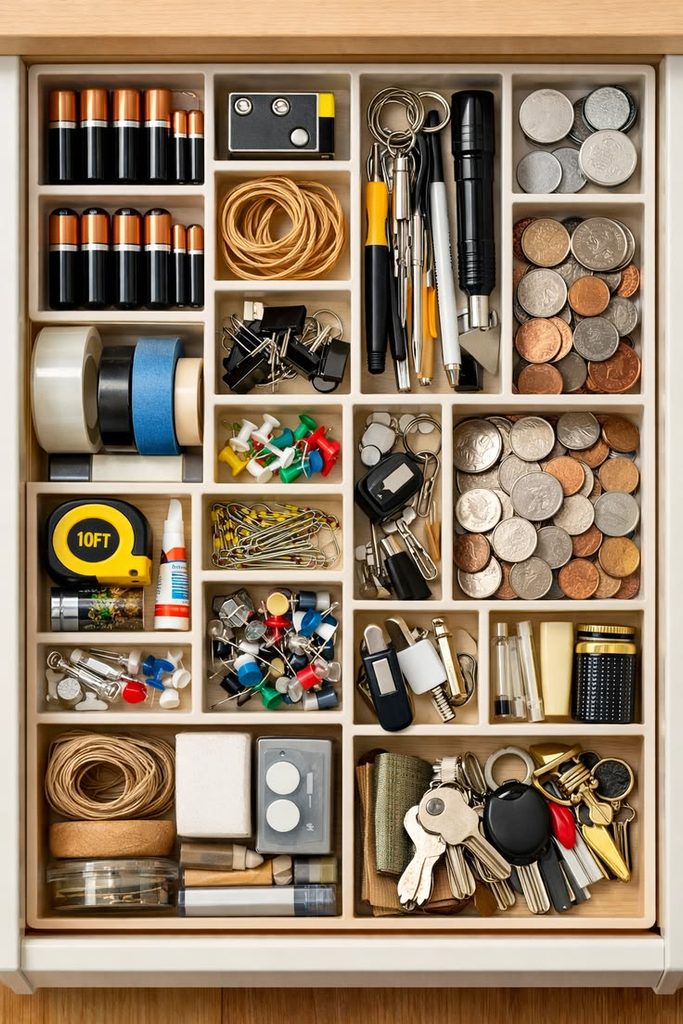
This activity can help toddlers understand simple organization while giving them a feeling of responsibility. It can also make everyday cleanup more engaging. Avoid giving your child access to drawers containing knives, cleaning supplies, medications, breakable objects, or other hazards.
If you want more ideas for creating an easier home environment, 25 Kids Room Organization Ideas That Keep Toys and Clutter Under Control can offer additional inspiration.
17. Napkin Folding Practice
Give your toddler several small cloth napkins and demonstrate a simple fold. You can fold each napkin in half and invite your child to copy you. Do not worry about perfectly aligned edges. The goal is to encourage careful hand movements and participation in a practical household task.
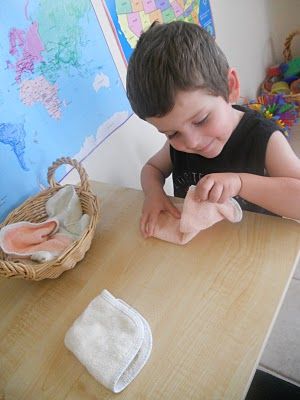
Once your toddler finishes, they can place the folded napkins into a basket. You can repeat the activity before meals or whenever clean napkins need organizing.
This makes the activity feel purposeful rather than like an isolated exercise. Toddlers often respond well when they can see how their work contributes to everyday family life.
18. Container Filling Activity
Place a few large, safe household objects in a basket and provide an empty container. Let your toddler practice putting the objects inside and taking them back out. This simple fill-and-empty process can keep young children engaged because they enjoy seeing objects disappear and reappear.
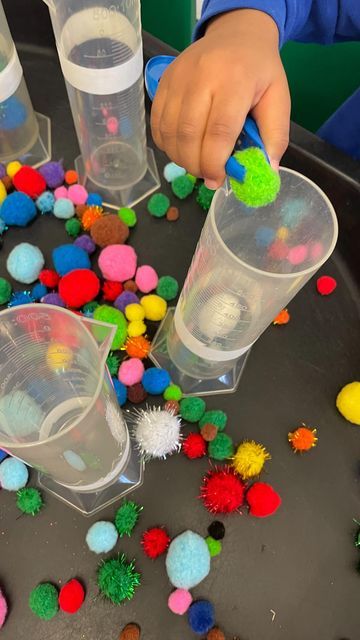
You can change the objects regularly to keep the activity fresh. Soft toys, large blocks, clean socks, or other toddler-safe items can work depending on your child’s age.
Avoid small objects that could be swallowed. Let your toddler repeat the process as many times as they want because repetition can be part of how young children explore and understand an activity.
19. Cleaning a Table
Give your toddler a small, damp cloth and show them how to wipe a low table or another safe surface. Demonstrate slow movements from one side to the other. Then let your child take over. They may wipe the same spot repeatedly, and that is perfectly fine.
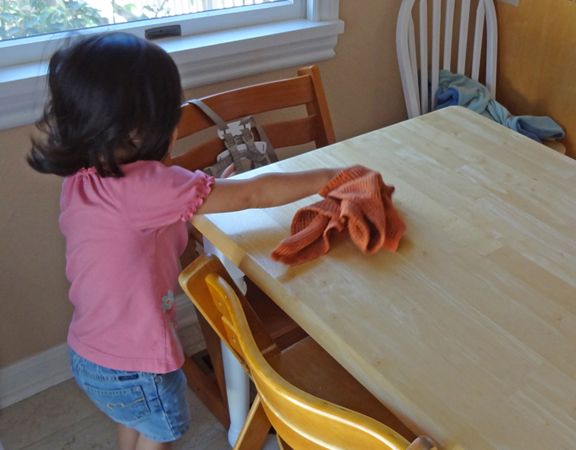
This practical activity allows toddlers to imitate adults while practicing coordination and independence. You can make it part of your normal daily routine after meals or creative activities. Use plain water rather than household cleaning chemicals, and choose a surface that is safe for your toddler to reach.
If your child enjoys helping around the home, 35 Home Organization Ideas Busy Moms Will Wish They Tried Sooner can inspire other simple ways to involve children in everyday routines.
20. Sock Stuffing Activity
Give your toddler several clean socks and a basket containing large, safe soft objects. Show them how to place an object inside a sock and then remove it. The activity combines grasping, pushing, pulling, and problem-solving in one simple setup.
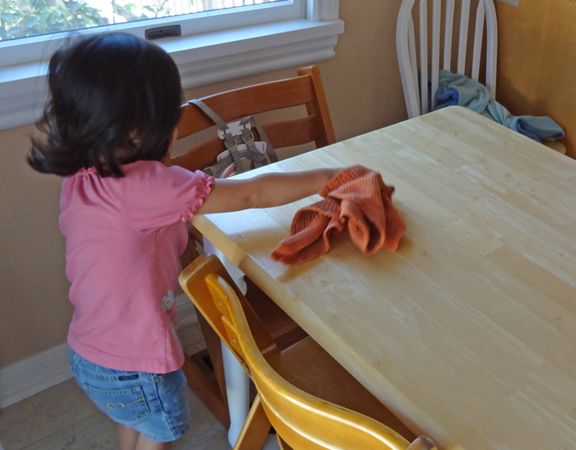
You can make the activity more challenging by using socks with slightly different sizes. Ask your toddler which object fits inside each one. Always supervise closely and avoid objects that are small enough to become choking hazards. The activity should remain simple and safe rather than becoming a test your child has to complete.
21. Spoon and Cup Matching
Place several large spoons and cups on a tray and invite your toddler to pair them. You can start by using different sizes and asking your child to find a spoon that fits comfortably inside each cup. This encourages visual comparison and experimentation.
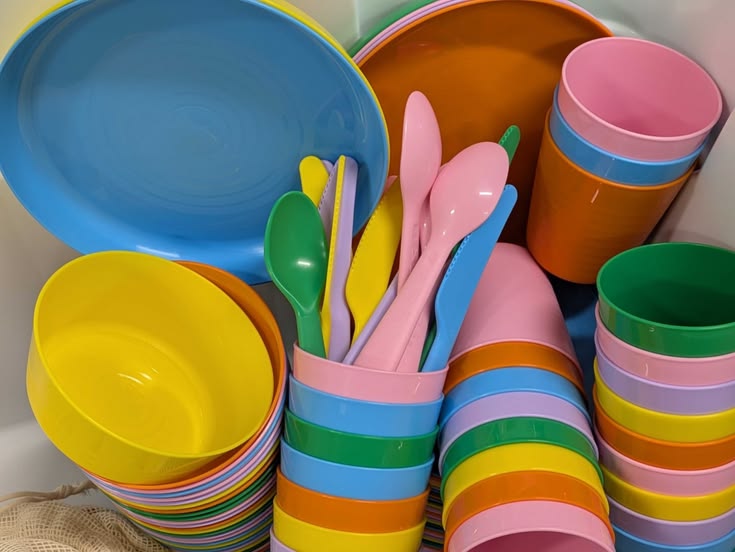
Let your toddler discover the answer instead of immediately showing them which spoon belongs where. They may try several combinations before finding one that works. That process is valuable because it allows them to practice problem-solving independently. Use only sturdy, child-safe cups and spoons.
22. Nature Object Sorting
During a supervised outdoor walk, collect a few large, safe natural objects such as leaves, smooth large stones, or pinecones. Back at home, place them on a tray and invite your toddler to sort them by size, shape, or type. This activity connects indoor learning with the natural world.
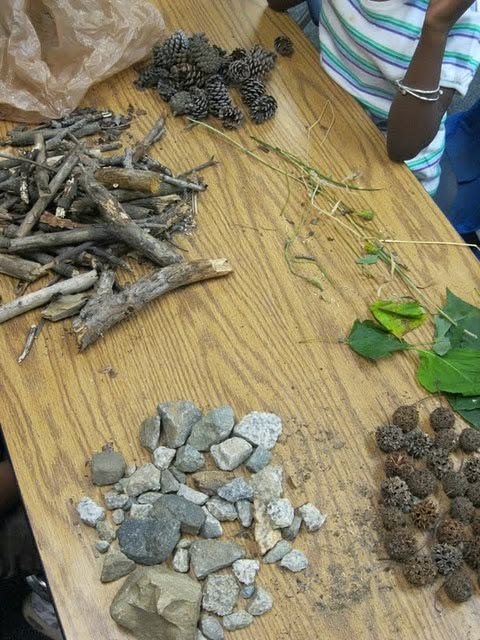
You can also encourage your toddler to describe what they notice. Ask whether an object feels smooth, rough, big, small, light, or heavy. Avoid any plants, berries, mushrooms, or objects you cannot confidently identify as safe.
For another nature-inspired activity, 31 Leaf Crafts for Kids That Turn Fall Walks Into Creative Fun can help you turn collected leaves into a creative project.
23. Toy Cleaning Basket
Create a small cleaning station using a basket, a dry cloth, and a few washable toys. Show your toddler how to wipe each toy before returning it to its place. This gives them a practical responsibility while also practicing controlled movements.

Keep the task simple and avoid expecting perfect cleaning. The value comes from allowing your child to participate. You can make it part of the daily routine after playtime. When toddlers learn that toys are cleaned and returned after use, they gradually become more familiar with simple household organization.
24. Everyday Object Matching
Place several pairs of familiar household objects on a tray. You might use two large spoons, two matching socks, two cups, or two similar containers. Mix them together and ask your toddler to find the pairs. This activity encourages observation and visual discrimination.
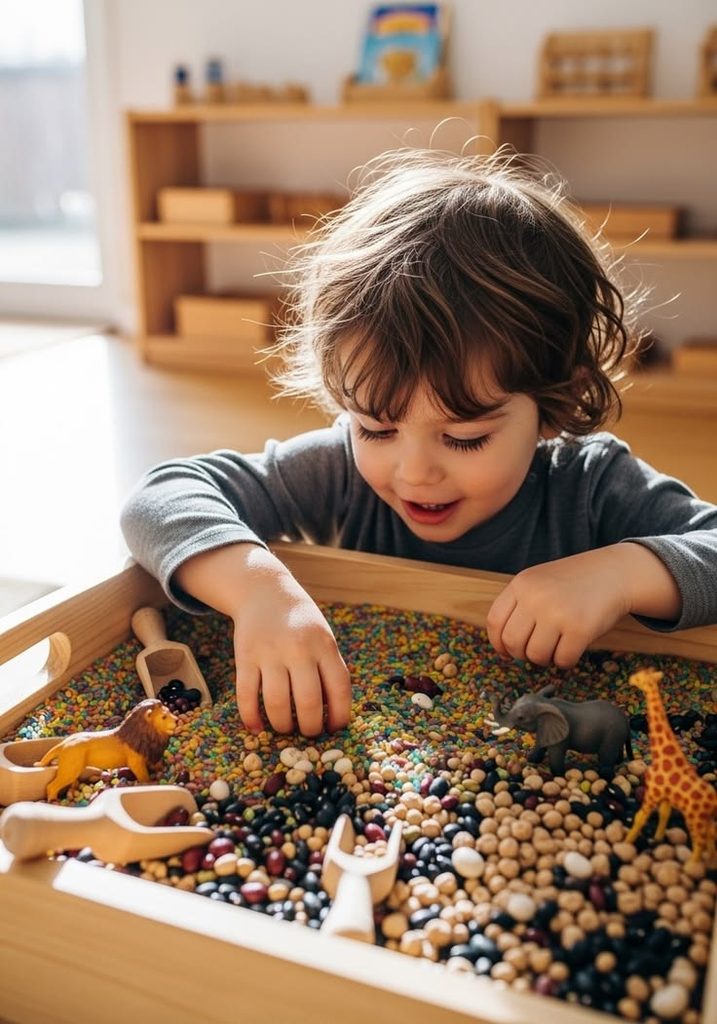
Begin with only a few pairs so your toddler can experience success. As their skills develop, add more. You can also use the opportunity to name each object and describe its purpose. Because the materials come from everyday life, you can repeat this activity without needing to purchase anything.
25. Simple Household Helper Station
Create a small area where your toddler can safely practice several simple household tasks. You might include a cloth for wiping, a small basket for sorting, napkins for folding, or safe utensils for organizing. Rather than giving your child everything at once, introduce one task at a time and demonstrate how to complete it.
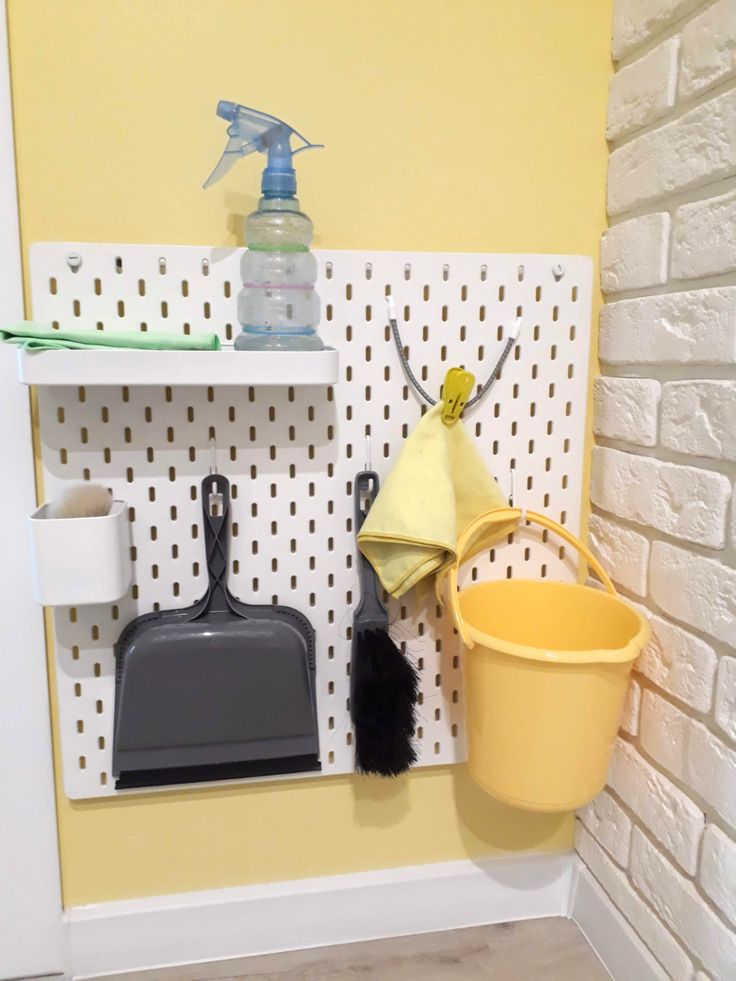
This can become one of the most meaningful Montessori Activities for Toddlers because it connects play with real-life participation. Your toddler learns that their actions can contribute to the family environment. Keep expectations realistic and remember that toddlers will need plenty of repetition before they master a task.
If they spill, fold unevenly, or put something in the wrong place, treat it as part of learning rather than a failure. For more ideas that encourage independence and hands-on exploration, 25 Fine Motor Activities for Toddlers That Build Hand Strength Through Play is a natural next step.
Final Thoughts
You do not need expensive Montessori materials to create meaningful learning opportunities for your toddler. Some of the best Montessori Activities for Toddlers can begin with the things already sitting in your kitchen, laundry basket, bathroom, or play area. A spoon, cup, towel, sock, sponge, or safe container can become an opportunity to practice coordination, concentration, independence, and problem-solving.
The key is to keep the activity simple, demonstrate it calmly, and then give your child enough freedom to explore it independently. Your toddler may spill, make mistakes, or repeat the same action dozens of times, but those moments are part of the learning process.
Most importantly, remember that toddlers develop at different speeds. An activity that keeps one child focused for twenty minutes may interest another child for only three minutes. That is completely fine. Follow your child’s curiosity, adjust activities when needed, and avoid turning simple play into a performance.
You can rotate a few activities throughout the week instead of setting up something new every day. Over time, these small opportunities can help your toddler become more confident with everyday tasks while making home life more engaging. Start with one activity today, use what you already have, and let your little learner discover just how much there is to explore.