Watching your toddler learn to hold a crayon, stack blocks, or pick up tiny toys can be exciting. These little milestones show how your child is discovering new ways to use their hands.
However, you might sometimes worry when your toddler struggles to grasp objects, turn book pages, or use a spoon independently. The good news is that simple play activities can help children practice these skills naturally.
Fine Motor Activities for Toddlers provide enjoyable opportunities to develop hand strength, finger control, and coordination without expensive toys or complicated lessons.

Imagine preparing breakfast while your little one sits nearby, happily squeezing play dough or transferring large blocks between containers. These everyday moments can become valuable learning opportunities when you choose activities suited to your child’s age and abilities.
You can explore 25 Montessori Activities for Toddlers Using Everyday Items for simple ways to encourage hands-on learning at home. For additional inspiration, discover 27 Sensory Bin Ideas That Keep Toddlers Busy Longer to find playful activities that encourage touching, exploring, and experimenting.
The best part is that you do not need a dedicated playroom or a collection of expensive educational toys. Everyday materials, including paper, large blocks, washable crayons, and soft dough, can support your toddler’s developing skills.
In this guide, you will discover 25 engaging activities that encourage children to squeeze, grasp, stack, scoop, and create while having fun. You will also learn how to adapt each activity to your child’s abilities and keep playtime safe.
Remember, every toddler develops at their own pace, so focus on encouragement, exploration, and small achievements rather than comparing your child with others.
25 Fine Motor Activities for Toddlers That Build Hand Strength Through Play
1. Play Dough Squeezing and Rolling
Play dough is a wonderful starting point when you want your toddler to strengthen little hands through enjoyable play. Give your child a soft ball of age-appropriate, nontoxic play dough and demonstrate how to squeeze, roll, flatten, and pinch it.

These movements encourage children to use different finger muscles while exploring textures and shapes. You can turn the activity into a pretend bakery by making dough balls, tiny pretend cookies, or simple snakes. Let your toddler experiment freely instead of expecting perfectly shaped creations.
For extra inspiration, explore 25 Montessori Activities for Toddlers Using Everyday Items for more hands-on learning ideas. Choose dough suitable for your child’s age, supervise closely, and prevent tasting or swallowing. Avoid small dough accessories that could become choking hazards.
If your toddler tires quickly, offer a shorter session and try again another day. The goal is to make hand-strength practice feel like play, not a task your child must complete.
2. Stacking Large Building Blocks
Building towers with large blocks encourages toddlers to grasp objects, control their movements, and coordinate both hands. Start with a few lightweight blocks that are easy for your child to hold.

Show them how to place one block on another, then invite them to continue the tower. Your toddler might knock it down immediately, and that is perfectly fine. Rebuilding the tower creates another opportunity to practice grasping, reaching, and releasing objects with greater control.
Make the activity more engaging by naming colors or counting each block as you build together. You can also create simple challenges, such as building a short tower beside a taller one. Keep the blocks large enough to avoid choking risks and check them for broken edges.
For more ideas that encourage active learning, explore 50 Easy Kids Activities at Home That Keep Little Ones Busy. Celebrate your toddler’s attempts rather than focusing on how tall the tower becomes.
3. Transferring Large Pom-Poms by Hand
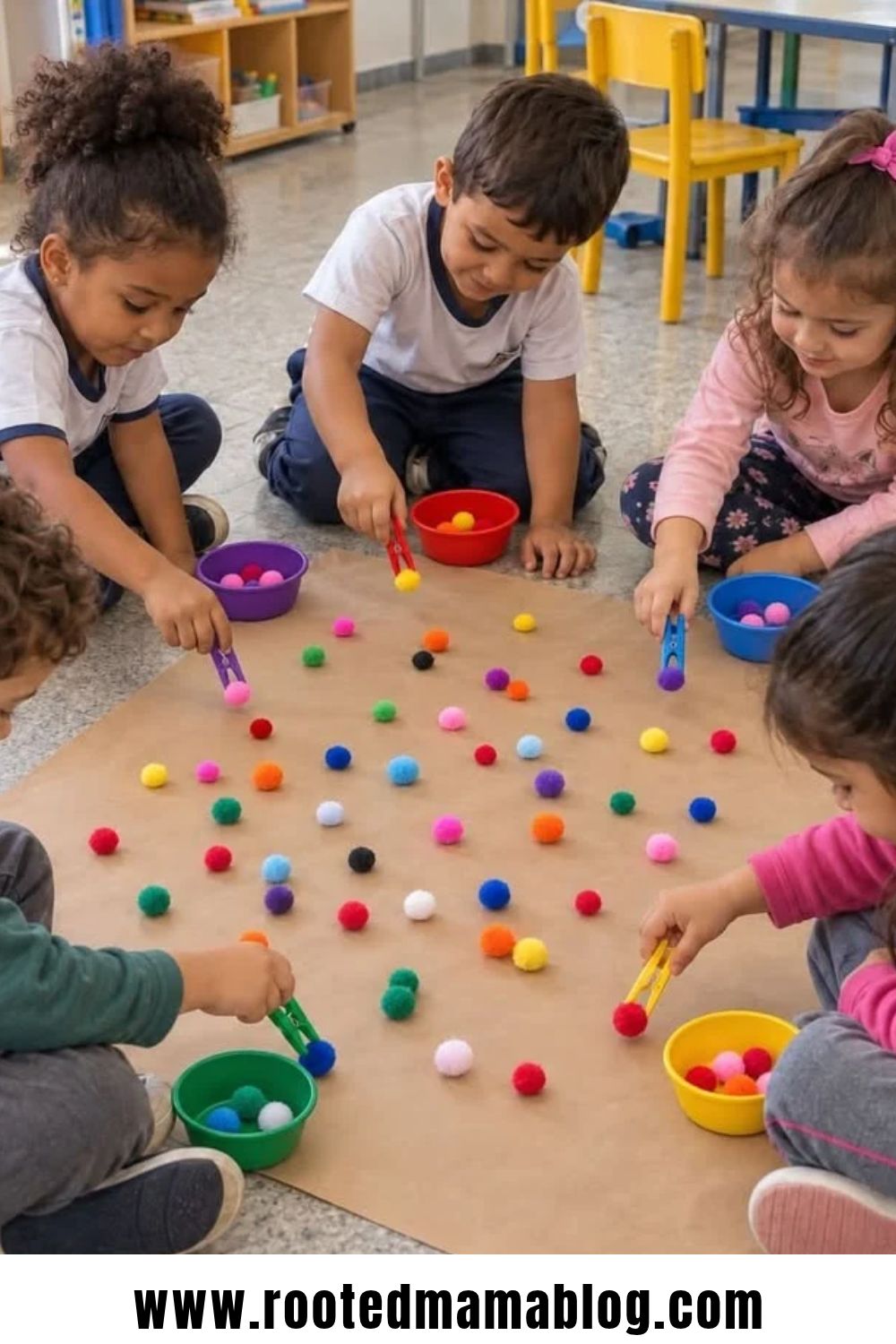
Moving soft objects between containers helps toddlers practice grasping, releasing, and coordinating their hands. Place a few large, lightweight pom-poms in one shallow bowl and an empty bowl beside it.
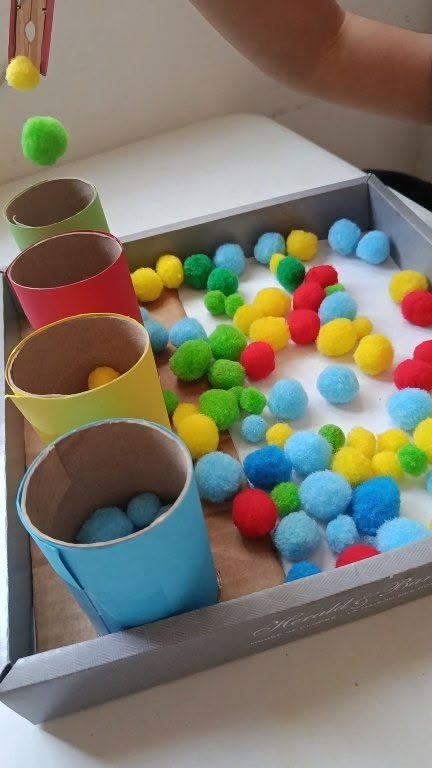
Demonstrate how to pick up one pom-pom and drop it into the second bowl. Your child can repeat the movement at their own pace, using either hand or switching between both hands as they explore.
You can make the activity more interesting by choosing two contrasting bowls or sorting objects by color. However, use only pieces too large to swallow, and supervise your toddler throughout the activity.
Pom-poms can pose choking hazards, particularly for children who still put objects in their mouths. If your child is not ready for them, use large fabric squares or soft blocks instead.
For more sensory inspiration, discover 27 Sensory Bin Ideas That Keep Toddlers Busy Longer and adapt suitable activities to your child’s abilities.
4. Scribbling With Chunky Crayons
Scribbling gives toddlers a chance to practice holding a drawing tool and controlling its movement across paper. Provide chunky, washable crayons designed for young children and secure a large sheet of paper on a flat table.
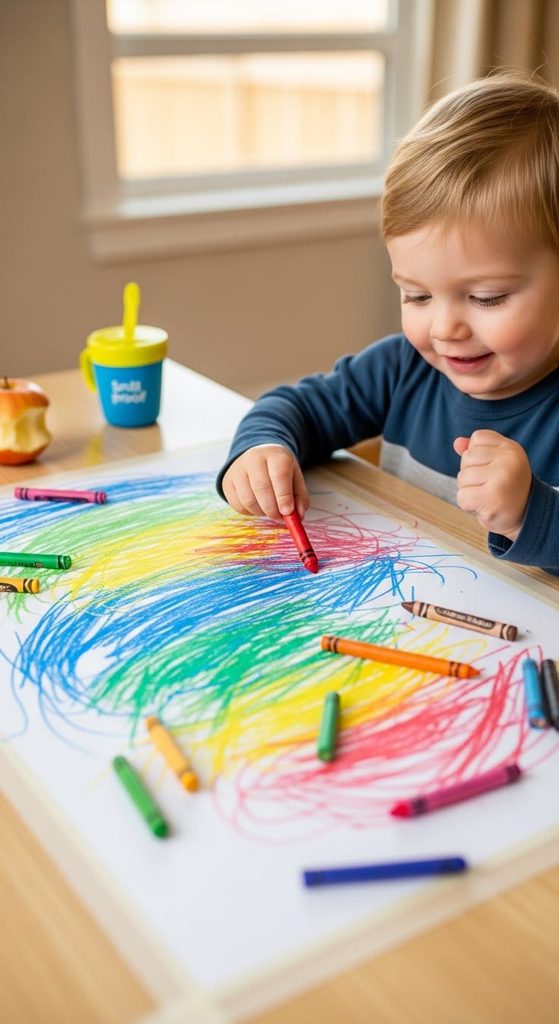
Show your toddler how to make lines, circles, dots, and colorful marks. Your child might grip the crayon with their whole fist at first. That is a normal part of early exploration, so avoid forcing a mature pencil grip before your child is ready.
Try drawing simple shapes together or inviting your toddler to add marks to a picture you have started. You can also place the paper on a suitable easel if your child enjoys standing while drawing. Keep crayons away from mouths and supervise closely.
For more creative inspiration, explore 21 Fun Painting Ideas for Kids That Spark Creativity. Remember that the process matters more than the finished picture. Every scribble provides an opportunity to experiment with movement and hand control.
5. Turning Thick Book Pages
Reading together can support early language development while giving toddlers opportunities to practice finger movements. Choose a sturdy board book with thick pages that your child can grasp more easily.

Sit beside your toddler and demonstrate how to lift one page and turn it slowly. At first, your child might turn several pages together or need help finding the edge. Allow time for repeated attempts without rushing the process.
Make reading interactive by pointing to familiar pictures and asking your child to find favorite animals or objects. You can also let your toddler choose the book and turn pages independently whenever possible.
For more ideas that combine learning with everyday routines, explore How to Build a Daily Routine That Helps Babies and Toddlers Thrive. Keep the experience relaxed and enjoyable rather than treating page turning as a test.
Small opportunities to handle books can help your toddler become more confident with their hands while building a positive relationship with reading.
6. Scooping and Pouring Large Objects
Scooping and pouring help toddlers practice grasping, wrist movement, and hand-eye coordination. Set out two sturdy bowls and several large, safe objects that cannot fit inside your child’s mouth.
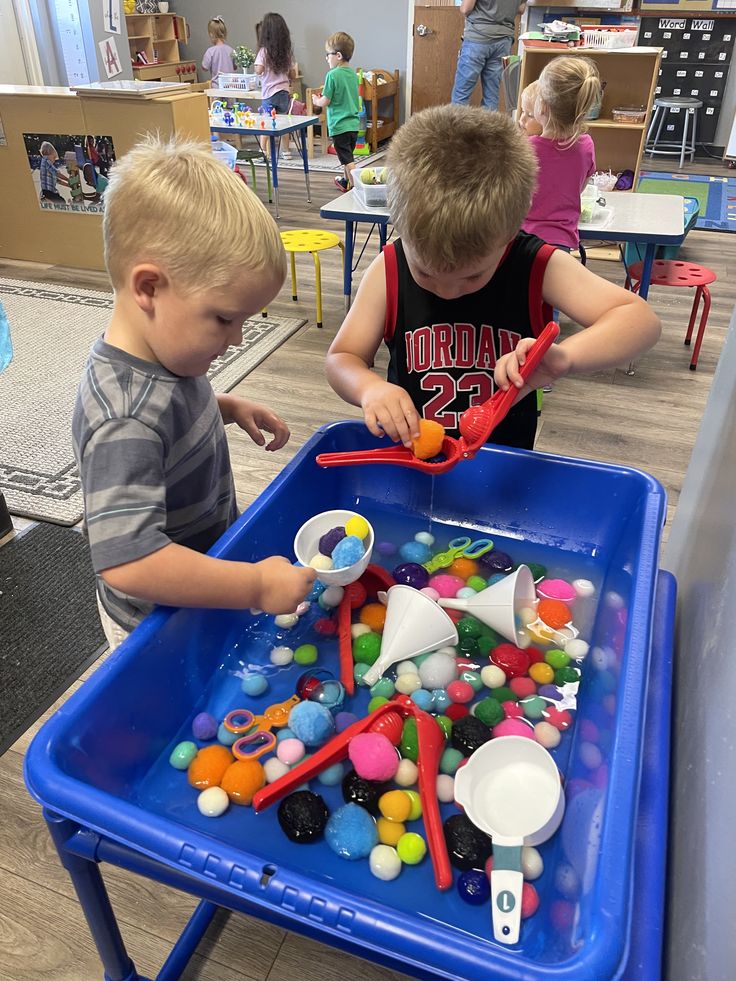
Demonstrate how to scoop the objects into one bowl and pour them into another. Your toddler can repeat the process, experimenting with different movements and learning to control their hands.
Start with a small number of objects to prevent frustration and make cleanup easier. You can introduce this activity during supervised play before mealtime or while exploring different household materials. Avoid small beans, beads, and other choking hazards.
For more boredom-busting ideas, explore 25 Indoor Activities for Kids That Beat Boredom. Keep the activity simple, and allow your toddler to discover what happens when they scoop slowly or pour quickly.
7. Peeling and Placing Large Stickers
Stickers offer a fun way to encourage toddlers to use their fingertips with greater precision. Choose large, easy-to-peel stickers and place them on a sheet of paper. Show your child how to lift a sticker carefully and press it onto the page.
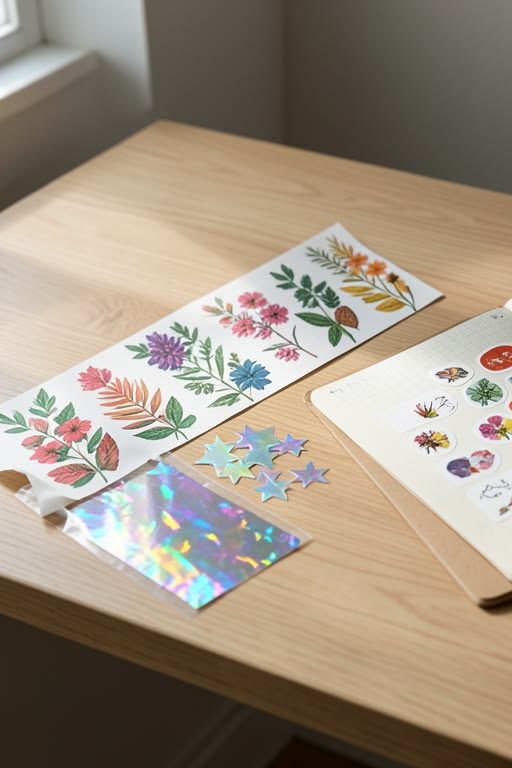
This activity encourages pinching, controlled finger movements, and hand-eye coordination. Your toddler might need help separating the sticker from its backing at first, so offer gentle assistance when needed.
Let your child decorate a simple picture, create colorful patterns, or place stickers inside large drawn circles. There is no need to make the result perfect. The repeated movements provide the main benefit. Always supervise closely, since stickers and their backing can pose choking risks.
If your toddler enjoys making pictures, explore 21 Easy Crafts Kids Can Make at Home for additional creative activities that support hands-on learning.
8. Placing Large Blocks Into a Container
This simple activity encourages toddlers to grasp, carry, and release objects with purpose. Place a few large blocks beside an open container and demonstrate how to pick up each block and drop it inside.

Your child can empty the container and fill it again as many times as they like. Repeating these movements helps develop coordination while teaching simple concepts such as inside, outside, full, and empty.
Change the challenge by using containers with different openings, provided each opening allows easy access without trapping fingers. You can also invite your toddler to carry blocks from a nearby basket. Keep all materials large enough to prevent choking and supervise throughout play.
If toys often end up scattered around your home, 25 Kids Room Organization Ideas That Keep Toys and Clutter Under Control can help you create a more manageable play space.
9. Tearing Paper for Collage Art
Tearing paper encourages toddlers to use both hands together while practicing controlled pulling movements. Provide large sheets of lightweight paper and demonstrate how to hold each side before gently pulling them apart.
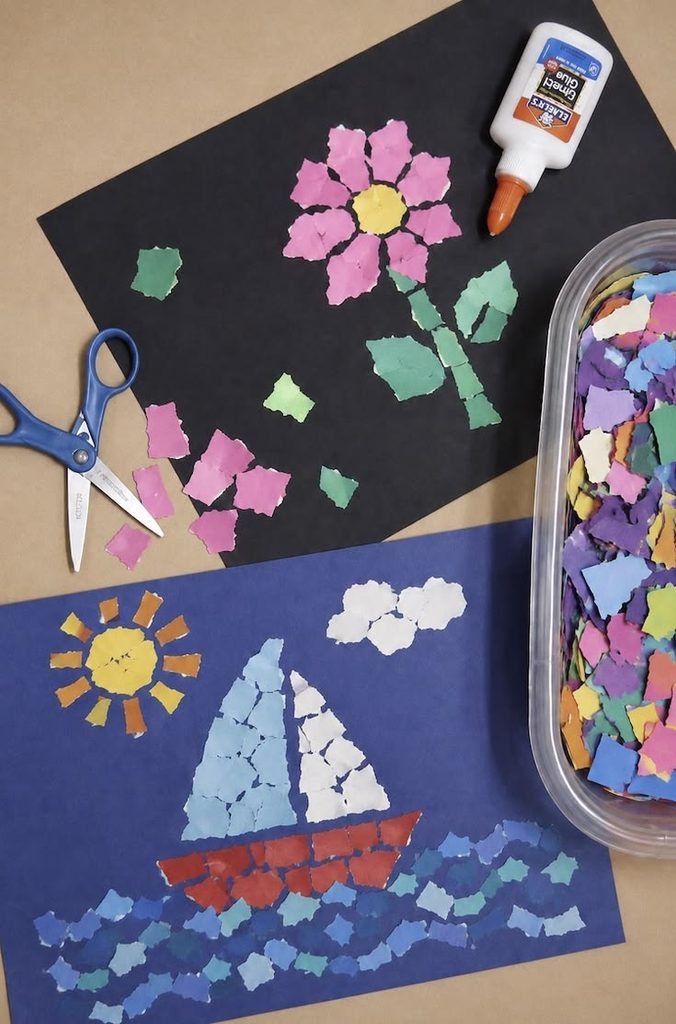
Your child can tear the paper into different shapes and sizes, then arrange the pieces on another sheet. These simple actions help develop hand strength and coordination while introducing creative expression.
Turn the torn pieces into a colorful collage by helping your toddler place them onto paper with child-safe glue. You can create a simple rainbow, garden, or abstract picture together. Supervise closely, especially if your child still mouths paper, and remove small scraps promptly.
For more paper-based inspiration, explore 41 Paper Crafts Kids Never Get Bored Of. Let your toddler enjoy the sounds, textures, and movements without expecting neat shapes or a finished masterpiece.
10. Pressing and Flattening Soft Dough
Pressing dough offers another way to strengthen developing hand muscles. Give your toddler a soft ball of age-appropriate play dough and demonstrate how to flatten it with their palms.
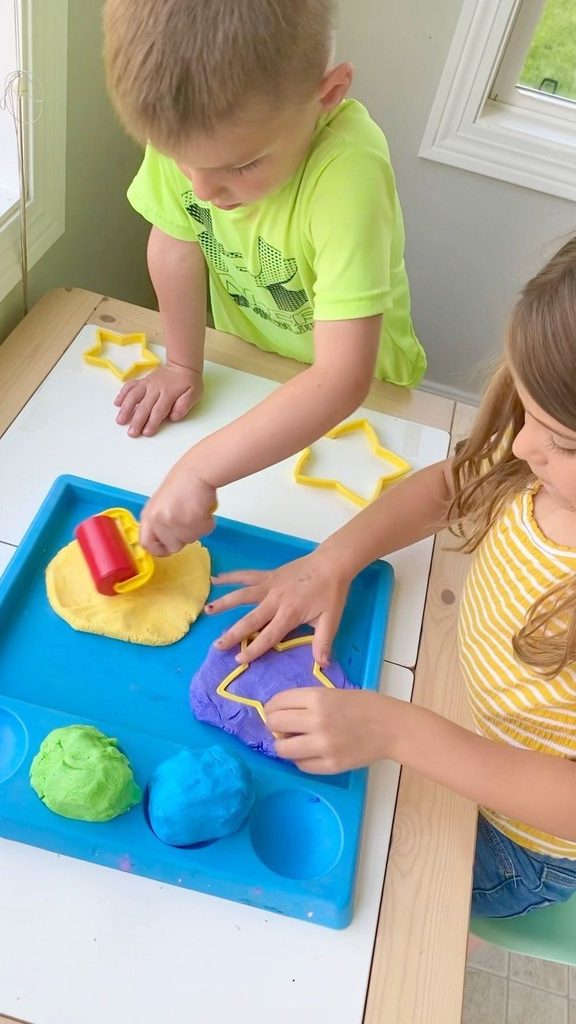
Next, encourage them to press the surface with their fingertips or make gentle marks using their hands. The different movements help children explore pressure and develop control while enjoying a tactile activity.
You can add large, toddler-safe dough tools if your child is ready to use them safely. Try making pretend pancakes, flattening several dough balls, or creating a small pretend pizza. Keep the dough clean and supervise closely to prevent tasting or swallowing.
If your toddler becomes frustrated, soften the dough by kneading it yourself before offering it again. Short, enjoyable sessions often work better than lengthy activities that demand too much attention.
11. Placing Large Rings on a Stacking Peg
A stacking ring toy gives toddlers an enjoyable way to practice grasping and releasing objects. Choose a sturdy toy with large rings and a stable base. Show your child how to hold one ring, find the opening, and slide it onto the peg. Your toddler may miss the opening several times, but repeated attempts help develop hand-eye coordination and controlled movements.

Let your child explore the rings freely before introducing simple sorting games. You can name the colors, count the rings, or demonstrate placing the largest ring first. Avoid toys with sharp edges or loose parts, and supervise play according to the manufacturer’s age guidance.
If your toddler enjoys sorting and matching, explore 27 Easy Toilet Paper Roll Crafts for Kids They’ll Actually Love for more creative activities using everyday materials.
12. Pushing Large Balls Through a Box Opening
This activity combines problem-solving with simple hand movements. Take a sturdy cardboard box and create a wide opening that comfortably fits a large, soft ball. Smooth any rough edges and remove staples or loose tape.
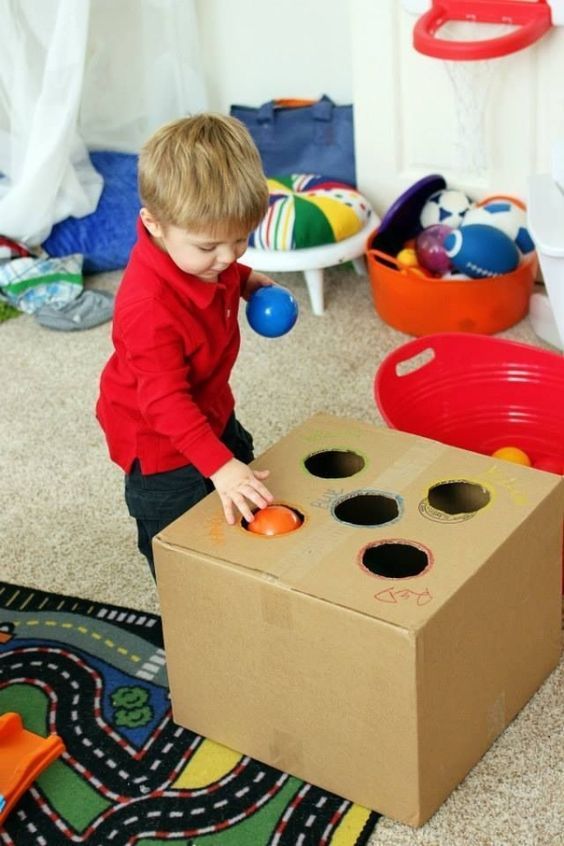
Demonstrate how to hold the ball and push it through the opening. Your toddler can retrieve it and repeat the process, practicing controlled pushing and releasing.
Place the box on the floor or a low, stable surface to make reaching easier. You can use different large balls with varied textures, as long as they suit your child’s age. Stay nearby and check that the box remains sturdy during play.
For more activities that encourage creativity without complicated supplies, discover 25 Popsicle Stick Crafts Kids Can Actually Make. Keep the experience playful, and let your toddler repeat the action as often as they wish.
13. Matching Large Lids to Containers
Matching lids to containers helps toddlers practice grasping, turning, and positioning objects. Gather a few clean, sturdy containers with large lids that fit easily. Place the lids beside their matching containers and demonstrate how to position each one.
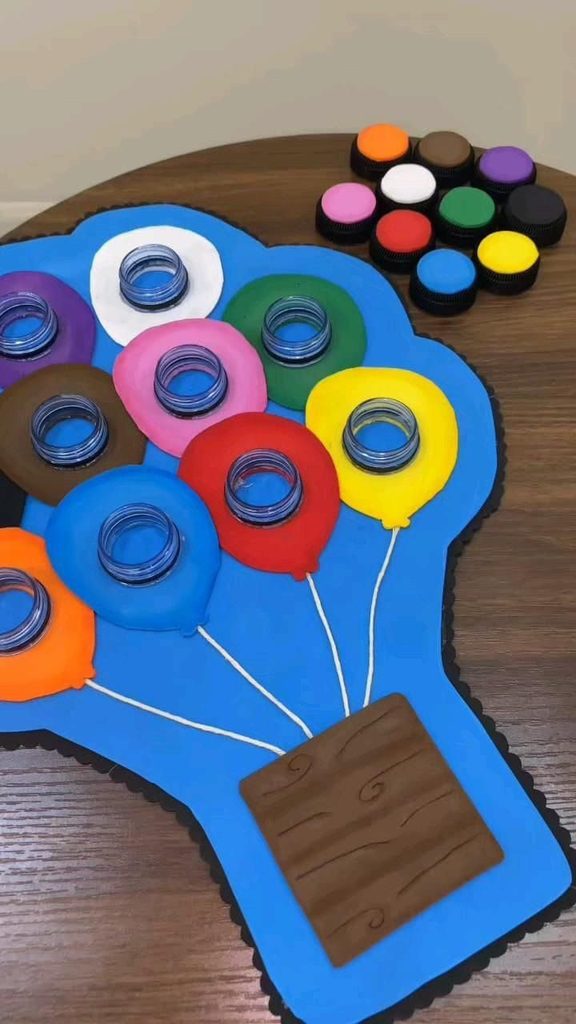
Your child can experiment with turning the lid or moving it around until it fits. These small movements encourage coordination and introduce early problem-solving skills.
Start with just two containers to keep the activity manageable. As your toddler gains confidence, add another container with a noticeably different shape or color. Avoid tight lids, glass containers, and small pieces that could become choking hazards.
Supervise closely and stop if any lid becomes difficult to remove. If organizing play materials feels overwhelming, 35 Home Organization Ideas Busy Moms Will Wish They Tried Sooner offers ideas for making everyday spaces easier to manage.
14. Placing Large Fabric Squares Into a Basket
Soft fabric squares provide a simple alternative to toys with hard edges. Gather several large, clean washcloths or fabric squares and place them beside an open basket. Demonstrate how to pick up one piece, carry it over, and drop it inside.
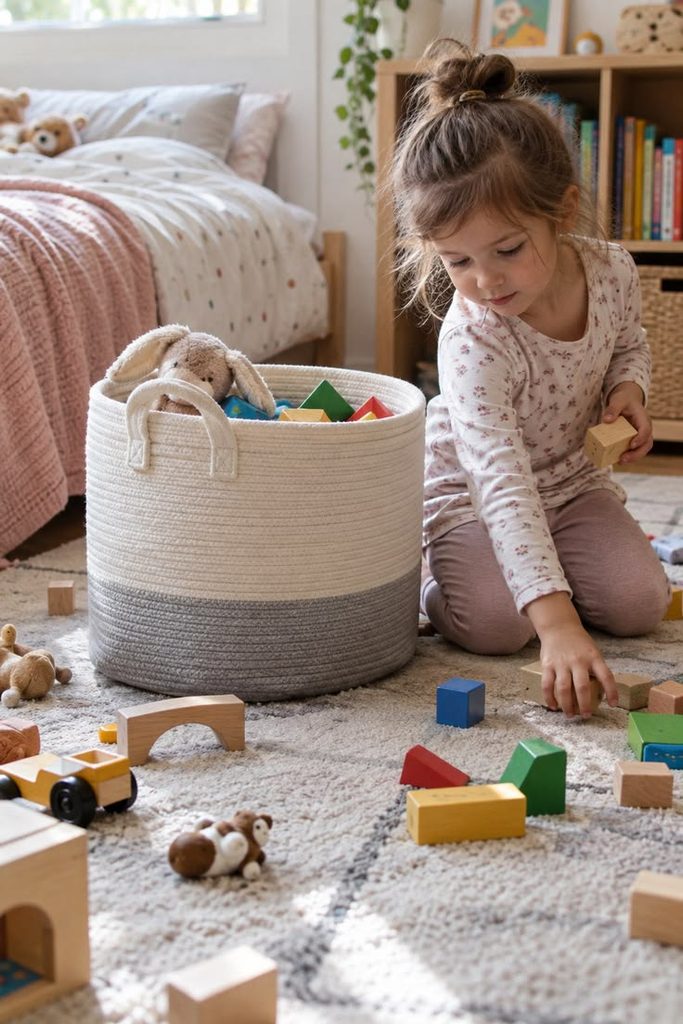
Your toddler can then remove everything and begin again. Repeated grasping and releasing gives little hands useful practice without requiring complicated instructions.
Make the activity more engaging by using fabrics with different colors or textures. You can invite your toddler to place all the blue pieces in one basket, provided the task remains enjoyable. Choose sturdy fabric without loose threads, buttons, or detachable decorations.
Supervise throughout play, especially if your child mouths objects. For more simple ways to keep children engaged indoors, explore 31 Family Fun Night Ideas for Staying Home Together and adapt suitable ideas for your toddler’s age.
15. Making Marks in a Tray of Flour-Free Sensory Material

A shallow sensory tray can encourage toddlers to explore finger movements through touch. Choose an age-appropriate material that your child can use safely under close supervision. For children who still put materials in their mouths, skip loose sensory fillers and use a damp cloth or a smooth silicone mat instead.
Demonstrate making simple lines, circles, or gentle patterns with your fingertips. Invite your toddler to copy the movements or create their own marks.
Keep the tray shallow and place it on a stable surface within easy reach. You can guide your toddler’s finger across the material, then let them experiment independently. Never leave a young child alone with sensory materials, and stop if they attempt to eat them.
For more seasonal sensory inspiration, explore 31 Easy Fall Sensory Activities for Toddlers and Preschoolers and choose options that match your child’s developmental stage. Remember, safe exploration matters more than creating recognizable shapes.
16. Placing Large Clothespins on a Cardboard Edge
Clipping activities can help toddlers practice finger strength and coordination when you choose suitable materials. Use large, child-safe clips specifically designed for young children, without detachable pieces or strong springs.
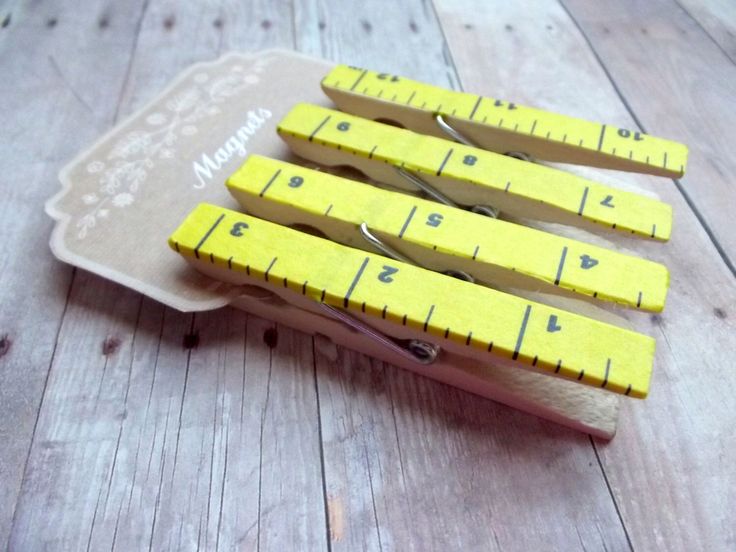
Demonstrate how to attach a clip to a thick cardboard edge, then invite your toddler to try. Your child may need help at first, so guide the movement gently without forcing their fingers.
Keep the activity short and offer plenty of encouragement as your toddler experiments. You can use a few large clips in different colors to make the activity more engaging. Avoid ordinary clothespins with tight springs, which can pinch little fingers, and supervise every attempt.
For another creative activity using simple supplies, explore 27 Adorable Mason Jar Crafts on a Budget and choose a child-friendly project to enjoy together.
17. Feeding a Toy With Large Pretend Food
Pretend feeding combines imaginative play with useful hand movements. Give your toddler a favorite stuffed animal and several large pretend food pieces made from safe, age-appropriate materials. Show your child how to pick up each piece and bring it toward the toy’s mouth. Your toddler can repeat the movement, switch hands, and practice controlling objects while creating a playful story.
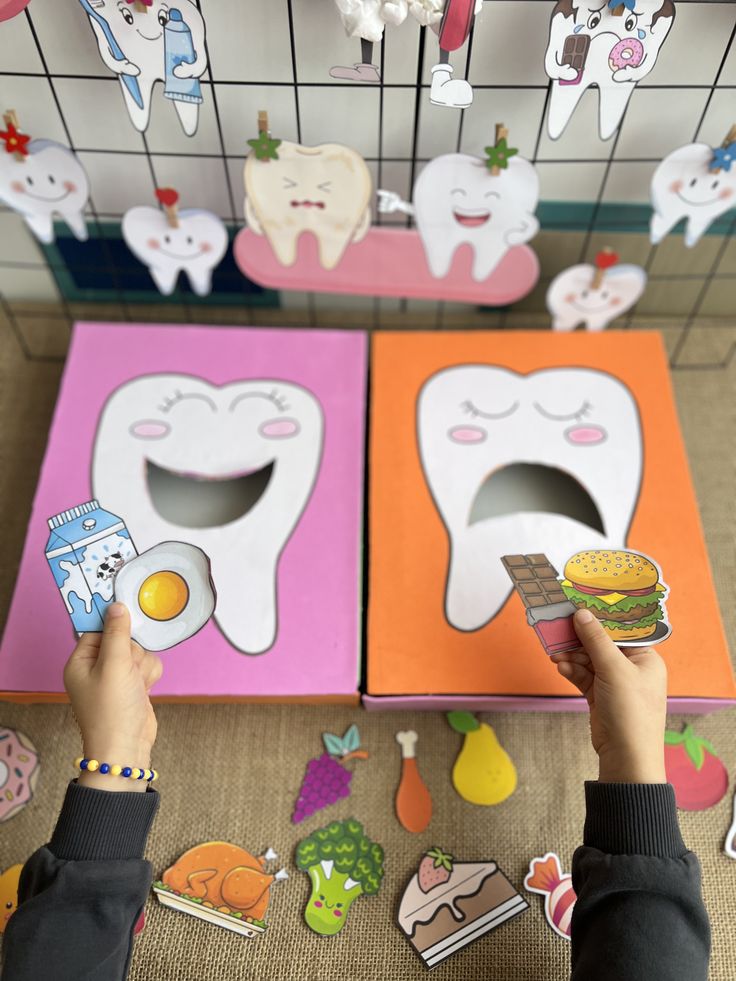
Make the activity more engaging by pretending the stuffed animal feels hungry or wants to try different foods. You can name each item and ask your toddler what the toy should eat next. Choose large pieces without loose decorations, and avoid miniature play food that could become a choking hazard.
If your child enjoys imaginative play, explore 29 After-School Traditions That Help Kids Reconnect After a Busy Day for more ways to build connection through everyday family moments.
18. Placing Large Puzzle Pieces Into a Board
Chunky puzzles encourage toddlers to grasp objects, rotate their hands, and match shapes to openings. Choose a simple wooden puzzle with large pieces and sturdy handles suitable for your child’s age.
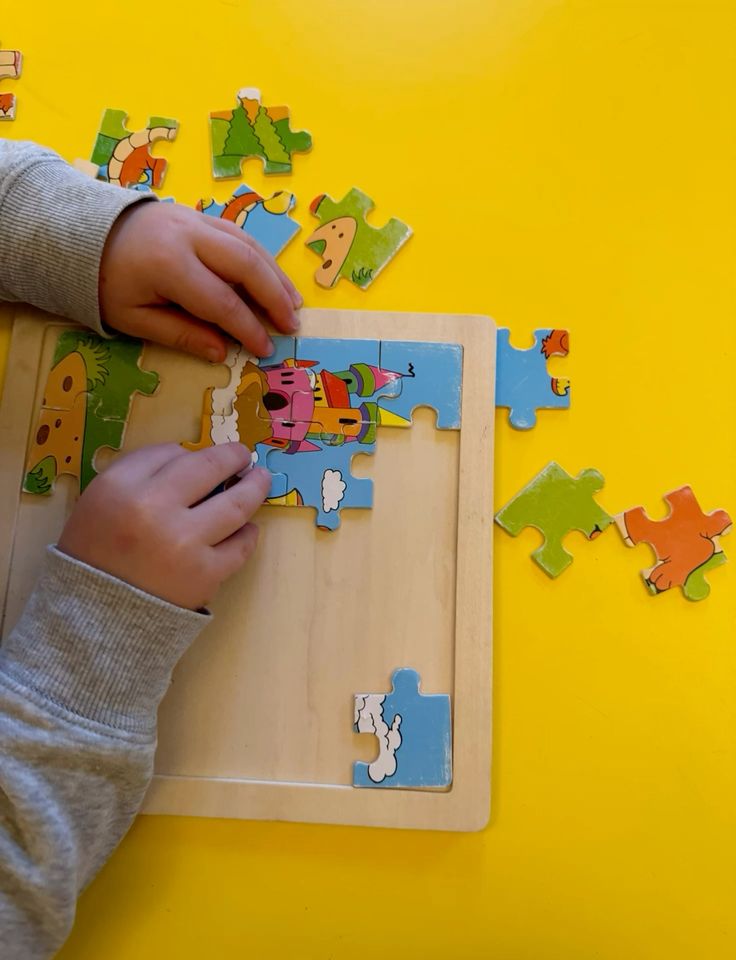
Begin with one piece and show your toddler how to compare its shape with the empty space. Allow your child to turn the piece and experiment until it fits. Each attempt provides practice with controlled movements and visual coordination.
Start with puzzles featuring just a few familiar objects, such as animals, vehicles, or basic shapes. Offer hints when your toddler needs help, but let them complete as much of the task as possible. Check the puzzle regularly for loose handles, damaged wood, or peeling surfaces.
Never use pieces small enough to swallow. Celebrate your toddler’s effort rather than expecting them to finish the entire puzzle independently.
19. Rolling Large Toy Cars Along a Path
Rolling toy cars gives toddlers a playful opportunity to practice grasping, pushing, and releasing. Choose a large, sturdy vehicle designed for your child’s age.
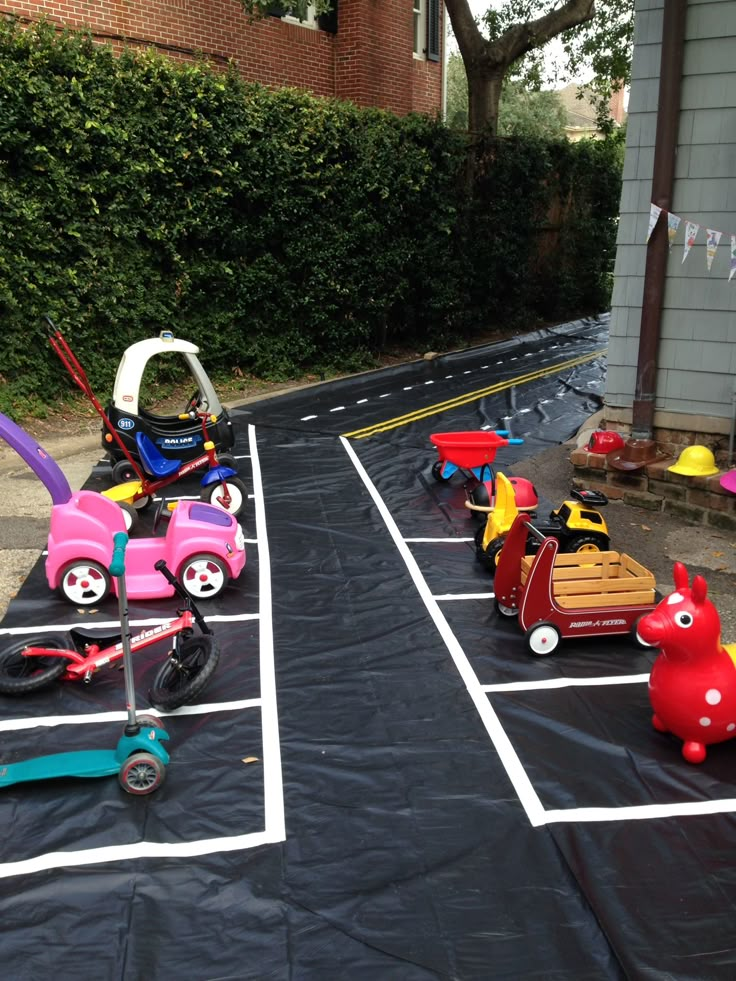
Create a simple path using wide painter’s tape on a clean floor or tabletop. Demonstrate how to hold the car and push it along the path. Your toddler can move the vehicle forward, turn it around, and repeat the journey.
You can add gentle challenges by creating a straight road or a wide curve. Encourage your child to push the car slowly, then try moving it a little faster. Keep the path away from stairs and walking areas to prevent trips. Inspect the toy for loose wheels or small detachable parts before play.
If your toddler enjoys hands-on creative projects, discover 33 Creative Minecraft Paper Craft Templates for Kids and Beginners for inspiration when your child is ready for more involved activities.
20. Pressing Large Foam Shapes Onto a Board
Pressing soft shapes onto a suitable board encourages toddlers to use their fingertips and coordinate their hands. Choose large, washable foam shapes that are specifically designed for young children.
Demonstrate how to pick up a shape, position it on the board, and press gently. Your toddler can remove each shape and place it somewhere else, repeating the movement as often as they enjoy.
Use a stable board and avoid tiny foam pieces that could pose choking risks. You can name colors or describe simple shapes while your toddler plays, adding language practice to the activity.
Always supervise closely, especially if your child tends to mouth toys. Stop if the foam begins to break apart. Keep the focus on exploration and enjoyment, allowing your toddler to build confidence through repeated attempts.
21. Water Painting With a Large Brush
Water painting is a low-mess activity that helps toddlers practice holding and moving a brush. Give your child a chunky brush and a small container of clean water.

Show them how to dip the brush and make strokes on a suitable outdoor surface, such as a patio stone or a dark slate board. Your toddler can experiment with long lines, short strokes, and gentle dabbing movements.
This activity encourages grip development while introducing simple cause and effect. The marks appear darker when wet and gradually disappear as the water dries. Keep the water container shallow and supervise closely to prevent accidental drinking or drowning.
Choose a surface without sharp edges or slippery areas. For more creative inspiration, explore 31 Beautiful Fall Painting Ideas You Want to Display All Seasons and adapt simple painting ideas to your toddler’s abilities.
22. Threading Large Rings Onto a Wide Peg
Threading large rings onto a wide peg helps toddlers practice positioning objects with greater control. Choose a stable stacking toy with oversized rings and a broad peg. Demonstrate how to hold a ring, align its opening, and lower it onto the peg. Your toddler can repeat the movement while learning to coordinate what their eyes see with what their hands do.
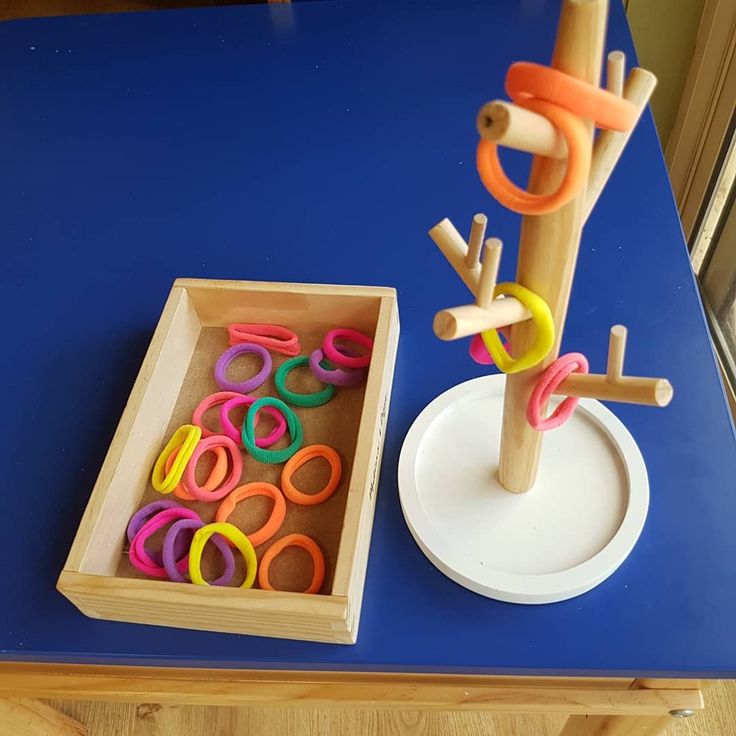
Begin with just one or two rings to keep the activity manageable. Offer gentle assistance when your child struggles to find the opening, then allow another attempt.
Choose a toy designed for your toddler’s age, and supervise closely to prevent mouthing or misuse. You can also name the colors as your child adds each ring. Keep the experience relaxed, and remember that repeated practice matters more than completing the stack.
23. Opening and Closing Large Toy Doors
Opening and closing toy doors gives toddlers opportunities to practice grasping, pulling, pushing, and releasing. Choose a sturdy activity toy with large doors or flaps designed for young children.
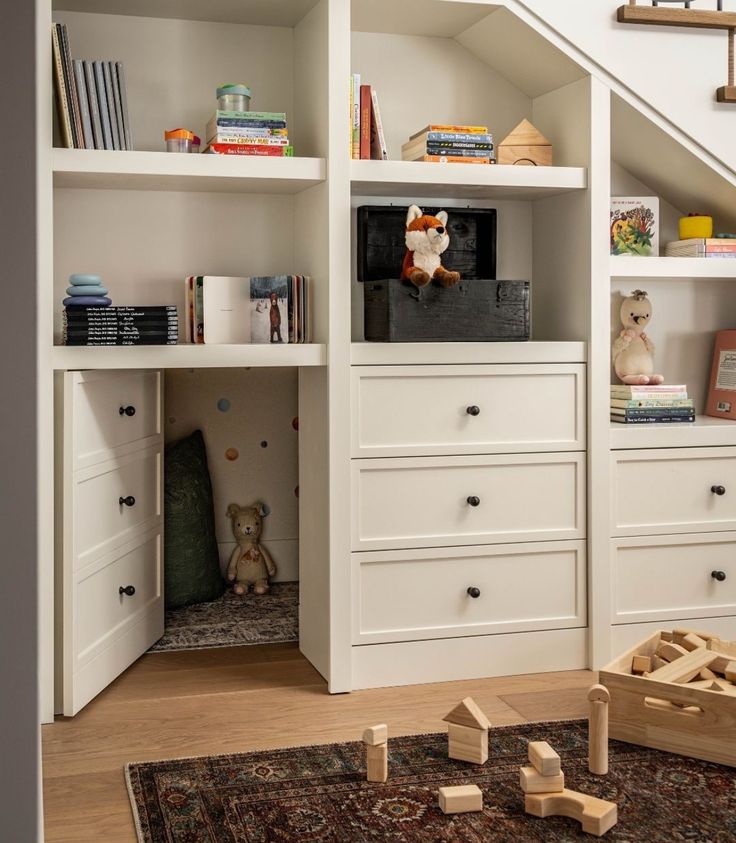
Demonstrate how to open one door slowly and close it gently. Your toddler can repeat the movement, discovering how the door changes position and how much pressure it requires.
Stay nearby and check that the doors move smoothly without trapping fingers. Avoid toys with heavy lids, sharp hinges, or small detachable parts. You can make the activity more engaging by placing a familiar, large toy behind a door for your toddler to discover.
Encourage your child to try independently while offering help when needed. These small, repeated movements can support hand control during everyday play.
24. Building With Large Interlocking Blocks

Large interlocking blocks encourage toddlers to press pieces together and pull them apart. Choose chunky construction blocks designed for your child’s age, with no small detachable components.
Demonstrate how to line up two pieces and press them together using both hands. Your toddler can experiment with connecting blocks, separating them, and creating simple structures.
Start with two blocks before introducing more complicated building ideas. If connecting the pieces feels difficult, choose blocks with easier connections and offer gentle assistance. Avoid forcing your child’s fingers or expecting a particular design.
You can build a simple tower together, then invite your toddler to add another piece. Supervise play and check the blocks for damage. For more creative projects to try as your child grows, explore 21 Canvas Painting That Capture Autumn Beauty for inspiration beyond toddler play.
25. Turning Large Knobs on a Busy Board
A toddler-safe busy board can offer several opportunities to practice turning, pushing, and grasping. Choose a commercially made board designed for your child’s age, with securely attached components and no accessible small parts.
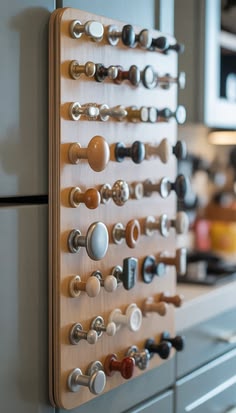
Demonstrate how to turn a large knob or move a simple sliding element. Your toddler can explore each feature at their own pace, repeating movements that interest them.
Always inspect the board before use and supervise closely throughout the activity. Avoid homemade boards with loose screws, exposed hinges, sharp edges, magnets, cords, or small detachable pieces.
Choose only features intended for toddlers, and stop if anything becomes loose or damaged. You can sit beside your child and describe each movement while they explore. Remember, the goal is safe discovery, not completing every feature.
Final Thoughts
Helping your toddler develop stronger hands does not require expensive toys or complicated learning activities. Simple experiences, such as stacking blocks, squeezing play dough, turning book pages, and making marks with crayons, can provide valuable practice.
These Fine Motor Activities for Toddlers make everyday play more meaningful while encouraging curiosity, creativity, and growing independence.
Remember that every child develops at their own pace. Some toddlers might enjoy threading rings, while others prefer scribbling or transferring objects between containers. Offer different activities, observe what interests your child, and adjust each task to match their abilities.
Keep sessions short when attention fades, and celebrate effort rather than expecting perfect results. Most importantly, supervise closely and choose age-appropriate materials to prevent choking and other hazards.
You can also make fine motor practice part of your daily routine. Invite your toddler to turn book pages, place large toys into baskets, or help with simple dressing tasks. These little moments allow children to practice useful movements without feeling pressured to learn.
For more inspiration, explore How to Create a Screen-Free Routine Your Kids Will Actually Enjoy and discover enjoyable ways to make room for hands-on play.
With patience, encouragement, and regular opportunities to explore, your toddler can gradually build confidence using their hands. Enjoy the messy moments, the repeated attempts, and the little achievements along the way. Every playful experience offers another chance to learn, discover, and grow.