
Without constantly yelling or punishing, you can teach your child to make better choices while building a stronger, healthier relationship. If you’re searching for how to encourage good behavior without constantly yelling or punishing, you’re probably tired of repeating yourself, raising your voice, and feeling guilty afterward.
Many parents want their children to listen, cooperate, and behave well, but they do not want fear or harsh discipline to become part of everyday life.

The good news is that encouraging good behavior does not require constant punishment. Children learn best when they feel safe, understood, and supported.
By using positive discipline, clear expectations, and consistent routines, you can help your child develop self-control, responsibility, and respect without damaging your connection.
Learning how to encourage good behavior without constantly yelling or punishing starts with understanding why children behave the way they do. Most challenging behavior is a form of communication, not defiance.
If you’re also looking for ways to create more structure at home, don’t miss How to Build a Daily Routine That Helps Babies and Toddlers Thrive because predictable routines reduce many behavior challenges before they even begin.
You may also enjoy How to Create a Screen-Free Routine Your Kids Will Actually Enjoy, which shares simple ways to strengthen family relationships while reducing common behavior struggles.
Why Yelling and Punishment Usually Do Not Solve the Problem
If you are searching for how to encourage good behavior without constantly yelling or punishing, you have probably reached a point where nothing seems to work anymore.
You remind your child to listen, they ignore you, and before you know it, everyone is upset. At the end of the day, you may even wonder if you handled the situation the right way.
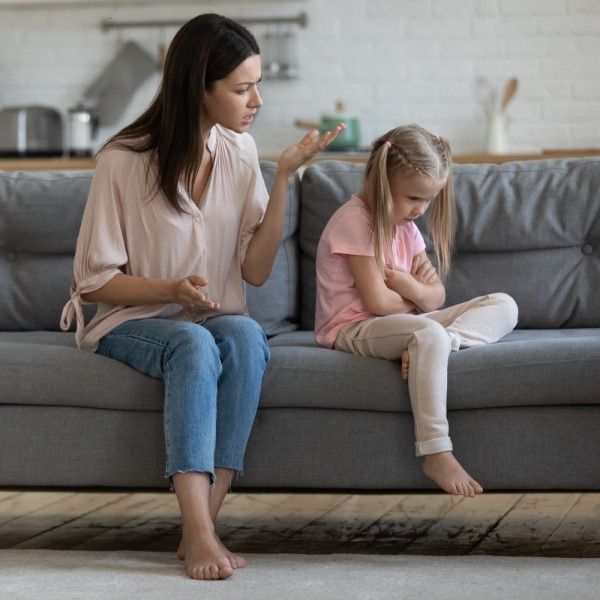
The truth is that yelling often stops behavior temporarily, but it rarely teaches children what they should do instead. Many children become afraid, embarrassed, or angry. Others simply learn to wait until you stop watching before repeating the same behavior. While punishment can sometimes change actions in the moment, it usually fails to build the emotional skills children need for the future.
Children learn best when they feel safe, connected, and understood. That does not mean allowing bad behavior. Instead, it means correcting them in ways that help them think, learn, and grow. Every challenging moment becomes an opportunity to teach kindness, responsibility, patience, and self-control.
Creating a calmer environment also makes positive parenting much easier. If your home often feels stressful, you’ll love 35 Home Organization Ideas Busy Moms Will Wish They Tried Sooner because an organized home reduces daily frustration for both parents and children.
Clutter can also make everyone feel overwhelmed without realizing it. That’s why Why Your Home Keeps Getting Cluttered and How to Fix It is another helpful guide for creating a peaceful family atmosphere where good behavior naturally becomes easier.
Understand What Your Child Is Really Trying to Tell You
Every behavior sends a message. Children rarely misbehave simply to make life difficult for their parents. Most of the time, they are trying to communicate something they cannot explain with words.
A toddler may throw toys because they feel frustrated. An older child may argue because they need attention after a busy day at school. Sometimes hunger, tiredness, boredom, or overstimulation causes behaviors that seem completely unrelated.

Before reacting, pause and ask yourself what your child might actually need. This simple habit changes everything. Instead of immediately thinking about consequences, start looking for the reason behind the behavior. Once you understand the cause, choosing the right response becomes much easier.
For example, imagine your child refuses to clean up their toys. Instead of yelling across the room, walk over, make eye contact, and calmly say, “Let’s clean up together.” Children often cooperate better when they feel supported instead of criticized.
This approach is one of the biggest secrets behind how to encourage good behavior without constantly yelling or punishing because it teaches children that mistakes lead to learning instead of fear.
Daily routines also reduce many behavior problems before they even begin. Children thrive when they know what comes next. If your family struggles with unpredictable days, be sure to read How to Build a Daily Routine That Helps Babies and Toddlers Thrive for practical ideas that make everyday life much smoother.
Too much screen time can also affect moods, patience, and cooperation. You may also enjoy How to Create a Screen-Free Routine Your Kids Will Actually Enjoy, which shares simple ways to help children reconnect with family activities while reducing common behavior struggles.
Focus on Connection Before Correction
One of the most effective ways to practice how to encourage good behavior without constantly yelling or punishing is by strengthening your connection with your child. Children naturally want to cooperate with adults they feel close to. When they feel loved, heard, and respected, they become more willing to listen and follow directions.
Connection does not require expensive activities or hours of free time. Small moments throughout the day make the biggest difference. Sit together during breakfast, ask about their favorite part of the day, read a bedtime story, or spend ten minutes playing without distractions. These simple habits fill your child’s emotional cup and reduce attention-seeking behavior.
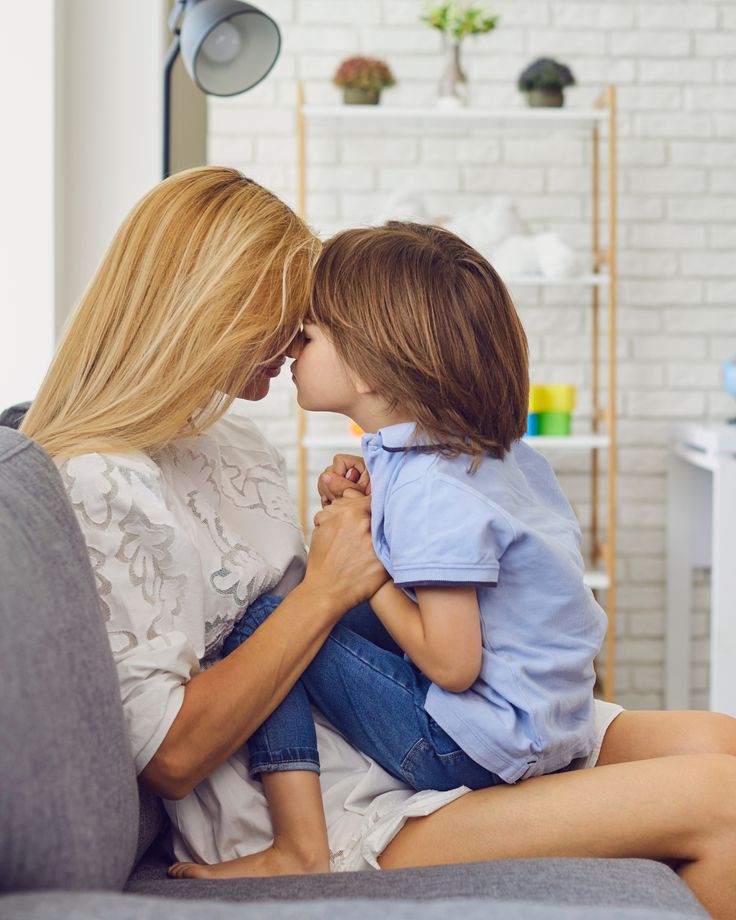
Many behavior problems begin because children are looking for connection in unhealthy ways. They may interrupt conversations, refuse instructions, or argue simply because negative attention feels better than no attention. By giving them positive attention first, you reduce the need for those behaviors.
When correction becomes necessary, your child is also more likely to accept it because the relationship already feels secure. They understand that your guidance comes from love instead of anger. This creates trust, and trust encourages lasting behavioral change.
Family traditions are another wonderful way to strengthen relationships. Even simple weekly activities create memories while helping children feel connected. You’ll find plenty of ideas in How to Start Meaningful Family Traditions Your Kids Will Remember, which shares easy traditions your family can enjoy for years.
You do not need elaborate plans either. How to Host a Family Movie Night at Home That Everyone Looks Forward To offers simple ways to create quality family time while encouraging communication and cooperation.
Catch Good Behavior More Often Than Bad Behavior
Parents naturally notice problems first. After all, challenging behavior demands attention immediately. Unfortunately, when children receive attention only after doing something wrong, they sometimes repeat those behaviors because they know they will get a reaction.
Instead, make it your goal to notice the positive moments throughout the day. Children repeat behaviors that receive attention. The more you recognize good choices, the more often they will happen.
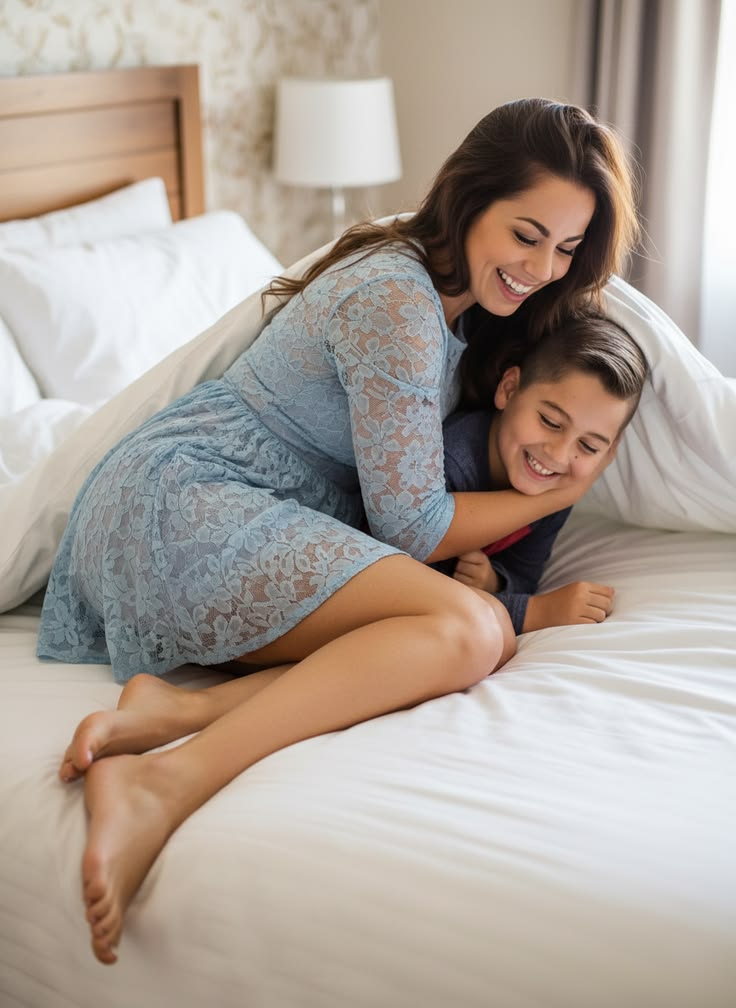
Rather than saying, “Good job,” describe exactly what your child did well.
You might say:
“I noticed you shared your toys with your sister.”
“Thank you for putting your shoes away without being asked.”
“You stayed calm even when that game became difficult. I’m proud of your patience.”
Specific praise helps children understand which behaviors you want them to repeat. Over time, they begin making those choices naturally because they enjoy the positive feedback and sense of accomplishment.
This strategy plays a huge role in how to encourage good behavior without constantly yelling or punishing because encouragement builds confidence while criticism often creates resistance.
Remember that perfection is never the goal. Celebrate progress, even if it seems small. Every positive choice deserves recognition because children learn one step at a time.
Planning enjoyable family activities also creates more opportunities to notice positive behavior. If your kids often complain about being bored, take a look at 25 Indoor Activities for Kids That Beat Boredom for creative ideas that keep children engaged while encouraging teamwork and imagination.
You can also create exciting seasonal memories together with 35 Fall Family Traditions That Make Every Year Feel Cozy and Meaningful. Shared experiences strengthen family bonds while naturally encouraging kindness, cooperation, and respect.
Set Clear Expectations Before Problems Happen
Children cannot follow expectations they have never been taught. One of the biggest mistakes parents make is assuming their child already knows what good behavior looks like. In reality, children need clear guidance, frequent reminders, and plenty of practice.
If you truly want to master how to encourage good behavior without constantly yelling or punishing, explain your expectations before entering a situation instead of correcting your child afterward. A few calm words ahead of time can prevent many struggles.
For example, before walking into a grocery store, you could say, “We are going to use quiet voices, stay beside the cart, and keep our hands to ourselves.” Before visiting family, remind your child to greet relatives politely and use kind words during conversations.
Keep your instructions simple. Young children remember short directions much better than long lectures. Instead of listing ten rules, focus on two or three important behaviors.
Consistency also matters. If expectations change every day, children become confused. They begin testing limits because they are unsure which rules still apply. When expectations remain predictable, children feel more secure and know exactly what is expected of them.
It also helps to explain why a rule exists. Children cooperate more willingly when they understand the reason behind it. Saying, “We walk inside because running can hurt someone,” teaches responsibility instead of blind obedience.
As your child grows, involve them in creating family rules. Ask what they think respectful behavior looks like. When children help create expectations, they often feel more responsible for following them.
Creating peaceful personal spaces also encourages better behavior. Children tend to feel calmer when their rooms are organized and welcoming. You’ll find practical inspiration in 27 Kids Room Design Ideas That Are Fun, Practical, and Stylish, where thoughtful designs support independence and responsibility.
If space is limited, don’t worry. 19 IKEA Kids Room Ideas That Maximize Small Spaces on a Budget shares clever solutions that help children stay organized without overcrowding their room.
Replace Punishment With Natural and Logical Consequences
Punishment focuses on making children suffer for mistakes. Natural and logical consequences focus on helping children learn from those mistakes. That difference changes everything.
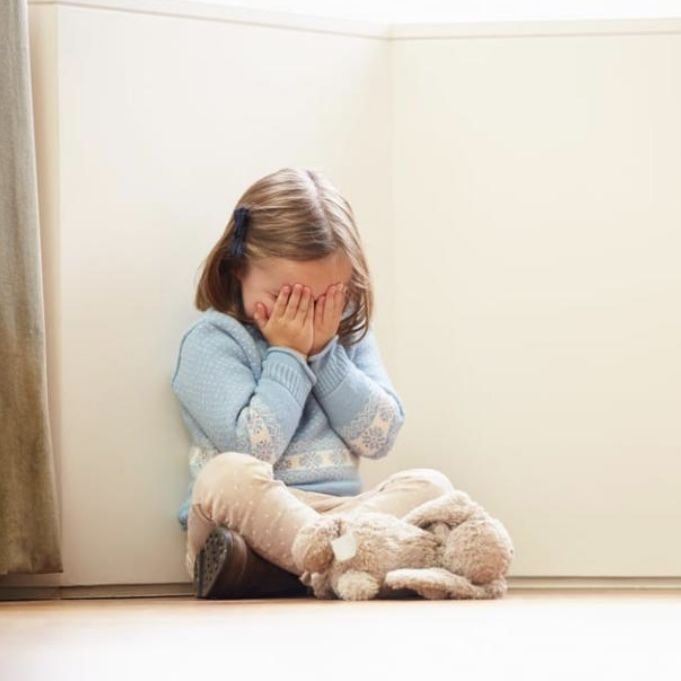
When parents think about how to encourage good behavior without constantly yelling or punishing, this is often the strategy that creates the biggest breakthrough. Instead of reacting with anger, you respond with calm, reasonable consequences that connect directly to the behavior.
For example, if your child throws crayons across the room, the crayons are put away until they are ready to use them safely. If they spill water while playing with it after several reminders, they help clean the mess. These consequences teach responsibility instead of creating fear.
Whenever possible, allow natural consequences to happen safely. If your child refuses to wear a jacket after you’ve explained the weather, they may briefly experience feeling cold before asking for it. That lesson often teaches more than repeated arguments.
Stay calm while enforcing consequences. Your goal is not revenge. Your goal is learning.
Avoid adding extra punishments that have nothing to do with the behavior. Taking away television for forgetting homework may only create resentment. Instead, help your child complete the homework before enjoying screen time. The consequence stays connected to the problem.
Children also need opportunities to fix mistakes. Encourage them to apologize sincerely, replace broken items when appropriate, or help solve the problem they created. These moments teach accountability while preserving their confidence.
Remember, every mistake is a chance to learn a valuable life skill. That mindset is at the heart of how to encourage good behavior without constantly yelling or punishing, because it prepares children for adulthood instead of simply controlling their behavior.
Teaching children to care for their own belongings also builds responsibility. You’ll enjoy 25 Kids Room Organization Ideas That Keep Toys and Clutter Under Control, which offers simple ideas that encourage independence while reducing everyday conflicts.
Stay Calm Even When Your Child Is Not
One of the hardest parts of parenting is staying calm when your child is having a meltdown. When emotions rise, it is tempting to yell or threaten punishment. Unfortunately, children often match the emotions they see. If you become louder, they usually become louder too.
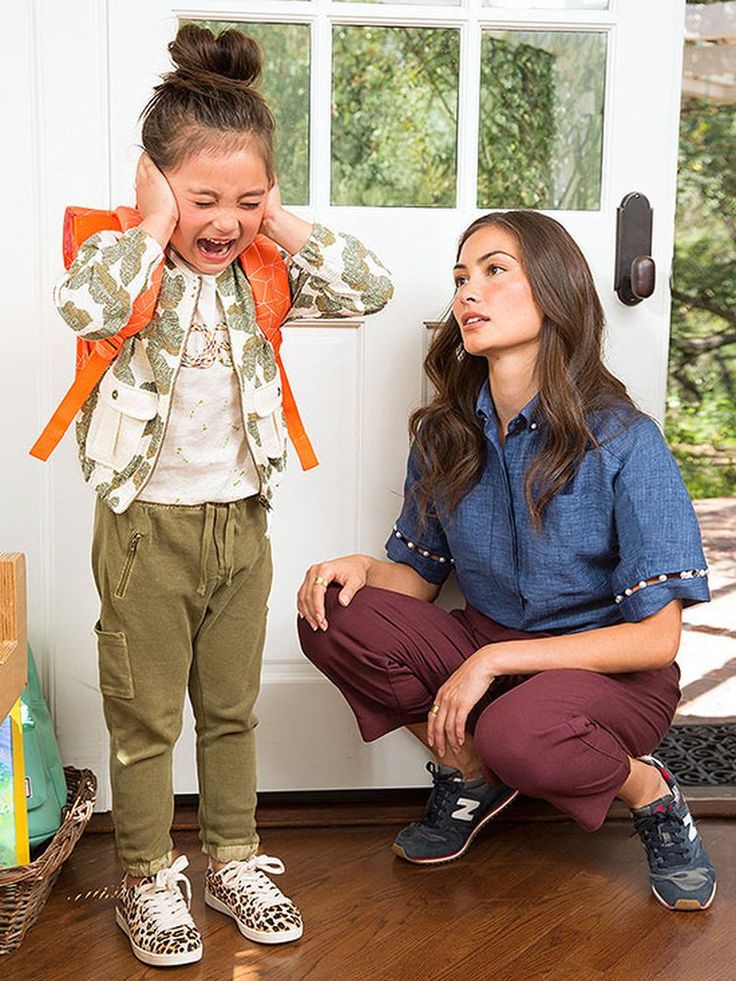
That is why learning how to encourage good behavior without constantly yelling or punishing starts with managing your own emotions first. Your child needs you to be the calm person in the room, especially during difficult moments.
The next time your child refuses to listen, pause before responding. Take a slow breath and lower your voice instead of raising it. Speak slowly and clearly. A calm voice often gets more attention than shouting because it helps children feel safe enough to listen.
Remember that you do not have to solve every problem immediately. If emotions are running high, give both yourself and your child a few minutes to settle down. Once everyone feels calmer, you can talk about what happened and discuss better choices for next time.
It also helps to prepare yourself for challenging situations before they happen. If bedtime, homework, or leaving the playground usually causes conflict, think about how you want to respond before the situation begins. Having a plan makes it much easier to stay patient.
No parent stays calm all the time. You will lose your patience occasionally, and that is okay. What matters most is what you do afterward. If you yell, apologize sincerely. Showing your child how to take responsibility teaches an important lesson about humility and repairing relationships.
If toddler meltdowns are one of your biggest struggles, don’t miss 35 Ways to Stay Calm During Toddler Tantrums Without Losing Your Cool. It shares practical strategies that help parents respond with confidence instead of frustration.
Be Consistent With Your Responses
Consistency is one of the greatest gifts you can give your child. When rules constantly change, children become confused. They begin testing limits because they are unsure what will happen each time they make a choice.
If you truly want to master how to encourage good behavior without constantly yelling or punishing, your responses should remain predictable. This does not mean being strict all the time. It simply means following through with what you say in a calm and loving way.
For example, if you tell your child toys must be picked up before watching television, keep that expectation every day. Avoid giving in because you are tired or in a hurry. The more consistent you are, the less often your child will test that boundary.
Consistency also applies to praise. Notice positive behavior just as regularly as you correct negative behavior. Children should know exactly what earns encouragement and what needs improvement.
Talk with your partner or other caregivers about family expectations. When everyone responds similarly, children receive clear messages about acceptable behavior. Mixed signals often lead to confusion and more conflict.
Keep in mind that consistency does not mean perfection. There will be difficult days, unexpected interruptions, and moments when things do not go as planned. Instead of giving up, simply return to your routines the next day. Small, steady efforts always produce better results than occasional bursts of strict discipline.
As your family grows, meaningful traditions also reinforce positive behavior by giving children something to look forward to. For special occasions, How to Make Birthdays Feel Special Without Spending Too Much offers simple ideas that create lasting memories without adding financial stress.
You can also make everyday milestones exciting with 21 Back-to-School Traditions That Make the First Day Feel Special, helping children build positive attitudes toward new experiences while strengthening family connections.
Encourage Problem-Solving Instead of Giving Every Answer
Children become more responsible when they learn how to solve problems on their own. Instead of rushing to fix every situation, guide them toward finding a solution. This simple shift is one of the most effective ways to practice how to encourage good behavior without constantly yelling or punishing.

When your child makes a mistake, avoid asking questions that sound like accusations. Instead of saying, “Why did you do that?” try asking, “What happened?” or “How can we make this better?” These questions encourage thinking instead of defensiveness.
For example, if siblings argue over a toy, resist choosing sides immediately. Give each child a chance to explain their feelings. Then ask them to suggest fair solutions. You may be surprised by how creative children become when they are trusted to solve problems.
Another helpful habit is allowing children to experience age-appropriate responsibility. Let them help clean up spills, organize their toys, or prepare simple snacks. Every responsibility builds confidence and teaches them that their actions matter.
Children who regularly solve problems become more independent. They also rely less on parents to settle every disagreement. This creates a calmer home and fewer daily power struggles.
Remember That Good Behavior Takes Time
Every parent wants quick results. However, lasting behavioral change rarely happens overnight. Children learn through repetition, encouragement, mistakes, and practice.
That is why how to encourage good behavior without constantly yelling or punishing is a long-term parenting approach instead of a quick fix. Some days your child will listen well. Other days will test every ounce of your patience. Both kinds of days are completely normal.
Instead of measuring success by one difficult afternoon, look for gradual improvement over several weeks or months. Maybe your toddler recovers from tantrums faster than before. Perhaps your older child remembers to use polite words more often. These small victories are signs that your efforts are working.
Celebrate progress whenever you see it. Let your child know you notice their growth. Positive encouragement motivates children far more than constant criticism ever will.
Most importantly, be patient with yourself. Parenting is a learning journey for adults too. You will make mistakes, lose your patience, and wish you handled certain situations differently. Those moments do not make you a bad parent. They simply give you another opportunity to model growth, humility, and resilience for your child.
Over time, your calm responses, clear expectations, and consistent encouragement will shape your child’s character far more than yelling or punishment ever could. Children who feel safe, respected, and loved are more likely to develop self-control, confidence, empathy, and responsibility that lasts well beyond childhood.
By choosing connection over fear and teaching over punishment, you are giving your child skills they will carry for the rest of their life. That is the true goal of how to encourage good behavior without constantly yelling or punishing.
Frequently Asked Questions
Is it possible to discipline a child without yelling or punishing?
Yes, it is absolutely possible. Effective discipline focuses on teaching instead of controlling. When you use clear expectations, consistent routines, natural consequences, and positive encouragement, children gradually learn to make better choices. This approach takes patience, but it builds lifelong habits instead of temporary obedience.
What should I do if my child ignores me?
Stay calm and avoid repeating yourself several times. Move closer to your child, make eye contact, and give a simple instruction. If needed, follow through with a logical consequence instead of raising your voice. Consistency helps children understand that your words matter.
Why does my child behave worse after I yell?
Yelling often causes children to react emotionally instead of thinking about their behavior. Some children become fearful, while others become defensive or angry. Once emotions settle, the original lesson is often forgotten. Calm correction usually leads to better long-term results.
How long does positive discipline take to work?
Every child is different. Some families notice improvements within a few days, while others see gradual changes over several weeks. The key is remaining consistent. Children need repeated opportunities to practice positive behavior before it becomes a habit.
Should children still have consequences?
Yes. Consequences are important when they are connected to the behavior. Natural and logical consequences teach responsibility without creating fear. The goal is to help children understand the results of their choices while giving them the chance to make better decisions next time.
Final Thoughts
Learning how to encourage good behavior without constantly yelling or punishing is not about becoming a perfect parent. It is about creating a home where children feel safe enough to learn, make mistakes, and grow into responsible adults.
Every calm conversation, encouraging word, and consistent response teaches your child something valuable. While progress may feel slow at times, these daily moments build trust, confidence, and emotional security that last for years.
Remember that positive parenting is a journey. Some days will feel easy, while others will challenge your patience. Keep showing up with love, clear expectations, and consistency. Those small choices make a powerful difference over time.
As your family grows together, you’ll discover that connection is far more effective than fear. When children feel respected and understood, they naturally become more willing to cooperate, solve problems, and make thoughtful decisions.
The goal is not simply raising children who obey. The goal is raising confident, kind, responsible adults who know how to make good choices even when no one is watching. That is the lasting reward of choosing how to encourage good behavior without constantly yelling or punishing every single day.

