
Prepare Your Older Child for a new baby by helping them understand that their place in the family is not being replaced. Your child may feel excited about the baby but also worry about losing your attention, cuddles, or special time together.
These feelings are normal because their familiar routine is about to change. Give them space to ask questions and express their emotions instead of expecting constant excitement.
If you are preparing for a newborn yourself, 35 Things Every First-Time Mom Should Know Before Baby Arrives can help you feel more confident about the changes ahead.

As your pregnancy progresses, find simple ways to include your child without making them responsible for the baby. Let them help choose a small baby item, look at newborn photos, or read stories about becoming a big sibling.
Protecting familiar routines, such as bedtime stories, weekend breakfasts, or walks together, can also provide comfort. For more ideas, explore How to Start Meaningful Family Traditions Your Kids Will Remember and create a special ritual your child can look forward to.
Preparing your older child does not mean preventing every feeling of jealousy, frustration, or uncertainty. Instead, help them understand that difficult emotions are allowed and that they can always talk to you.
Explain that newborns cry, sleep often, and need help with almost everything. Most importantly, reassure your child that your love, affection, and special moments together will continue. With patience and honesty, you can help them approach their new role with greater confidence and security.
Start the Conversation Early
You do not have to wait until your due date is close to Prepare Your Older Child for the arrival of a new baby. Starting the conversation early gives them time to process the news gradually instead of feeling overwhelmed by a sudden change.
Keep your explanations simple and appropriate for their age. Tell them that there is a baby growing inside you, that the baby will eventually come home, and that babies need lots of care because they cannot do things for themselves.

Your child may ask the same questions repeatedly, and that is completely normal. Repeating simple answers can help the idea become familiar and less intimidating.
Pay close attention to the questions your child asks because they may reveal what they are truly worried about. If they ask whether you will still play with them, they may be afraid of losing your attention.
If they wonder where they will stay while you have the baby, they may be nervous about being separated from you. Rather than dismissing these concerns, answer honestly and reassure them that they will continue to be loved and cared for.
You can also use How to Build a Daily Routine That Helps Babies and Toddlers Thrive as inspiration for thinking about which familiar routines you can maintain once the baby arrives.
The more secure your child feels before the birth, the easier it may be for them to adjust when their new sibling finally comes home.
Let Your Child Share Their Feelings
Your older child may not immediately feel excited about becoming a big brother or sister, and that is okay. They might say they do not want a baby, become unusually clingy, or even complain that everything is changing. Instead of correcting those feelings, give them room to talk.

Say things like, “It sounds like you are worried that things will be different,” or “You can tell me if you feel sad about the baby coming.” When children know they can be honest without disappointing you, they are more likely to express their worries instead of acting them out.
You can also make regular moments for these conversations, especially during bedtime, car rides, or quiet play. If your child becomes frustrated or emotional, avoid making them feel guilty for not being happy.
35 Ways to Stay Calm During Toddler Tantrums Without Losing Your Cool can offer helpful ideas for staying patient when big emotions come out in unexpected ways.
Remember, preparing your older child is not about making them feel excited every day; it is about helping them feel secure enough to handle all the emotions that come with becoming a sibling.
Keep Your Child Involved Without Giving Them a Job
It can be exciting for an older child to help prepare for the new baby, but make sure they understand that helping is a choice, not a responsibility.

Let them pick a small item for the nursery, help organize baby clothes, or choose a book to read to their new sibling. These little activities can make them feel included without making them feel as though they are suddenly expected to grow up overnight.
You can also involve them in simple preparations that still leave plenty of room for fun. For example, creating a special space for their own toys can help them feel that their belongings still matter.
If you are reorganizing the children’s spaces, take a look at 25 Kids Room Organization Ideas That Keep Toys and Clutter Under Control for practical inspiration. The goal is not to turn your child into a helper, but to show them that they still have an important place in the family.
Protect One-on-One Time
One of the biggest fears an older child may have is losing their special place with you. Before the baby arrives, start creating small moments that belong just to the two of you. It does not need to be an expensive outing or a full afternoon together.
Reading a bedtime story, taking a short walk, baking something simple, or having ten minutes of uninterrupted conversation can reassure your child that your relationship is not disappearing.

After the baby arrives, try to protect these little routines whenever possible. If your child knows that certain moments are still yours, they may feel less replaced when much of your attention goes toward feeding, changing, and settling the newborn.
For more ideas on creating meaningful time together, [31 Family Fun Night Ideas for Staying Home Together] can inspire simple activities that help your family stay connected.
Prepare Them for Routine Changes
Even when you Prepare Your Older Child emotionally, changes to their daily routine can still feel unsettling. If bedtime, school drop-offs, meals, or playtime will look different after the baby arrives, begin making small adjustments before the birth.

This gives your child time to get comfortable with the new rhythm rather than connecting every change to the arrival of the baby. Whenever possible, keep their most important routines familiar and predictable.
If someone else will eventually help with school runs, bedtime, or childcare, let your child spend time with that person beforehand. This can make the transition feel much less sudden.
You can also create a simple visual routine so your child knows what to expect each day. How to Start Meaningful Family Traditions Your Kids Will Remember can give you ideas for keeping familiar family moments special even as your household grows.
Talk About What Newborns Are Really Like
Children sometimes imagine that a new baby will be a ready-made playmate who can talk, run around, and share their toys. Gently explain that newborns mostly eat, sleep, cry, and need lots of help.
Let your child know that the baby may cry during quiet moments or need your attention when you are busy with them. Having realistic expectations can prevent disappointment and help your older child understand why the baby requires so much care.
You can make the conversation fun by looking through age-appropriate baby books together or showing your child pictures from when they were a newborn. Remind them that they needed the same kind of care when they were little.
This can help them see the baby as another family member rather than someone taking something away from them. For more simple activities you can enjoy together while preparing for the change, 50 Easy Kids Activities at Home That Keep Little Ones Busy can provide plenty of ideas.
Help Them Keep Their Own Space
As the baby’s arrival gets closer, your older child may notice that the house is changing. Furniture may move, baby clothes may appear everywhere, and a room or corner that once felt completely theirs might suddenly look different.

Try to protect some familiar belongings and personal space. Even a small shelf, basket, or special corner can remind them that becoming a sibling does not mean giving up everything they love.
If the children will eventually share a bedroom, involve your older child in deciding how the space should feel. Let them choose where some of their favorite books or toys will go so they still have a sense of ownership.
21 Shared Kids Room Ideas That Keep the Peace and Look Beautiful can give you practical inspiration for creating a space where both children feel included. Small choices like these can make a major emotional difference.
Prepare for Jealousy and Regression
Even after you Prepare Your Older Child carefully, jealousy can still appear once the baby comes home. Your child may suddenly want to be carried, ask for help with things they previously did independently, or become more demanding at bedtime.

These behaviors are often their way of asking, “Do you still have time for me?” Instead of treating regression as bad behavior, respond with patience while gently encouraging age-appropriate independence.
Try to give extra reassurance during moments when your older child seems unsure. A hug, a few minutes of undivided attention, or simply saying, “You are still my special child, and I love you just as much,” can go a long way.
If tantrums become part of the adjustment, How to Encourage Good Behavior Without Constantly Yelling or Punishing can help you respond calmly while still maintaining clear boundaries.
Make the First Meeting Feel Special
When the baby finally arrives, your older child may feel excited, nervous, shy, or even uninterested. Try not to pressure them into showing excitement. When they meet the baby, give them time to look, ask questions, and become comfortable at their own pace.

A small gift “from the baby” can also make the first meeting feel positive, but your attention and reassurance will matter far more than any present.
Once everyone is home, keep reminding your older child that they are still an important part of the family. Invite them to sit beside you while you hold the baby, read a story together, or simply talk about how strange and exciting the new experience feels.
How to Create a Screen-Free Routine Your Kids Will Actually Enjoy can also inspire simple ways to keep your older child engaged when you need a few quiet moments with the newborn.
Reassure Them After the Baby Arrives
The adjustment does not end when you Prepare Your Older Child before birth. In fact, the first few weeks at home may bring the biggest emotions. Your child may be loving toward the baby one moment and frustrated the next.
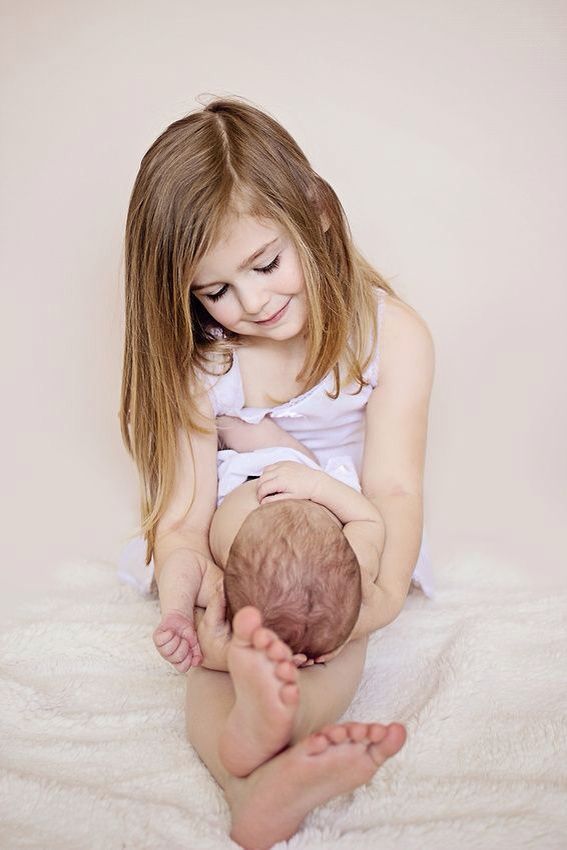
Avoid expecting them to share every toy, give up every routine, or constantly behave like a “big kid.” Give them permission to have difficult days while reminding them that the baby is not replacing them.
Make a habit of noticing your older child for who they are, not only for how well they behave around the baby. Thank them when they are gentle, celebrate their interests, and continue asking about their own day. You can even create a simple family tradition, such as a weekly story night or special snack together.
29 After-School Traditions That Help Kids Reconnect After a Busy Day offers ideas for creating predictable moments when your child can reconnect with you.
Keep the Older Child’s World Normal
After the baby arrives, it can be tempting to make everything about the new sibling. However, your older child still needs opportunities to enjoy the things they loved before becoming a big brother or sister.
Keep taking them to their usual activities, making time for play, and celebrating their small achievements. Maintaining familiar parts of their life can make the transition feel less overwhelming.
You do not have to create elaborate plans to keep them happy. A simple afternoon craft, a trip to the playground, or an activity at home can remind them that life has not completely changed.
When you need quick ideas, 25 Indoor Activities for Kids That Beat Boredom can help you find easy ways to keep your older child engaged while the baby is resting.
Give Them Small Moments of Responsibility
Your older child may enjoy having a special role, but avoid making them feel responsible for caring for the baby. Simple choices are enough. They can choose which book to read, bring you a clean diaper, sing to the baby, or help pick out an outfit. Praise their kindness without suggesting that they must always be helpful.
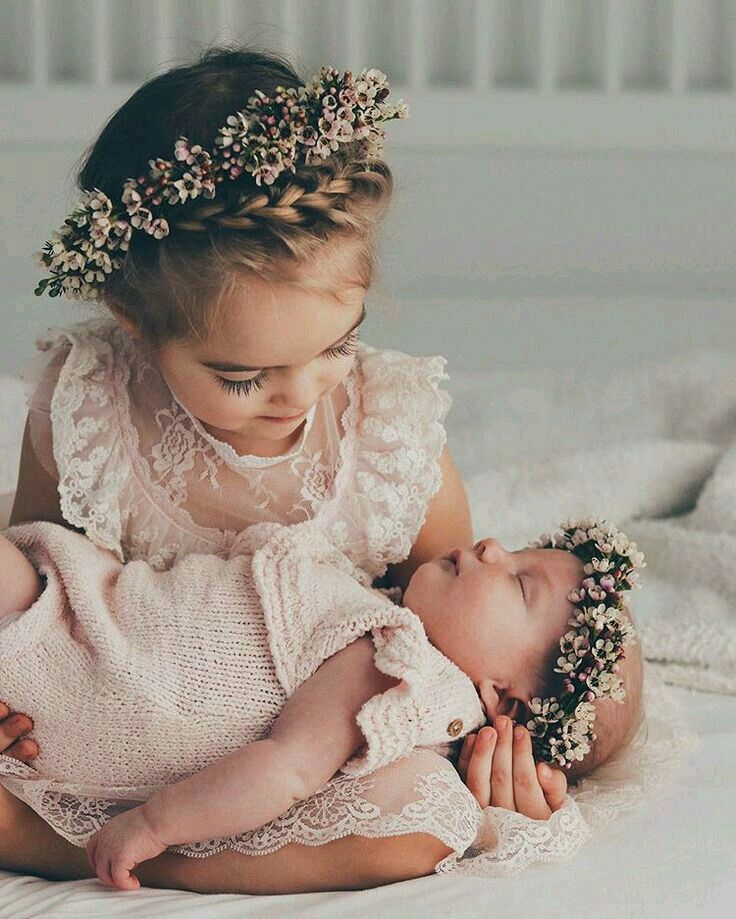
Most importantly, make sure they know they can say no. They are still a child, and becoming a sibling should not mean losing their freedom to play and be cared for themselves.
If you are looking for easy activities you can enjoy together, 21 Easy Crafts Kids Can Make at Home can provide simple ideas that allow you to spend time together while the baby is nearby.
Make Time for Their Questions
Your older child may continue asking questions long after the baby arrives. Some questions may seem repetitive, while others may come at unexpected moments, such as when you are feeding the baby or trying to get everyone ready for bed.
Instead of rushing through every conversation, use these moments to remind your child that they can always come to you. Simple answers and reassurance can help them feel secure.
You can also create a quiet time each day when your child knows they have your attention. It could be during bedtime, breakfast, or while the baby naps. Ask how they are feeling and listen without immediately trying to fix everything.
These small conversations can help you notice concerns before they become bigger problems and show your child that their feelings still matter.
Celebrate Their Special Place
As your family grows, remind your older child that becoming a sibling is something to celebrate, not a role that makes them less important.

Talk about the things that make them special, even if it is their creativity, kindness, humor, curiosity, or the way they make your family laugh. Let them know that the baby will have a different place in the family, but nothing can replace the relationship you already share.
Look for little opportunities to celebrate your older child throughout the transition. A special bedtime story, a favorite meal, or a simple note in their lunchbox can reassure them that they are still seen and appreciated.
How to Make Birthdays Feel Special Without Spending Too Much has more ideas for making children feel valued through thoughtful moments rather than expensive gestures. These reminders can help your child feel confident about their new role.
Be Patient With the Adjustment
There may be days when everything seems to be going well and other days when your older child struggles again. That does not mean you have done anything wrong. Sibling adjustment takes time, and children often move back and forth between excitement, jealousy, affection, and frustration.
Continue offering reassurance, keeping familiar routines, and giving your child opportunities to connect with you without making every interaction about the baby.
Most importantly, avoid comparing your children or expecting your older child to adjust on your schedule. Your patience can help them feel safe while they learn what life with a new sibling looks like.
If you need simple ways to keep your child occupied during busy moments, 31 Cozy Fall Activities for Families to Enjoy Together at Home offers ideas that can easily inspire relaxed family time.
Conclusion: Help Them Feel Secure and Loved
When you Prepare Your Older Child for a new baby, the goal is not to prevent every jealous moment or make the transition completely smooth. It is to help your child understand that their place in the family is still secure.
Talk openly, listen to their worries, protect one-on-one time, and involve them in simple ways without making them responsible for the baby.
Some days will feel easy, while others may be challenging. Your child may feel excited one moment and frustrated the next, and that is completely normal. Give them time to adjust without making them feel guilty for having difficult emotions.
Continue offering reassurance, maintaining familiar routines, and reminding them that your love for them has not changed.
With patience and plenty of reassurance, your older child can gradually become more comfortable with their new role.
Celebrate their individuality, make space for their feelings, and continue creating special moments together. The arrival of a new baby changes your family, but it does not have to take away the connection you already share.

