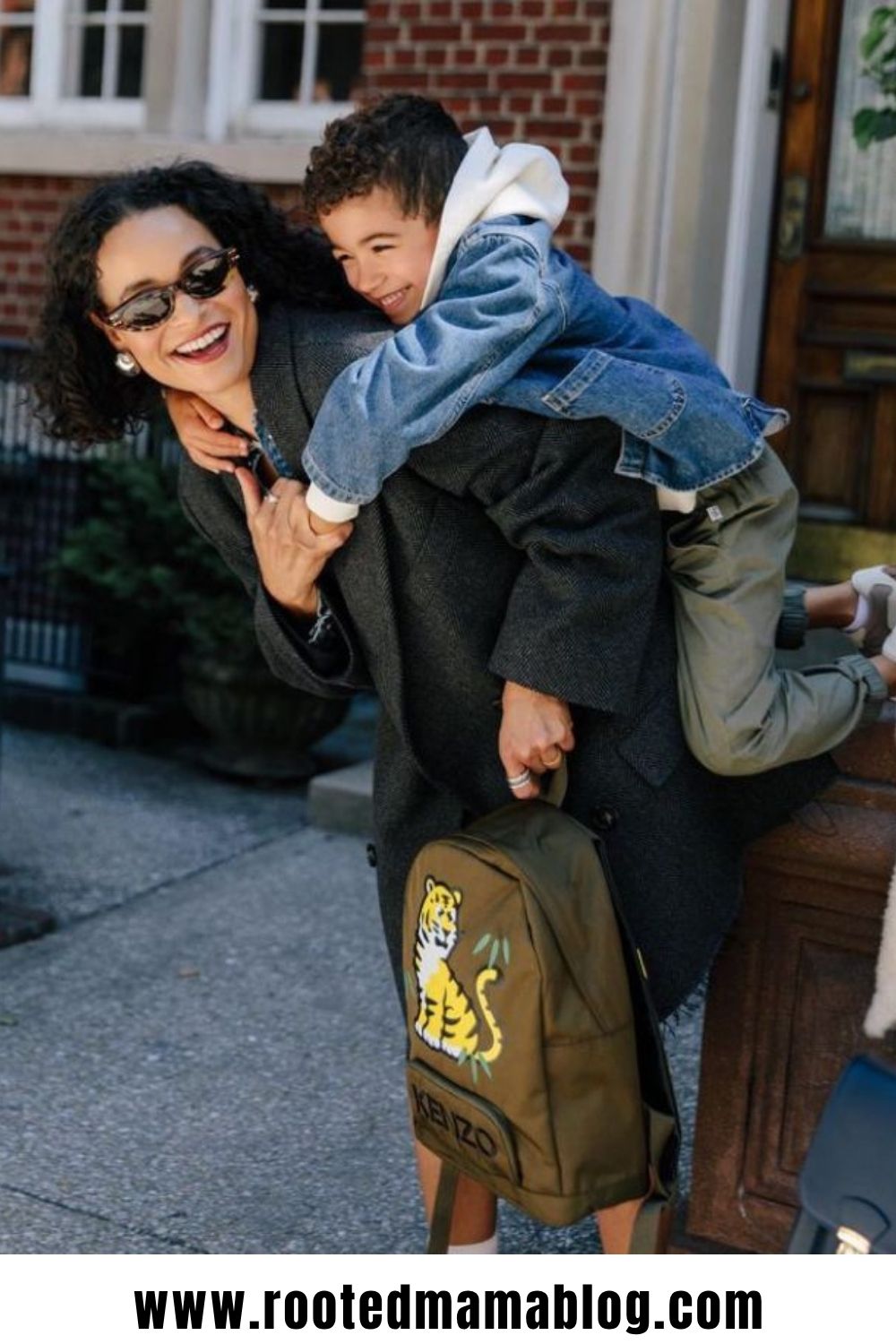
After-School Traditions can quietly transform your family’s afternoons. The school bell rings, backpacks hit the floor, and suddenly the house feels different again.
Your child has spent hours following instructions, learning lessons, managing friendships, and navigating a busy school day. By the time they walk through the door, they may need connection more than another question about homework.
A small ritual can tell your child, “You are home, you are safe, and you are loved.” It does not need to be complicated or expensive. Even ten peaceful minutes together can become something your child looks forward to every afternoon.

If you want to make the entire school transition feel warmer, 21 Back-to-School Traditions That Make the First Day Feel Special offers another meaningful starting point. Maybe your afternoons currently feel completely different, with dinner, homework, and tired children competing for your attention. A simple routine can create predictable moments where conversation happens naturally.
The most meaningful After-School Traditions are rarely elaborate. They are the little habits that happen consistently and make ordinary afternoons feel special. Your child may remember the snack you shared, the silly question you asked, or the walk you took together.
If your family enjoys screen-free connection, How to Create a Screen-Free Routine Your Kids Will Actually Enjoy can help you build calmer moments into your daily rhythm. In this guide, you will discover 29 simple traditions for different ages, personalities, schedules, and energy levels.
hoose the ones that feel natural for your family, then make them your own. Over time, those small moments can become memories your children carry with them for years.
29 After-School Traditions That Help Kids Reconnect After a Busy Day
1. The After-School Snack Ritual
Create a small snack ritual that happens soon after your child gets home. It can be as simple as fruit, crackers, sandwiches, or something they already enjoy.
Instead of immediately asking about homework, give them time to settle down. Sit nearby and let conversation happen naturally while they eat.
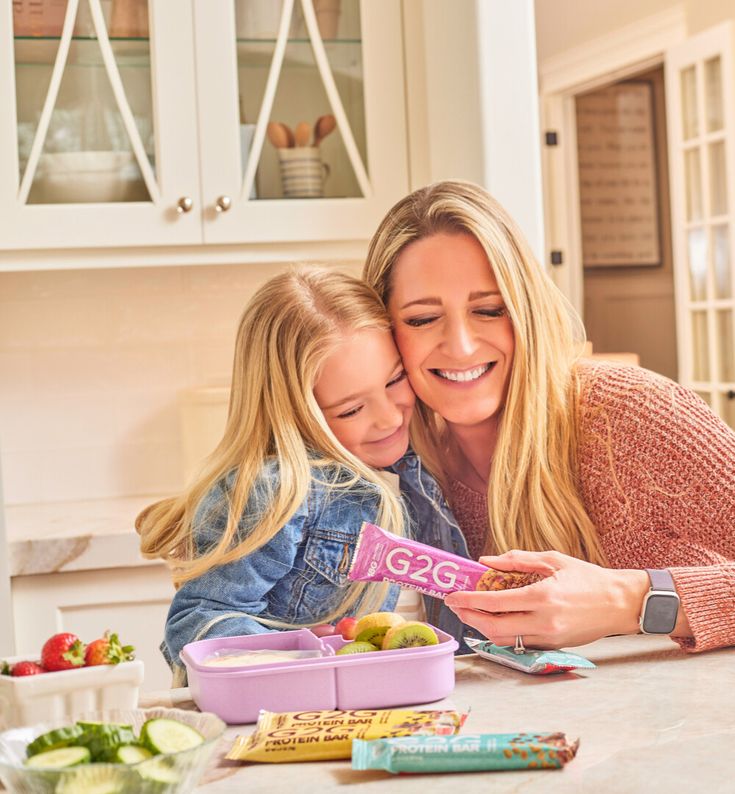
You could create a special snack rotation for different days. Mondays might mean fruit and yogurt, while Fridays could include a favorite homemade treat.
The goal is connection rather than creating another responsibility. When the ritual feels relaxed, children may become more willing to share stories about their day.
For more ideas that keep children engaged at home, 50 Easy Kids Activities at Home That Keep Little Ones Busy can give you simple options for afternoons.
2. The “Tell Me One Thing” Tradition
Some children do not enjoy answering broad questions about school. Instead of asking, “How was your day?” try asking them to share one specific thing. It could be something funny, surprising, difficult, exciting, or interesting. There are no wrong answers.

This simple question can become a familiar part of your afternoon routine. Your child may eventually begin sharing stories without needing to be prompted.
You can participate too by sharing one thing from your own day. This turns the tradition into a conversation instead of an interview.
3. Ten Minutes of Uninterrupted Time
Give your child ten minutes of your complete attention after school. Put your phone aside and let your child choose what you do together. You could talk, cuddle, draw, play a quick game, or simply sit together. The activity matters less than your attention.

This tradition works especially well when your child has had a demanding school day. It gives them a chance to reconnect before homework and household responsibilities begin.
Keep the time predictable whenever possible. Knowing that they will have your attention can make the transition home feel more comforting.
4. The After-School Walk
A short walk can help your child physically transition from school to home. You do not need a destination or complicated plan. Walk around your neighborhood while talking about whatever comes naturally. Some days your child may talk constantly, while other days they may prefer silence.
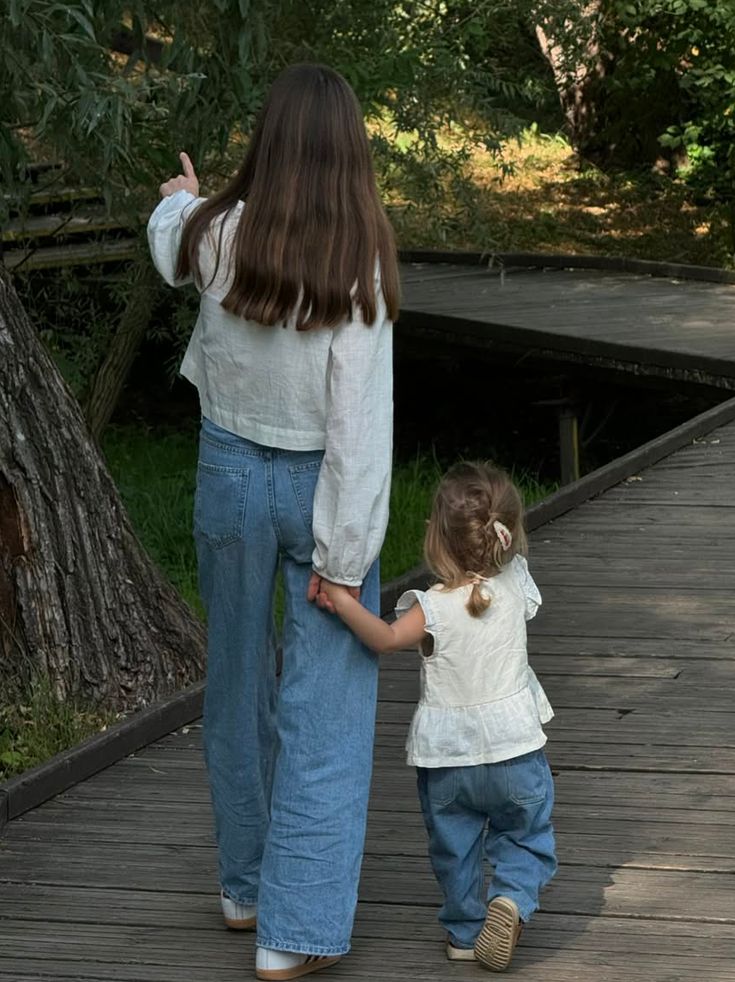
You can turn the walk into a small observation game. Look for interesting leaves, flowers, clouds, birds, or unusual objects along the way.
If your family enjoys seasonal activities, [31 Leaf Crafts for Kids That Turn Fall Walks Into Creative Fun] can give you ideas for turning collected leaves into an afternoon project.
5. The After-School Music Moment
Choose a favorite song to play when your child arrives home. Make it a familiar signal that the school day has officially ended.

You could dance together, sing along, or simply listen while preparing an afternoon snack. Younger children may especially enjoy turning this into a playful routine. Let your child occasionally choose the song. Giving them that small decision can make the ritual feel personal.
The tradition does not need to last long. Even one song can create a cheerful transition between school responsibilities and family time.
6. The “Favorite Part” Tradition
Ask your child to tell you their favorite part of the school day. Keep the question simple and let them answer however they want.

Their favorite moment might involve a lesson, friend, teacher, lunch, or something completely unexpected. Avoid correcting their answer or immediately turning it into a lesson. You can share your favorite part of your day afterward. This creates a two-way conversation that feels natural rather than forced.
Over time, your child may begin telling you these stories automatically. Those small conversations can become some of your most treasured everyday memories.
7. The After-School Cuddle
Some children need physical comfort before they are ready for anything else. Create a short cuddle ritual that happens when they arrive home. You could sit together on the sofa, read a few pages, or simply hug quietly. Let your child decide whether they want conversation or peaceful closeness.
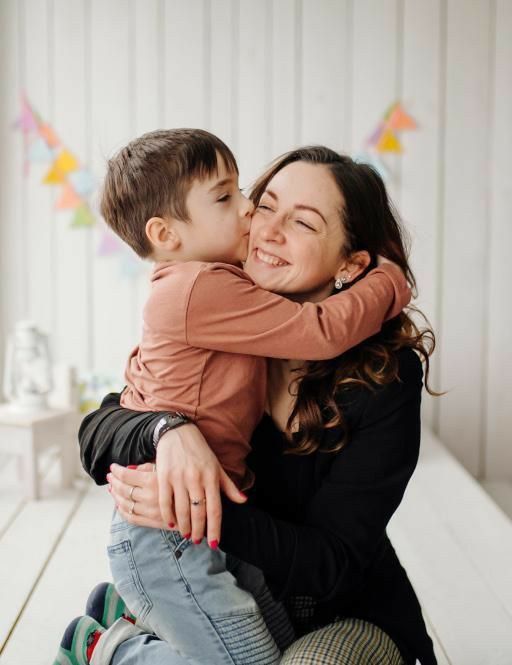
This can be especially helpful after a frustrating or exhausting school day. It gives your child space to decompress before tackling homework or chores.
Keep the tradition flexible as your child grows. Older children may prefer sitting beside you rather than having a traditional cuddle.
8. The Backyard Reset
If you have outdoor space, spend a few minutes outside after school. Your child can play, explore, water plants, or simply sit with you. Fresh air and movement can create a natural break between school and homework. You can make the ritual as short or relaxed as your schedule allows.

You could also create a simple outdoor snack tradition. Take your afternoon snack outside and talk about the day while enjoying the change of scenery.
For families wanting more outdoor inspiration, 15 Affordable Outdoor Seating Ideas for Small Spaces That Look Stylish can help create a comfortable area for these moments.
9. The Daily Drawing Tradition
Keep paper and drawing supplies somewhere your child can easily reach them. After school, invite them to draw something from their day.
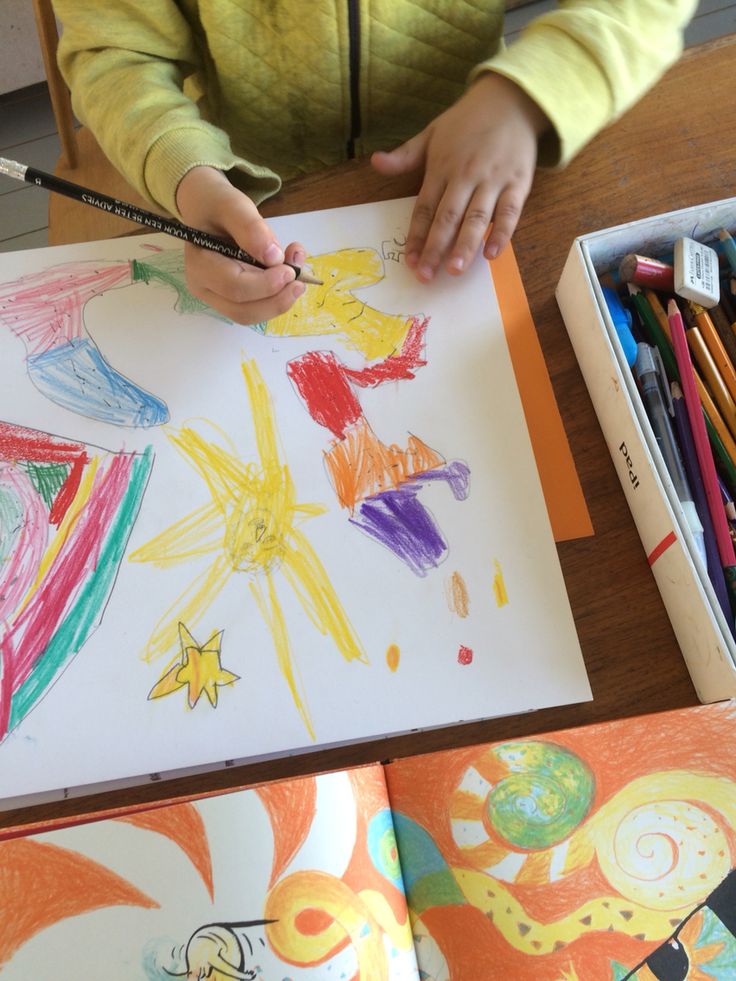
They might draw their classroom, a friend, something they learned, or an imaginary story. There is no need to judge the drawing or turn it into an educational assignment.
You can occasionally draw alongside them. This makes the tradition feel like shared creative time rather than another activity adults supervise.
For more creative inspiration, 21 Fun Painting Ideas for Kids That Spark Creativity can give your child different ways to express themselves through art.
10. The Family Snack and Story Time
Create a small afternoon gathering where everyone sits together for a snack. Each person can share something from their day while everyone listens. Children can talk about something funny, challenging, exciting, or surprising. Adults can share their own experiences too.

This tradition helps create a predictable space for communication. It also gives siblings an opportunity to reconnect after spending separate parts of the day apart.
If your afternoons often become hectic, keep the tradition short. Ten or fifteen minutes can still make a meaningful difference.
11. The After-School Decompression Hour
Give your child a little time to decompress before expecting homework or chores. This does not need to be a full hour. Even fifteen minutes can help them shift out of school mode.
Let them choose something calming during this time. They might read, listen to music, build with blocks, color, or simply relax.
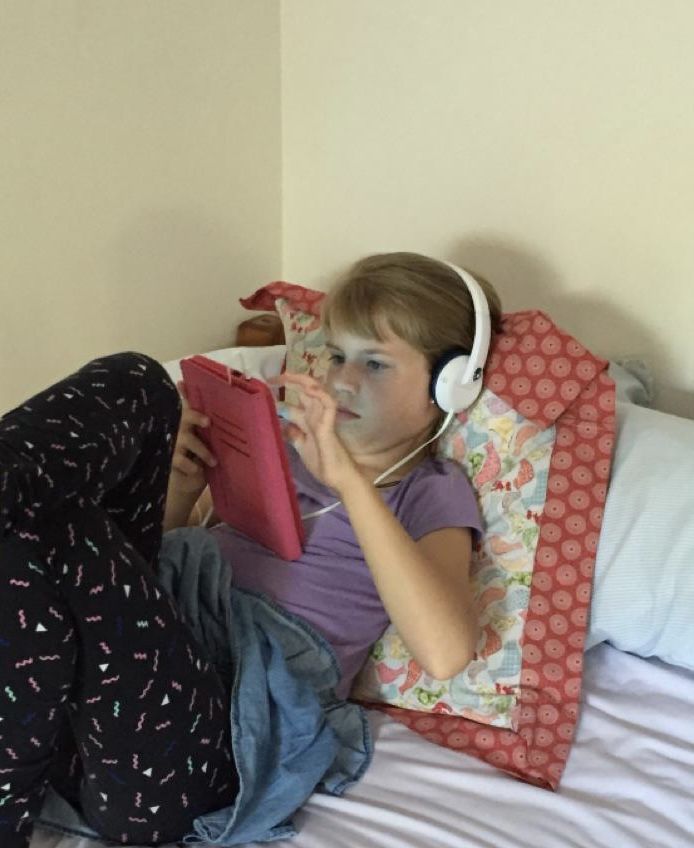
The important part is avoiding a long list of demands immediately after they arrive. A predictable pause can make the rest of the afternoon feel less overwhelming.
You can make this one of your After-School Traditions by keeping the routine consistent. Over time, your child may naturally understand that coming home means they have space to reset.
12. The After-School Reading Corner
Create a comfortable reading spot where your child can spend a few quiet minutes after school. It could be a chair, floor cushion, bed, or small corner of their room. Let them choose a book that matches their mood. They do not always need to read independently, either.
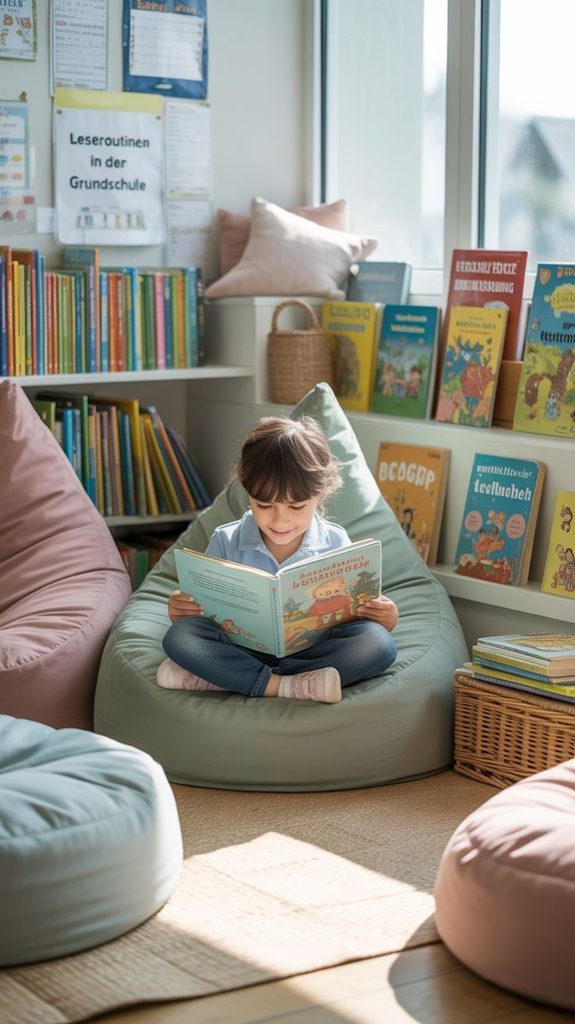
You can sit beside them and read together when they want company. Younger children may enjoy picture books, while older children can choose chapter books or comics.
Make the space inviting without filling it with distractions. If you are working on your child’s room, Kids Room Ideas That Make Every Space Feel Magical can inspire a cozy area for reading and relaxing.
13. The Daily Question Jar
Create a jar filled with interesting questions your family can answer after school. Each afternoon, your child can pull one question from the jar.
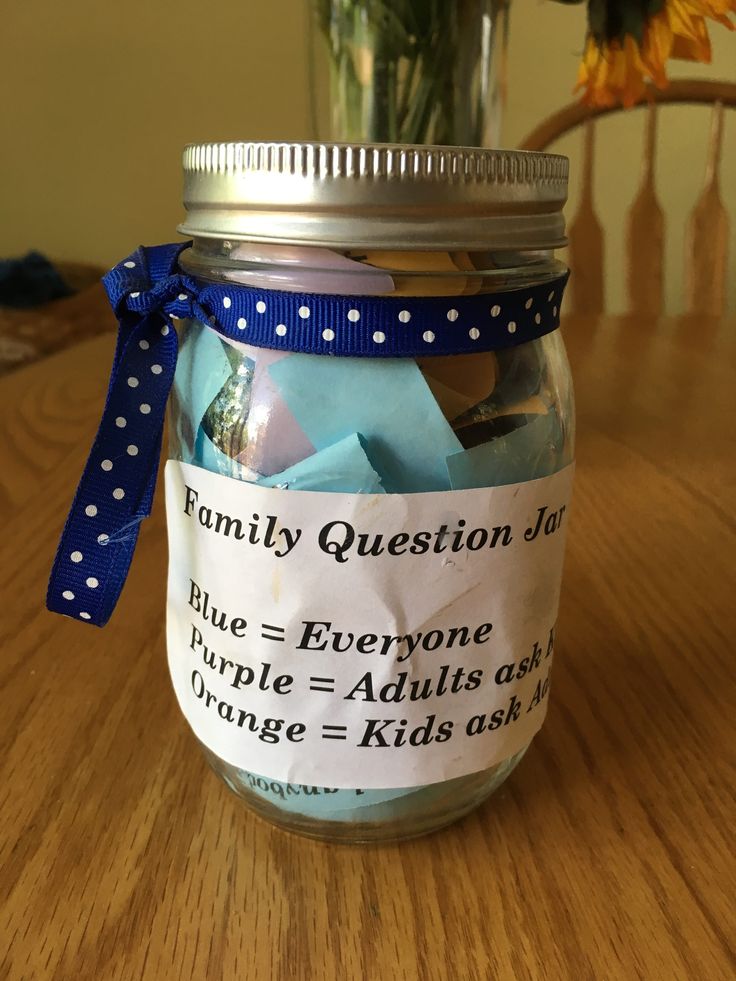
Questions might include favorite foods, funny memories, dream destinations, or imaginary adventures. Keep the questions playful instead of turning them into serious conversations every day.
You can answer the same question yourself. This helps your child see that sharing and listening are family habits. The jar can also grow over time. Let your child add questions whenever they think of something interesting.
14. The After-School Outdoor Game
Spend a few minutes playing a simple outdoor game after school. You could kick a ball, play tag, jump rope, or create your own game. The activity does not need to be competitive. The main purpose is giving your child a chance to move, laugh, and reconnect with you.
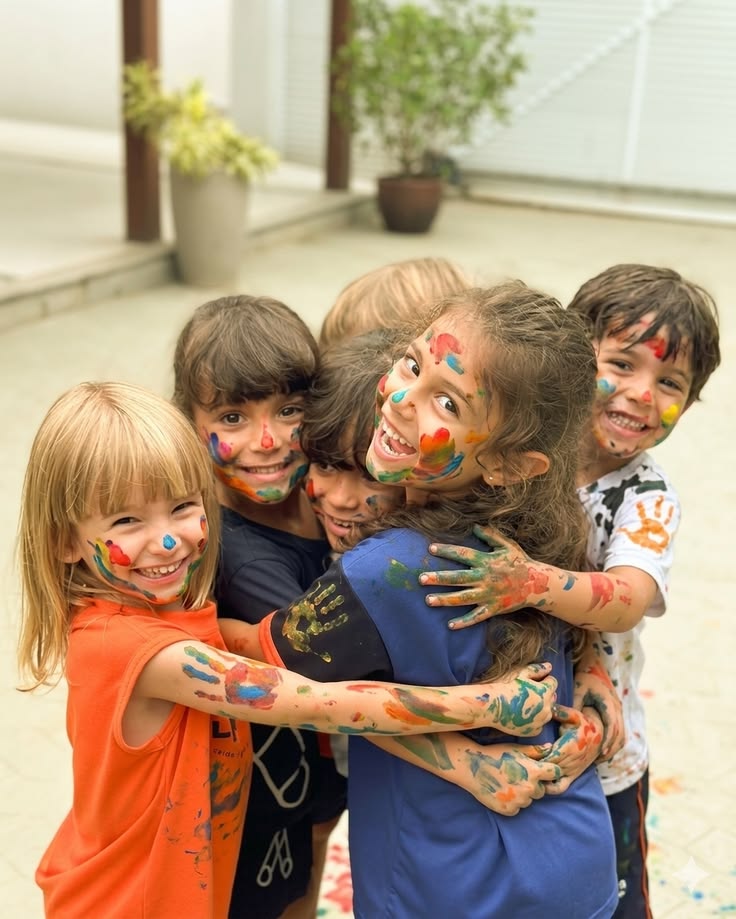
This can be especially helpful when your child seems restless after sitting throughout the school day. Movement can provide a natural transition before quieter activities begin.
If the weather keeps everyone indoors, 25 Indoor Activities for Kids That Beat Boredom can provide easy alternatives for keeping the afternoon enjoyable.
15. The “You Choose” Afternoon
Let your child choose one small activity after school. Give them a few simple options instead of leaving the decision completely open.
They might choose drawing, playing outside, reading, building, or helping you prepare a snack. Giving them control over one part of the afternoon can feel empowering.
This tradition works particularly well for children who feel like their entire day is controlled by schedules and instructions. Keep the choices realistic for your available time. The goal is connection and autonomy, not creating another complicated activity for yourself.
16. The After-School Craft Ritual
Set aside a few minutes for a simple craft after school. It can be drawing, cutting paper, painting, folding, or creating something from recycled materials. The activity does not need to produce a perfect result. Let your child experiment while you sit nearby and participate when they invite you.
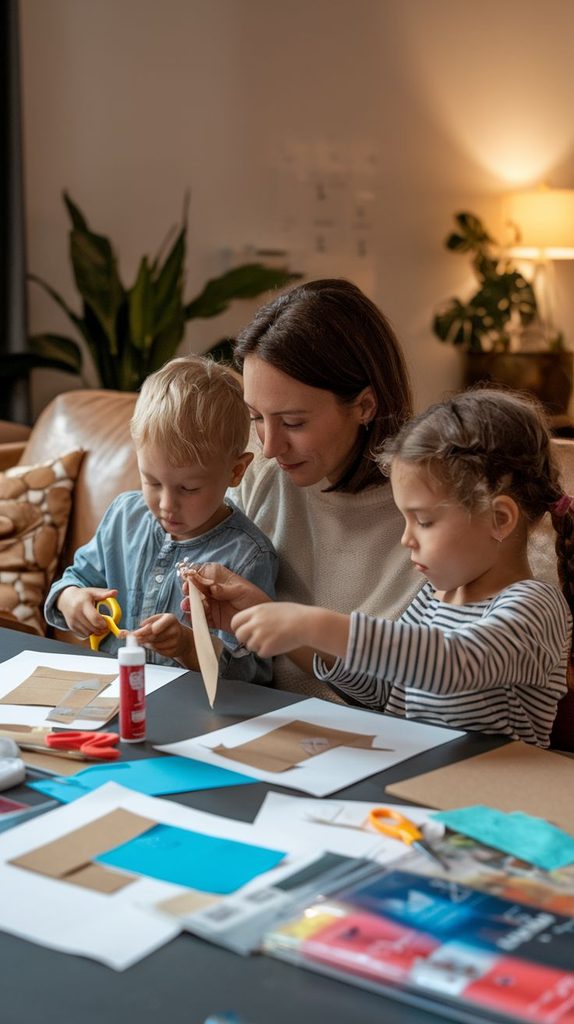
This can become a calming transition after a structured school day. Your child gets creative freedom while enjoying relaxed time with you.
For easy projects that require minimal preparation, 21 Easy Crafts Kids Can Make at Home can give you plenty of ideas to keep this tradition fresh.
17. The After-School Snack Picnic
Turn an ordinary snack into a tiny picnic. Spread a blanket in the backyard, living room, or another comfortable space. Pack simple foods your child already enjoys. You can let them help arrange everything before sitting down together.

Use this time for relaxed conversation instead of immediately discussing homework. Talk about funny moments, favorite foods, weekend plans, or anything your child wants to share.
The novelty does not need to be elaborate. Changing the location of an ordinary snack can make the afternoon feel special.
18. The Five-Minute Dance Party
Put on a favorite song and have a quick dance party after school. Five minutes can be enough to release some energy and create laughter. Let your child choose the music on some days. You can also create a special playlist containing songs your whole family enjoys.
This tradition can be especially useful after a stressful school day. Movement gives everyone an opportunity to reset before continuing with the afternoon.
Keep it playful rather than turning it into exercise. The goal is connection, laughter, and creating a positive signal that your child is finally home.
19. The After-School Nature Hunt
Create a simple nature hunt that changes throughout the year. Look for specific leaves, flowers, birds, clouds, or interesting rocks during a short walk. You can make a small checklist together. Keep the activity flexible so it never feels like another school assignment.

Your child can take the lead while you follow along. This encourages curiosity while giving you both something interesting to discuss.
During fall, the activity becomes especially enjoyable because colorful leaves create endless possibilities. You can later turn collected leaves into artwork using [31 Leaf Crafts for Kids That Turn Fall Walks Into Creative Fun].
20. The Homework Countdown Ritual
Homework can become less stressful when children know exactly when it begins. Create a small ritual that signals the transition. You might prepare a drink, play one quiet song, clear the table, or set a simple timer. Repeat the same steps each afternoon.
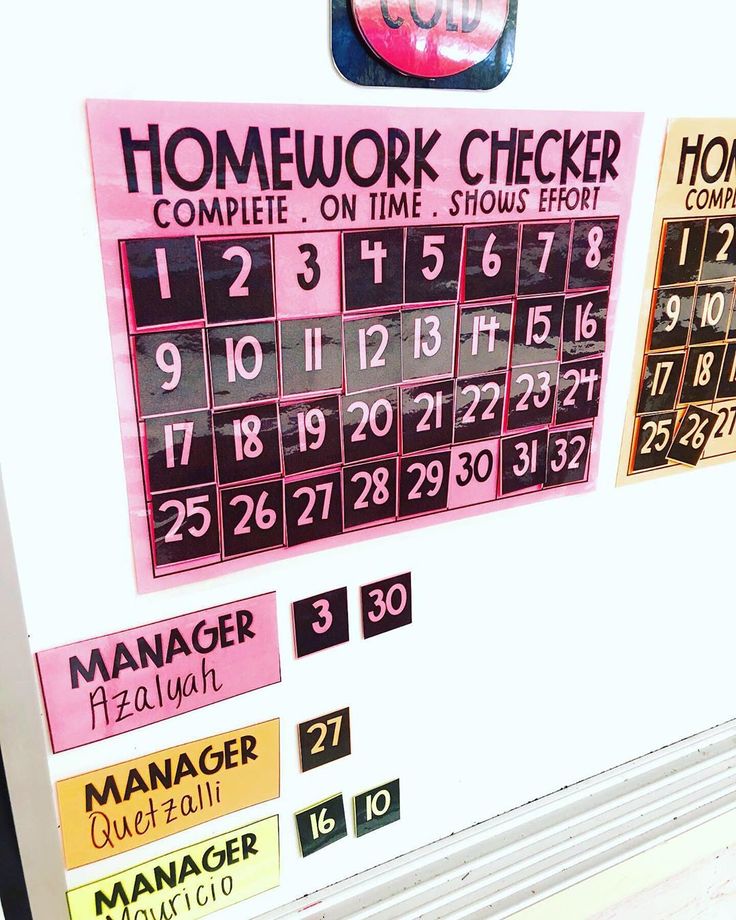
The routine helps separate relaxation time from school responsibilities. Your child knows they have enjoyed a break before beginning their assignments.
Keep the ritual short and predictable. A familiar transition can reduce arguments because everyone understands what happens next.
21. The Family Check-In
Create a short daily check-in where everyone shares how they feel. You can use simple words such as happy, tired, excited, frustrated, or calm.
Children do not need to explain everything. Sometimes identifying an emotion is enough to help them feel understood. You can share your own feeling too. This shows your child that adults also experience different emotions throughout the day.
If your child struggles with emotional regulation, 35 Ways to Stay Calm During Toddler Tantrums Without Losing Your Cool can provide additional ideas for creating calmer responses at home.
22. The Family Dinner Prep Tradition
Invite your child to help with one small part of dinner preparation. They might wash vegetables, arrange plates, stir ingredients, or choose between two side dishes.

This gives you time together without requiring a separate activity. Children can talk more naturally when their hands are occupied. Keep their responsibilities age-appropriate and simple. The goal is spending time together rather than producing a perfect meal.
Over time, this can become one of the After-School Traditions your child remembers fondly. Even ordinary kitchen moments can become meaningful when they happen consistently.
23. The After-School Storytelling Ritual
Create a few quiet minutes for storytelling after school. You can invite your child to tell you something that happened during the day. You could also make up stories together when they are not ready to discuss school. Start with one sentence and let your child continue the story.
This tradition can encourage imagination while creating a relaxed space for conversation. It also works well for children who find direct questions uncomfortable.
Keep the activity playful and avoid turning it into another lesson. The goal is simply to enjoy being together after a busy day.
24. The After-School Building Challenge
Set up a quick building challenge using blocks, magnetic tiles, cardboard, or other materials. Give your child a simple prompt and let their imagination take over.
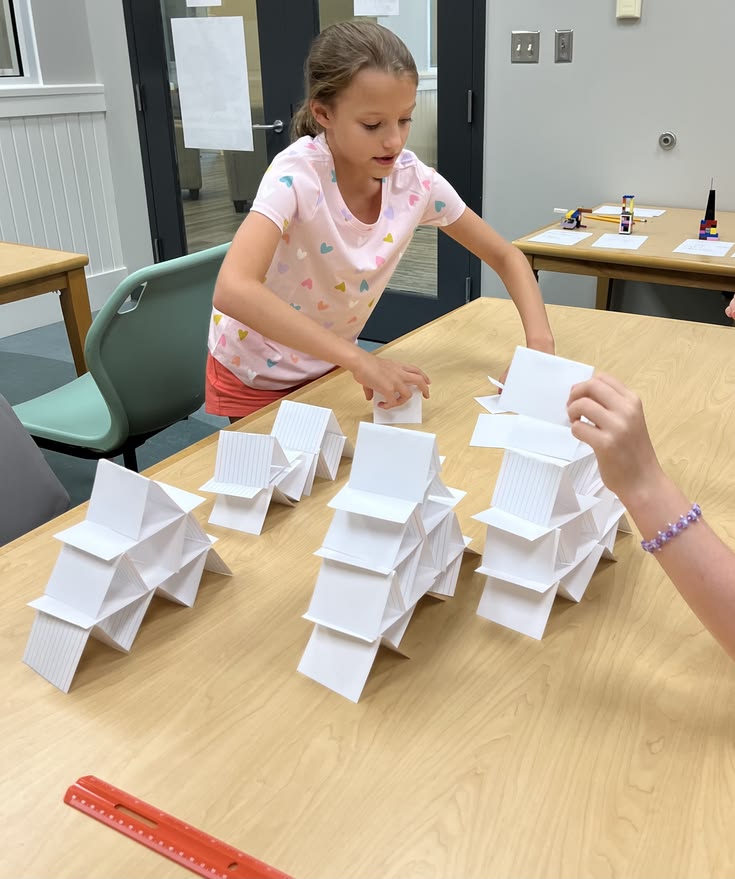
You could ask them to build a house, bridge, vehicle, animal, or imaginary world. Avoid correcting their design or showing them how you would build it. The challenge gives children something engaging to focus on after school. It also creates opportunities for conversation while their hands stay busy.
If you need more activities for creative afternoons, 33 Creative Minecraft Paper Craft Templates for Kids and Beginners can provide another fun project to explore.
25. The Afternoon Coloring Ritual
Keep a small collection of coloring pages and supplies ready for quiet afternoons. Invite your child to color while you complete nearby tasks. You can occasionally sit down and color alongside them. This creates connection without requiring your full attention every single day.
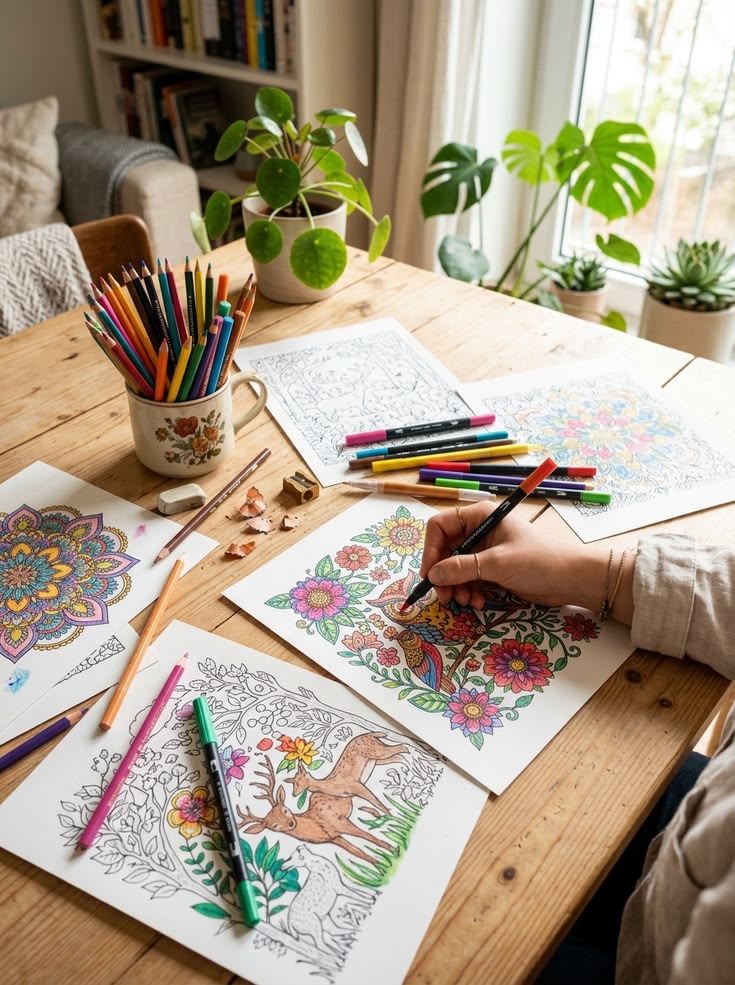
Choose different themes throughout the year to keep the activity interesting. Fall leaves, animals, favorite characters, and imaginative scenes can all work.
The relaxed nature of coloring makes it especially useful after an overwhelming school day. There is no right way to complete the picture.
26. The “Show Me Something” Tradition
Instead of asking your child to explain their entire day, invite them to show you something. It could be a drawing, school project, book, toy, or interesting object.
This approach can make conversation easier for children who struggle to describe their feelings. Their chosen object can naturally lead into a longer conversation.
Give them your full attention while they explain why the item matters. Even something that seems ordinary to you may feel extremely important to them. This tradition also reminds children that their interests matter. Over time, they may become more comfortable bringing things to you without being asked.
27. The After-School Family Game
Choose a short game that your family can play after school. Card games, guessing games, simple board games, and word games can all work. Keep the games short enough to fit your schedule. Ten or fifteen minutes can be plenty when everyone is tired.
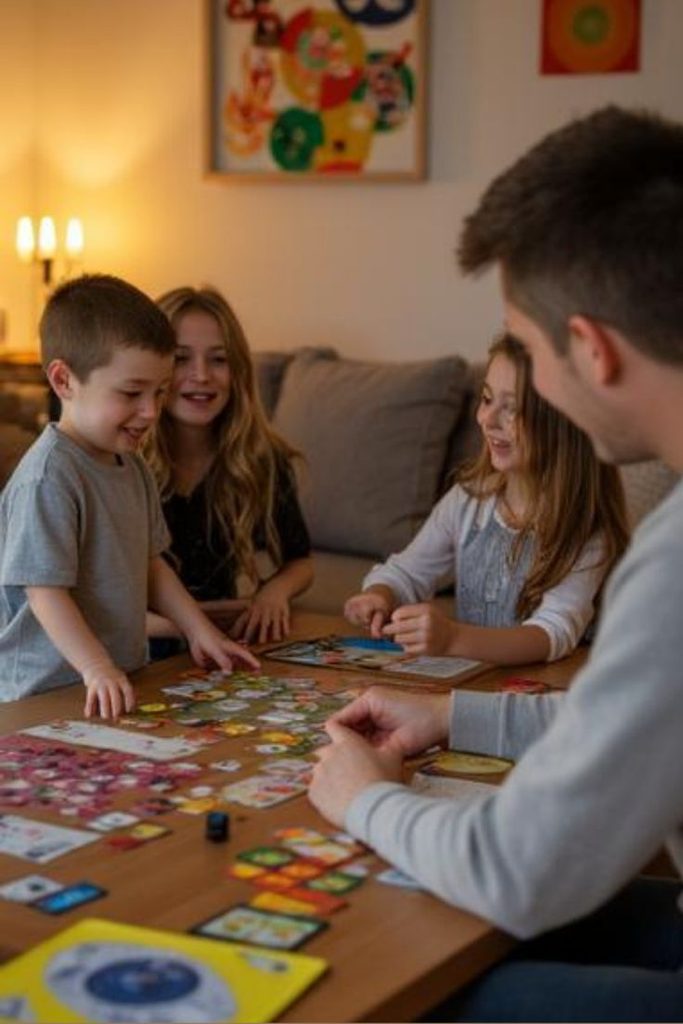
Avoid making winning the focus. The real purpose is laughter, conversation, and reconnecting after everyone has spent the day apart.
You can create different game days throughout the week. This keeps the tradition predictable while preventing it from becoming repetitive.
For another family-friendly evening idea, How to Host a Family Movie Night at Home That Everyone Looks Forward To can help you create a special family ritual.
28. The “Tomorrow Prep” Tradition
Spend a few minutes preparing for tomorrow together. Help your child organize their backpack, choose clothes, or check what they need for school. Doing this earlier can make the following morning feel less rushed. It also gives you another opportunity to talk without pressure.
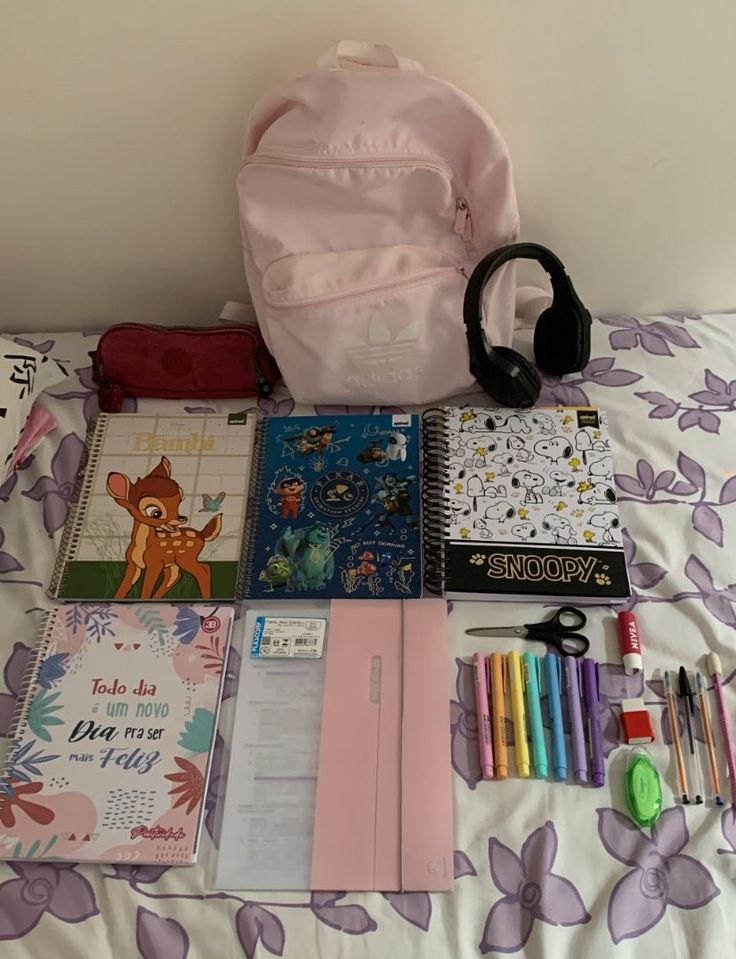
Turn the preparation into a calm routine rather than a list of commands. You can play music or chat while completing the tasks.
This tradition works especially well for families struggling with chaotic mornings. If your home needs more organization, 35 Home Organization Ideas Busy Moms Will Wish They Tried Sooner can provide practical ideas for simplifying daily routines.
29. The Evening Gratitude Moment
End the after-school period by sharing one thing everyone appreciated that day. It can be something tiny, funny, ordinary, or meaningful. Your child might mention a friend, a good meal, a funny moment, or something they learned. You can share your own answer as well.

There is no need to force positivity when your child has had a difficult day. Simply acknowledge their feelings before looking for something that brought them comfort.
Over time, this can become one of your most meaningful After-School Traditions. It teaches children that ordinary moments can still hold something worth remembering.
Final Thoughts
The best After-School Traditions do not require expensive activities or complicated schedules. They simply create small moments where your child can pause and reconnect with you. Some traditions may involve snacks, games, conversations, crafts, walks, or quiet reading. Others may take only five minutes before homework begins.
Do not feel pressured to introduce all 29 traditions at once. Choose two or three that fit your family’s current routine. Try them consistently for a few weeks, then notice which ones your children naturally enjoy.
Your afternoons may not always go according to plan. Some days will be rushed, messy, noisy, or completely unpredictable. That does not mean the tradition has failed. What matters most is creating a familiar opportunity for connection whenever possible.
As your children grow, their needs will change. A toddler may want a cuddle, while an older child may prefer a snack and casual conversation. Allow your traditions to change with them.
The little moments can become surprisingly meaningful. Years from now, your child may remember the snack you shared, the walks you took, or the questions you asked after school.
If you want to make your family routines even more enjoyable, explore 29 Simple Family Traditions to Start This Fall for more ideas that can turn ordinary days into lasting memories.
Start small, keep it consistent, and focus on connection rather than perfection. Your child does not need a perfect afternoon. They simply need to know that home is a place where they can relax, reconnect, and feel loved.

