
Routine that helps babies and toddlers thrive can feel impossible when every day seems completely unpredictable. I remember imagining calm mornings, peaceful naps, and perfectly planned mealtimes. Then, real life with a little one quickly changed that picture.
One missed nap could turn the afternoon upside down, while breakfast sometimes happened much later than planned. If you are constantly wondering when your child should eat, sleep, play, or rest, you are not alone. Many parents want structure but worry about creating a schedule that feels too strict.

The good news is that a daily routine that helps babies and toddlers thrive does not require watching the clock every minute. Children often respond well to simple, familiar patterns that help their days feel predictable. You can create gentle rhythms around waking, meals, naps, playtime, and bedtime without stressing over perfection.
If you are still preparing for life with a newborn, 35 Things Every First-Time Mom Should Know Before Baby Arrives shares honest advice for those early days. Your home can also affect how smoothly routines work, so 35 Home Organization Ideas Busy Moms Will Wish They Tried Sooner may help simplify busy family spaces.
Most importantly, your routine should work for your real family and your child’s changing needs. Some days will flow beautifully, while others may completely fall apart before lunchtime. That does not mean you have failed. Building a daily routine that helps babies and toddlers thrive takes patience, observation, and plenty of flexibility.
In this guide, I will show you how to create realistic daily rhythms that support sleep, play, meals, and family connection. So, take a deep breath and forget the pressure to create a perfect schedule. Let us build a routine that makes everyday life feel calmer for both you and your little one.
1. Start With Your Child’s Natural Rhythm
Before creating a detailed schedule, spend several days watching your child’s natural patterns. Notice when they wake, become hungry, feel tired, and enjoy active play.
You may discover that your toddler becomes sleepy shortly after lunch. Perhaps your baby prefers feeding immediately after waking. These small patterns give you a useful starting point.

A daily routine that helps babies and toddlers thrive should follow your child’s needs instead of fighting them. Write down important patterns for several days. Then, use those patterns to shape a gentle daily rhythm.
2. Choose a Consistent Morning Starting Point
Mornings often influence the rest of the day. Therefore, create a simple morning routine that feels familiar and manageable. Open the curtains, change your child’s diaper, and offer breakfast or milk. You can then move into quiet play or getting dressed.

You do not need to wake your child at exactly 7:00 every morning. Instead, aim for a reasonable waking window. Consistent morning habits help children understand that a new day has started. They also help parents feel less scattered.
3. Build Your Routine Around Important Anchors
Trying to schedule every minute can quickly become exhausting. Instead, choose a few important daily anchors. Wake time, meals, naps, and bedtime are excellent starting points. These activities naturally divide the day into manageable sections.
A daily routine that helps babies and toddlers thrive usually feels predictable without becoming rigid. Your child begins recognizing what normally happens next.
For example, breakfast may lead to playtime. Lunch may happen before a nap, while bath time signals bedtime. These simple connections can create a calmer daily flow.
4. Keep Breakfast Simple and Predictable
Busy mornings become harder when breakfast requires too much preparation. Keep several easy, age-appropriate meal options available. Depending on your child’s age, rotate familiar foods alongside suitable new choices. Always follow appropriate feeding and choking safety guidance.

Predictable meals can make mornings easier for everyone. You also spend less time wondering what to prepare. Create a short breakfast list and rotate those options. Simple systems often make parenting feel more manageable.
5. Include Active Play Every Day
Babies and toddlers need opportunities to move, explore, and use their growing bodies. Active play does not require expensive equipment. Floor play can give babies space to move safely. Toddlers may enjoy dancing, walking, climbing safely, or chasing bubbles.

A daily routine that helps babies and toddlers thrive should include movement whenever possible. Active play can also add variety to long days.
If you have a small outdoor area, 15 Affordable Outdoor Seating Ideas for Small Spaces That Look Stylish may inspire you. Creating a comfortable outdoor corner can make supervised fresh-air time more enjoyable for everyone.
6. Do Not Fill Every Minute With Activities
Parents sometimes feel responsible for entertaining children throughout the entire day. That pressure can become exhausting. Your child does not need a complicated activity every hour. Simple play and age-appropriate independent exploration can also be valuable.
Place a few suitable toys in a safe space and allow your child to explore. Sit nearby when supervision is needed. Quiet moments can give both you and your child breathing space. A calmer routine often works better than an overcrowded schedule.
7. Create a Gentle Nap Routine
Nap struggles can turn peaceful afternoons into stressful battles. A short pre-nap routine may help create familiar sleep signals. Dim the room, reduce noise, and begin the same calming activities. You might change a diaper and read a short book.

Keep the routine simple enough to repeat regularly. A daily routine that helps babies and toddlers thrive should respect age-appropriate sleep needs. Remember that sleep patterns can change as children develop.
Watch your child’s tired signs and seek professional guidance when sleep concerns become persistent.
8. Use Transitions to Prevent Sudden Meltdowns
Toddlers do not always enjoy stopping an activity without warning. Imagine enjoying something before someone suddenly removes it. That experience can feel frustrating.
Give simple warnings before transitions when your toddler can understand them. You might say, “Two more minutes, then bath time.” Keep your words calm and consistent.
Songs can also make transitions more playful. Create a cleanup song or a simple phrase for leaving home. Repeated transition signals can help your child understand what happens next.
9. Create a Simple Lunch Rhythm
Lunch does not need to become another complicated part of your day. Choose simple meals that fit your child’s developmental needs. Try to offer lunch within a familiar daily window. This consistency can make planning easier.

You can prepare some ingredients earlier when your mornings feel calmer. A daily routine that helps babies and toddlers thrive should also support parents. If your routine leaves you constantly exhausted, simplify it. Convenience and thoughtful preparation can work together.
10. Make Your Home Support Your Routine
Sometimes, the problem is not your schedule. Your home setup may make simple tasks unnecessarily difficult. Diapers stored upstairs become frustrating when you spend most afternoons downstairs. Toys without clear storage can make cleanup feel endless.
Keep frequently used items close to where you need them. If clutter constantly returns, Why Your Home Keeps Getting Cluttered and How to Fix It offers practical ideas. Small household changes can make daily routines easier to maintain.
11. Give Everything a Simple Home
You do not need a perfectly organized house. Still, basic storage systems can save valuable time. Keep feeding supplies together. Store outdoor items near the door and place bedtime essentials where you use them.

@Dani
Toddlers can also begin helping with simple cleanup tasks. Use easy baskets that they can reach safely. Do not expect perfect organization from a young child. Instead, teach the same simple routine repeatedly.
Over time, familiar cleanup habits can become part of everyday family life.
12. Create Screen-Free Parts of the Day
Screens can easily become part of every quiet moment. Yet, you can create specific periods for other activities. Perhaps mornings remain screen-free until after breakfast. You might also remove screens during meals and before bedtime.
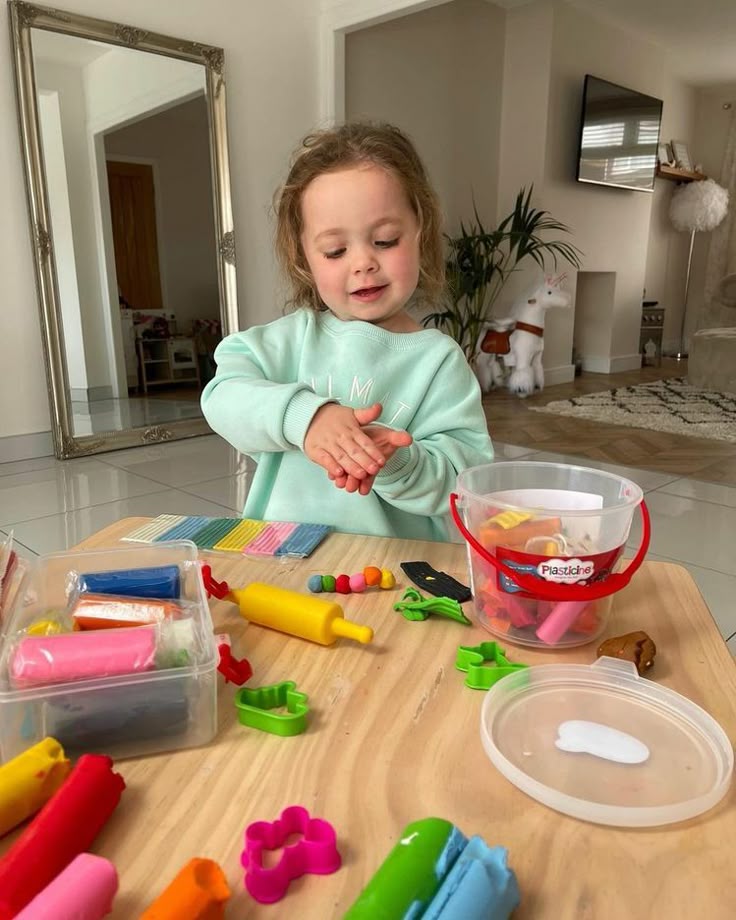
A daily routine that helps babies and toddlers thrive can include conversation, books, songs, and simple play. If reducing screens feels difficult, read How to Create a Screen-Free Routine Your Kids Will Actually Enjoy for practical inspiration.
Start with one small screen-free period. You can gradually adjust your family’s habits.
13. Use Quiet Time When Naps Begin Changing
Eventually, some toddlers start resisting naps or dropping them completely. This transition can feel exhausting for parents. Instead of removing afternoon rest immediately, introduce quiet time.
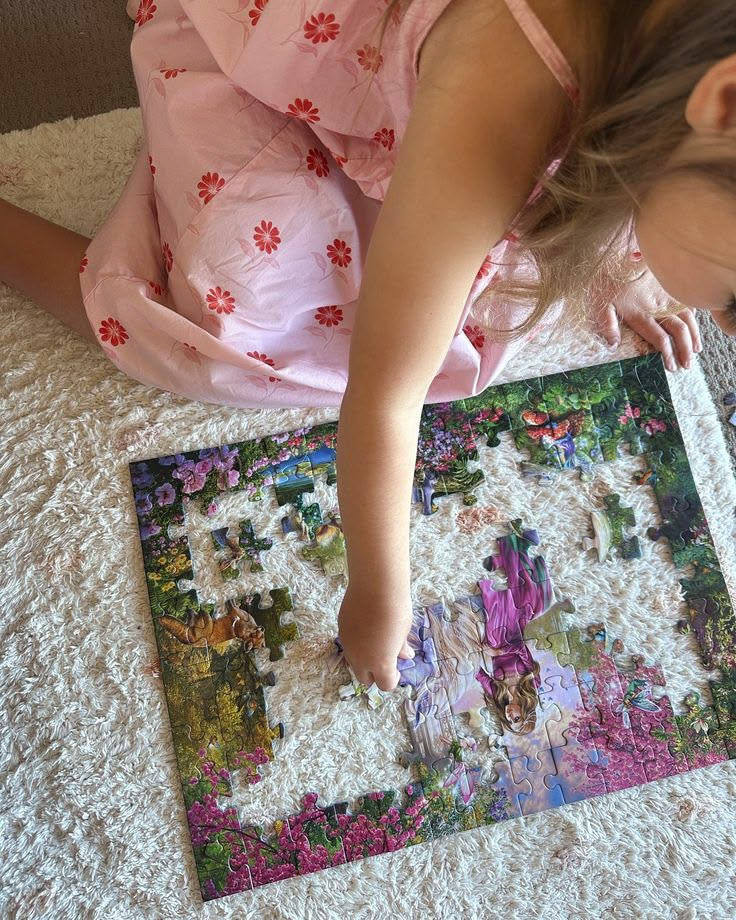
Your toddler might look at books, play quietly, or rest in a safe space. Keep expectations suitable for their age. Quiet time gives the day a natural pause. It can also provide parents with a short moment to reset.
A daily routine that helps babies and toddlers thrive can change without losing its basic structure.
14. Keep Snacks Easy to Manage
Toddlers can become hungry at surprisingly inconvenient times. Having suitable snacks available can prevent unnecessary stress. Choose age-appropriate options and follow feeding safety recommendations. Prepare simple snacks before busy parts of the day.
You can also keep a small snack list on your phone. This simple habit reduces last-minute decisions. Remember, your routine should remove unnecessary mental pressure. It should not create more work than necessary.
15. Create Small Family Rituals
Daily routines become more meaningful when they include small moments of connection. These moments do not need to cost anything. Perhaps you sing the same morning song. Maybe everyone shares a cuddle before starting the day.

Small rituals can create familiarity and emotional warmth. For more inspiration, How to Start Meaningful Family Traditions Your Kids Will Remember shares simple ways to create lasting memories.
A routine should support connection, not simply move everyone through a checklist.
16. Let Your Toddler Help With Simple Tasks
Toddlers often want to copy adults. Use that natural curiosity to include them in simple household routines. Your child might place clothes in a basket or carry a safe item to the table. These tasks will not always be completed perfectly. Sometimes, letting a toddler help actually takes longer.
Still, simple participation can build familiarity with family routines. Offer clear instructions and keep tasks age-appropriate. Celebrate effort instead of expecting perfect results.
17. Prepare for Difficult Days
Some mornings will begin with tears. Naps may fail, meals may get rejected, and your carefully planned routine may disappear. This is normal. A daily routine that helps babies and toddlers thrive should survive imperfect days. You can return to familiar anchors when things feel chaotic.
Focus on the next important part of the day. Perhaps lunch happens normally after a difficult morning. Maybe bedtime becomes your fresh starting point. One difficult day does not destroy a healthy routine.
18. Avoid Changing Everything at Once
When a routine feels messy, you may want to redesign the entire day. Resist that urge. Changing meals, naps, playtime, and bedtime together can create more confusion. Choose one problem first.

Perhaps bedtime feels chaotic. Spend several days improving that routine before changing something else. Small adjustments are easier to observe. You can clearly see what helps and what creates new problems. Slow changes often feel more sustainable for the entire family.
19. Create a Calm Bedtime Routine
Bedtime can become one of the most predictable parts of your child’s day. Keep the routine simple and calming. You might begin with a bath, pajamas, feeding, books, or a quiet song. Choose activities suitable for your family.
Try to follow a similar order each evening. Repeated bedtime signals can help children recognize that the day is ending. A daily routine that helps babies and toddlers thrive should include a gentle transition from active play to rest.
Avoid turning bedtime into a long list of complicated activities.
20. Prepare Tomorrow’s Essentials Tonight
A few minutes of evening preparation can make mornings feel easier. You do not need to prepare everything. Lay out clothes, refill essential supplies, and check your diaper bag. You can also prepare simple breakfast items. These tiny tasks reduce morning decisions.
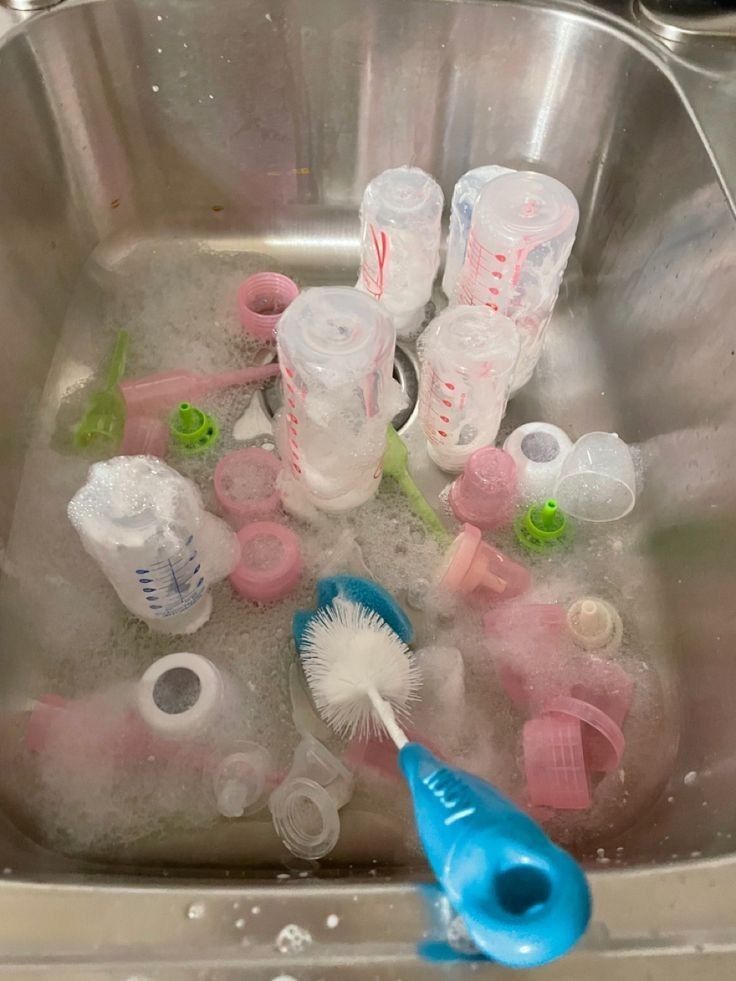
Busy moms already carry countless thoughts throughout the day. Simple preparation can reduce unnecessary mental clutter. Choose three evening tasks that make tomorrow easier. Keep your list short and realistic.
21. Make Special Days Feel Different
Children often enjoy familiar routines, but special days can still feel exciting. You do not need expensive celebrations. Change breakfast, play music, or create a small family activity.
When birthdays arrive, How to Make Birthdays Feel Special Without Spending Too Much offers budget-friendly celebration ideas. The goal is not to create a perfect social media moment.
Instead, use simple details to help your child feel loved and celebrated. Daily structure and joyful surprises can exist together.
22. Adjust the Routine as Your Baby Grows
The routine that works for a six-month-old may not suit a toddler. Children’s needs change quickly. Naps shift, feeding patterns develop, and play becomes more active. Review your routine whenever daily life suddenly feels difficult.

A daily routine that helps babies and toddlers thrive should grow alongside your child. Do not continue forcing a routine simply because it worked three months ago. Observe your child and make reasonable adjustments.
Flexibility is an important part of consistency.
23. Stop Comparing Your Routine With Other Families
One family may eat dinner at 5:00. Another family may eat much later. Some toddlers nap easily, while others struggle with daytime sleep. Your friend’s perfect schedule may not work inside your home.
Consider your work, family needs, culture, and child’s development. Build a rhythm that supports your real life. Online routines can offer inspiration. They should not make you feel like an unsuccessful parent.
Comparison often creates pressure without solving your actual problem.
24. Plan for Seasonal Changes
Family routines can change during holidays, school seasons, travel, or weather changes. Prepare for these adjustments without fearing them. Older siblings returning to school may completely change your morning rhythm.
These 21 Back-to-School Traditions That Make the First Day Feel Special can add joy to busy school mornings. Look at upcoming family changes before adjusting your schedule.
A little preparation can make transitions feel calmer. Remember, routines are tools. They should help your family handle change more confidently.
25. Create a Routine You Can Actually Repeat
A beautiful schedule means nothing if you feel exhausted after following it once. Be honest about your energy and responsibilities. Do not schedule complicated activities every morning if simple play works better. Avoid creating meals that require constant preparation.
A daily routine that helps babies and toddlers thrive must feel realistic enough for ordinary weekdays. Ask yourself one important question. Can I reasonably repeat this routine next week?
If the answer is no, simplify it. Sustainable routines usually look less impressive but work much better.
26. Leave Space for Connection
It is easy to become focused on completing the next task. Breakfast leads to cleanup, then playtime, lunch, and naps. Sometimes, pause. Sit beside your toddler and listen to their little stories. Hold your baby without checking another household task. Connection should have space inside your routine.
Children may not remember perfectly organized days. Still, loving repeated moments can shape their childhood experiences. Your schedule should support family connection instead of constantly interrupting it.
27. Use Celebrations to Strengthen Family Connection
As children grow, celebrations become another part of family routines. They can create excitement and shared memories. You do not need huge parties every year. Simple traditions can make celebrations feel warm and familiar.
If your family recently moved, Housewarming Party Ideas: 15 Fun Ways to Celebrate Your New Home can inspire relaxed family gatherings. Let celebrations fit your family’s budget and energy.
The most meaningful moments often come from connection, laughter, and familiar people.
28. Watch for Signs Your Routine Needs Changing
A routine should make family life easier most days. Constant stress may signal that something needs adjustment. Perhaps your toddler regularly becomes exhausted before lunch. Maybe bedtime takes several frustrating hours every evening.
Observe repeated problems instead of judging one difficult day. Write down patterns for several days. A daily routine that helps babies and toddlers thrive requires regular observation.
Small timing changes may sometimes improve the entire day. For ongoing feeding, sleep, or developmental concerns, speak with a qualified healthcare professional.
29. Give Yourself Grace During Major Life Changes
Moving, returning to work, welcoming another baby, or dealing with family changes can disrupt routines. Do not expect normal days during an unusual season. Reduce unnecessary expectations and protect your most important daily anchors.
Meals, sleep, connection, and basic care may become your main priorities. You can rebuild other parts slowly. A temporary routine is still a routine. Your family does not need perfect consistency during every major transition.
30. Remember That Predictable Does Not Mean Boring
Some parents worry that routines will make childhood feel boring. In reality, routines can create space for enjoyable experiences. When basic daily needs feel organized, spontaneous moments may become easier.
You know when naps usually happen. Therefore, planning a morning outing can feel less stressful. Predictability can give children familiar boundaries. Inside those boundaries, there is still plenty of room for creativity, play, and adventure.
31. Keep Your Routine Visible
Busy days can make even simple plans difficult to remember. Create a basic routine you can quickly check. Write important daily anchors on paper or save them on your phone. Avoid creating a complicated chart with every minute listed.
Your routine might simply say wake, breakfast, play, snack, nap, lunch, and bedtime. A visible routine can reduce mental pressure. Older toddlers may also enjoy simple picture-based routines suited to their developmental stage.
32. Do Not Forget Your Own Needs
A routine that supports your child but completely drains you needs adjustment. Add realistic moments for your own meals, showers, rest, and basic care. You may not get long periods alone every day. Still, your needs should not disappear.
Ask for support when possible. A daily routine that helps babies and toddlers thrive should also support the caregiver creating that stability. You are part of the family routine. Your wellbeing matters too.
33. Expect Your Routine to Look Different Every Season
Babyhood changes quickly. Toddlerhood brings new abilities, opinions, and challenges. What feels difficult today may become easier next month. At the same time, a completely new challenge may appear.
Keep learning and adjusting. Do not become emotionally attached to one perfect schedule. Your child’s development will continue changing your family rhythm. A flexible parent can adapt without feeling that every adjustment means failure.
34. Give Your Family Time to Adjust
New routines rarely work perfectly on the first day. Your baby or toddler may need time to understand new patterns. You also need time to remember them. Repeat simple habits consistently and observe what happens.
Adjust parts that clearly do not support your family. Most importantly, avoid judging your routine too quickly. Give realistic changes time to settle. Consistency grows through repetition, not one perfect Monday morning.
Final Thoughts
Building a daily routine that helps babies and toddlers thrive does not require a color-coded schedule. You also do not need every minute planned. Start with your child’s natural patterns and choose a few reliable daily anchors. Meals, naps, play, and bedtime can create a familiar rhythm without making family life feel rigid.
Some days will still feel chaotic. Your toddler may refuse lunch, skip a nap, or completely surprise you. That does not mean your routine has failed. Return to your familiar patterns and make adjustments when repeated problems appear. A daily routine that helps babies and toddlers thrive should grow with your child and support your real family.
Start small today. Choose one difficult part of your day and create a simple routine around it. Save this guide for your next routine reset, and share it with another tired parent. You do not need a perfect schedule. You need a gentle rhythm that helps your family feel calmer, connected, and supported.

