Home Keeps Getting Cluttered may describe exactly how you feel after cleaning the same spaces repeatedly. You clear the kitchen counter, organize the living room, and finally tackle the overflowing laundry chair. Yet, a few days later, shoes cover the entrance, paperwork returns, and random items appear everywhere.
The problem is often not how much you clean. Your home may simply lack practical systems that match how your family actually lives. These 35 Home Organization Ideas Busy Moms Will Wish They Tried Sooner can help you create easier systems for everyday mess.
If your Home Keeps Getting Cluttered, small daily habits may be creating bigger problems without you noticing. A bag gets dropped beside the door, unopened mail reaches the counter, and clean laundry waits another day.
Soon, those small piles become overwhelming. Busy family routines can make this cycle even harder to control. Learning How to Build a Daily Routine That Helps Babies and Toddlers Thrive can also bring helpful structure to homes with younger children.
Throughout this guide, you will discover why your Home Keeps Getting Cluttered and what you can do differently. You will learn how to identify clutter hotspots, reduce unnecessary belongings, and create systems your family can actually maintain. You do not need a picture-perfect home or expensive storage containers.
You need realistic solutions that work during busy mornings and tired evenings. If you are tired of cleaning the same mess repeatedly, keep reading. A few simple changes could finally make your home feel calmer and easier to manage.
Why Your Home Keeps Getting Cluttered
If your Home Keeps Getting Cluttered, cleaning harder may not solve the real problem. Clutter usually returns because your home lacks simple systems for everyday belongings. Sometimes, you own more than your available space can comfortably hold. Other times, your family’s routines create repeated clutter in the same places.
The good news is that you can change these patterns gradually. You do not need to empty every cupboard or reorganize your entire house overnight. Start by understanding why the clutter keeps returning. Then, create practical solutions for each problem area.
1. Everything Does Not Have a Permanent Home
One major reason your Home Keeps Getting Cluttered is that many belongings have no permanent storage place. When something has no home, it usually lands on the nearest available surface. Kitchen counters, dining tables, chairs, and stairs quickly become temporary storage areas.
Start by noticing which items repeatedly appear in the wrong places. Then, give each category a simple and accessible home. Place keys near the entrance and school supplies near the homework area. Keep chargers where your family usually uses them. A good storage location should make returning an item easier than leaving it out.
2. You Own More Than Your Space Can Hold
Sometimes, your Home Keeps Getting Cluttered because there are simply too many belongings inside it. Even excellent storage systems struggle when cupboards, drawers, and shelves are completely full. New items arrive, but older belongings never leave.

Begin with one small category instead of tackling everything together. Remove broken items, duplicates, expired products, and things nobody uses. Keep what genuinely supports your current lifestyle. If you recently moved, these housewarming party ideas with fun ways to celebrate your new home can help you enjoy your space intentionally.
Decluttering creates breathing room inside your home. It also makes organizing much easier because every item no longer competes for limited space.
3. You Keep Buying Organizers Before Decluttering
Beautiful baskets can make clutter look better temporarily. However, they cannot solve the problem of owning too much. If your Home Keeps Getting Cluttered, buying more storage may simply create additional places to hide unnecessary belongings.
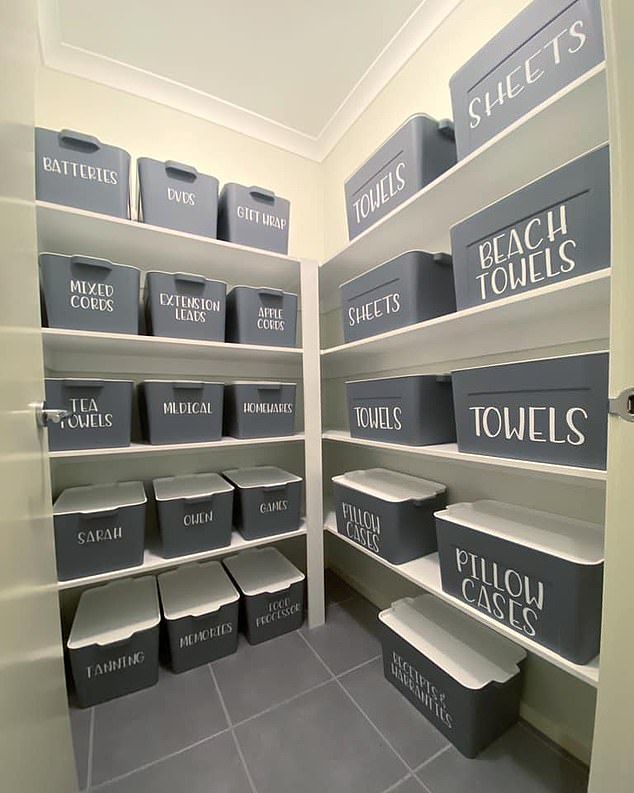
Declutter first and organize second. Empty one drawer, cupboard, or basket and review everything inside. Remove what you no longer need before deciding how much storage remains necessary. You may discover that you already have enough containers.
Good organization should make your home easier to use. It should never become another expensive project that creates more possessions.
4. Your Organization Systems Are Too Complicated
An organizing system can look beautiful and still fail in everyday life. If returning something requires several steps, busy family members may avoid doing it. This is another reason your Home Keeps Getting Cluttered despite repeated organizing attempts.
Use broad categories instead of creating tiny, complicated sections. A large toy basket may work better than ten perfectly labeled containers. An open shoe basket may work better than individual boxes. Simple systems are easier to maintain during busy mornings and tired evenings.
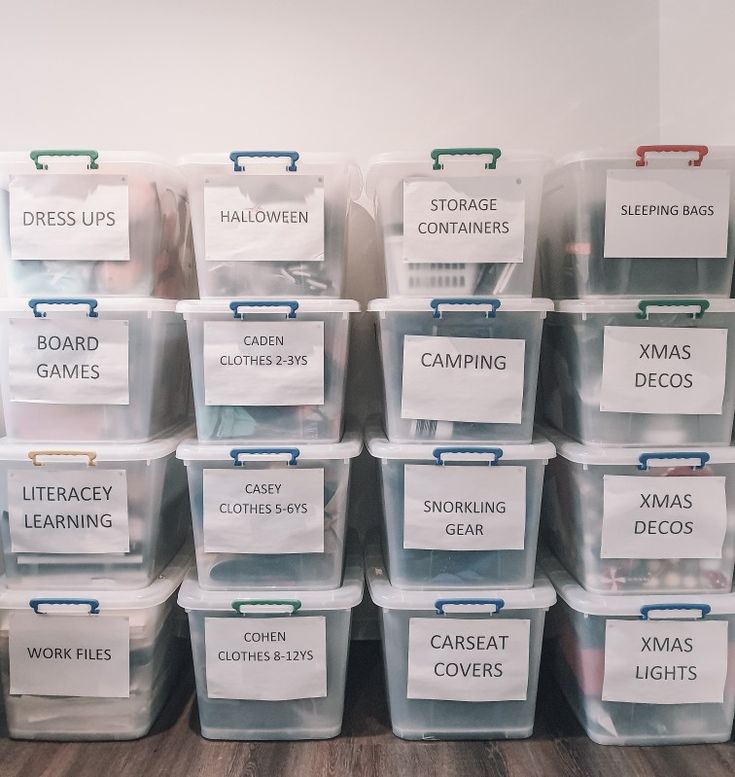
Family life already involves many responsibilities. Creating meaningful family traditions your kids will remember can bring connection without adding unnecessary pressure. Your organization systems should follow the same principle and support your life.
5. You Have Too Many Flat Surfaces
Empty counters and tables can quickly become magnets for random belongings. Someone places one envelope down, then another person adds keys. Soon, bottles, toys, receipts, and chargers join the growing pile.

If your Home Keeps Getting Cluttered, pay attention to your most crowded surfaces. Ask what regularly lands there and why. Then, create a nearby storage solution for those items. A small tray can hold keys, while a wall organizer can manage paperwork.
Try clearing important surfaces every evening. Even five minutes can prevent small piles from becoming overwhelming clutter.
6. You Do Not Have a Regular Reset Routine
Clutter becomes harder to manage when small messes remain untouched for several days. A five-minute mess can quickly become an exhausting weekend project. If your Home Keeps Getting Cluttered, a short reset routine can make a noticeable difference.
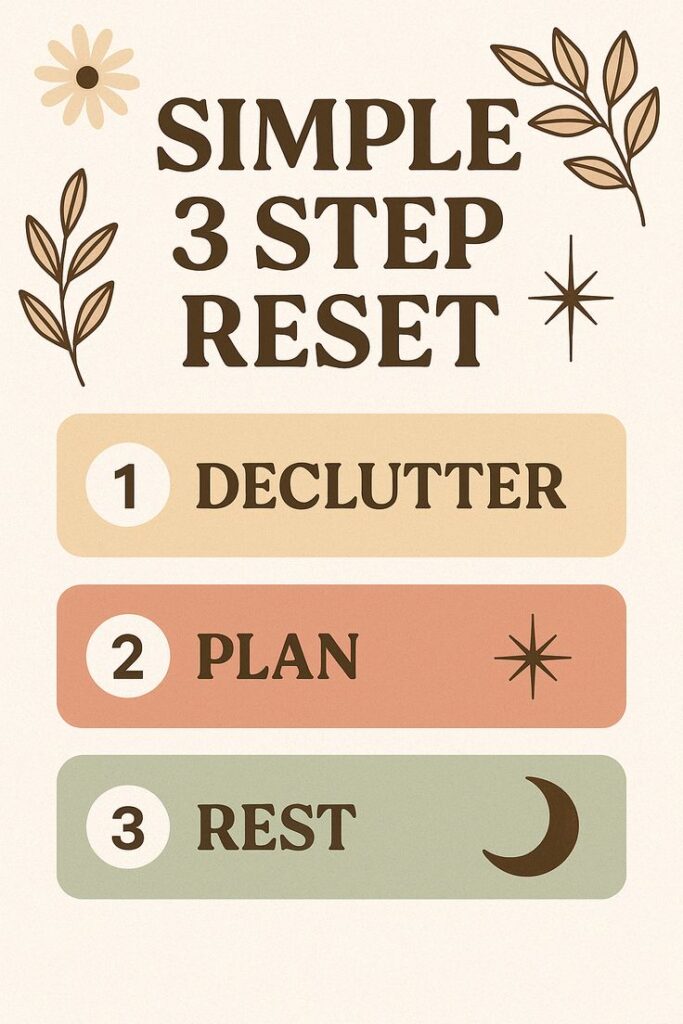
Choose one convenient time each day for a quick household reset. Return shoes, clear counters, gather toys, and place misplaced items where they belong. Ask family members to help with age-appropriate tasks.
Children often respond well to predictable routines. These back-to-school traditions that make the first day feel special can also bring structure during changing family seasons. Small routines often feel easier to maintain than occasional cleaning marathons.
7. Paperwork Has No Clear System
Paper clutter can spread quickly because every document feels temporarily important. School notices reach the counter, receipts enter drawers, and unopened mail creates new piles. Soon, important documents become difficult to find.
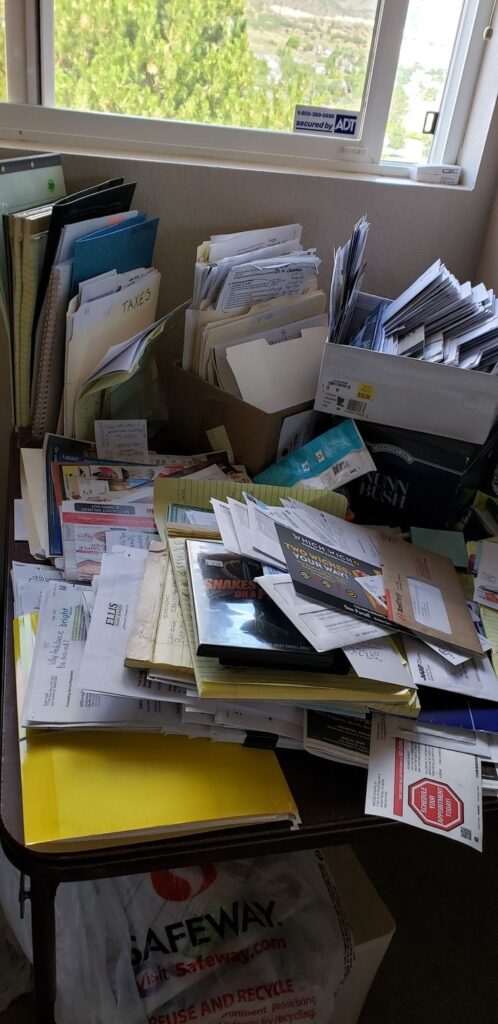
Create one location for incoming paperwork. Use a tray, folder, or small file organizer. Review everything once weekly and remove anything unnecessary. File important documents and complete urgent tasks immediately.
If paperwork has one reliable destination, it becomes easier to manage. You also reduce the chance of losing forms, bills, or appointment information.
8. You Keep Things Because You Feel Guilty
Many people keep unwanted belongings because throwing them away feels wasteful. Gifts can feel especially difficult to release, even when they are never used. Clothes may remain because they were expensive or once represented another lifestyle.
If your Home Keeps Getting Cluttered, guilt may be occupying valuable storage space. Keeping an unwanted object does not recover the money already spent. It also does not make a gift more meaningful.
Donate usable belongings when possible. Someone else may genuinely need what your family no longer uses. Your home should support your present life rather than store endless reminders of past decisions.
9. You Do Not Declutter as Your Family Changes
Families constantly change, but household belongings often remain behind. Babies outgrow equipment, children outgrow toys, and routines change. Yet, old items can continue filling cupboards and storage areas.
Families preparing for major changes may find these 35 Things Every First-Time Mom Should Know Before Baby Arrives especially helpful. Preparing your home gradually can reduce unnecessary pressure during a busy transition.
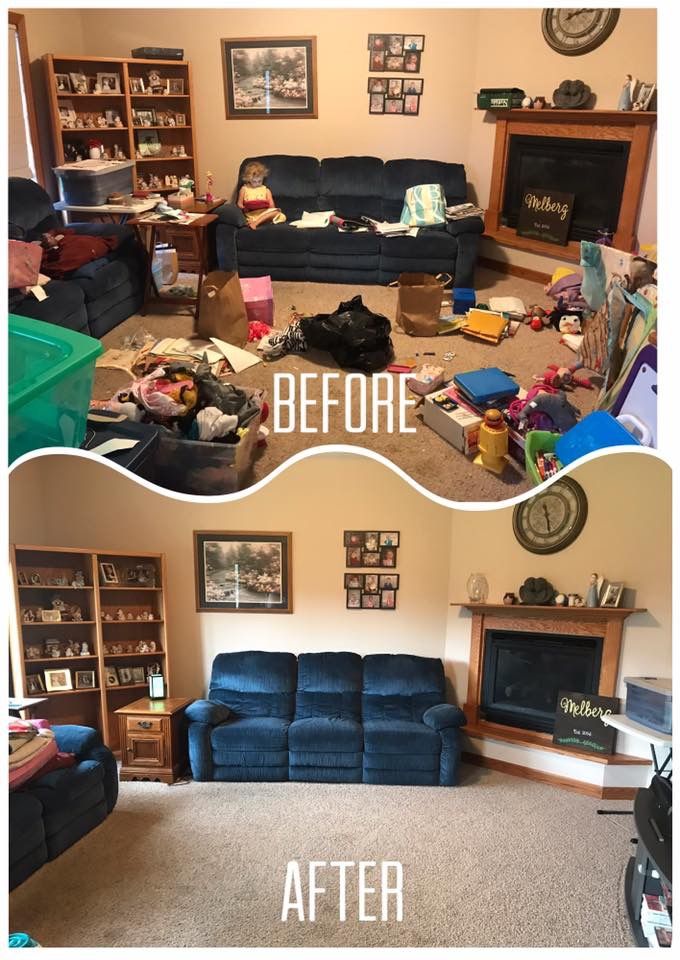
Review family belongings several times each year. Remove outgrown clothing, unused toys, and products that no longer suit your needs. If your Home Keeps Getting Cluttered, outdated belongings may be quietly consuming valuable space.
10. You Bring New Items Home Without Removing Anything
Shopping can slowly increase clutter without attracting much attention. One new mug seems harmless, and another toy feels manageable. However, repeated purchases eventually overwhelm available storage.
Try using a simple one-in, one-out approach for crowded categories. When a new pair of shoes enters, consider removing an unused pair. When children receive new toys, review older ones together.
This approach does not need to become a strict household rule. Use it where clutter grows fastest. Preventing excess can be easier than repeatedly removing large amounts later.
11. Your Children Cannot Maintain the Current System
A system designed only for adults may fail inside a family home. Children cannot return items to shelves they cannot reach. They may also struggle with complicated categories or containers that are difficult to open.
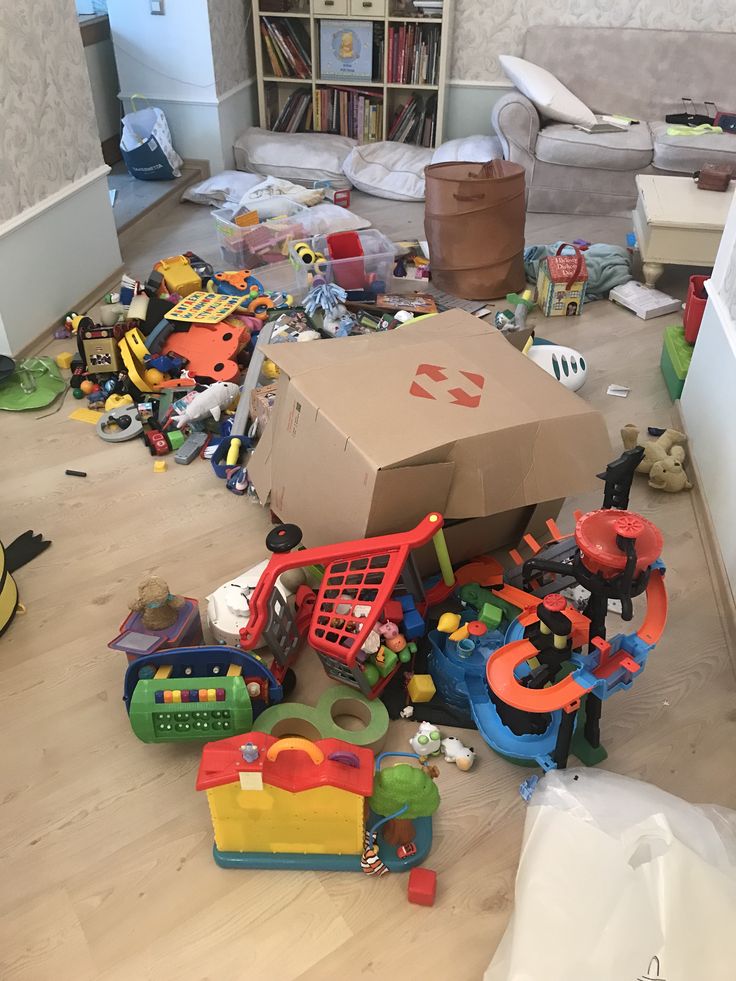
If your Home Keeps Getting Cluttered, make organization easier for every family member. Use low baskets, simple labels, and broad categories for children’s belongings. Picture labels can help younger children understand where items belong.
You can also create enjoyable routines around cleanup. Learning how to create a screen-free routine your kids will actually enjoy may inspire more hands-on family activities. Simple routines can encourage children to participate without making cleanup feel overwhelming.
12. You Are Organizing for Appearance Instead of Function
Social media can make beautiful organization systems look necessary. Matching containers and perfectly arranged shelves can certainly look attractive. However, a beautiful system may fail when it does not match your habits.
If your Home Keeps Getting Cluttered, focus on function before appearance. Store belongings where you actually use them. Choose containers that are easy to access and maintain. Keep frequently used items within comfortable reach.
Your home does not need to resemble a showroom. It needs to support your family during ordinary days.
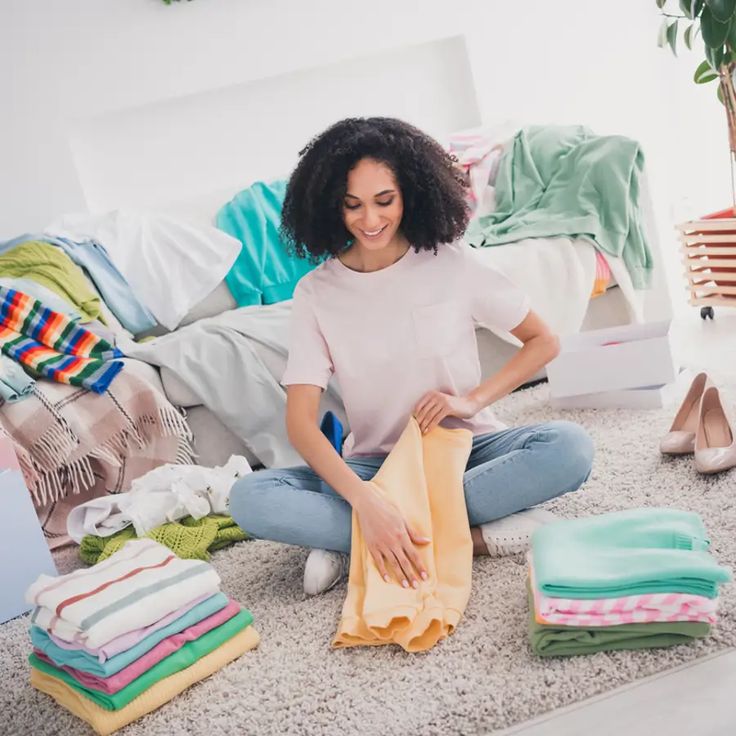
13. Laundry Never Reaches the Final Step
Laundry can create constant clutter when clean clothes never reach their drawers. Washing and drying are only part of the process. Folding, sorting, and putting clothes away complete the cycle.
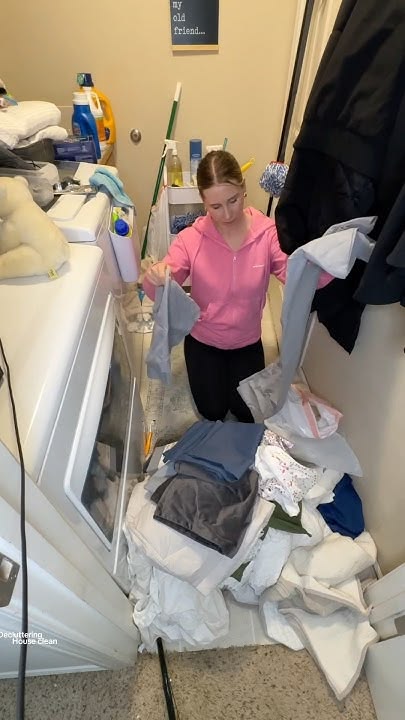
Simplify your laundry routine wherever possible. Give each family member a basket or create clearly divided sections. Older children can help put away their own clothing.
If your Home Keeps Getting Cluttered, unfinished laundry may be occupying chairs, beds, and baskets. Completing smaller loads more often may feel easier than facing several overflowing baskets together.
14. You Keep Too Many “Just in Case” Items
Keeping a few backup items can be practical. Keeping everything because you might need it someday creates clutter. Broken appliances, unused containers, old cables, and duplicate kitchen tools can consume surprising amounts of space.
Ask yourself when you last used each item. Consider how difficult or expensive replacing it would actually be. If something is easily replaceable and rarely useful, keeping it may not make sense.
Your available space also has value. Protecting that space can make your entire home easier to manage.
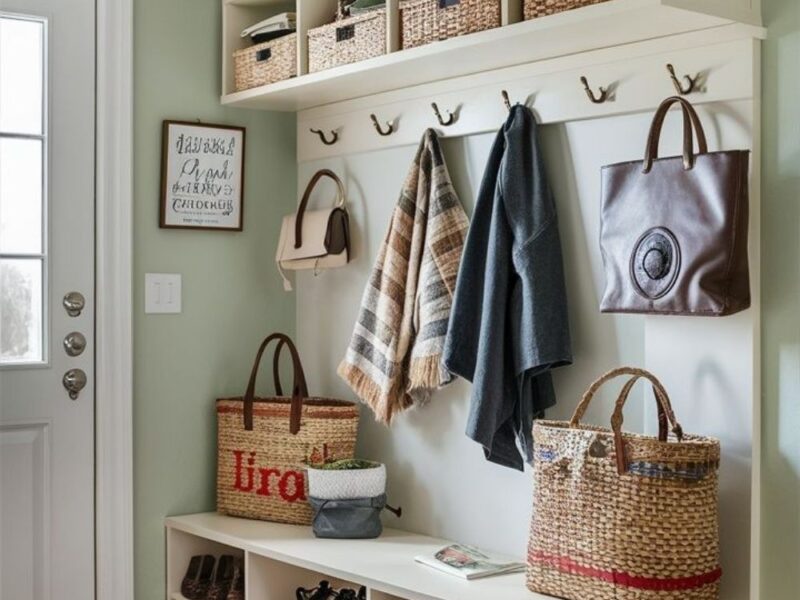
15. Your Entryway Has No System
The entrance often receives everything your family carries home. Shoes, bags, jackets, letters, and shopping bags can quickly create chaos. Without a clear system, clutter begins before anyone enters the main living areas.
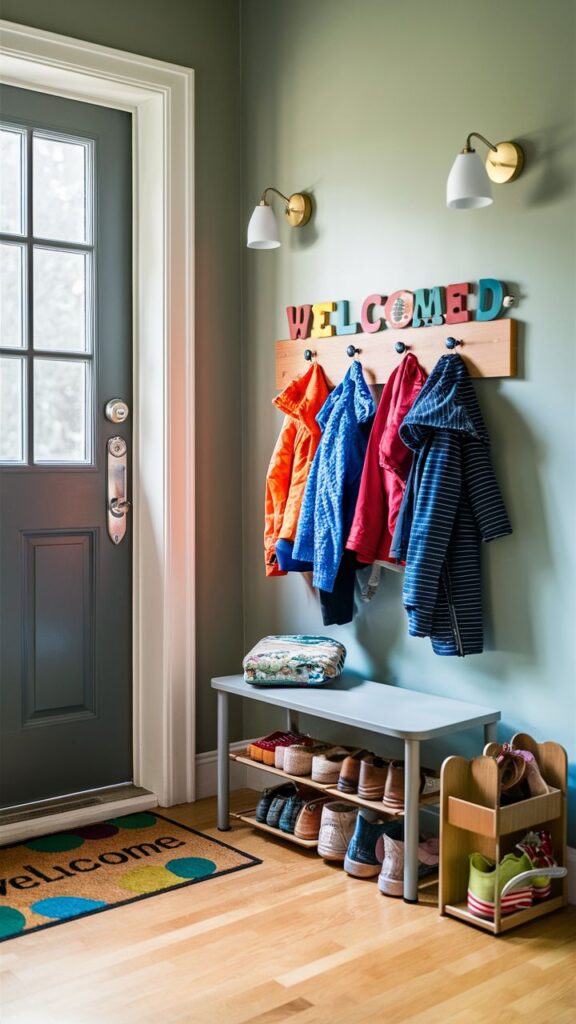
Add hooks, baskets, trays, or shelves according to your available space. Give frequently used belongings easy storage locations. Keep the system simple enough for everyone to follow.
A well-organized entrance can immediately reduce visible clutter. It can also make leaving the house much easier during busy mornings.
16. You Have No Place for Temporary Items
Not every item can return to its permanent home immediately. Library books need returning, parcels need posting, and borrowed items need giving back. Without temporary storage, these objects often remain on counters.
Create one small basket for items leaving the house. Check it whenever you run errands. This prevents temporary belongings from becoming permanent clutter.
If your Home Keeps Getting Cluttered, a simple transition zone may solve several repeated messes. Just remember to empty it regularly.
17. Special Occasions Bring More Clutter
Birthdays, holidays, and celebrations often introduce new toys, decorations, gifts, and supplies. These items can remain scattered long after the event ends. Planning ahead can reduce the clutter that celebrations create.
You can enjoy memorable celebrations without buying endless decorations. Discover how to make birthdays feel special without spending too much for meaningful ideas that feel manageable.
After each celebration, review what entered your home. Decide what should stay, what can be donated, and what needs proper storage.
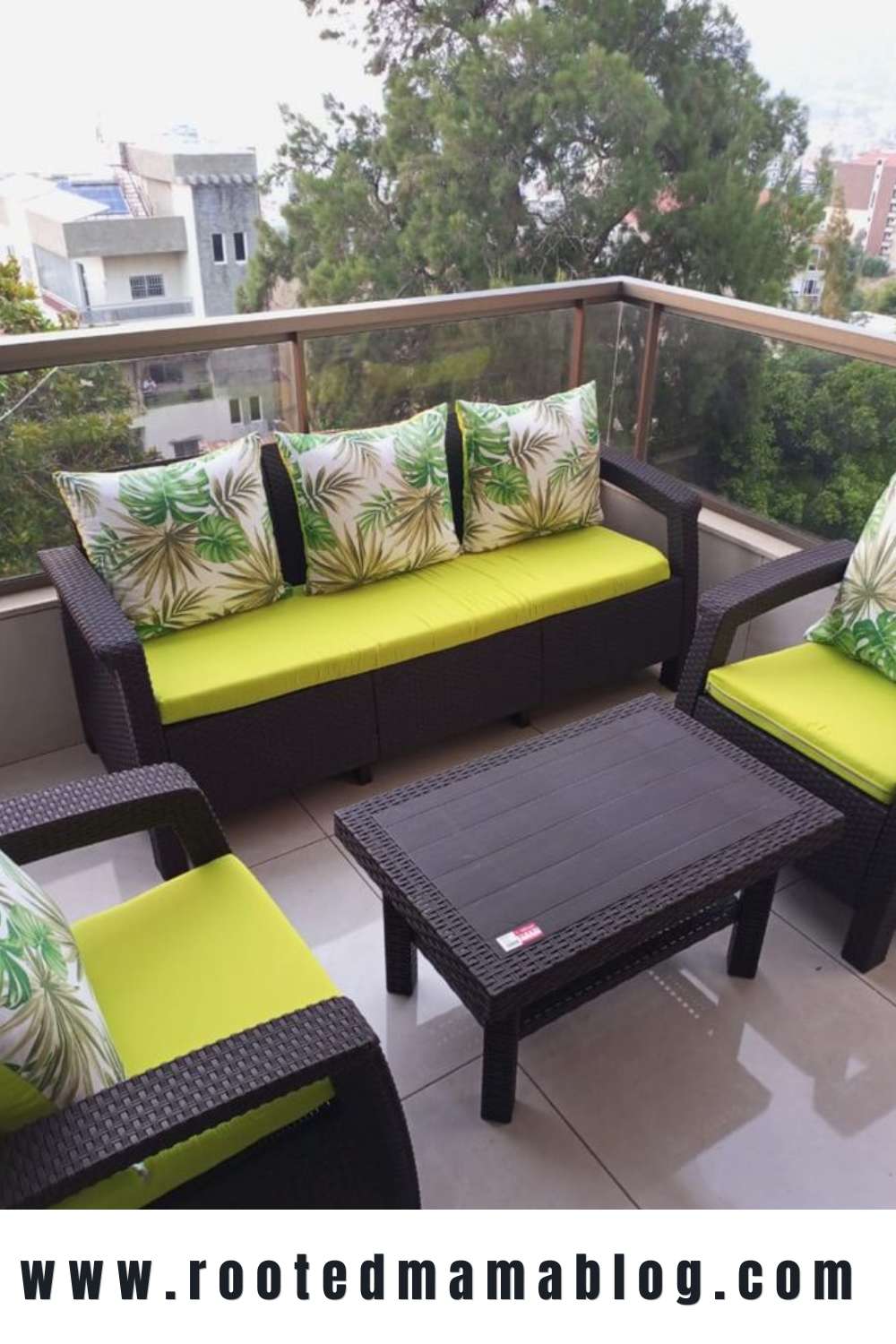
18. Outdoor Items Are Coming Inside
Balls, gardening supplies, outdoor toys, and shoes can quickly spread through indoor spaces. This often happens when outdoor belongings have no dedicated storage area.
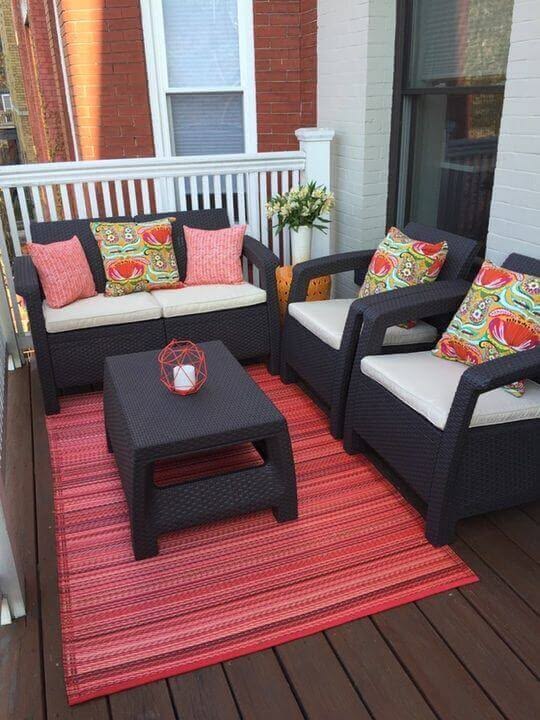
Create one outdoor zone using weather-appropriate baskets, shelves, or storage boxes. Keep items close to where your family uses them. This makes returning everything much easier.
Small outdoor spaces can still feel practical and inviting. These affordable outdoor seating ideas for small spaces that look stylish can help you create a more functional family area.
When outdoor belongings have a home, fewer items travel into your living spaces.
19. You Try to Fix Everything in One Day
A cluttered home can create urgency. You may feel tempted to empty every cupboard and reorganize everything immediately. Unfortunately, this often creates a bigger mess and leaves you exhausted.
If your Home Keeps Getting Cluttered, focus on one problem area at a time. Start with the place creating the most daily frustration. Complete that space before moving elsewhere.
Small improvements are easier to maintain. They also help you understand which systems genuinely work for your family.
20. Nobody Else Knows the Organization System
You may know exactly where everything belongs, but your family might not. When only one person understands the system, that person becomes responsible for maintaining everything.
Explain new systems clearly and keep them simple. Ask family members what storage locations feel natural to them. Adjust anything that repeatedly fails.
Organization works better when everyone can participate. Shared systems reduce the pressure placed on one person.
21. You Confuse Tidying With Decluttering
Tidying means returning belongings to their proper places. Decluttering means deciding what should remain inside your home. These are different tasks.
If your Home Keeps Getting Cluttered, tidying alone may not solve the problem. You may simply be moving too many belongings between different storage areas.
Declutter regularly before reorganizing. Fewer belongings create more breathing room and make everyday tidying much faster.
22. Your Storage Areas Are Completely Full
A drawer packed to maximum capacity becomes difficult to use. Every new item creates another problem because there is no available space.
Try leaving some breathing room inside cupboards, drawers, and shelves. You do not need to fill every available corner. Empty space makes belongings easier to see and return.
If your Home Keeps Getting Cluttered, overcrowded storage may be pushing items onto visible surfaces. Removing excess can solve the problem more effectively than adding storage.
23. You Do Not Review Your Systems
An organization system may work perfectly for one season and fail during another. Children grow, work schedules change, and family needs evolve.
Review your main storage areas every few months. Ask which spaces repeatedly become messy. Then, change the system instead of blaming yourself for not maintaining it.
A flexible home is easier to manage. Your systems should evolve alongside your family.
24. You Expect Your Home to Stay Perfect
A lived-in home will become messy sometimes. Children play, meals get prepared, laundry appears, and busy days happen. Expecting permanent perfection can make normal mess feel like failure.
The goal is not preventing every item from leaving its place. The goal is making cleanup simple when clutter appears.
If your Home Keeps Getting Cluttered, focus on creating an easy path back to order. A manageable home matters more than a permanently perfect one.
25. You Need Better Systems, Not More Cleaning
Cleaning removes dirt, while organization manages belongings. You can have a clean home that still feels cluttered. Repeated cleaning will not solve belongings without proper storage.
Focus on the areas where clutter returns fastest. Ask what items gather there and what storage solution could help. Create a simple system and test it for several weeks.
Sometimes, one basket or hook can solve a problem that has frustrated you for months.
How to Finally Break the Clutter Cycle
If your Home Keeps Getting Cluttered, do not begin by buying more organizers. Start by observing your home for several days. Notice where clutter gathers and which items repeatedly cause problems.
Choose one clutter hotspot and remove everything that does not belong there. Declutter unnecessary items before creating a simple storage solution. Make that solution easy for everyone to use.
Then, create a short daily reset. Five or ten minutes can prevent small messes from growing. Ask family members to return their own belongings whenever possible.
Most importantly, stop expecting one major organizing session to fix everything forever. A functional home depends on small systems and repeated habits.
Final Thoughts
Understanding why your Home Keeps Getting Cluttered is the first step toward creating lasting change. The problem may involve too many belongings, complicated systems, unfinished routines, or storage that no longer suits your family.
You do not need to fix every room today. Start with one area that repeatedly causes frustration. Remove what you no longer need and give the remaining items simple homes.
Your house will still become messy sometimes, and that is normal. What matters is how easily your family can return it to order.
When your systems match your real lifestyle, maintaining your home becomes easier. You spend less time moving clutter and more time enjoying your space.
Choose one clutter hotspot today and give it your attention. That small change could finally break the cycle keeping your home cluttered.