
Stay Calm During Toddler Tantrums may sound impossible when your child is crying, screaming, or refusing to cooperate in public.
If you’ve searched for ways to Stay Calm During Toddler Tantrums, you’re likely feeling overwhelmed and wondering how to handle these emotional outbursts without yelling or losing your patience. The encouraging news is that tantrums are a normal part of child development, and the right approach can make them much easier to manage.

Learning to Stay Calm During Toddler Tantrums is not about becoming a perfect parent. It is about understanding what your toddler needs while managing your own emotions.
When you respond calmly, your child feels safer, and those difficult moments become opportunities to teach emotional regulation instead of creating more conflict. If you’re looking for proactive solutions, don’t miss How to Build a Daily Routine That Helps Babies and Toddlers Thrive, where you’ll discover routines that help prevent many tantrums before they start.
Many tantrums happen when children feel tired, bored, overstimulated, or disconnected. Building healthy family habits can reduce those triggers significantly.
You’ll also love How to Create a Screen-Free Routine Your Kids Will Actually Enjoy, which shares practical ways to strengthen family connection while reducing everyday behavior challenges.
Throughout this guide, you’ll learn realistic strategies to Stay Calm During Toddler Tantrums without losing your cool, even during the most challenging parenting moments.
35 Ways to Stay Calm During Toddler Tantrums Without Losing Your Cool
1. Take a Deep Breath Before You React
The moment your toddler starts screaming, crying, or throwing themselves on the floor, your body naturally goes into stress mode. Your heart races, your patience disappears, and you may feel the urge to yell just to make the tantrum stop. While that reaction is understandable, it usually makes the situation worse instead of better.

One of the most effective ways to Stay Calm During Toddler Tantrums is to pause before reacting. Taking a slow, deep breath gives your brain a chance to slow down before your emotions take over. You may not notice the difference immediately, but those few seconds can completely change how you handle the rest of the tantrum.
Remember that your toddler is still learning how to manage big emotions. They do not yet have the skills to calm themselves the way adults can. In that moment, your child needs someone who feels safe and steady. By remaining calm, you become the example they will eventually learn to follow.
If you find yourself becoming overwhelmed throughout the day, creating a more peaceful home environment can also help. You’ll find plenty of practical ideas in 35 Home Organization Ideas Busy Moms Will Wish They Tried Sooner, where simple changes can reduce everyday stress for the whole family.
2. Remind Yourself That Tantrums Are Normal
One of the biggest reasons parents lose their patience is because they believe tantrums should not be happening. It is easy to wonder if you are doing something wrong or if your child is becoming difficult. The truth is much more reassuring.
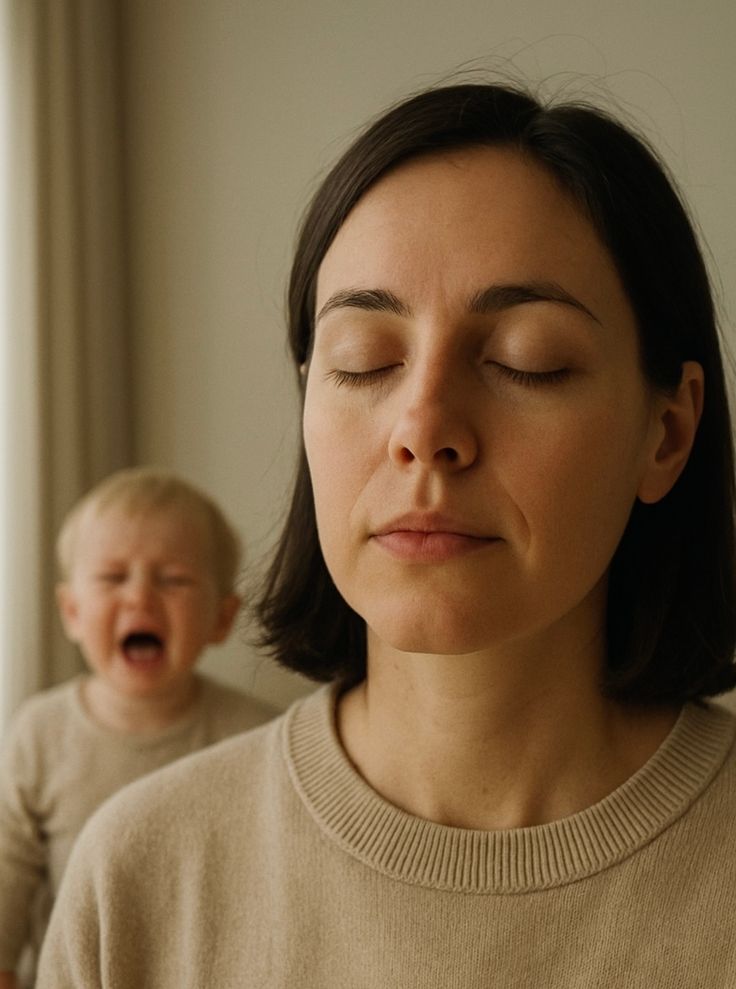
Tantrums are a normal part of healthy childhood development. Toddlers experience emotions that are far bigger than their ability to express them. They become frustrated because they cannot communicate clearly, control their impulses, or understand why they cannot always get what they want.
When you remind yourself that this behavior is age-appropriate, it becomes much easier to Stay Calm During Toddler Tantrums. Instead of seeing your child as being naughty, you begin seeing them as someone who needs guidance and support.
This small mindset shift changes your entire response. Rather than reacting with anger, you respond with patience. Your child also benefits because they feel understood instead of rejected during one of their most vulnerable moments.
A calmer home can also reduce emotional overload for both parents and children. If your house often feels stressful, don’t miss Why Your Home Keeps Getting Cluttered and How to Fix It. You’ll discover simple ways to create a more peaceful environment that supports calmer behavior.
3. Keep Your Voice Low Even When Your Toddler Gets Loud
One of the hardest parenting challenges is staying calm when your toddler is screaming at the top of their lungs. Your first instinct may be to raise your voice so they can hear you. Unfortunately, that usually has the opposite effect. Instead of calming down, your toddler often becomes even louder because they are responding to the energy around them.

If you want to Stay Calm During Toddler Tantrums, make it a habit to lower your voice instead of raising it. Speaking softly may feel strange at first, but it naturally encourages your child to pay closer attention. A calm voice also sends a powerful message that everything is going to be okay, even if the moment feels overwhelming.
Keep your sentences short and easy to understand. During a tantrum, toddlers cannot process long explanations or repeated instructions. Simple phrases like, “I know you’re upset,” or, “I’m here when you’re ready,” are often far more effective than giving a lecture.
Your calm tone becomes something your child can lean on while their emotions slowly settle. Over time, they begin learning that difficult feelings do not have to lead to shouting or anger. They see emotional regulation modeled right in front of them, which is one of the greatest gifts you can give as a parent.
4. Focus on Helping, Not Winning
When a tantrum happens, it is easy to fall into a power struggle. Many parents feel they have to prove they are in charge or make sure their child obeys immediately. While boundaries are important, trying to win an argument with an emotional toddler rarely ends well.

A better approach is to focus on helping instead of winning. This mindset makes it much easier to Stay Calm During Toddler Tantrums because your goal changes from controlling your child to supporting them through a difficult moment.
Ask yourself what your toddler might need. Are they tired after a busy day? Have they missed a snack? Are they frustrated because they cannot explain what they want? Sometimes solving the real problem is much more effective than reacting to the behavior itself.
Helping does not mean giving in to every demand. You can remain firm while still being compassionate. For example, if your toddler wants another cookie before dinner, you can calmly say, “I know you want another cookie. We’re having dinner first, and you can have a snack later.” This response acknowledges their feelings without changing the boundary.
The more often you respond with empathy and consistency, the more secure your toddler feels. That security becomes the foundation for better emotional regulation as they grow older.
Children also benefit from regular opportunities to connect with their families in positive ways. You’ll find plenty of ideas in 31 Family Fun Night Ideas for Staying Home Together, where simple activities help strengthen relationships and reduce everyday stress.
5. Accept That You Cannot Prevent Every Tantrum
Many parents believe successful parenting means preventing every meltdown. That expectation creates unnecessary pressure and disappointment. The reality is that even the calmest, most patient parents have children who throw tantrums.
Toddlers are still learning how to manage disappointment, frustration, excitement, and tiredness. Those emotions sometimes become too big for them to handle. A tantrum is often the result, even when you have done everything right.

Understanding this truth makes it much easier to Stay Calm During Toddler Tantrums because you stop seeing every meltdown as a parenting failure. Instead, you begin viewing tantrums as learning opportunities. Every outburst gives your child another chance to practice calming down with your guidance.
Rather than asking yourself how to stop every tantrum, ask yourself how you can respond in a way that teaches your child healthy emotional skills. That small change in perspective removes a lot of unnecessary guilt and helps you approach difficult moments with greater confidence.
Remember that progress is measured over months, not minutes. One tantrum does not define your child, and it certainly does not define your ability as a parent.
6. Look for the Trigger Instead of Reacting to the Behavior
Every tantrum has a cause, even if it is not immediately obvious. Sometimes the trigger is easy to identify, like being told “no” or leaving the playground. Other times, it is something much simpler, such as hunger, tiredness, boredom, or feeling overwhelmed by too much noise.

One of the best ways to Stay Calm During Toddler Tantrums is to become curious instead of becoming angry. Before reacting, pause and ask yourself what might have caused your child’s emotional outburst.
Has your toddler skipped their afternoon nap?
Have they been running errands with you for hours?
Are they hungry because dinner is running late?
Did they spend too much time watching screens?
When you begin looking for patterns, you may notice that many tantrums happen around the same time each day or after certain activities. Recognizing these patterns allows you to prevent many meltdowns before they even begin.
Simple changes like offering a healthy snack, allowing quiet time, or sticking to a consistent routine can make a surprising difference. These small adjustments reduce stress for both you and your toddler.
If you’re looking for more ways to prevent boredom and emotional overload, you’ll love 25 Indoor Activities for Kids That Beat Boredom. It shares fun, engaging activities that help toddlers burn energy while encouraging creativity and positive play.
7. Let Your Toddler Feel Their Emotions
Watching your toddler cry can be heartbreaking. Naturally, you want to make everything better as quickly as possible. However, trying to stop every tear immediately may not always help your child learn healthy emotional skills.
One of the most valuable ways to Stay Calm During Toddler Tantrums is to accept that emotions are not the enemy. Feeling angry, disappointed, frustrated, or sad is completely normal. Your toddler is still learning how to experience those emotions without becoming overwhelmed.

Instead of saying, “Stop crying,” try acknowledging what your child is feeling. You might say, “I know you’re upset because we had to leave the park,” or, “I can see you’re feeling frustrated.” These simple words help your child feel understood, even when they cannot have what they want.
Remember that accepting emotions does not mean accepting hurtful behavior. You can calmly stop hitting, kicking, or throwing while still allowing your child to feel disappointed. This teaches an important lesson that feelings are always okay, but certain actions are not.
As children grow, they begin recognizing and naming their emotions because you consistently modeled calm responses. That emotional awareness becomes an important life skill they will carry into school, friendships, and adulthood.
8. Take Care of Yourself Too
It is much harder to stay patient when you are physically and emotionally exhausted. Parenting a toddler requires enormous energy, and many parents spend so much time caring for everyone else that they forget about themselves.

If you want to consistently Stay Calm During Toddler Tantrums, your own well-being matters just as much as your child’s. A parent who is running on very little sleep, skipping meals, or feeling constantly overwhelmed will naturally have a shorter patience level.
Self-care does not have to mean expensive spa days or weekend vacations. Sometimes it looks like drinking enough water, eating lunch before you become hungry, stepping outside for fresh air, or asking someone to watch your toddler while you enjoy a few quiet minutes.
Even creating a peaceful place to recharge at home can make a noticeable difference. A cozy bedroom or reading corner gives you a space to relax after challenging days.
If you’re looking for inspiration, don’t miss 31 Cozy Bedroom Decor Ideas for Busy Moms Who Need a Calmer Space. A calming environment can help you recharge so you have more patience when parenting becomes difficult.
When you take care of yourself, you are not being selfish. You are making it easier to show up as the calm, loving parent your toddler needs every single day.
9. Give Simple Choices Instead of Commands
Toddlers love feeling independent. Constantly telling them what to do can lead to frustration and power struggles. Offering simple choices helps them feel more in control while you stay in charge.

To Stay Calm During Toddler Tantrums, give two acceptable options. For example, ask, “Would you like the blue cup or the green cup?” or, “Do you want to wear your sneakers or sandals?” Both choices lead to the outcome you want.
Keep the options simple and age-appropriate. Too many choices can confuse toddlers and create more frustration. Small decisions build confidence while reducing arguments throughout the day.
10. Prepare Your Toddler for Transitions
Many tantrums happen because toddlers dislike sudden changes. Moving from playtime to bedtime or leaving the playground can feel upsetting when they are not prepared.

Help your child by giving gentle warnings before a transition. Say, “Five more minutes, then we’re going home.” Follow with another reminder when one minute remains.
This simple habit makes it easier to Stay Calm During Toddler Tantrums because your child has time to adjust mentally. Predictable transitions reduce surprises and help toddlers cooperate more willingly.
If your child struggles with daily routines, 27 Kids Room Design Ideas That Are Fun, Practical, and Stylish shares ideas that encourage independence and smoother daily habits.
11. Praise the Behavior You Want to See
Children repeat behaviors that receive positive attention. Instead of only correcting mistakes, notice the moments when your toddler makes good choices.

Say things like, “Thank you for sharing your toy,” or, “I love how you used gentle hands.” Specific praise helps your child understand exactly what they did well.
This is a powerful way to Stay Calm During Toddler Tantrums because positive attention encourages cooperation before problems begin. Over time, your toddler will naturally repeat behaviors that earn encouragement and connection.
12. Keep Your Daily Routine Consistent
Toddlers feel safer when they know what to expect. Regular mealtimes, naps, playtime, and bedtime reduce stress and prevent many emotional outbursts.
A consistent routine also helps parents stay calm because the day feels more predictable. Even if life gets busy, try to keep the most important parts of your schedule the same.
Children who know what comes next often experience fewer meltdowns because they feel secure. That makes it much easier to Stay Calm During Toddler Tantrums and respond with patience instead of frustration.
Looking for more routine ideas? Read How to Make Birthdays Feel Special Without Spending Too Much for simple traditions that create joyful family moments without extra stress.
13. Stay Close During the Tantrum
Some toddlers want a hug during a meltdown. Others need a little space before they are ready for comfort. Stay nearby so your child knows you are available without forcing interaction.
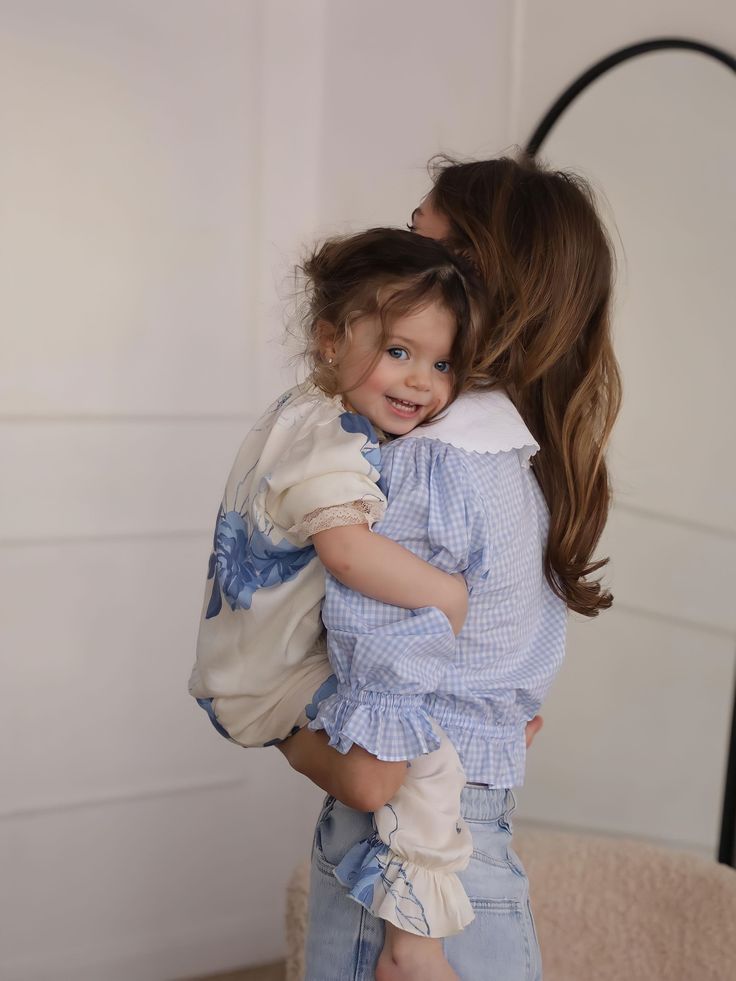
Your calm presence provides reassurance even if your toddler does not respond immediately. Once they begin settling down, offer comfort if they are ready.
Choosing to stay close helps you Stay Calm During Toddler Tantrums because it shifts your focus from stopping the tantrum to supporting your child through it.
14. Avoid Long Lectures
A toddler cannot process a long explanation during a meltdown. Their brain is focused on emotions, not learning new lessons.
Keep your words short and clear. Wait until your child is calm before talking about what happened. They will understand your guidance much better after the tantrum ends.
Using fewer words makes it easier to Stay Calm During Toddler Tantrums because you avoid repeating yourself while your child is unable to listen.
15. Be Consistent With Your Boundaries
Changing the rules during every tantrum confuses toddlers. If you say no one day but yes the next, your child learns that crying longer might change your mind.

Stay kind, but remain consistent. Your toddler feels more secure when they know what to expect. Firm and loving boundaries build trust over time.
Consistency also helps you Stay Calm During Toddler Tantrums because you spend less energy making new decisions in the middle of emotional moments.
16. Celebrate Small Improvements
Progress does not happen overnight. Your toddler may still have tantrums, but they might calm down faster or recover more quickly than before.

Notice those small wins and celebrate them. Positive encouragement builds confidence and motivates children to keep improving.
Simple praise like, “You calmed your body so well,” helps your toddler recognize their progress. Focusing on improvement makes it easier to Stay Calm During Toddler Tantrums because you begin seeing growth instead of only challenges.
If you’re looking for meaningful ways to connect as a family, explore How to Host a Family Movie Night at Home That Everyone Looks Forward To. Regular family time strengthens relationships and encourages positive behavior.
17. Do Not Take the Tantrum Personally
It is easy to feel hurt when your toddler shouts, cries, or refuses to listen. However, tantrums are rarely a personal attack. Your child is struggling with emotions, not trying to upset you.

Remind yourself that this stage will not last forever. Keeping that perspective makes it easier to Stay Calm During Toddler Tantrums and respond with patience instead of anger.
The calmer you remain, the faster your toddler learns how to manage big feelings in a healthy way.
18. Model the Behavior You Want to See
Your toddler watches everything you do. They learn how to handle frustration by observing your reactions.

If you stay calm during stressful moments, your child begins copying that behavior. Speak respectfully, take deep breaths, and solve problems calmly. These everyday actions teach emotional regulation better than any lecture.
Leading by example is one of the simplest ways to Stay Calm During Toddler Tantrums while helping your child build lifelong coping skills.
19. Keep Your Expectations Age-Appropriate
Toddlers are still learning patience, sharing, and self-control. Expecting perfect behavior often leads to frustration for both you and your child.

Instead, focus on small improvements. Celebrate each new skill your toddler learns and remember that mistakes are part of growing up.
Realistic expectations help you Stay Calm During Toddler Tantrums because you understand that learning takes time. Your child does not need perfection. They need patient guidance.
20. End Every Difficult Day With Connection
A hard day does not have to end with guilt or frustration. After your toddler has calmed down, spend a few quiet minutes together reading, cuddling, or talking.

These simple moments remind your child that your love never changes, even after difficult behavior. Strong connections build trust and make future challenges easier to handle.
Family traditions also strengthen those bonds. You’ll enjoy 35 Fall Family Traditions That Make Every Year Feel Cozy and Meaningful, which shares simple activities that create lasting memories while bringing families closer together.
21. Watch for Hunger and Tiredness
Many toddler tantrums begin because of basic needs. A hungry or tired child has a much harder time managing emotions.

Keep healthy snacks nearby and try to protect nap and bedtime routines whenever possible. Meeting these simple needs often prevents meltdowns before they start.
Paying attention to daily patterns helps you Stay Calm During Toddler Tantrums because you can address the cause instead of reacting to the behavior.
22. Avoid Comparing Your Child to Others
Every toddler develops at their own pace. Some children experience frequent tantrums, while others rarely have them. Comparing your child to others only adds unnecessary stress.
Focus on your child’s progress instead of someone else’s journey. Celebrate small improvements and keep supporting healthy emotional growth.
This mindset makes it easier to Stay Calm During Toddler Tantrums because your expectations stay realistic and encouraging.
23. Create Calm Spaces at Home
A peaceful environment helps toddlers regulate their emotions. A cozy reading corner, soft lighting, or a quiet play area gives children a place to relax when they feel overwhelmed.
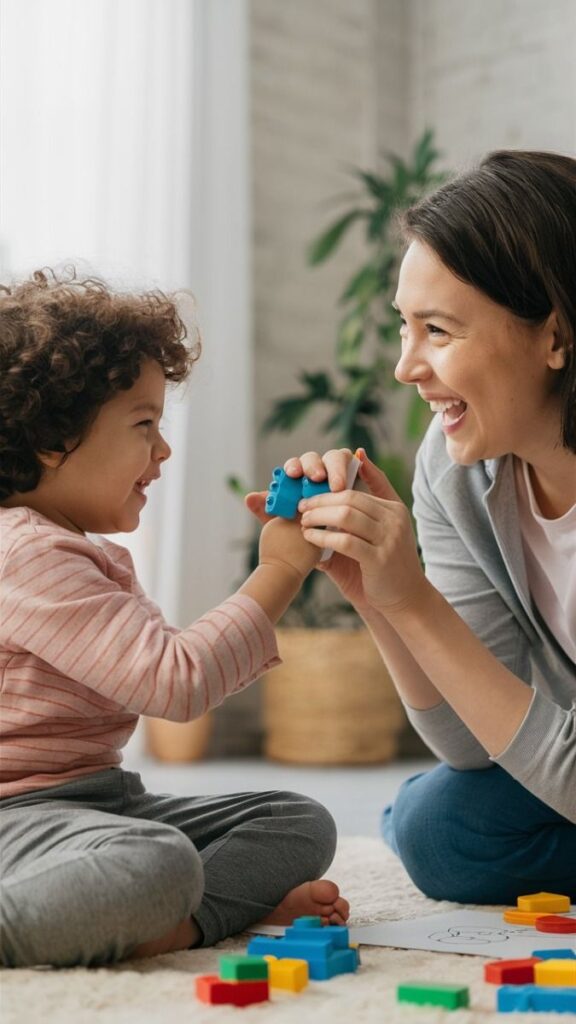
You do not need an expensive makeover. Simple changes can make your home feel more comforting and less chaotic.
For inspiration, explore Kids Room Ideas That Make Every Space Feel Magical and discover simple ways to create a calming environment your child will love.
24. Teach Emotional Words Every Day
Toddlers often act out because they cannot explain how they feel. Teaching simple emotion words gives them healthier ways to communicate.
Use phrases like “happy,” “sad,” “angry,” “frustrated,” and “excited” during everyday conversations. Encourage your child to point to or say the word that matches their feelings.
Helping children name their emotions makes it easier to Stay Calm During Toddler Tantrums because communication gradually replaces emotional outbursts.
25. Remember That Tomorrow Is a New Day
Every parent has difficult days. You may lose your patience or wish you handled a tantrum differently. That does not make you a bad parent.

Learn from the experience, apologize if needed, and try again tomorrow. Your child benefits more from a parent who keeps growing than one who expects perfection.
Parenting is a journey filled with learning for both you and your toddler. Each calm response builds trust, strengthens your relationship, and makes future tantrums easier to manage.
26. Offer Comfort Without Giving In
Your toddler may need reassurance during a tantrum, but that does not mean changing your decision. Comfort and consistency can work together.
Hold their hand, offer a hug if they want one, and speak gently. At the same time, keep the boundary in place. Your child learns that feelings are accepted, but rules still matter.
This balanced approach helps you Stay Calm During Toddler Tantrums while teaching emotional security and self-control.
27. Limit Overstimulation
Busy schedules, loud environments, and too many activities can overwhelm toddlers. When children become overstimulated, they often struggle to manage their emotions.
Balance active play with quiet time each day. Reading books, drawing, or listening to calming music gives your toddler time to recharge.
A slower pace makes it easier to Stay Calm During Toddler Tantrums because your child is less likely to become emotionally overloaded.
28. Give Your Child Time to Calm Down
Not every tantrum ends immediately. Some toddlers need several minutes before they are ready to listen.
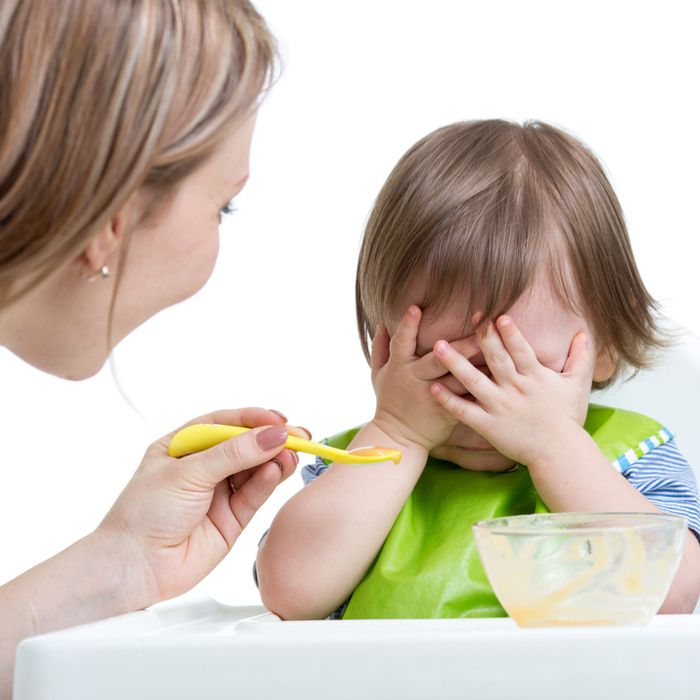
Stay nearby without rushing the process. Your calm presence shows your child they are safe while they work through their emotions.
Once they are calm, offer comfort and talk about what happened. Waiting for the right moment leads to better learning and fewer power struggles.
29. Practice Patience Every Day
Patience grows through practice. Some days will go smoothly, while others will test every bit of your self-control.
Instead of aiming for perfection, focus on making one calm choice at a time. Small improvements lead to lasting changes for both you and your child.
The more patient you become, the easier it is to Stay Calm During Toddler Tantrums, even during challenging moments.
30. Remember That Connection Comes First
Children respond best when they feel loved, safe, and understood. Building a strong relationship makes discipline much more effective.

Spend time talking, reading, playing, and laughing together every day. These simple moments strengthen trust and reduce many behavior problems before they begin.
If you’re looking for more ways to create meaningful family memories, don’t miss 21 Back-to-School Traditions That Make the First Day Feel Special. Simple traditions help children feel secure while bringing the whole family closer together.
31. Stay Consistent Even When Progress Feels Slow
Some days your toddler may handle disappointment well. Other days, they may have several tantrums. That does not mean your efforts are failing.
Learning emotional control takes time and plenty of practice. Stay patient and continue responding with calm, loving guidance.
Being consistent helps you Stay Calm During Toddler Tantrums because you focus on long-term growth instead of short-term setbacks.
32. Reduce Unnecessary Power Struggles
Not every situation needs to become a battle. Ask yourself if the issue truly matters or if you can offer flexibility.

Saving firm boundaries for important situations reduces conflict throughout the day. Your toddler also learns that you are fair and reasonable.
Choosing your battles wisely makes it easier to Stay Calm During Toddler Tantrums while creating a more peaceful home.
33. Apologize When You Lose Your Patience
Every parent has moments they wish they could take back. If you yell or react harshly, apologize once everyone is calm.
A simple apology shows your toddler that everyone makes mistakes and everyone can make things right. You are teaching accountability through your own actions.
Children learn more from what you model than from what you say.
34. Celebrate Calm Moments Together
Do not wait for perfect behavior before offering praise. Notice when your toddler uses kind words, follows directions, or calms down more quickly than before.

Celebrate those moments with encouragement, hugs, or quality time together. Positive attention motivates children to keep making good choices.
For more family activities that strengthen your bond, explore 21 Pumpkin Decorating Party Ideas Kids and Adults Will Both Love. Fun traditions create opportunities for cooperation, laughter, and lasting memories.
35. Give Yourself Grace
Parenting a toddler is one of the most demanding seasons of life. There will be wonderful days and very challenging ones.

The goal is not to eliminate every tantrum. The goal is to respond with love, patience, and consistency as often as possible.
When you choose to Stay Calm During Toddler Tantrums, you teach your child that difficult emotions can be handled safely and respectfully. Those lessons will benefit them long after the toddler years are over.
Frequently Asked Questions
How can I stay calm during toddler tantrums?
Start by taking a deep breath before reacting. Speak in a calm voice, keep your expectations realistic, and remember that tantrums are a normal part of development. The more you practice these habits, the easier it becomes to Stay Calm During Toddler Tantrums.
Should I ignore my toddler during a tantrum?
You should ignore attention-seeking behavior when it is safe, but never ignore your child completely. Stay nearby, make sure they are safe, and offer comfort once they begin calming down. Your presence helps your toddler feel secure.
Why do toddlers throw so many tantrums?
Toddlers have strong emotions but limited communication and self-control. They may become overwhelmed by hunger, tiredness, frustration, or changes in routine. Tantrums are often their way of expressing feelings they cannot explain with words.
Is it okay to comfort my toddler during a tantrum?
Yes. Comforting your toddler does not mean rewarding bad behavior. You can acknowledge their feelings while still keeping your boundaries. This teaches emotional security and helps children learn healthy ways to cope.
At what age do toddler tantrums usually stop?
Most tantrums become less frequent between the ages of three and five. As children develop better language and emotional skills, they learn healthier ways to express frustration. Every child develops at their own pace.
Final Thoughts
Learning to Stay Calm During Toddler Tantrums is a skill that develops with practice. Some days will feel easy, while others will test your patience. What matters most is showing up with love, consistency, and a willingness to learn alongside your child.
Remember that tantrums are temporary, but the way you respond has a lasting impact. Every calm reaction teaches your toddler valuable lessons about managing emotions, solving problems, and feeling safe during difficult moments.
You do not have to be a perfect parent to raise an emotionally healthy child. Small changes, practiced consistently, create meaningful results over time. Stay patient with yourself, celebrate progress, and trust that each calm response is helping your toddler build lifelong emotional skills.

