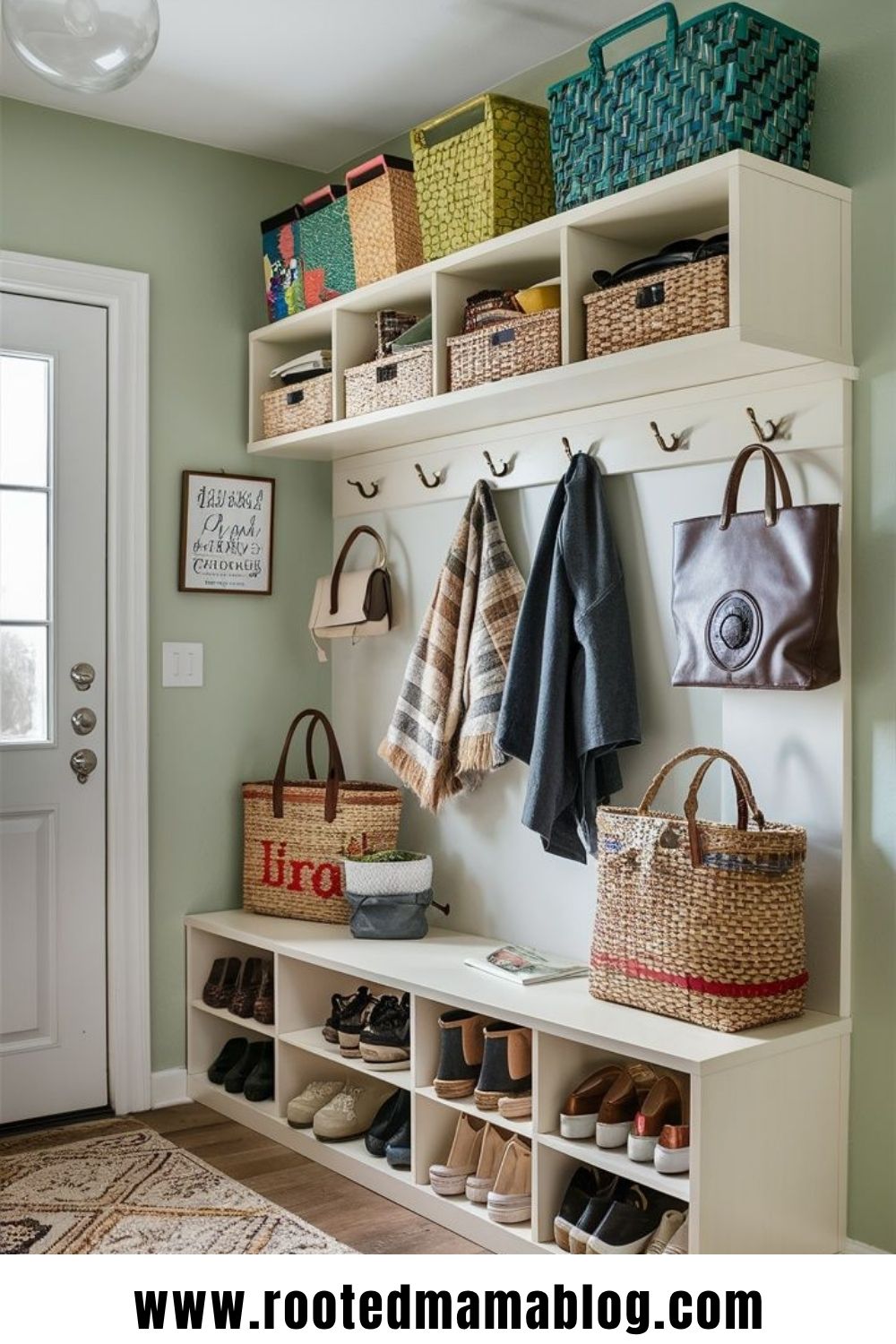
Mudroom Organization Ideas can completely change how your home feels when everyone walks through the door. Imagine coming home after a long day and finding shoes neatly paired instead of scattered everywhere. Bags have their own places, jackets hang neatly, and nothing blocks the doorway.
That peaceful feeling can seem impossible when your family has a busy schedule. Children rush inside, drop backpacks, kick off shoes, and leave jackets wherever they can. Before long, the mudroom becomes the place where everything collects.
If you are trying to create a calmer home overall, 35 Home Organization Ideas Busy Moms Will Wish They Tried Sooner can provide more practical ideas for reducing everyday household chaos.
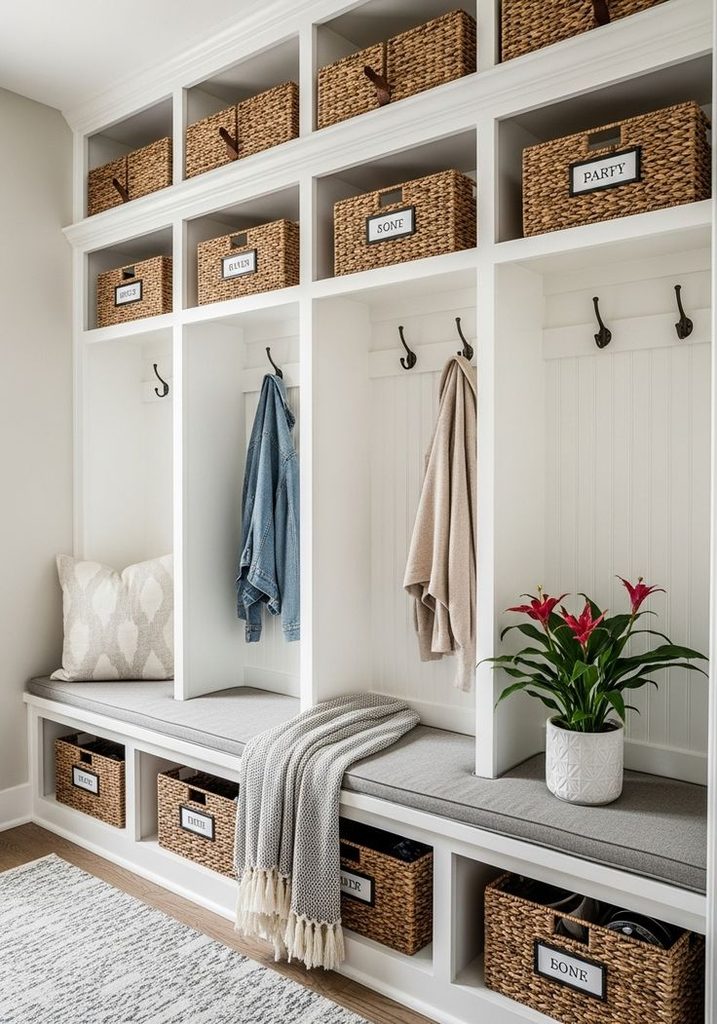
The problem is rarely having too many things alone. Often, items simply do not have convenient places to go. When children are tired after school, they are unlikely to carefully organize their belongings. They need storage that makes putting things away almost effortless.
A few hooks at the right height, baskets for smaller items, and clearly assigned spaces can make a surprising difference. You can also create simple routines that help everyone participate without constant reminders. For families adjusting to the school year, 29 After-School Traditions That Help Kids Reconnect After a Busy Day can help create calmer transitions after everyone arrives home.
The best Mudroom Organization Ideas combine practicality with a welcoming appearance. You do not need a huge mudroom, expensive furniture, or a custom renovation to create an organized entrance. Small spaces can work beautifully when every section serves a purpose.
In this guide, you will discover 35 ways to organize shoes, bags, jackets, seasonal items, and everyday essentials. Some ideas require only inexpensive baskets or hooks, while others can inspire a larger makeover.
The goal is simple: create a mudroom that works for your family’s real routine. By choosing storage solutions that are easy to maintain, you can spend less time clearing clutter and more time enjoying a home that feels calm and organized.
35 Mudroom Organization Ideas
1. Install Individual Wall Hooks
Assign each family member their own wall hook for jackets, backpacks, and everyday bags. This immediately gives frequently used items a designated home.
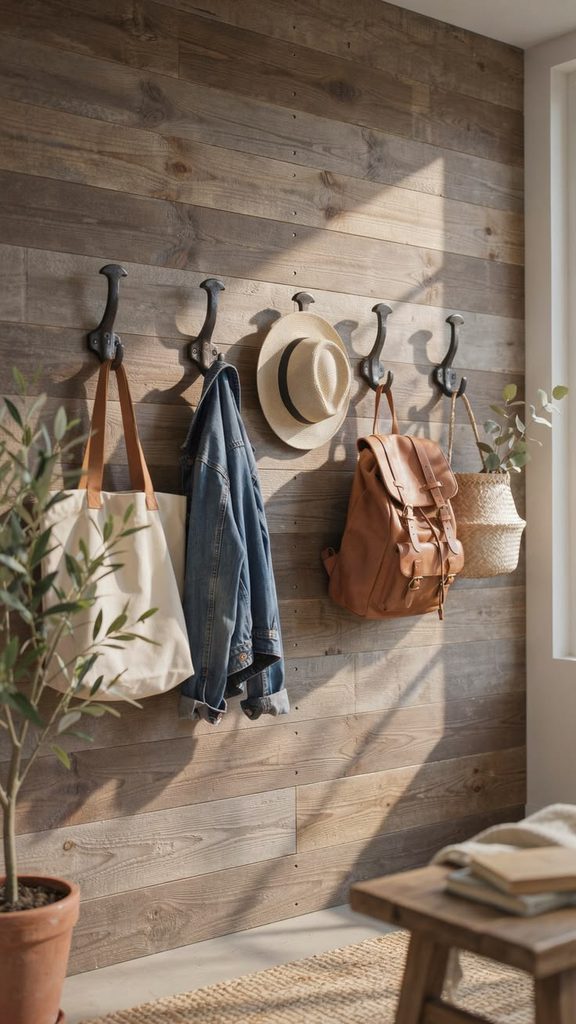
Choose hooks that children can reach easily. When storage sits at their height, they are more likely to use it without constant reminders.
You can label each hook with names or simple symbols. This works particularly well when younger children are still learning organizational habits. Keep the area around each hook relatively clear. Too many items can make even a well-designed storage system feel overwhelming.
2. Add a Shoe Bench With Storage
A storage bench gives your family somewhere comfortable to sit while putting on shoes. It also creates valuable storage underneath. Use baskets inside the open compartments for sandals, sneakers, slippers, and other frequently worn footwear. This keeps shoes contained without making them difficult to access.
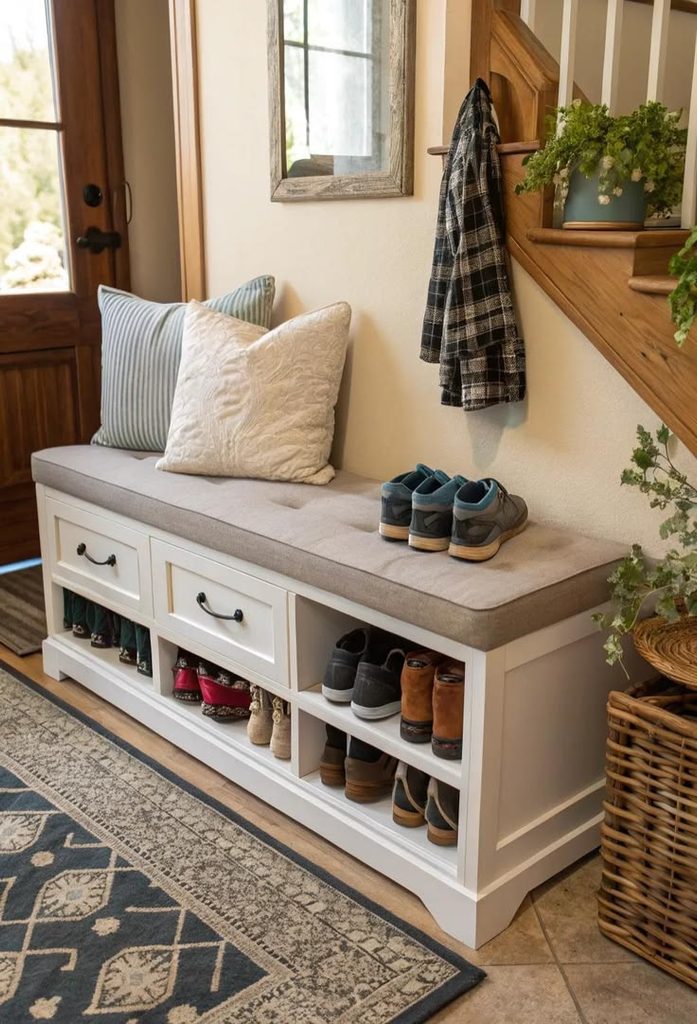
Choose a bench that fits your available wall space. A narrow design can work beautifully in a smaller entryway.
For additional ideas, 25 Kids Room Organization Ideas That Keep Toys and Clutter Under Control can inspire similar storage solutions for other busy areas.
3. Use Labeled Storage Baskets
Storage baskets can prevent small mudroom items from spreading across shelves and benches. Assign each basket a specific purpose to make organizing easier.
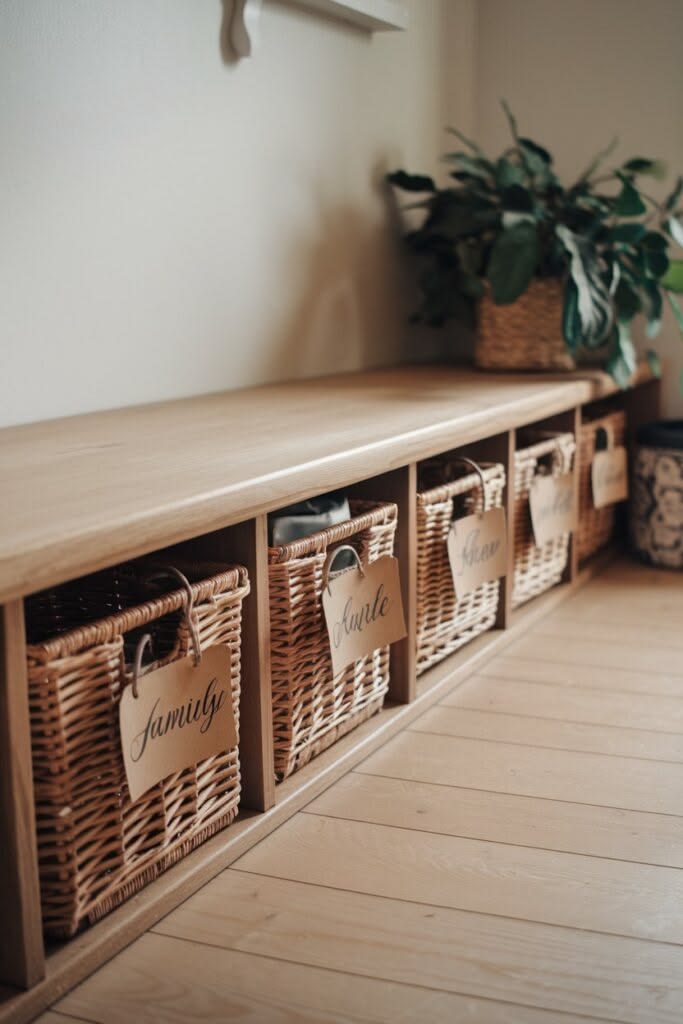
One basket can hold hats, while another stores gloves, scarves, or seasonal accessories. Label each container so everyone knows where items belong. Choose baskets that slide easily beneath benches or onto shelves. This keeps frequently used belongings accessible without making the room look cluttered.
If your family has children, consider using picture labels alongside words. Visual labels can help younger kids identify their storage spaces independently.
4. Create a Dedicated Backpack Station
Backpacks can quickly become one of the biggest sources of mudroom clutter. Give each child a dedicated spot for their school bag.
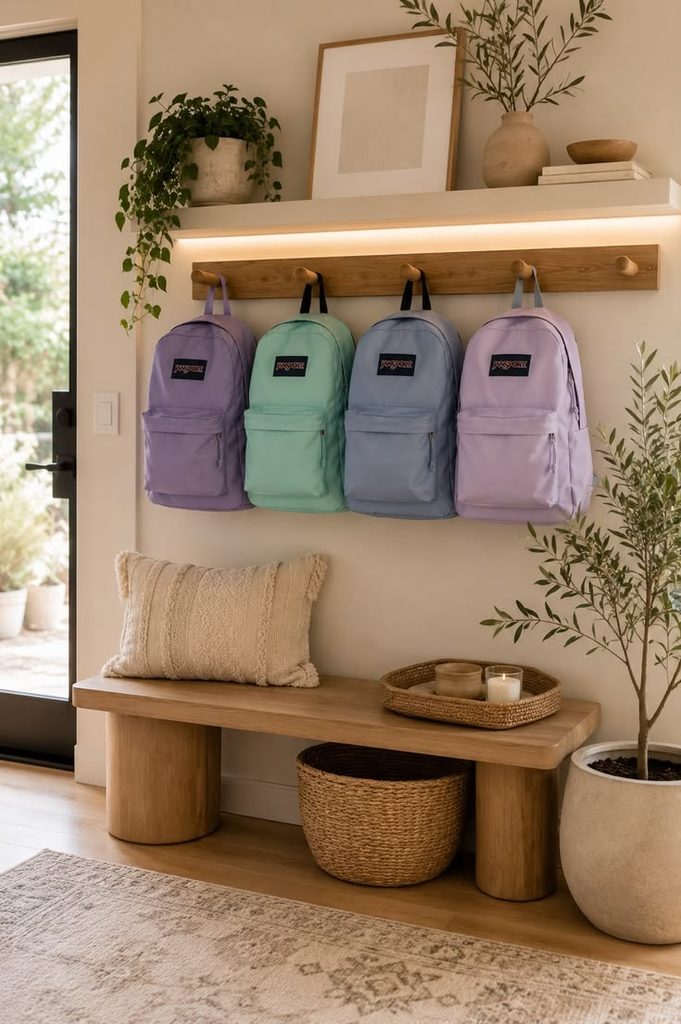
Install sturdy hooks at an accessible height. Alternatively, use cubbies if you prefer keeping bags completely off the floor. Encourage children to place their backpacks in the same location immediately after school. A consistent habit can prevent bags from ending up on chairs, floors, or countertops.
This simple change can make busy mornings easier too. Everyone knows exactly where their school bag should be before leaving home.
5. Add Vertical Shoe Storage
When floor space is limited, look upward. Vertical shoe racks can use wall space while keeping the floor much clearer. Choose a rack with enough levels for the shoes your family actually wears regularly. Avoid filling it with rarely used footwear.
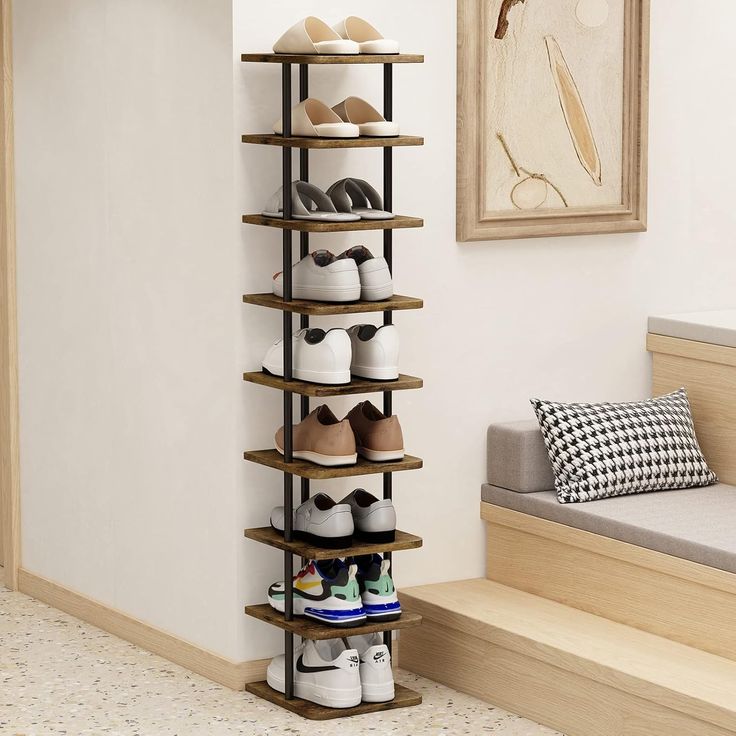
Keep everyday shoes toward the easiest-to-reach sections. Store occasional footwear higher or in separate seasonal containers. This approach works particularly well in narrow mudrooms. It creates more usable walking space without requiring a larger room.
6. Use Clear Bins for Seasonal Accessories
Clear bins make it easier to see smaller seasonal items without opening every container. Use them for hats, gloves, scarves, rain accessories, or other occasional essentials.
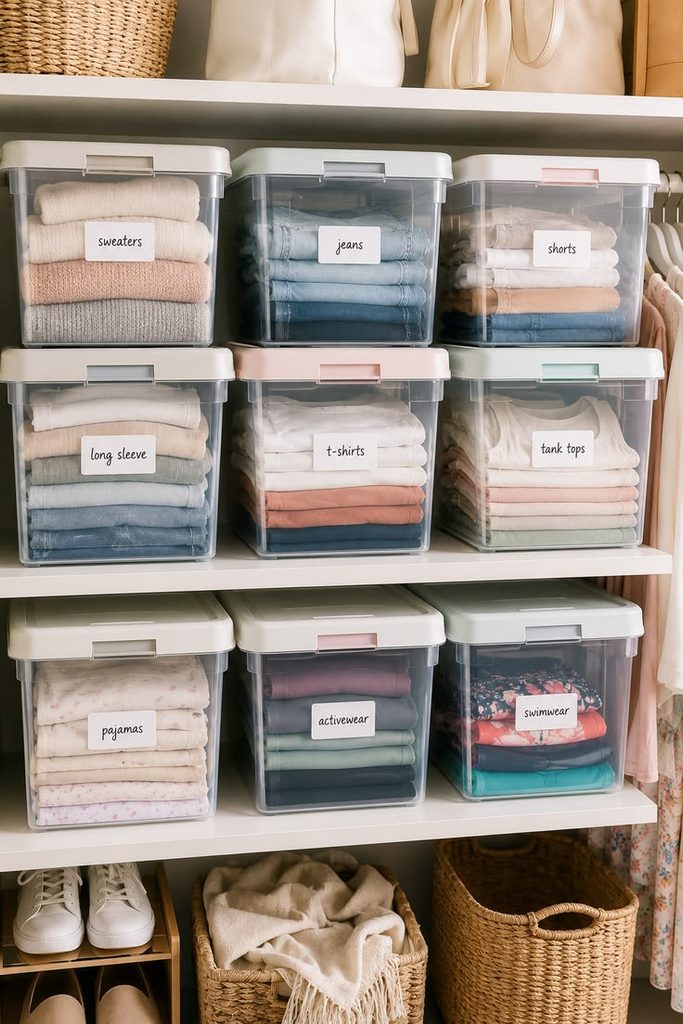
Label each bin according to its contents. This makes seasonal changes much faster because you can immediately identify what you need. Place the containers on higher shelves if you rarely use them. Keep everyday items within easy reach instead.
For broader decluttering inspiration, Why Your Home Keeps Getting Cluttered and How to Fix It can help you identify habits that may be contributing to recurring messes.
7. Add a Small Catch-All Tray
A catch-all tray gives small everyday items one specific landing place. Use it for keys, sunglasses, wallets, or other items that often disappear.
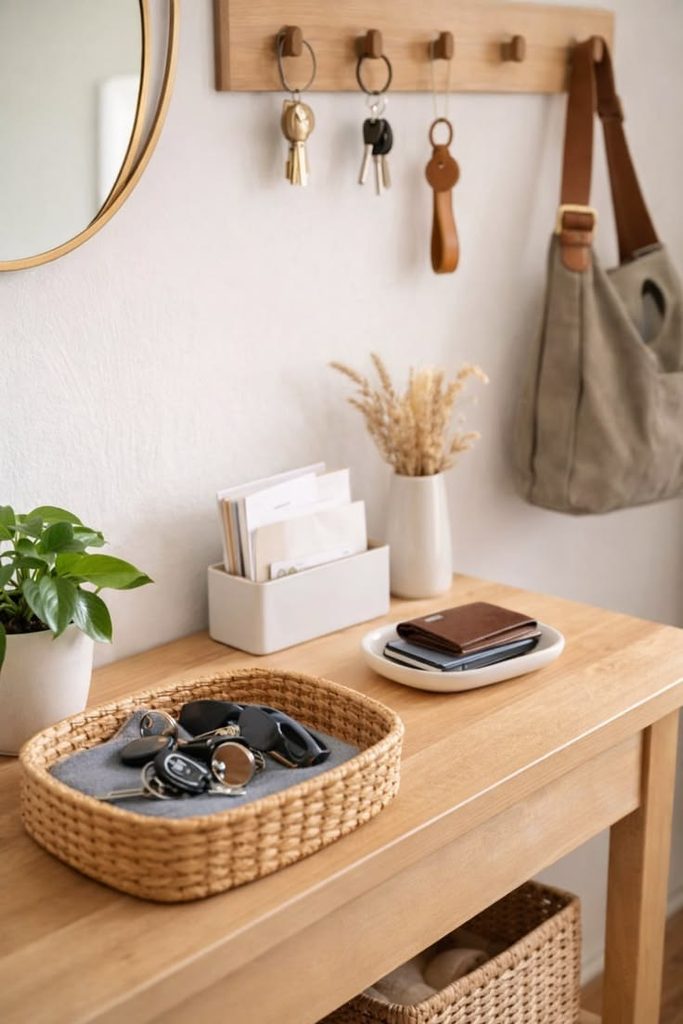
Choose a tray that fits neatly on a shelf or console. Keep it small enough that clutter cannot accumulate endlessly. You can empty the tray during your weekly reset. This keeps the system useful without requiring constant attention. A simple tray may seem insignificant, but it can prevent tiny items from spreading across the entire entryway.
8. Create a Family Cubby System
A cubby system can give every family member a dedicated storage zone. Assign each person a cubby for bags, shoes, jackets, and everyday essentials.
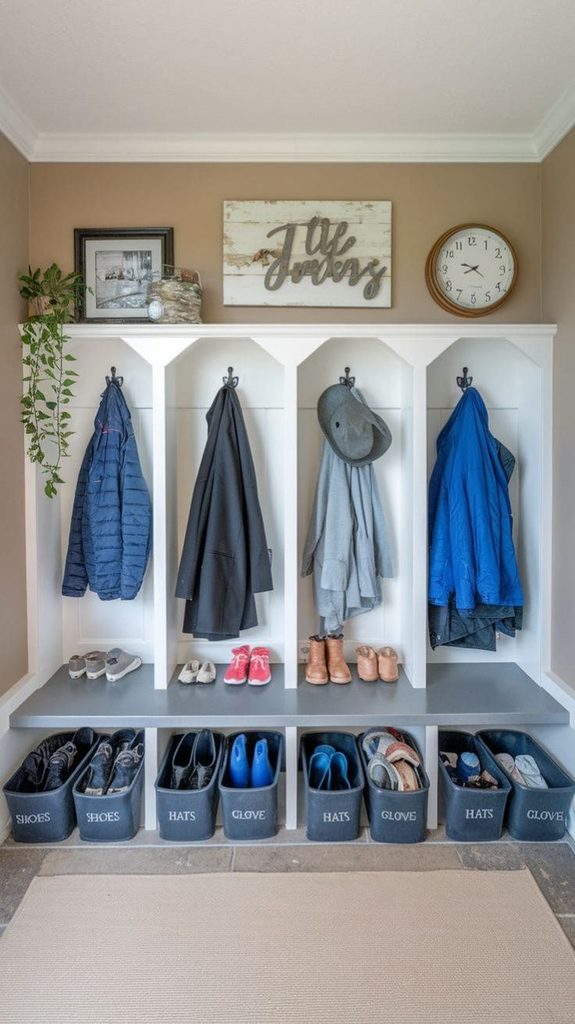
Choose cubbies with enough space for the belongings your family actually uses. Avoid creating oversized storage that encourages unnecessary accumulation. You can label each section with names or simple symbols. This makes it easier for children to identify their spaces without asking for help.
If your children share storage areas, 21 Shared Kids Room Ideas That Keep the Peace and Look Beautiful can provide more inspiration for creating organized spaces that work for everyone.
9. Add a Designated Jacket Rail
A dedicated jacket rail keeps coats from ending up on chairs, floors, or nearby furniture. Install it where everyone can easily reach their belongings. Use sturdy hooks that can handle heavier jackets and bags. Leave enough space between hooks so items do not become tangled.
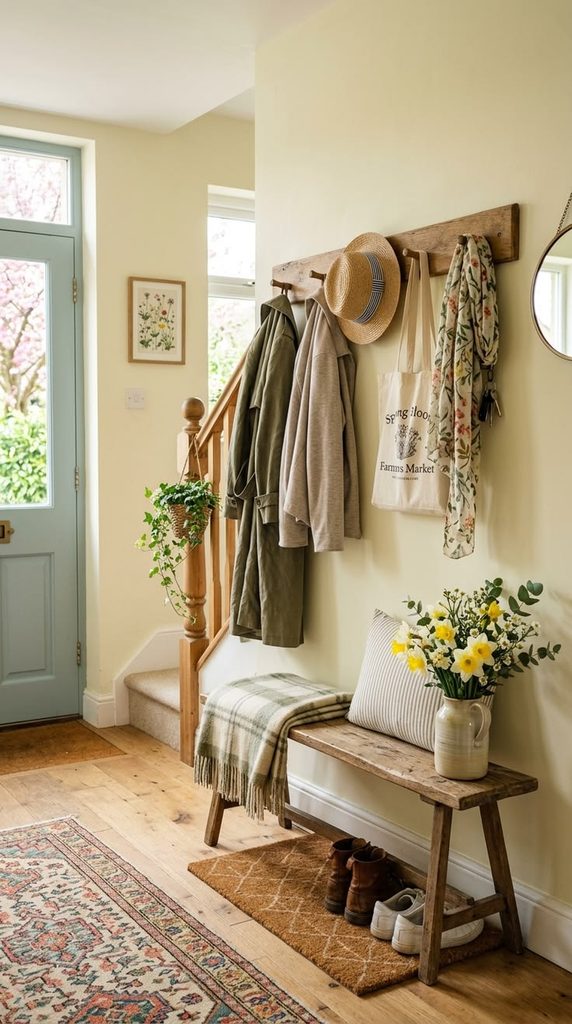
During warmer months, remove unused outerwear from the rail. Store seasonal pieces elsewhere to keep the mudroom looking open.
This small adjustment can make your entrance feel instantly more organized. It also encourages everyone to return jackets immediately after coming home.
10. Create an Everyday Shoe Zone
Not every pair of shoes needs to live in the mudroom. Create a small zone specifically for footwear your family wears frequently. A low shelf, basket, or open cubby can keep everyday shoes contained. Encourage everyone to return their shoes there after entering the house.

Keep special occasion shoes and rarely worn footwear somewhere else. This prevents the mudroom from becoming an overflow closet.
If clutter continues spreading beyond the entryway, 35 Home Organization Ideas Busy Moms Will Wish They Tried Sooner can help you create simple systems throughout your home.
11. Use a Narrow Console Table
A narrow console can provide valuable storage without taking up too much walking space. Choose one with drawers, shelves, or baskets underneath.
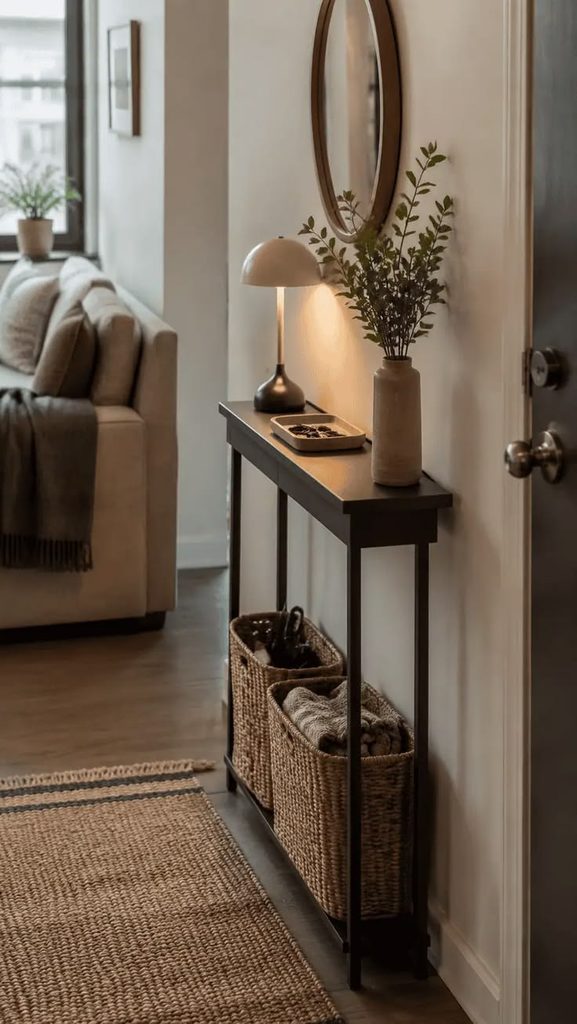
Use the surface for a small tray, lamp, or decorative item. Keep the styling simple so the table remains functional. Store keys, mail, and small essentials inside the drawers. This keeps frequently handled items from creating visual clutter.
A slim console works especially well in narrow entryways. It gives you additional organization without making the space feel cramped.
12. Install an Overhead Shelf
An overhead shelf provides storage for items you rarely need during the day. Use it for seasonal bags, extra shoes, or outdoor accessories. Keep frequently used belongings at lower levels. Children should not need to reach overhead for items they use every afternoon.

Use matching baskets to make the shelf look neat. Labels can also help you quickly identify what each basket contains.
This approach allows you to maximize vertical space while keeping the main walking area clear. It is particularly helpful when your mudroom has limited floor space.
13. Add a Dedicated Mail Organizer
Mail can quickly turn an organized entryway into a cluttered one. Create a small station specifically for letters, school notices, and important papers. Use wall-mounted pockets or a compact organizer near the entrance. Assign separate sections for each family member when necessary.
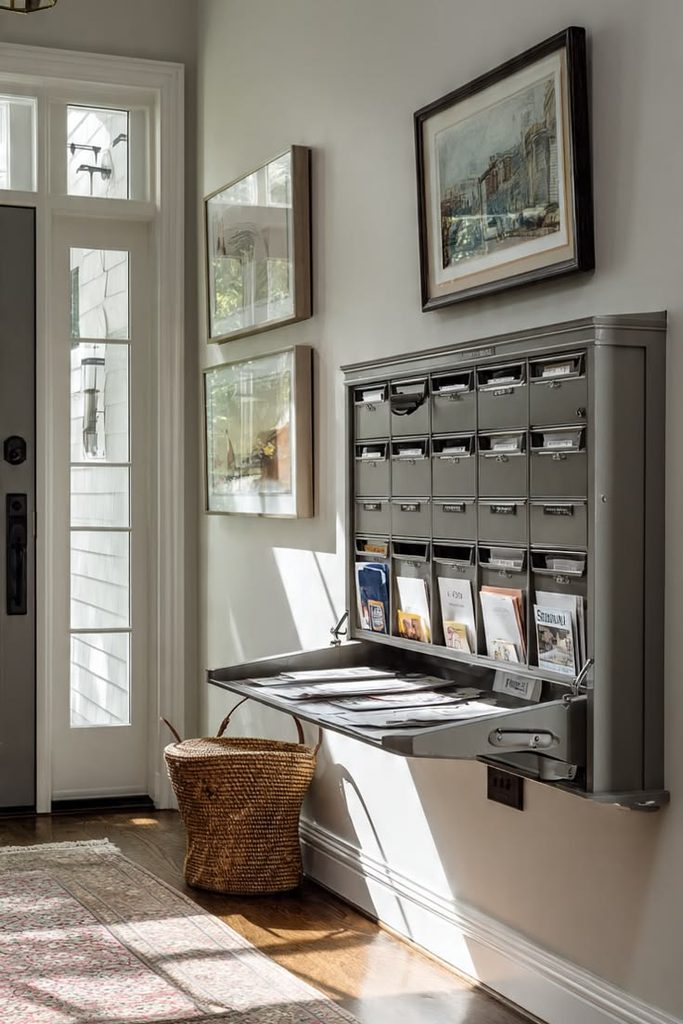
Encourage everyone to check their section regularly. This prevents papers from remaining forgotten for weeks.
You can also create one small space for documents that need immediate attention. This keeps important papers visible without allowing them to spread across nearby surfaces.
14. Use Baskets for Sports Equipment
Sports equipment can quickly overwhelm a mudroom when everything gets dropped near the doorway. Large baskets can keep balls, gloves, helmets, and smaller equipment contained.
Choose sturdy baskets that can handle frequent use. Place them somewhere children can easily access them after school or practice. Consider assigning one basket to each activity if your children participate in several sports. This makes finding equipment much easier.
Clear categories also make cleanup faster. Instead of searching for individual items, children can return everything to one designated basket.
15. Create a School Essentials Station
Keep frequently needed school items together in one convenient location. This might include lunch bags, water bottles, folders, umbrellas, and reusable containers.
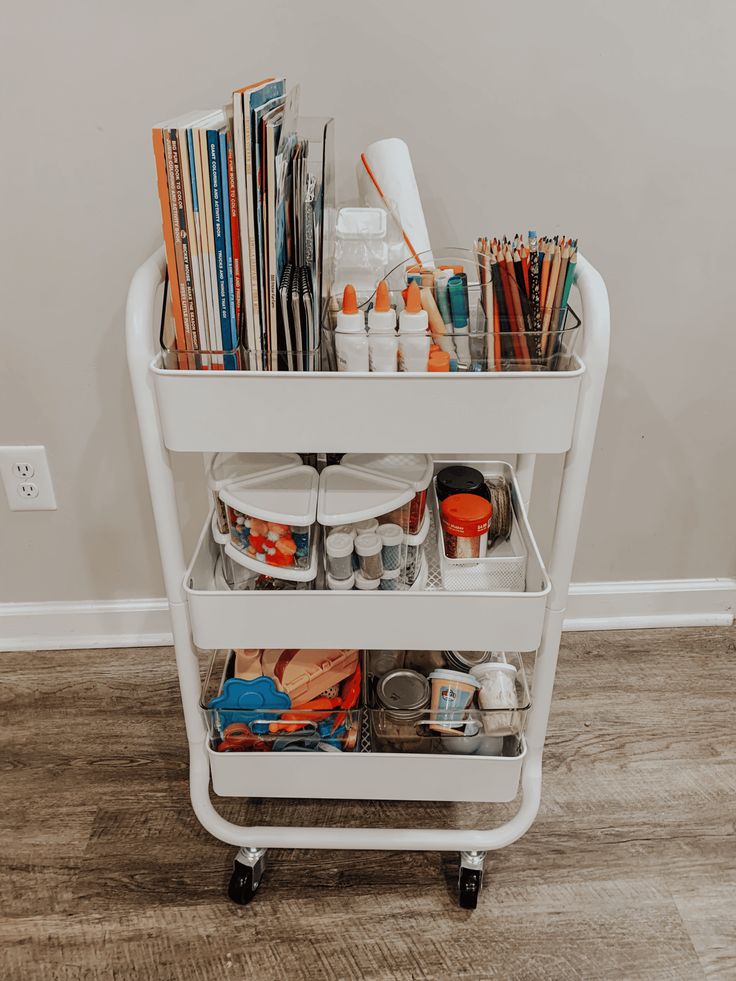
Use a small shelf or cubby system to separate the different categories. Make sure children can reach the items they use independently.
You can create a simple routine where school essentials return to this station every afternoon. This reduces morning scrambling when everyone is trying to leave.
For families building smoother school routines, 21 Back-to-School Traditions That Make the First Day Feel Special offers another way to make school days feel more organized and meaningful.
16. Add a Laundry Basket for Shoes and Outdoor Items
A sturdy laundry basket can become an inexpensive storage solution for bulky outdoor items. Use it for rain boots, slippers, or shoes that need cleaning. Choose a washable basket that can handle dirt and moisture. This keeps muddy items from spreading across the floor.
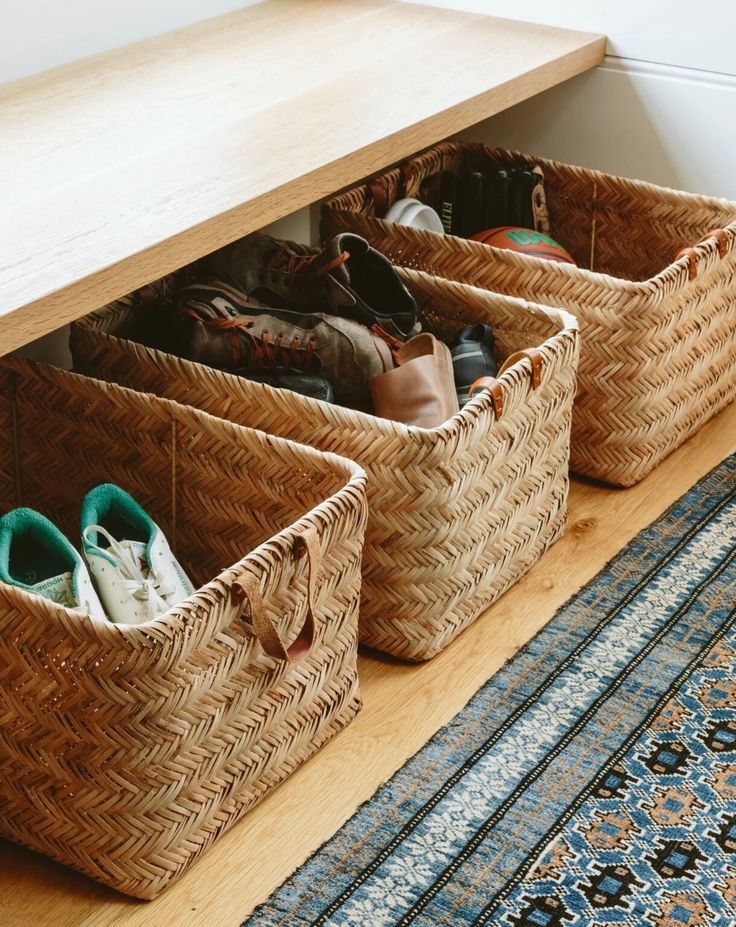
Avoid mixing clean and dirty belongings in the same container. Create separate spaces when necessary to keep the system hygienic.
This simple idea works particularly well for families with children. Outdoor items can be contained quickly instead of being left throughout the house.
17. Install a Small Umbrella Holder
Umbrellas are easy to forget until rain arrives. A narrow umbrella holder gives them a consistent home near the entrance. Choose a container that can handle occasional water. Place it near the door so everyone can return umbrellas immediately after use.

You can also keep a few reusable rain accessories nearby. This makes rainy mornings easier because everything is already in one location.
The holder does not need to be expensive or decorative. Its purpose is simply to prevent umbrellas from leaning against walls or blocking the doorway.
18. Add Hooks for Reusable Bags
Reusable shopping bags often end up hanging from random doorknobs or sitting on the floor. Give them a dedicated set of hooks inside the mudroom.
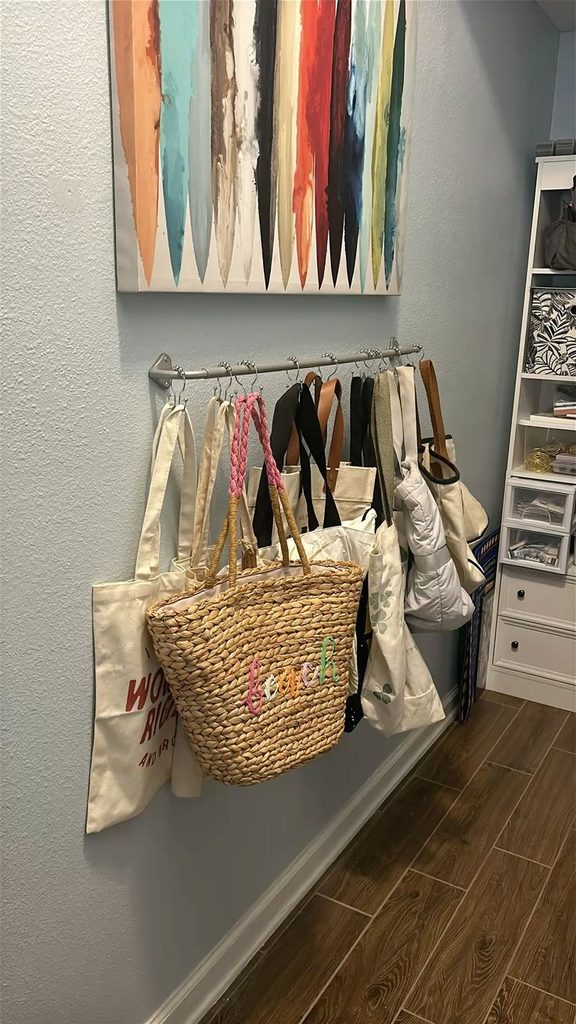
Choose sturdy hooks that can hold several lightweight bags. Keep them near the entrance so everyone can grab one before leaving. You can separate grocery bags from reusable totes and children’s activity bags. This keeps the storage system easier to understand.
When bags have a designated home, putting them away becomes much simpler. It also prevents empty bags from taking over shelves and countertops.
19. Create a Pet Essentials Station
If your family has a pet, reserve one small mudroom area for their everyday supplies. You can store leashes, towels, treats, and grooming essentials together.
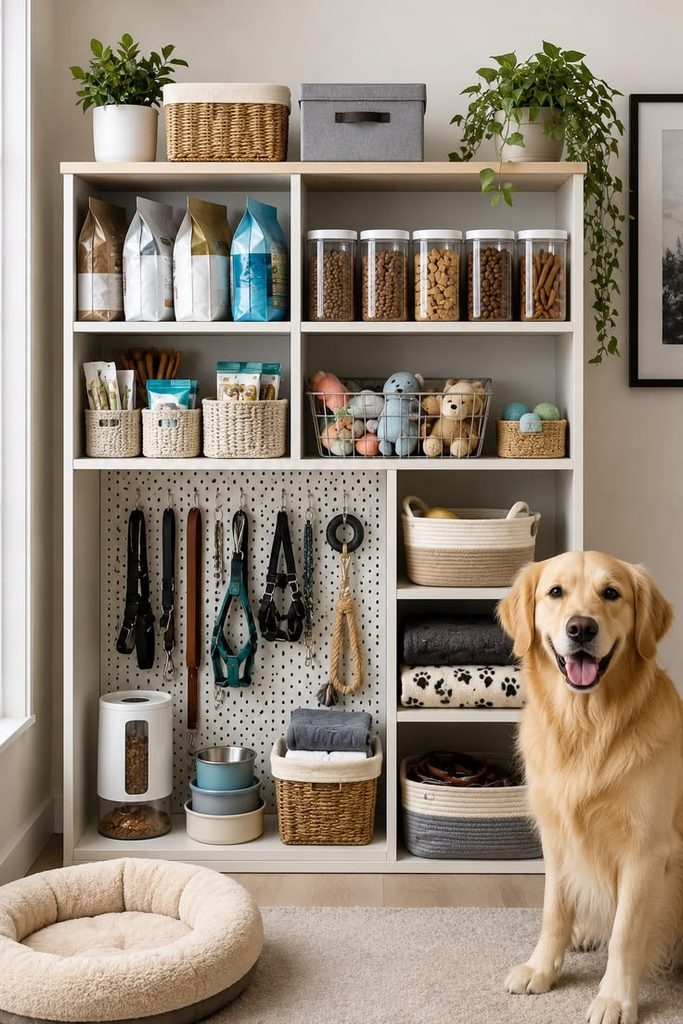
Use a basket or wall hooks to keep everything accessible. Place washable towels near the floor for quick cleanup after outdoor walks. Keeping pet supplies near the entrance can also make departures easier. You will not need to search through different rooms before heading outside.
Choose a contained storage solution that keeps smaller items from becoming scattered. A simple basket can be enough to create order.
20. Add a Family Charging Station
A charging station can prevent phones, tablets, and other devices from collecting across the house. Choose one dedicated location for charging everyday devices.
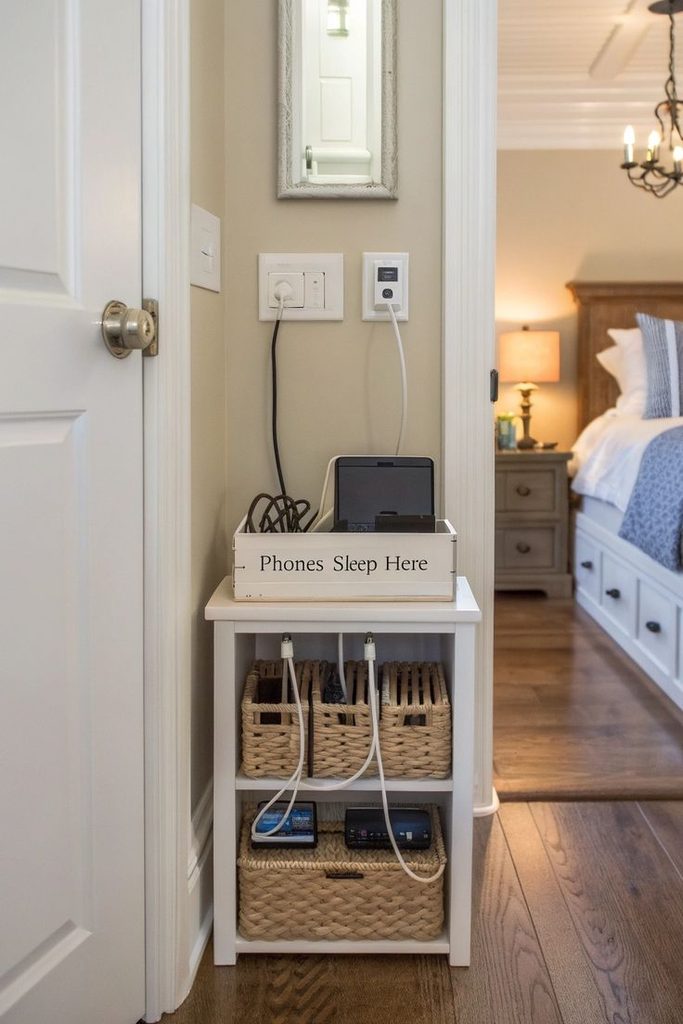
Use a small shelf or charging organizer with enough room for your family’s essentials. Keep cords organized so they do not become tangled. This idea works particularly well when children regularly bring devices home from school. Everyone knows where their device belongs when it needs charging.
If you are trying to create calmer household routines, How to Create a Screen-Free Routine Your Kids Will Actually Enjoy can provide ideas for balancing technology with family connection.
21. Install a Drying Rack for Wet Items
A small drying rack can be incredibly useful during rainy seasons. Use it for wet jackets, umbrellas, shoes, or children’s outdoor clothing. Choose a wall-mounted option if floor space is limited. A foldable rack can also disappear when you no longer need it.
Place the rack somewhere with good airflow. This helps wet items dry more effectively and keeps moisture from lingering around the mudroom. You can also add a washable mat underneath. This protects the floor from dripping water and muddy footwear.
22. Create a Dedicated Hat and Glove Basket
Small accessories can quickly disappear without a designated storage spot. Place a basket near the entrance for hats, gloves, scarves, and other seasonal accessories.
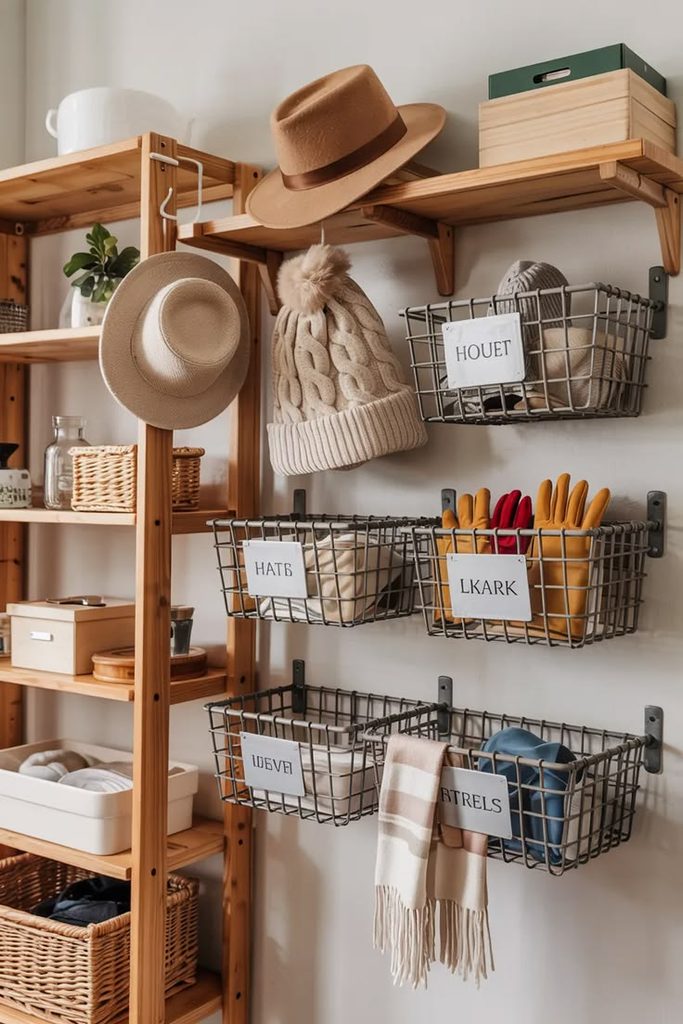
Choose an open basket so children can quickly see what they need. You can assign one section to each family member if space allows. Rotate the contents when the seasons change. Store items that are no longer needed rather than allowing them to fill the basket.
This simple system keeps tiny accessories from spreading throughout the house. It also makes cold-weather mornings much easier.
23. Add a Family Shoe Rack
A dedicated shoe rack can make the entire mudroom feel more organized. Choose a rack with enough levels for everyone’s everyday footwear. Place frequently worn shoes on the easiest-to-reach shelves. Keep special occasion shoes elsewhere so the rack does not become overcrowded.
You can assign each family member a shelf or section. This makes it easier for children to return their shoes without asking where they belong. Choose an open design if your family prefers quick access. Closed storage works better if you want a cleaner visual appearance.
24. Use a Bench With Hidden Storage
A bench with hidden storage can combine seating and organization in one practical piece. Lift the seat to reveal space for less frequently used belongings. Store seasonal accessories, extra bags, or outdoor items inside. Keeping these things hidden can make the mudroom look much calmer.
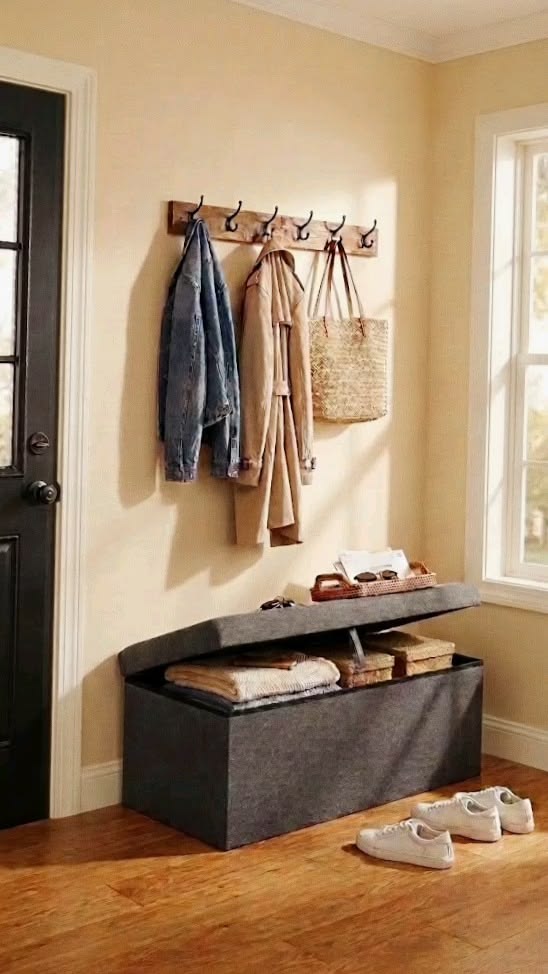
Choose a bench that comfortably fits your available space. Avoid oversized furniture that makes the entrance difficult to navigate.
This is one of the Mudroom Organization Ideas that works particularly well when you need storage without adding several separate pieces of furniture.
25. Create a Kids’ Drop Zone
Children need storage that feels simple enough to use without constant supervision. Create a dedicated drop zone with hooks, baskets, and low shelves.
Keep backpacks, shoes, jackets, and everyday belongings within their reach. The easier the system feels, the more likely children are to maintain it. You can use different labels or colors for each child. This helps prevent arguments about storage spaces and makes cleanup more straightforward.
For another child-friendly organization project, 27 Kids Room Design Ideas That Are Fun, Practical, and Stylish can provide inspiration for creating functional spaces throughout your home.
26. Add a Small Cleaning Supplies Cabinet
Keep essential cleaning supplies close to the mudroom. A small cabinet can hold disinfectant, cloths, brushes, and other items used for quick cleanups. This is especially helpful when muddy shoes or wet clothing create messes. You can handle small problems immediately instead of leaving them for later.
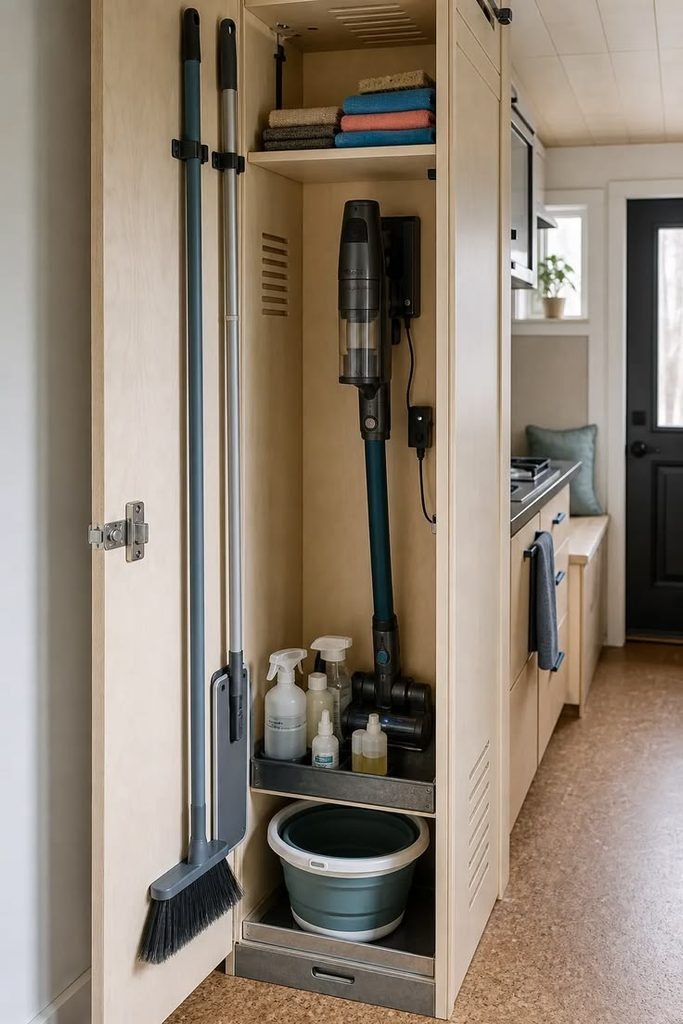
Keep cleaning products safely away from young children. Use secure storage whenever necessary. A dedicated cabinet also prevents cleaning supplies from taking over other areas. Everything stays together and remains easier to find.
27. Install a Wall-Mounted Shoe Rack
If floor space is extremely limited, consider moving shoe storage onto the wall. A wall-mounted rack keeps footwear organized without taking up valuable walking space.
Choose a sturdy design that can support the types of shoes your family wears. Position it at a comfortable height for everyday access. You can organize shoes by person or type. Either approach makes it easier to find what you need before leaving home.
This is especially useful in narrow entrances. It keeps the floor open while still providing accessible storage.
28. Add a Laundry Sorting Station
A small laundry sorting station can prevent dirty clothes from piling up in the mudroom. Use separate baskets for lights, darks, and items needing special care. Choose containers that fit neatly beneath a bench or along an unused wall. This keeps laundry contained without making the room feel crowded.
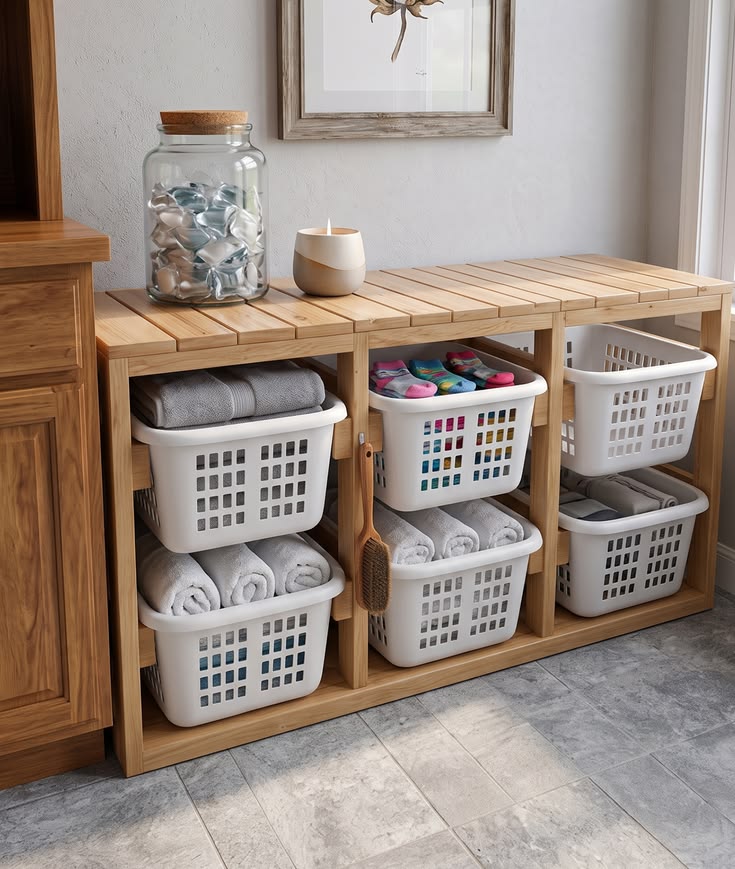
If your family removes jackets and outdoor clothing near the entrance, this system can make laundry days easier. Everyone can place dirty items directly into the correct basket.
Keep the categories simple enough for children to understand. A straightforward system is much easier to maintain than one with too many rules.
29. Use a Small Rolling Cart
A rolling cart can provide flexible storage when your mudroom needs to serve several purposes. Choose a narrow cart that can fit beside a bench or cabinet.
Use the shelves for shoes, cleaning supplies, accessories, or frequently used outdoor items. You can move the cart whenever you need additional floor space. This option works especially well for renters because it does not require permanent installation. It can also move with your family’s changing storage needs.
Choose a cart with sturdy wheels and enough space for the items you actually use. Avoid turning it into another place where random clutter collects.
30. Create a Seasonal Rotation System
Your mudroom becomes easier to manage when you only keep the current season’s essentials accessible. Store winter coats during warmer months and bring them back when temperatures change.
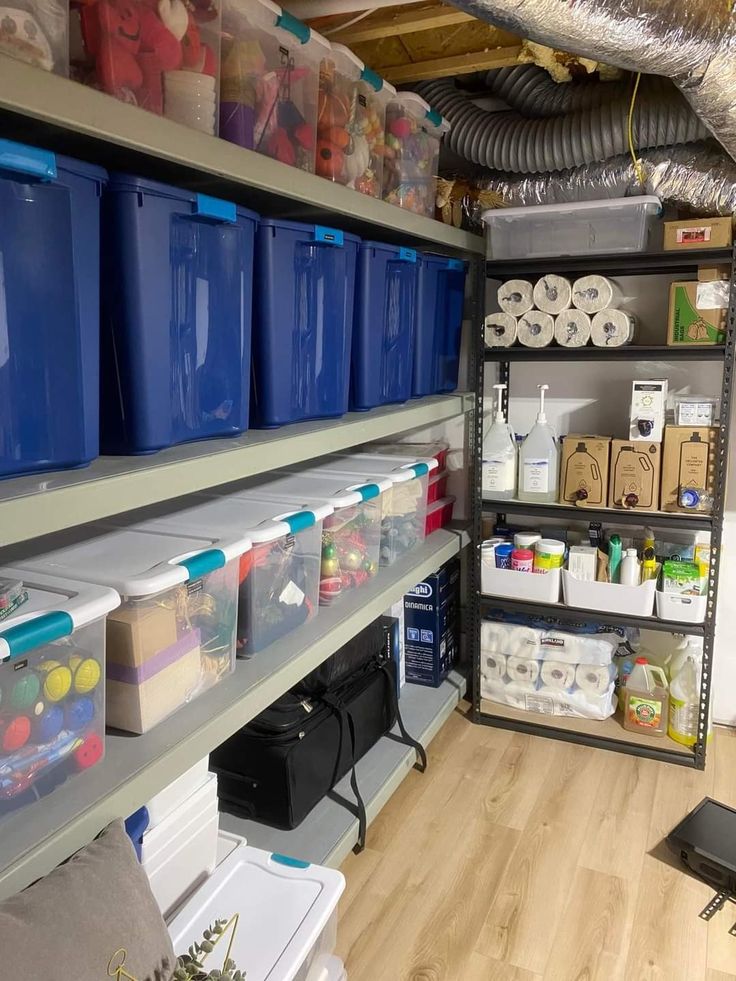
Use labeled bins for items that are temporarily out of rotation. Place those containers on higher shelves or another storage area. This prevents hooks and shelves from becoming overloaded. It also makes it easier to see what your family actually uses.
A seasonal rotation can become part of your regular home reset. For more ideas, 27 Simple Fall Home Decor Ideas That Make Your Home Feel Cozy can help you prepare other areas of your home for seasonal changes.
31. Add a Family Calendar
A small wall calendar can turn your mudroom into a practical family command center. Place it somewhere everyone can see before leaving home. Use it to track school events, appointments, activities, birthdays, and important reminders. Keep the information simple enough to understand at a glance.
You can pair the calendar with a small basket for permission slips and school notices. This keeps important papers close to the information they relate to.
For families managing busy school schedules, 25 After-School Activities Kids Can Do While You Make Dinner can provide ideas for keeping afternoons productive without creating additional stress.
32. Install a Full-Length Mirror
A full-length mirror adds both style and functionality to your mudroom. It gives everyone a quick place to check their appearance before leaving.
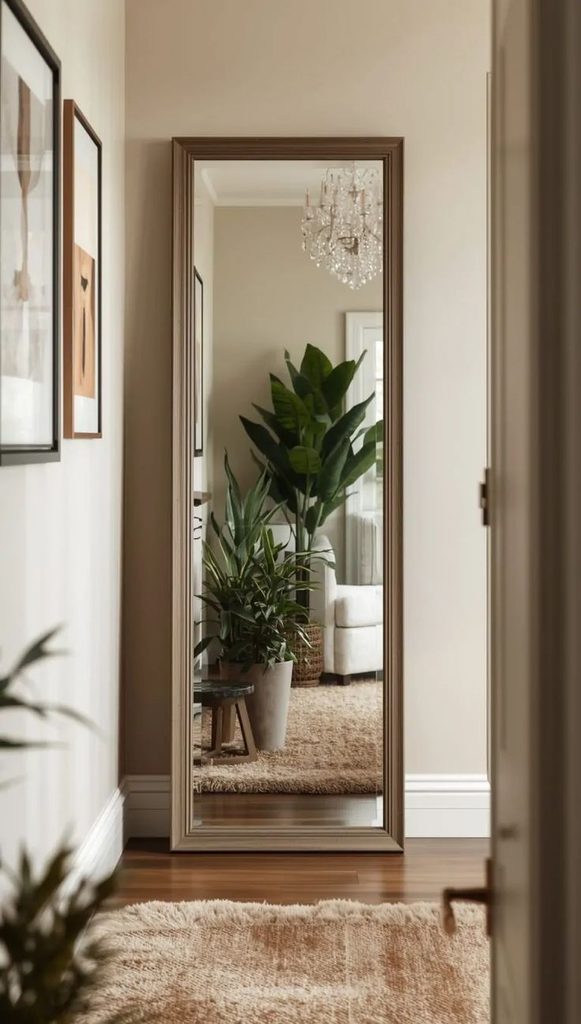
Choose a wall-mounted mirror if floor space is limited. A narrow frame can keep the entrance feeling open. Place it near the main exit so it becomes part of the leaving routine. Children can quickly check their clothes, shoes, and backpacks before heading out.
The mirror can also make a small mudroom appear larger. Reflective surfaces often help narrow spaces feel brighter and more open.
33. Create a Donation Basket
Keep one basket specifically for items your family no longer needs. This creates an easy place to collect outgrown shoes, jackets, bags, and accessories.
When the basket becomes full, sort everything before donating or discarding items. Avoid letting unwanted belongings return to the main storage areas. This simple habit can prevent your mudroom from slowly becoming overcrowded. It also makes regular decluttering much easier.
For more practical decluttering guidance, Why Your Home Keeps Getting Cluttered and How to Fix It can help you identify habits that allow clutter to return.
34. Add a Washable Entryway Mat
A washable mat can protect your mudroom floor from dirt, water, and muddy footprints. Choose a size that covers the main entrance area.
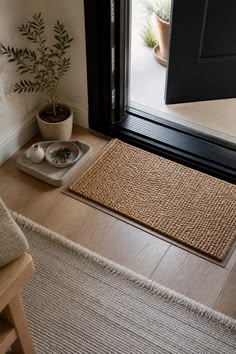
A textured surface can help remove some dirt from shoes before children walk farther inside. Make sure the mat stays flat to reduce tripping risks. Wash it regularly so it continues looking fresh. Having an easy-to-clean mat can make everyday maintenance much less stressful.
Pair the mat with a dedicated shoe zone nearby. This encourages everyone to remove dirty footwear before walking through the rest of the home.
35. Create a Simple One-Minute Reset
The final organization idea is also one of the most important. Create a one-minute reset that happens before everyone leaves the mudroom. Ask each family member to return one item to its proper place. Shoes go on the rack, jackets go on hooks, and bags return to their stations.
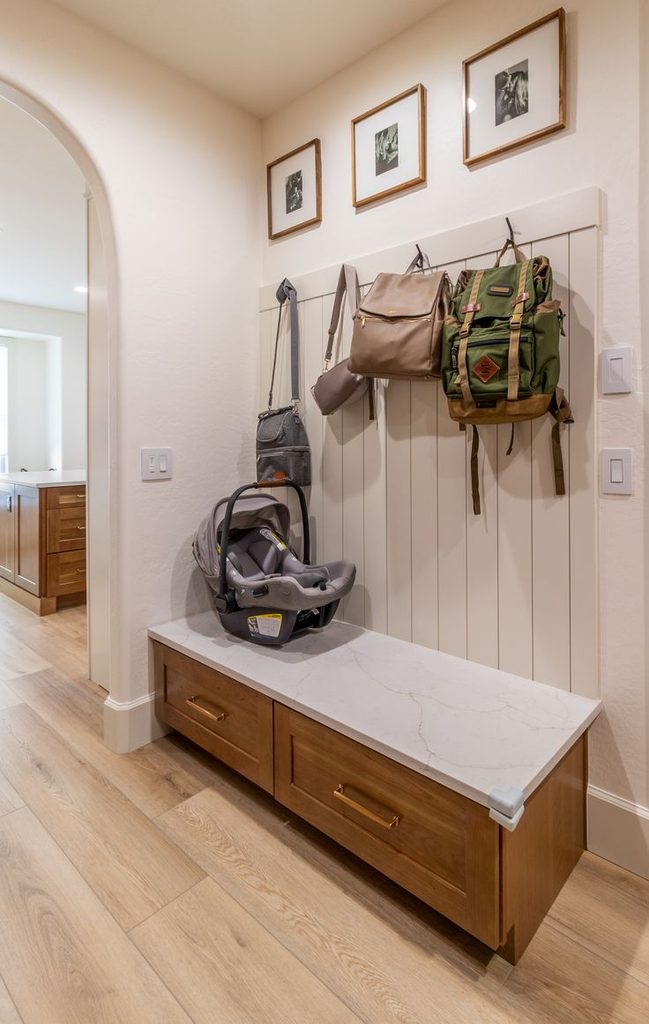
This tiny habit prevents small messes from becoming overwhelming. It also teaches children that maintaining an organized space is easier than constantly cleaning a large mess.
The best Mudroom Organization Ideas are the ones your family can actually maintain. A beautiful system will not help if everyone finds it too complicated to use.
Start with the areas causing the most frustration. Fix those first, then gradually add storage solutions as your family’s needs become clearer.
Final Thoughts
A well-organized mudroom can make your entire home feel calmer. When shoes, bags, and jackets have designated places, everyone knows where belongings belong.
You do not need to tackle all 35 ideas at once. Start with the biggest problem your family faces each day. If shoes cover the floor, begin with shoe storage. If backpacks pile up, create dedicated hooks or cubbies.
The most effective Mudroom Organization Ideas are simple enough for everyone to maintain. Storage should match your family’s habits instead of forcing everyone into an unrealistic system.
Remember that children need easy access to their belongings. Low hooks, open baskets, and simple labels can make cleanup easier for younger family members.
Your mudroom does not have to look perfect every day. The goal is creating a system that makes everyday messes easier to manage.
As your family changes, your storage needs will change too. Revisit the space occasionally and remove anything your family no longer uses.
If you are ready to tackle another cluttered area, 25 Kids Room Organization Ideas That Keep Toys and Clutter Under Control can help you create a more functional space for your children.
Start small, choose practical solutions, and give every frequently used item a home. With the right system, walking through your front door can feel much more peaceful.