Fall Sensory Activities can give toddlers and preschoolers a fun way to explore, play, and learn through simple experiences. However, keeping little ones entertained can become challenging when activities require too much preparation.
You may also worry about messy materials covering your home after only a few minutes. Sometimes, your child simply wants something new to touch, scoop, squish, pour, or discover. That is where sensory play can make everyday activities more exciting.
You can use simple household items, seasonal ingredients, and materials you already have. You do not need expensive toys or complicated activity stations. If you need more easy ideas for busy days, 50 Easy Kids Activities at Home That Keep Little Ones Busy can give you plenty of inspiration.
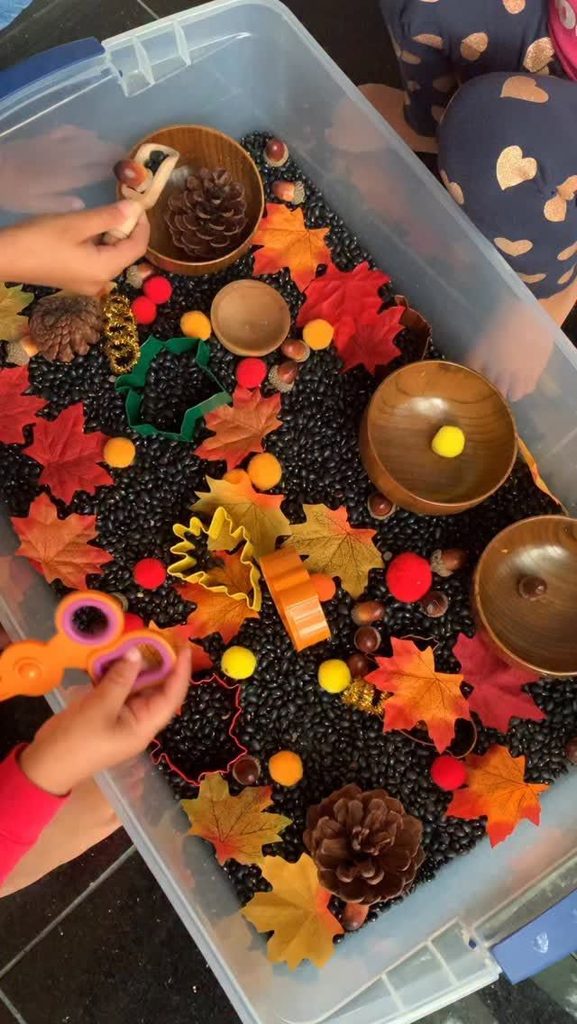
Imagine placing a shallow tray on the table while your toddler watches with curiosity. You add colorful leaves, small containers, soft materials, and a few safe objects. Suddenly, those ordinary items become an exciting invitation to explore.
Your child starts scooping, sorting, touching, and moving everything around. You may notice them becoming quieter as they concentrate on each new discovery. These moments can make Fall Sensory Activities especially valuable for young children.
Sensory play can encourage curiosity while giving little hands something purposeful to do. You can also adjust activities based on your child’s age and comfort level.
The best Fall Sensory Activities should feel simple enough for parents and exciting enough for little children. They should not require hours of preparation or a house full of special supplies. Many activities can use leaves, oats, rice, pumpkins, apples, water, dough, and other everyday materials.
You can create them at a kitchen table, on a washable mat, or outside during family playtime. Most importantly, you can choose activities that match your child’s interests and developmental stage.
Some children love scooping and pouring, while others prefer squishing and sorting. These 31 ideas give you plenty of options for different personalities and attention spans. So gather a few simple supplies, prepare a safe play area, and let your little one discover the fun.
31 Easy Fall Sensory Activities for Toddlers and Preschoolers
1. Create a Simple Fall Sensory Bin
A fall sensory bin is an easy starting point for young children. Fill a shallow container with safe, age-appropriate materials. Try adding dry oats, large craft leaves, wooden spoons, and small cups. Let your child scoop, pour, transfer, and explore independently.

You can add different textures to make the experience more interesting. However, always supervise closely and remove choking hazards. Keep the setup simple enough for quick cleanup. A washable mat underneath can make the activity easier for busy parents.
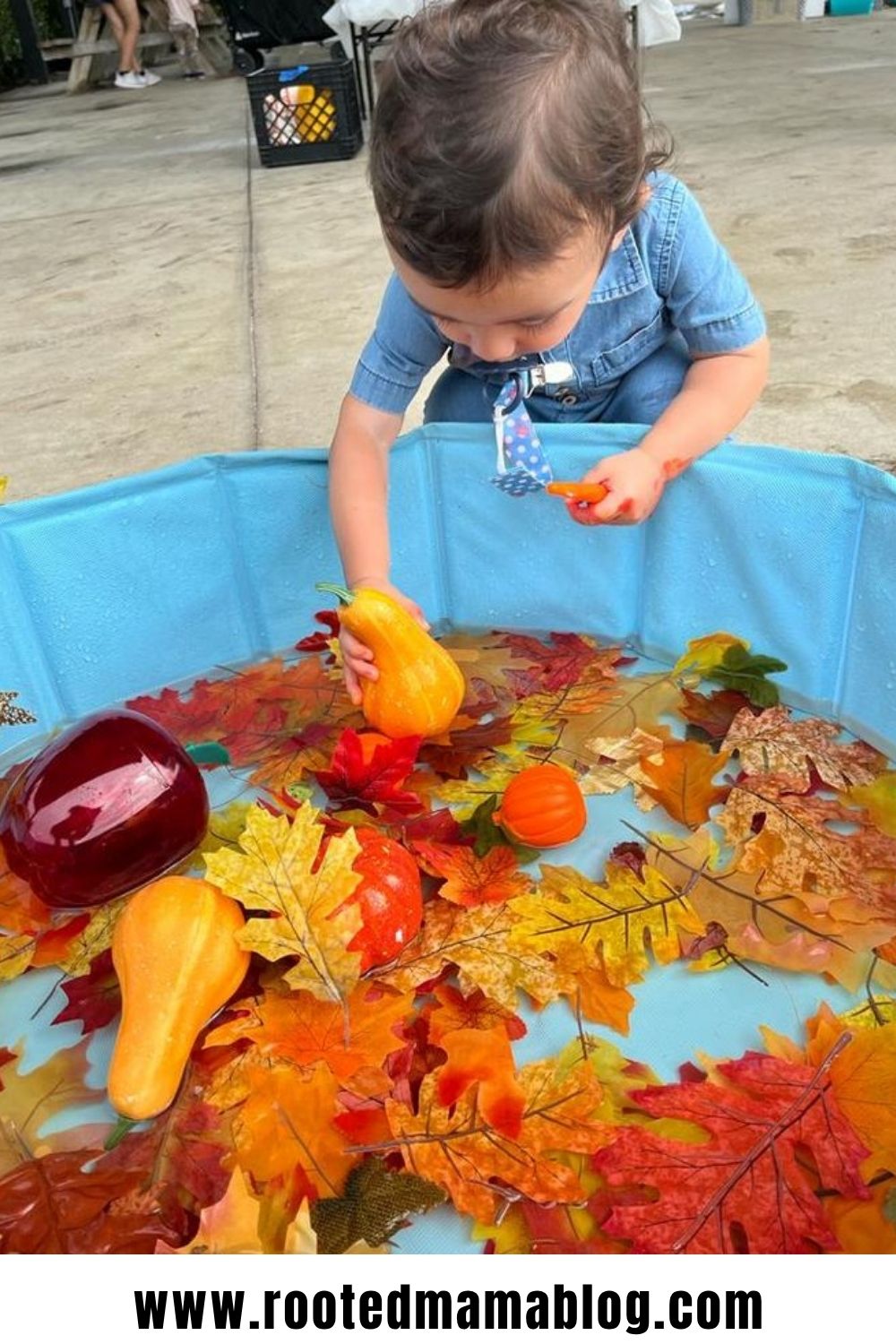
2. Explore a Leaf Sensory Tray
Collect clean, dry leaves in different shapes and sizes. Place them inside a shallow tray for your child to investigate. Encourage your child to touch, crumble, move, and compare the leaves. Talk about their shapes, textures, and sizes.
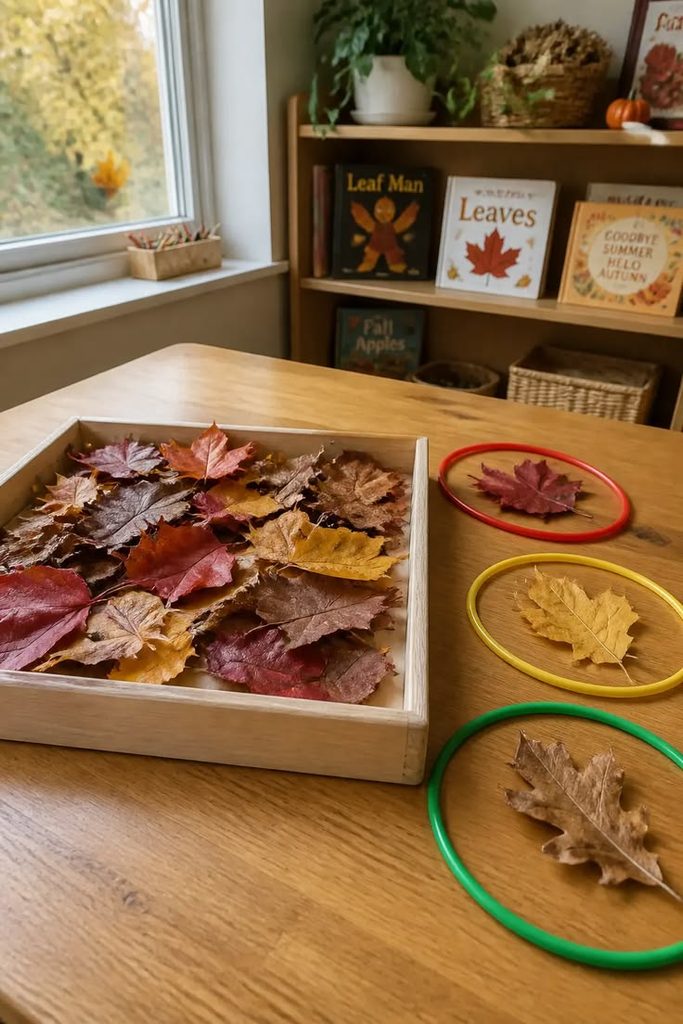
You can also add small bowls for sorting. This turns a simple exploration activity into a learning opportunity. For another creative leaf project, 31 Leaf Crafts for Kids That Turn Fall Walks Into Creative Fun can provide inspiration.
3. Make an Apple-Scented Sensory Bin
Apples can provide several sensory experiences for toddlers. Their color, smell, texture, and shape make them interesting exploration materials.

Place large apple pieces in a sensory tray with oats. Add spoons, cups, and large containers for scooping. Talk about how apples feel before and after cutting. You can also describe their colors and smells.
Never leave young children unattended with food. Check for allergies and use age-appropriate pieces when necessary.
4. Set Up a Pumpkin Scoop Station
Pumpkins can create a wonderfully engaging sensory experience. Cut a pumpkin open and remove the seeds before inviting your child to explore.

Let your child touch the inside with clean hands. Provide spoons and bowls for transferring pumpkin pulp. The slippery texture may surprise them. This can encourage curiosity while providing a memorable hands-on experience.
Place everything on a washable surface. Keep towels nearby because sensory play can quickly become messy.
5. Make a Cinnamon Sensory Dough
Homemade sensory dough can provide a soft and satisfying experience. Add a small amount of cinnamon for seasonal scent. Let your child squeeze, roll, flatten, and shape the dough. Provide cookie cutters for additional opportunities to explore.

Talk about the dough’s texture while your child plays. Encourage them to describe whether it feels soft, sticky, smooth, or firm. Check ingredients carefully if your child has allergies. Supervise younger children throughout the activity.
6. Create a Fall Color Sorting Activity
Color sorting combines sensory exploration with early learning. Gather objects in colors such as orange, brown, yellow, green, and cream. Place matching containers beside the objects. Ask your child to move each item into the matching container.
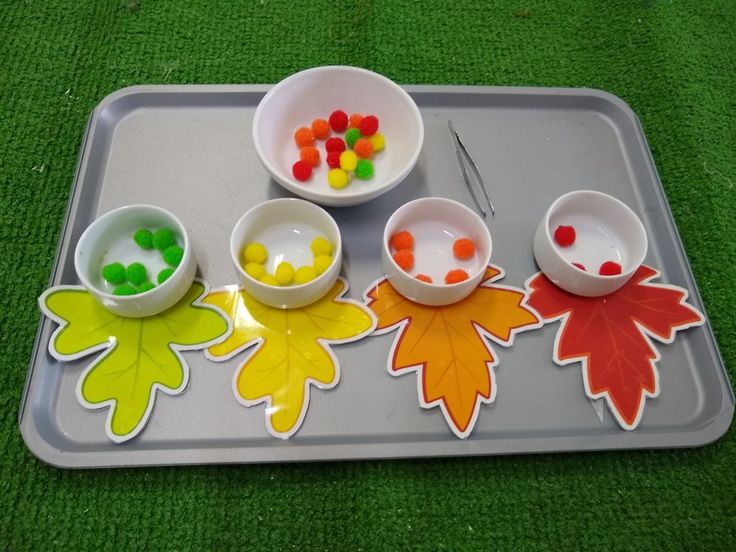
Keep the objects large enough for safe handling. Avoid small pieces that could become choking hazards. You can turn sorting into a simple conversation. Ask your child to name colors and compare different objects.
7. Make a Squishy Pumpkin Bag
A sealed sensory bag can provide mess-free exploration. Fill a strong resealable bag with pumpkin puree or orange-colored gel. Remove excess air before sealing it securely. Reinforce the closure with strong tape for extra protection.
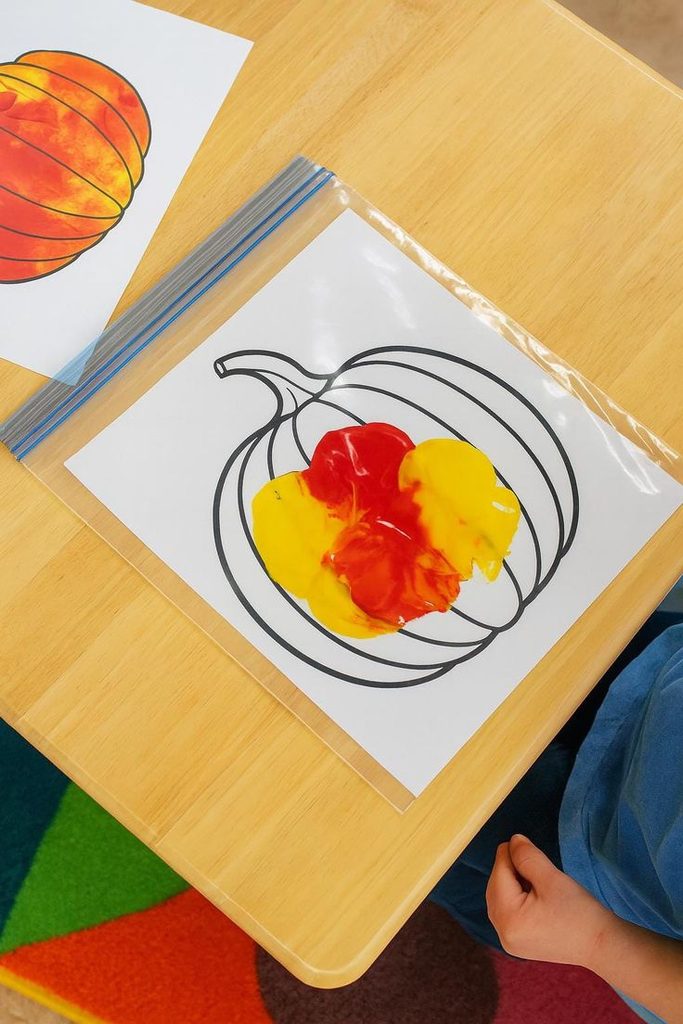
Place the bag on a flat surface. Your child can press, squish, and move the contents around. This option works well when you want Fall Sensory Activities without a major cleanup afterward. Check the bag frequently for leaks or damage. Replace it immediately if the seal becomes compromised.
8. Explore a Corn Sensory Tub
Corn can create an interesting texture for sensory exploration. Use large, age-appropriate materials and supervise closely. Add measuring cups, spoons, funnels, and containers. Let your child scoop and transfer the materials between containers.
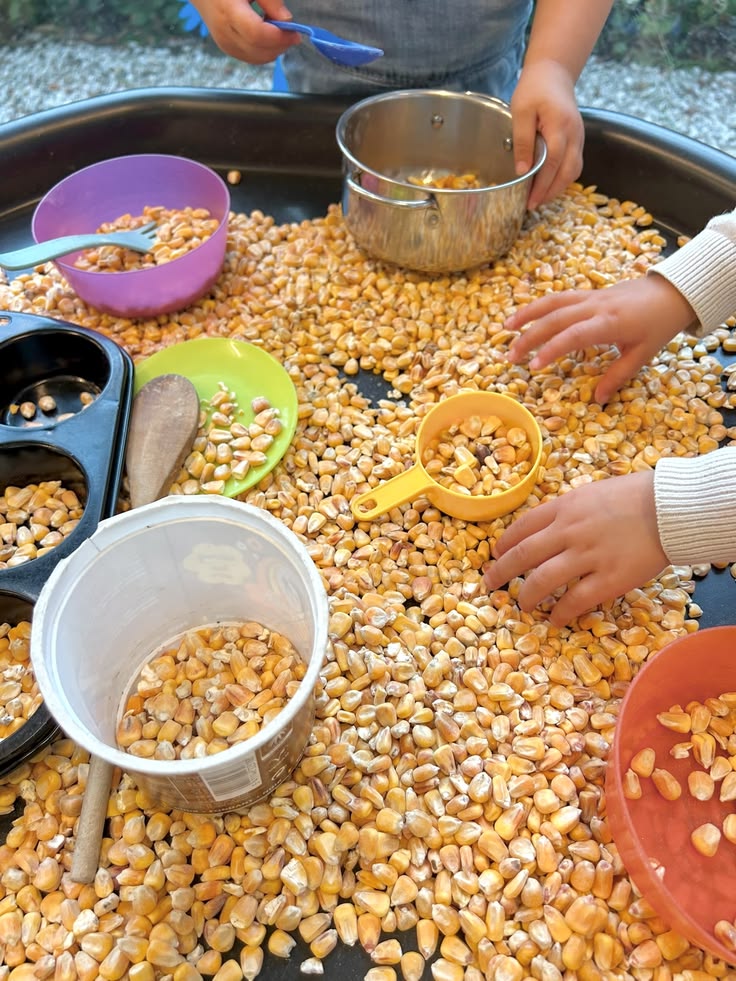
You can introduce simple words such as full, empty, heavy, light, and more. Keep the activity contained inside one large tub. This helps reduce spills across your floor. For more easy activities, 25 Indoor Activities for Kids That Beat Boredom offers additional options for busy days.
9. Make a Leaf Printing Station
Leaf printing combines sensory exploration with creativity. Gather several clean leaves with different shapes and textures. Provide washable paint and sturdy paper. Let your child press leaves into paint before placing them onto paper.

Encourage them to notice the patterns created by the leaf veins. Each print can look completely different. Keep colors simple if your child becomes overwhelmed easily. Two or three colors can provide plenty of creative possibilities.
10. Create an Oatmeal Sensory Tray
Dry oats create a soft texture that many children enjoy exploring. Pour a small amount into a shallow tray. Add large spoons, cups, bowls, and safe kitchen utensils. Encourage your child to scoop and transfer the oats.

You can hide larger objects inside the oats for children to discover. Make sure every hidden object remains safe for your child’s age. Use a tray with raised edges to contain spills. A quick vacuum afterward can make cleanup manageable.
11. Explore Fall Textures
Create a texture tray using several safe household materials. Try adding fabric, wood, leaves, felt, and smooth objects. Let your child touch each item at their own pace. Ask questions about how each material feels.
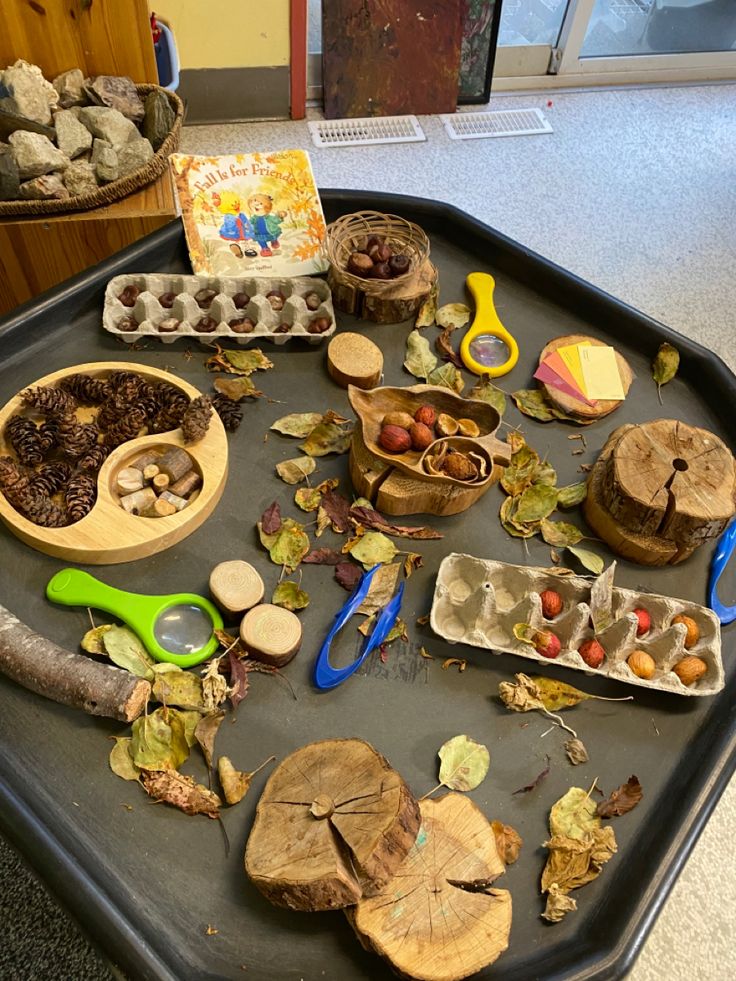
Words like rough, soft, smooth, bumpy, and hard can build vocabulary. Keep the conversation playful rather than turning it into a lesson. You can also let your child choose their favorite texture. This gives them more control over the activity.
12. Make a Fall Water Play Station
Water play can become a simple sensory activity with minimal preparation. Fill a shallow container with a small amount of water. Add cups, spoons, sponges, and large floating objects. Let your child pour, squeeze, splash, and transfer water.
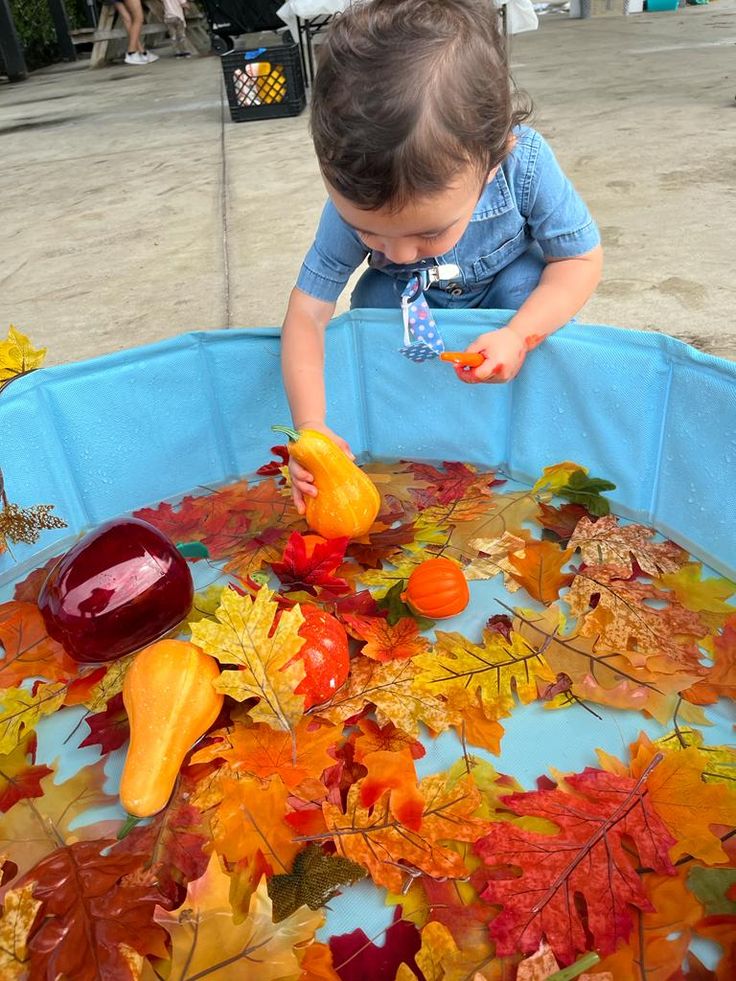
Place a towel underneath the container. This helps manage spills while keeping the activity enjoyable. You can add washable fall-colored objects for extra visual interest. Always supervise children closely around water.
13. Create a Pumpkin Washing Station
Use small pumpkins for a playful washing activity. Place them inside a shallow tub with a small amount of water. Give your child a sponge and soft brush. Let them wash the pumpkins and move them around the container.

This activity combines water, texture, movement, and imaginative play. It can also introduce simple cleaning routines. Keep the water level low. Supervision remains essential throughout the activity.
14. Make a Fall Scent Discovery Tray
Young children can explore familiar scents through a supervised discovery tray. Use safe household ingredients that your child already knows. Consider cinnamon sticks, orange peel, vanilla, or whole cloves. Keep each item in a separate container for smelling.
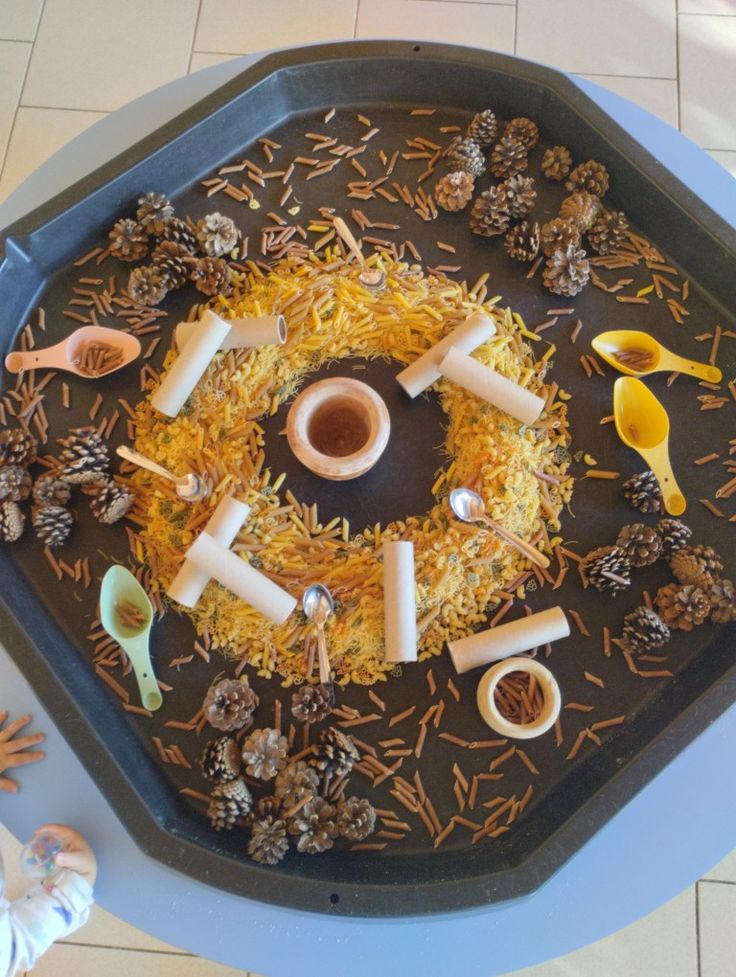
Ask your child to describe each scent. They might say sweet, strong, fresh, or familiar. Never allow children to taste the materials. Keep ingredients securely contained during the activity.
15. Create a Homemade Leaf Soup
Leaf soup encourages imaginative play alongside sensory exploration. Fill a large bowl with water and clean leaves. Add large spoons, cups, and containers. Your child can stir, scoop, and pretend to prepare a special recipe.
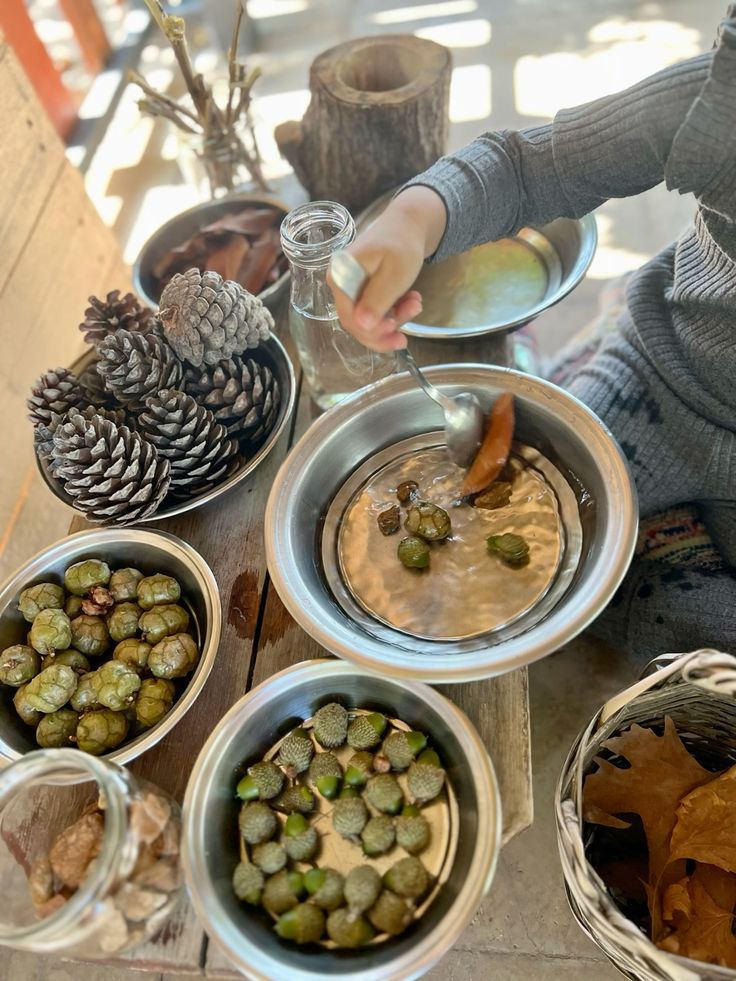
You can join the game by asking what they are cooking. This encourages language development and imaginative storytelling. Use only clean materials and safe containers. Keep the water shallow and supervise continuously.
16. Make a Fall Rice Sensory Bin
Dry rice provides another simple sensory material. Add it to a large container with cups and scoops. Include large seasonal objects for sorting and discovery. You can use wooden shapes, large leaves, or child-safe decorations.
Encourage your child to fill and empty containers. These repeated actions can keep young children engaged. Rice can spread quickly, so choose an easy-to-clean location. A large play mat can make the experience more manageable.
17. Explore Apple Dough
Use homemade or store-bought play dough for an apple-themed activity. Add large apple-shaped cutters if available. Your child can roll, flatten, press, and cut the dough. These actions provide opportunities to strengthen small hand muscles.
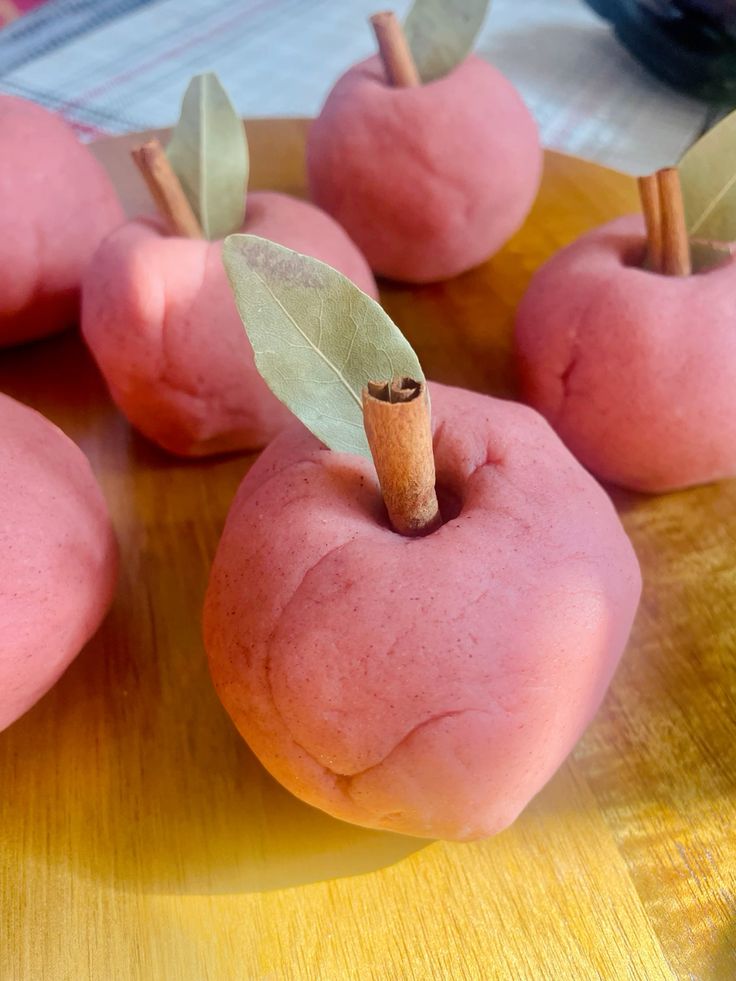
Talk about apples while they play. Ask questions about their color, shape, size, and texture. You can also create pretend apple pies. This adds imaginative play without requiring complicated materials.
18. Create a Nature Treasure Basket
A treasure basket can introduce children to safe natural textures. Fill it with larger items such as leaves, pinecones, and smooth wood pieces. Let your child investigate each object independently. Encourage them to touch, compare, and arrange the materials.
Talk about where each item comes from. This can help children connect sensory play with the natural world. Inspect everything carefully before use. Remove sharp, broken, or unsuitable objects immediately.
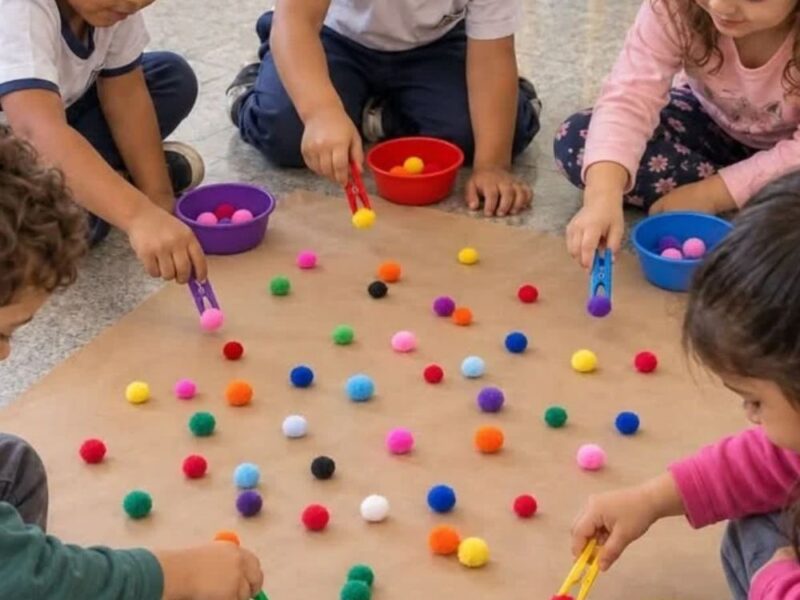
19. Make a Fall Pom-Pom Transfer Activity
Large pom-poms can create a colorful transfer activity. Choose pieces that are appropriate for your child’s age. Place them inside a bowl with large cups and spoons. Let your child move them between different containers.

You can use fall colors to make the activity visually appealing. Orange, yellow, brown, and cream can create a simple seasonal palette. Avoid using small pieces with children who still mouth objects. Supervision should always match your child’s developmental stage.
20. Create a Fall Foam Play Tray
Foam can provide an interesting texture for sensory exploration. Use a child-safe option and keep the activity supervised. Place foam inside a shallow tray. Add large toys, spoons, or cups for children to explore.
Your child can squeeze, spread, scoop, and move the foam. These actions create different tactile experiences. Keep the tray away from the child’s face. Stop the activity if irritation or discomfort occurs.
21. Make a Leaf and Oat Sensory Mix
Combine dry oats with clean, dry leaves for a simple sensory mixture. Add large scoops and containers for transferring. The leaves provide different textures against the soft oats. Your child can explore both materials while practicing scooping.

You can also ask them to separate the leaves from the oats. This introduces an easy sorting challenge. Keep the activity on a washable surface. Store leftover materials safely after playtime.
22. Create a Fall Sensory Bottle
A sensory bottle can provide visual exploration without creating a messy play area. Fill a sturdy bottle with safe materials. Try using water, colorful leaves, glitter, or large decorative pieces. Seal the lid securely and reinforce it when appropriate.
Let your child shake, roll, and observe the bottle. Talk about what moves quickly and what moves slowly. Inspect the bottle regularly for cracks or loose parts. Replace it if it becomes damaged.
23. Try a Pumpkin Seed Transfer Activity
Clean pumpkin seeds can become part of a supervised transfer activity. Use large containers and tools that match your child’s age. Let your child move the seeds using spoons or cups. Encourage them to fill containers and empty them again.
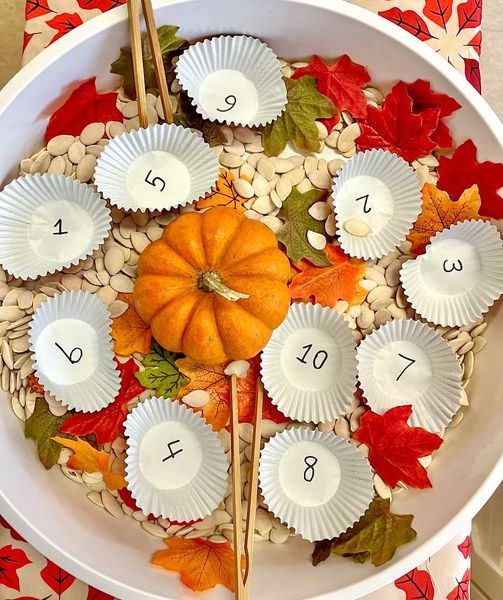
This repetitive activity can hold attention for surprisingly long periods. It also creates opportunities to practice hand control. For younger toddlers, consider larger alternatives. Small loose materials may present choking risks.
24. Make a Fall Sponge Painting Tray
Cut large sponges into simple shapes if appropriate. Dip them into washable paint and let your child stamp paper. Choose seasonal colors such as orange, yellow, brown, and green. Let your child experiment with different combinations.
The sponge texture adds another sensory element. Children can feel the sponge while watching each print appear. Protect the table before starting. Keep cleanup supplies nearby so you can finish without stress. For another creative activity, 21 Fun Painting Ideas for Kids That Spark Creativity offers more inspiration.
25. Create a Cozy Fabric Sensory Basket
Fill a basket with fabrics featuring different textures. Include soft cotton, fleece, felt, and other child-safe materials. Let your child pull out each piece and compare them. You can describe the textures together.
Ask which fabric feels softest. Then ask which one they would choose for a blanket. This activity works well during quieter play periods. It requires almost no setup or cleanup.
26. Make a Fall Scoop and Pour Station
Scooping and pouring can provide endless entertainment for young children. Use dry oats, rice, or another age-appropriate material. Provide several containers with different sizes. Your child can experiment with filling and emptying each one.
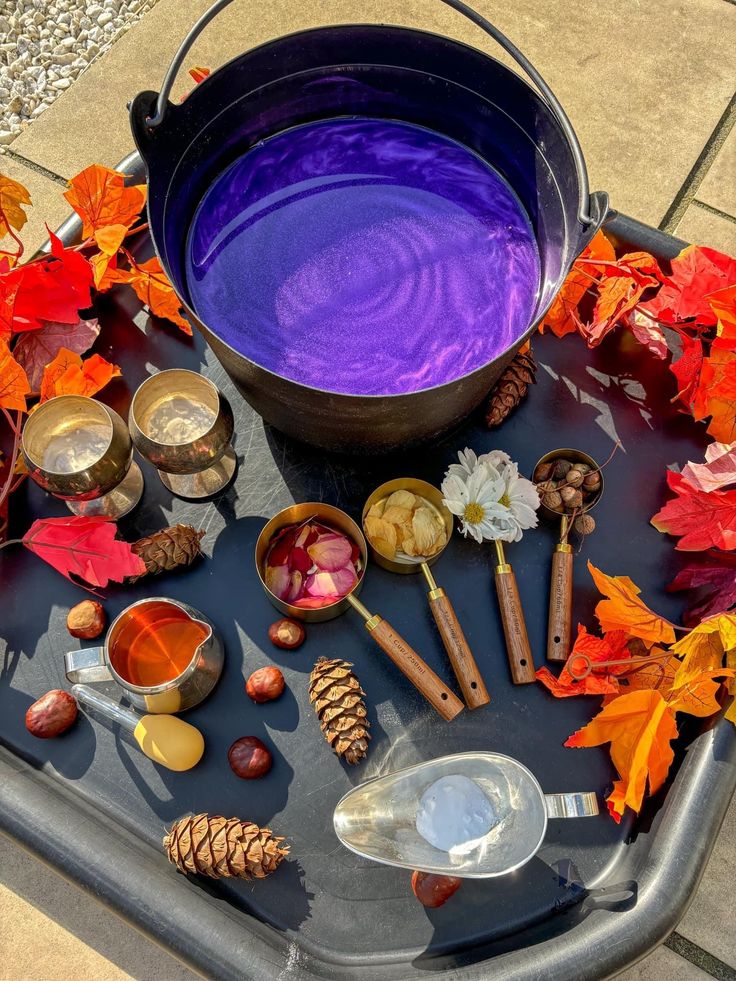
Talk about quantities while they play. Words like more, less, full, empty, and half can naturally enter the conversation. For more hands-on projects, 21 Easy Crafts Kids Can Make at Home offers activities that encourage creativity.
27. Create a Fall Cloud Dough Tray
Cloud dough can provide a soft, crumbly sensory experience. Use a child-safe recipe with ingredients appropriate for your household. Place the mixture inside a shallow tray. Add large cups, spoons, and simple molds.
Let your child squeeze and shape the mixture. They can also create pretend cakes, pies, or seasonal treats. Keep the activity supervised because young children may try tasting unfamiliar materials. Stop immediately if your child experiences irritation.
28. Set Up a Fall Sorting Basket
Sorting baskets can make sensory play more purposeful. Gather large objects that differ in color, shape, or texture. Ask your child to group similar items together. Start with one simple category before introducing additional challenges.
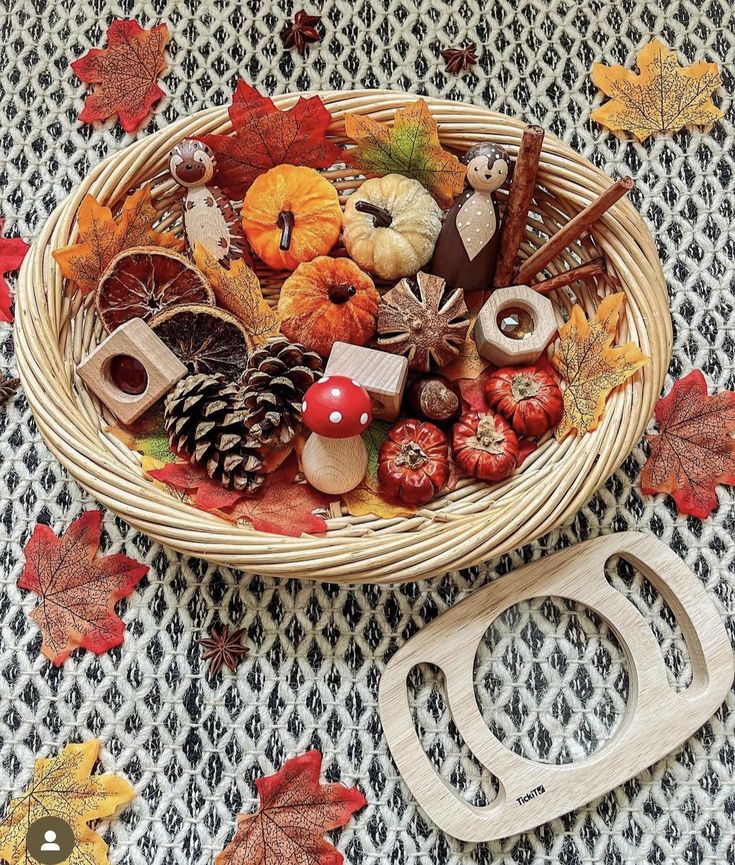
You can sort by color first. Later, try sorting by size or texture. This activity can grow with your child’s abilities. Preschoolers may enjoy creating their own sorting rules.
29. Make a Fall Sticky Wall
A sticky wall can provide mess-free sensory exploration. Use removable contact paper with the sticky side facing outward. Secure it carefully at your child’s height. Provide large leaves, fabric pieces, or paper shapes.
Your child can press objects onto the surface. They can also remove and rearrange them repeatedly. This activity encourages hand coordination and visual planning. Keep small objects away from children who still mouth materials.
30. Create a Fall Sensory Craft Tray
Combine several simple materials inside one activity tray. Include leaves, paper shapes, washable crayons, fabric, and large natural objects. Let your child decide what to create. Avoid giving too many instructions during open-ended play.

They might make a pretend tree or seasonal picture. Another child might simply sort and arrange everything. That freedom is part of the fun. Sensory activities do not always need a finished product.
For additional creative inspiration, 41 Paper Crafts Kids Never Get Bored Of can give you more ideas.
31. Build a Simple Fall Discovery Table
Finish your collection with a small discovery table. Choose a safe surface where your child can explore independently. Add a few seasonal materials and rotate them regularly. You could include leaves, pumpkins, fabric, books, and large sensory tools.
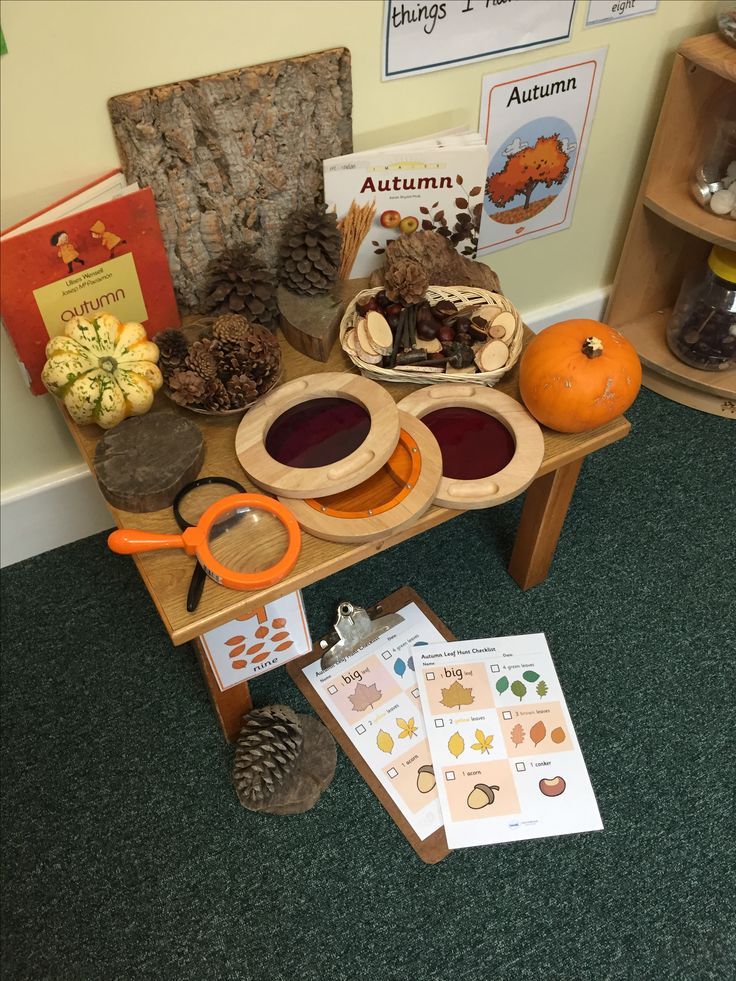
Do not overload the table with too many choices. A small selection often encourages deeper exploration. Change the materials when your child loses interest. This keeps the setup fresh without requiring an entirely new activity.
You can also invite siblings to participate. Just make sure every item suits the youngest child’s developmental stage.
How to Make Fall Sensory Activities Easier for Busy Parents
Fall Sensory Activities should not become another source of stress. You can simplify the process by preparing small activity kits.
Keep containers, scoops, trays, and washable tools together. Then you can create an activity quickly when your child needs something engaging. Choose materials that clean up easily. Dry oats, fabric, water, and play dough can work well.
You can also reuse the same supplies in several activities. This saves money and reduces the amount of storage you need.
If your children need more independent options, How to Create a Screen-Free Routine Your Kids Will Actually Enjoy can help you build a practical routine.
How to Keep Sensory Play Manageable
Mess should not prevent you from trying Fall Sensory Activities. A few simple boundaries can make sensory play much easier. Use one designated area for messy activities. A washable mat can protect your floor and simplify cleanup.
Keep towels, wipes, and storage containers nearby. This lets you handle spills without interrupting your child’s play. You can also set a simple rule about keeping materials inside the tray. Repeat the rule calmly before every activity.
Most importantly, choose activities that match your child’s age. Supervise closely, especially when activities involve food or small objects.
Turn Sensory Play Into Family Time
Sensory activities do more than keep children occupied. They can create opportunities for conversation, creativity, and shared experiences. Sit nearby while your child explores. Ask simple questions without controlling every part of their play.
You can say, “How does that feel?” or “What happens when you pour this?” Let their answers guide the conversation.
You can also connect activities with family traditions. 35 Fall Family Traditions That Make Every Year Feel Cozy and Meaningful offers ideas for creating lasting seasonal memories.
Do not worry if your child plays differently than expected. Open-ended exploration is often the most enjoyable part.
Final Thought
Fall Sensory Activities can turn simple household materials into exciting experiences for toddlers and preschoolers. You do not need elaborate supplies or complicated activity plans. A tray, a few safe materials, and your child’s curiosity can create meaningful play.
Remember that every child explores differently. Some children may love messy textures, while others prefer sorting and transferring. Follow their interests and adjust activities when necessary. Most importantly, prioritize age-appropriate materials and close supervision during every sensory activity.
Now it is your turn to create a little fall magic at home. Pick one activity, gather what you already have, and invite your child to explore. You may be surprised by how much fun they find in the simplest materials. Choose your favorite idea, set up a small sensory station, and let the exploring begin!