Keeping a toddler entertained for more than a few minutes can feel impossible. Many parents start the day with good plans, only to run out of ideas before lunch. Toys get ignored, attention spans disappear, and boredom quickly turns into whining, messes, or tantrums.
That is why so many parents look for Sensory Bin Ideas that encourage independent play. These simple activities keep little hands busy, spark curiosity, and give parents a chance to catch their breath. Best of all, most Sensory Bin Ideas are inexpensive and easy to create with items already found at home.
I remember talking to a mom who felt overwhelmed every afternoon. Her toddler constantly moved from one activity to another and never seemed satisfied. One day, she came across 25 Indoor Activities for Kids That Beat Boredom while searching for new ways to keep her child engaged.
She decided to try a sensory bin filled with colored rice, measuring cups, and toy animals. To her surprise, her toddler spent nearly an hour exploring, scooping, and sorting. That simple activity gave her a peaceful break and showed her how powerful sensory play could be.
Another parent shared a similar experience after reading How to Create a Screen-Free Routine Your Kids Will Actually Enjoy. She wanted fewer screens and more meaningful playtime but struggled to find activities that held her toddler’s attention.
After introducing sensory bins into her daily routine, she noticed her child became calmer, more focused, and excited to learn through play. If you are tired of hearing “I’m bored” or constantly searching for fresh activities, these Sensory Bin Ideas may be exactly what you need. In this guide, you will discover creative ways to keep toddlers entertained, learning, and happily engaged for much longer.
Why Sensory Bin Ideas Work So Well for Toddlers
Before exploring specific Sensory Bin Ideas, it helps to understand why they work so well. Toddlers learn through touching, moving, pouring, digging, and exploring. They are naturally curious about the world around them. Traditional toys often have only one purpose, but sensory bins allow children to play in countless ways. Every scoop, pour, and discovery feels new and exciting.
One reason parents love Sensory Bin Ideas is their ability to hold a toddler’s attention longer. Instead of quickly moving from one toy to another, children become absorbed in the experience. They focus on textures, colors, shapes, and movements. This type of play encourages concentration and problem-solving while feeling completely fun.
Sensory play also supports important developmental skills. As toddlers scoop rice, pick up pom-poms, or sort objects, they strengthen fine motor skills. These movements help prepare little hands for writing, drawing, and other future tasks. At the same time, sensory exploration builds language skills as children learn new words to describe what they see and feel.
Many parents notice that sensory bins can also reduce boredom-related meltdowns. A busy toddler is often a happier toddler. When children have engaging activities available, they are less likely to seek entertainment through mischief. This is one reason sensory bins fit perfectly into How to Build a Daily Routine That Helps Babies and Toddlers Thrive. They provide structured play while encouraging independence.
Another benefit is flexibility. Sensory bins can match seasons, holidays, interests, and learning goals. You can create bins featuring animals, colors, letters, numbers, or nature themes. The possibilities are endless. Families who enjoy creative activities often combine sensory bins with ideas from 50 Easy Kids Activities at Home That Keep Little Ones Busy to create a variety of engaging play experiences.
1. Colored Rice Sensory Bin
One of the most popular Sensory Bin Ideas is the classic colored rice bin. It is simple, affordable, and keeps toddlers engaged for surprisingly long periods. The bright colors immediately grab their attention, while the texture encourages endless scooping, pouring, and digging.
Fill a large container with colored rice and add measuring cups, spoons, funnels, and small containers. Toddlers love transferring rice from one container to another. They can practice pouring, filling, and dumping while improving hand-eye coordination. Every movement helps strengthen fine motor skills.

To make this sensory bin even more exciting, hide small toys throughout the rice. Toy animals, plastic letters, or colorful pom-poms work well. Encourage your child to search for hidden treasures. This simple addition turns the activity into a fun discovery game.
Parents often appreciate how long this activity holds attention. Unlike many toys that lose their appeal quickly, colored rice provides countless opportunities for exploration. Children can create their own games and play patterns without needing constant direction.
If your child enjoys creative play spaces, you may also love Kids Room Ideas That Make Every Space Feel Magical. A well-designed play area makes sensory activities even more inviting and enjoyable.
2. Water Bead Exploration Bin
Water beads are another favorite among toddlers. Their soft, squishy texture creates a completely different sensory experience. Many children become fascinated by how the beads feel and move through their fingers.
Place hydrated water beads in a large bin and add scoops, cups, and small toys. Toddlers can sort, transfer, and search for hidden objects. The slippery texture encourages sensory exploration while supporting fine motor development.
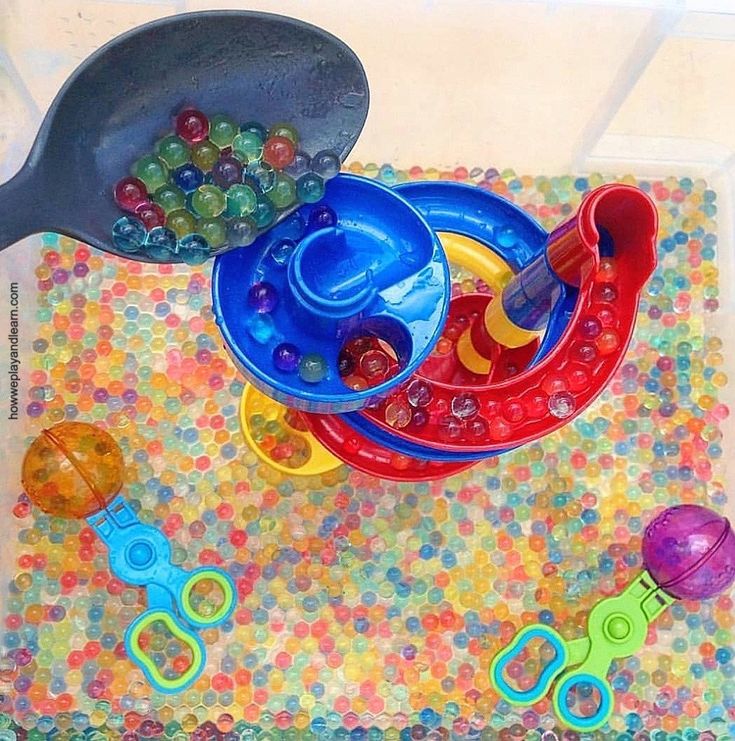
Always supervise this activity closely because water beads can present a choking hazard for younger children. When used safely, they provide a unique sensory experience that many toddlers find irresistible.
The best Sensory Bin Ideas often combine learning and fun. Water bead bins can support color recognition by using multiple bead colors. You can also encourage counting and sorting activities during play.
3. Farm Animal Sensory Bin
Toddlers love animals, which makes this one of the easiest Sensory Bin Ideas to set up. Fill a container with dried oats, shredded paper, or dried beans. Then add plastic farm animals and small toy fences.
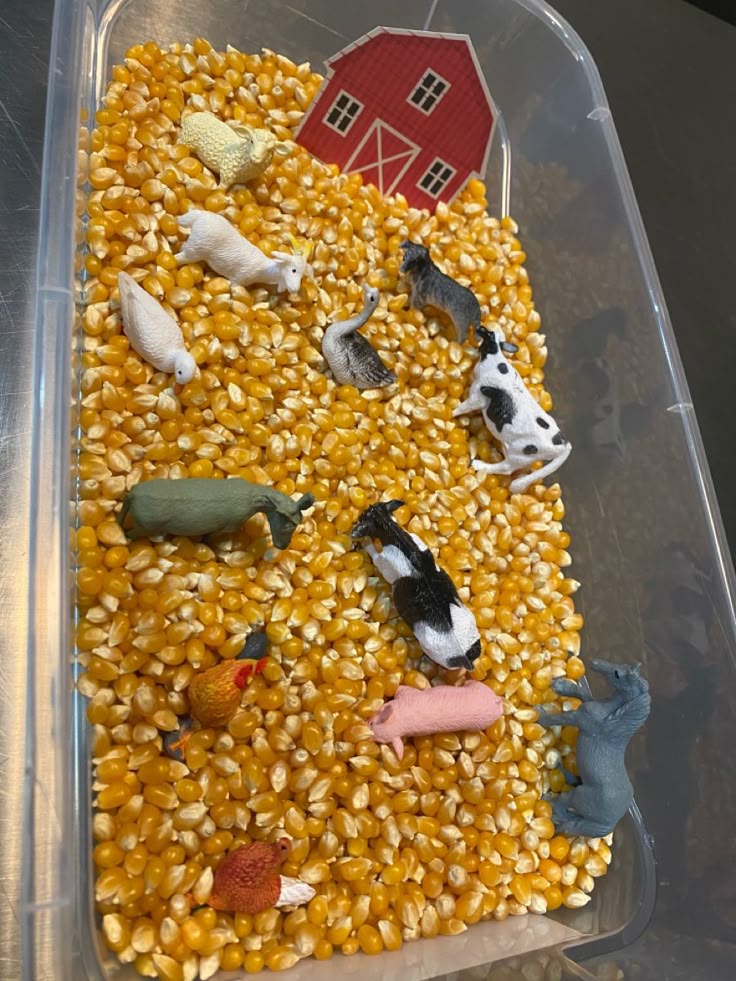
Children can create their own farm scenes while learning animal names and sounds. They may spend long periods moving animals around and creating stories. This type of imaginative play supports language development and creativity.
Ask simple questions during play. Which animal is the biggest? Which animal says moo? These conversations help build vocabulary naturally.
Families who enjoy creative activities often pair sensory play with projects from 41 Paper Crafts Kids Never Get Bored Of. Together, these activities provide hours of screen-free entertainment.
4. Construction Site Sensory Bin
Many toddlers love trucks and construction vehicles. This makes a construction-themed sensory bin an easy win. Fill a bin with kinetic sand, dried beans, or small pebbles. Add toy excavators, dump trucks, and bulldozers.
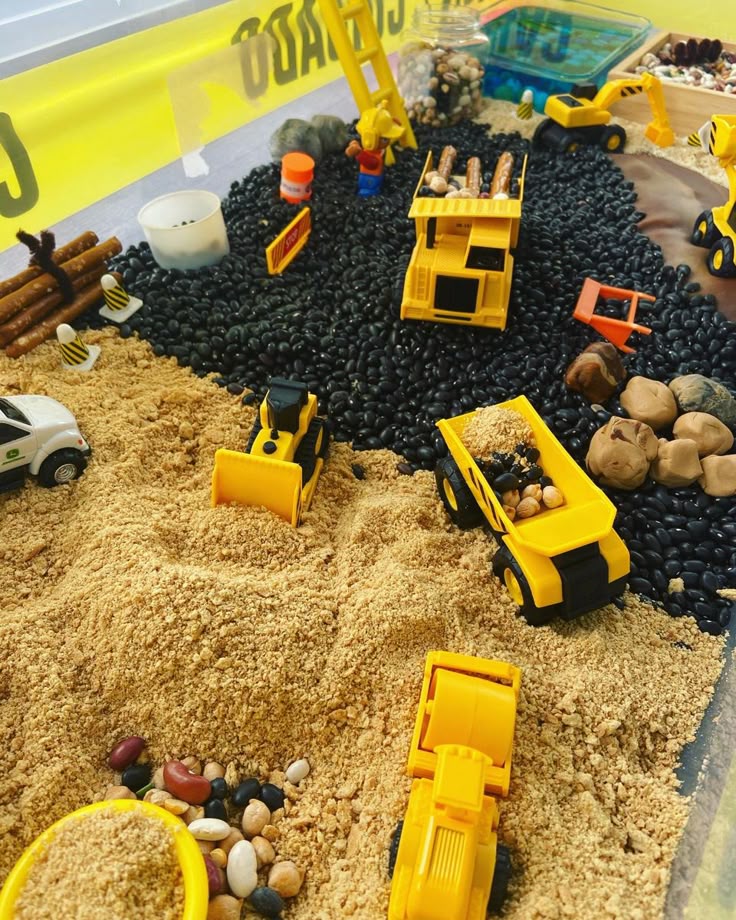
Children can dig, scoop, haul, and build while creating their own construction projects. The combination of vehicles and sensory materials encourages both imaginative play and fine motor practice.
This activity often keeps toddlers busy longer because it gives them a purpose. They are not simply moving materials around. They are building roads, moving dirt, and creating construction sites.
If toy clutter is becoming overwhelming, consider reading 25 Kids Room Organization Ideas That Keep Toys and Clutter Under Control. Organized play materials make activities easier to rotate and enjoy.
5. Ocean Adventure Sensory Bin
An ocean-themed setup is one of the most exciting Sensory Bin Ideas for curious toddlers. Fill a container with blue-colored rice, blue water beads, or kinetic sand. Add toy fish, seashells, dolphins, and small ocean creatures.
Toddlers enjoy digging through the materials to find hidden sea animals. They can sort creatures by size, count shells, or create underwater adventures. The ocean theme encourages imaginative play while introducing children to marine life.
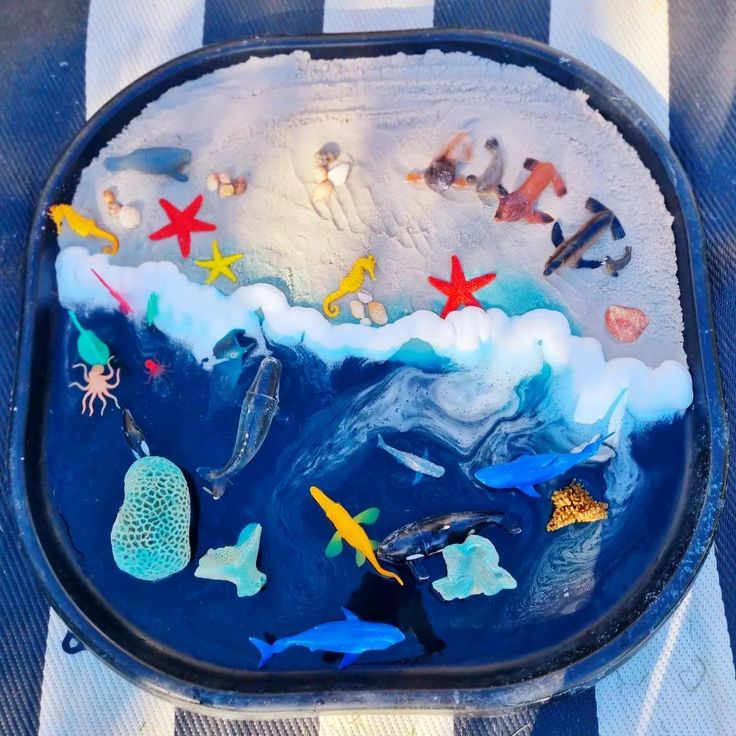
This activity also creates opportunities for learning. You can talk about different sea animals, their colors, and where they live. These simple conversations expand vocabulary and encourage curiosity about nature.
Many parents notice that themed sensory bins keep children engaged longer than generic activities. The theme gives toddlers a story to explore, making the play experience feel fresh and exciting. These first Sensory Bin Ideas are simple to create, yet powerful enough to transform an ordinary afternoon into an engaging learning experience.
6. Dinosaur Dig Sensory Bin
Dinosaur-themed Sensory Bin Ideas are perfect for toddlers who love adventure. Fill a large container with kinetic sand, dried beans, or rice. Hide small dinosaur figures throughout the bin and provide brushes, scoops, and toy shovels.

Toddlers will enjoy digging for dinosaurs and uncovering hidden treasures. The search keeps them engaged while strengthening fine motor skills. You can also encourage counting by asking how many dinosaurs they find.
This activity naturally sparks imagination. Children often create their own dinosaur worlds and stories. The combination of sensory play and pretend play makes this one of the most engaging Sensory Bin Ideas for active toddlers.
7. Rainbow Pom-Pom Sensory Bin
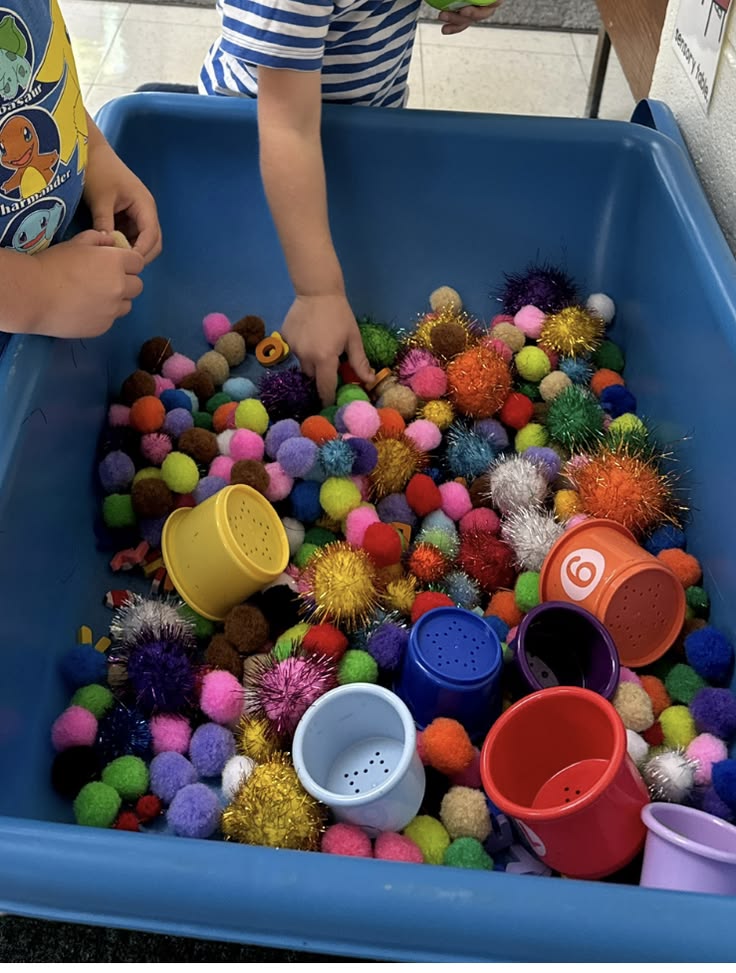
Colorful pom-poms create endless opportunities for learning and fun. Fill a bin with pom-poms in various colors and sizes. Add tongs, cups, bowls, and sorting trays.

Toddlers can sort pom-poms by color, transfer them between containers, or create simple patterns. Using tongs helps strengthen hand muscles needed for future writing skills.
This activity is especially useful for teaching colors. Children learn through play rather than formal instruction. The bright colors also make the sensory bin visually appealing and exciting.
Parents who enjoy educational play often combine activities like this with ideas from 21 Fun Painting Ideas for Kids That Spark Creativity. Both encourage exploration and creative thinking.
8. Nature Treasure Sensory Bin
Nature-inspired Sensory Bin Ideas help toddlers connect with the outdoors. Collect safe natural items such as pinecones, leaves, smooth stones, and large shells. Place them inside a shallow bin for exploration.

Children can sort items by size, texture, or color. They can also use magnifying glasses to examine their discoveries more closely. This activity encourages observation skills and curiosity about nature.
Every item feels different, creating a rich sensory experience. Toddlers enjoy touching rough bark, smooth stones, and crunchy leaves. The variety keeps them interested for longer periods.
This sensory bin works especially well after outdoor walks. It allows children to continue exploring nature even after coming inside.
9. Alphabet Sensory Bin
Learning letters becomes much more exciting with sensory play. Fill a bin with rice, beans, or shredded paper. Hide foam or plastic letters throughout the materials.
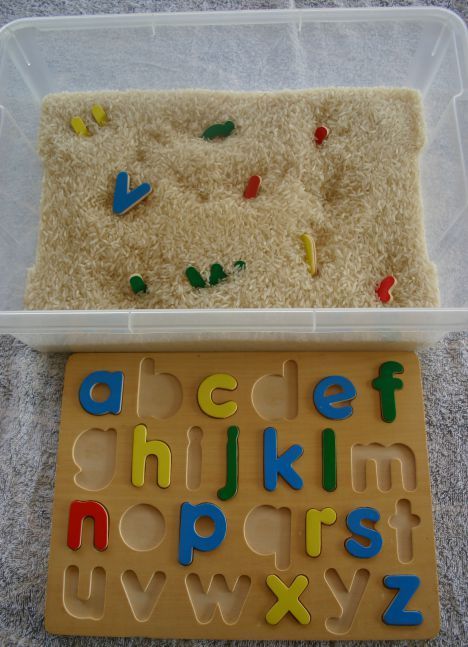
Toddlers can search for letters and identify them as they find them. Younger children can simply enjoy discovering the shapes. Older toddlers may begin matching letters or recognizing those in their names.
This activity combines literacy development with hands-on exploration. It turns learning into a game instead of a lesson. Many parents appreciate activities that support early learning without feeling academic.
The best Sensory Bin Ideas encourage learning naturally. Alphabet bins do exactly that while still feeling fun and playful.
10. Ice and Water Sensory Bin
Few things fascinate toddlers more than ice. Fill a container with ice cubes and a small amount of water. Add cups, spoons, toy animals, or floating toys.
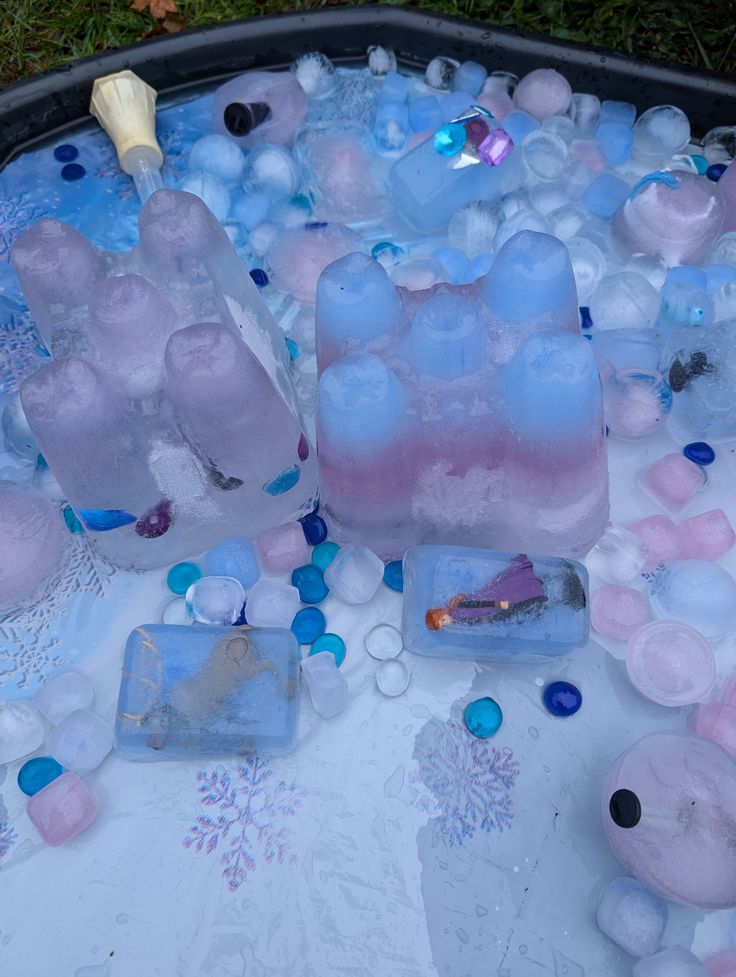
Children love watching the ice melt and feeling the temperature difference. They can scoop ice, transfer water, and observe changes over time. This introduces basic science concepts through play.
For extra excitement, freeze small toys inside the ice. Toddlers will enjoy working to free their hidden treasures. The challenge keeps them focused and engaged.
Families looking for screen-free entertainment often include sensory activities within 31 Family Fun Night Ideas for Staying Home Together. Sensory play can become a fun family activity instead of a solo experience.
11. Pasta Sensory Bin
Dried pasta is inexpensive and easy to use for sensory play. Fill a bin with different pasta shapes and add measuring cups, spoons, and containers.
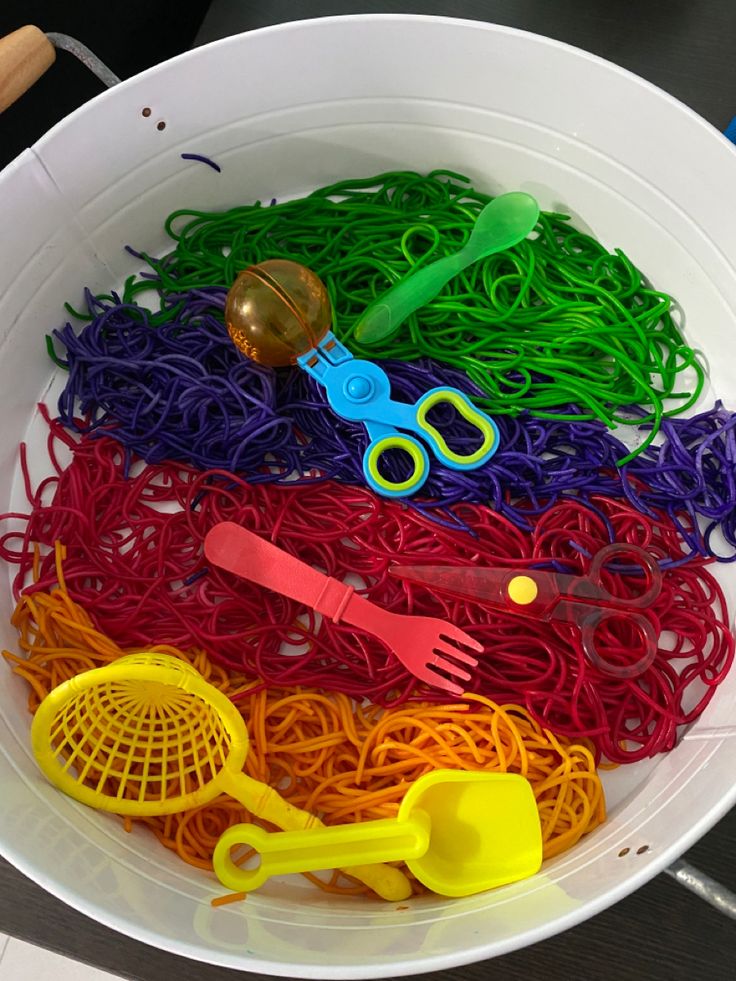
Toddlers enjoy feeling the different textures and comparing the shapes. They can sort pasta types, scoop them into cups, and create simple patterns. The variety keeps the activity interesting.
You can even color the pasta for a more vibrant sensory experience. Bright colors add visual interest and encourage sorting activities.
One reason pasta bins work so well is their simplicity. You do not need expensive materials to create engaging Sensory Bin Ideas. Often, everyday household items provide the best results.
12. Beach-Themed Sensory Bin
Bring the beach indoors with one of the most enjoyable Sensory Bin Ideas. Fill a bin with play sand and add shells, toy sea animals, buckets, and scoops.
Toddlers can dig, build, and explore while pretending they are at the beach. The familiar theme encourages imaginative play and keeps children engaged longer.
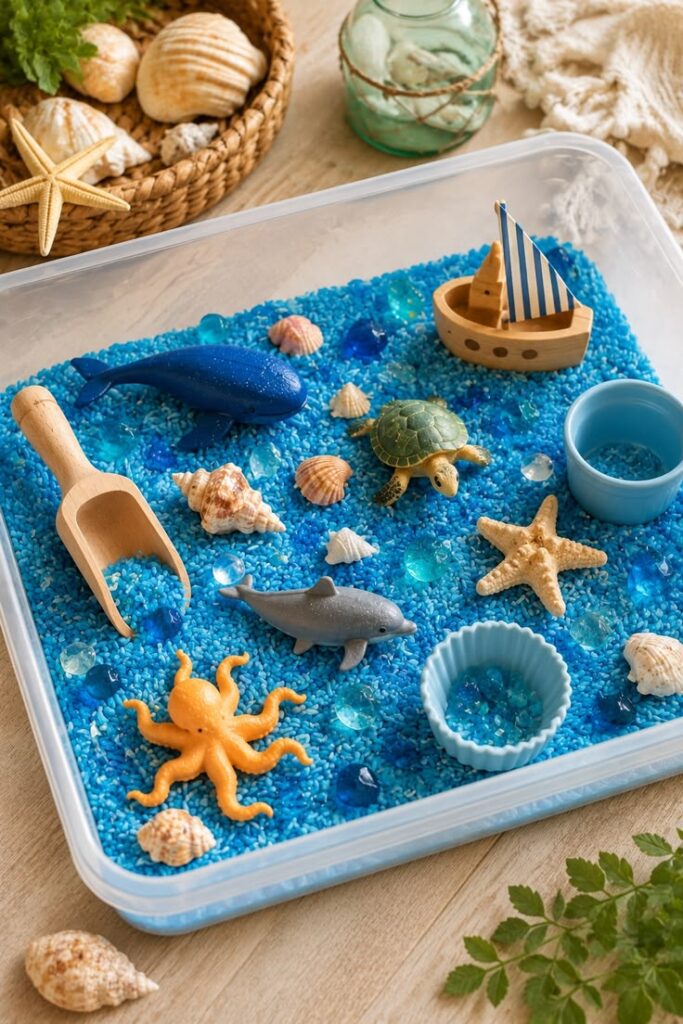
You can hide shells beneath the sand and turn the activity into a treasure hunt. Children love searching for hidden surprises and showing off their discoveries.
Sensory bins become even more exciting when paired with themed spaces. If you are creating a fun environment for your child, you may enjoy 23 Colorful Kids Room Ideas That Spark Creativity and Joy.
These next Sensory Bin Ideas continue proving that simple materials can create powerful learning experiences. With a little creativity, everyday items become opportunities for discovery, skill-building, and independent play.
13. Toy Car Wash Sensory Bin
This is one of the easiest Sensory Bin Ideas to set up. Fill a shallow bin with water and a little bubble soap. Add toy cars, sponges, and small brushes.
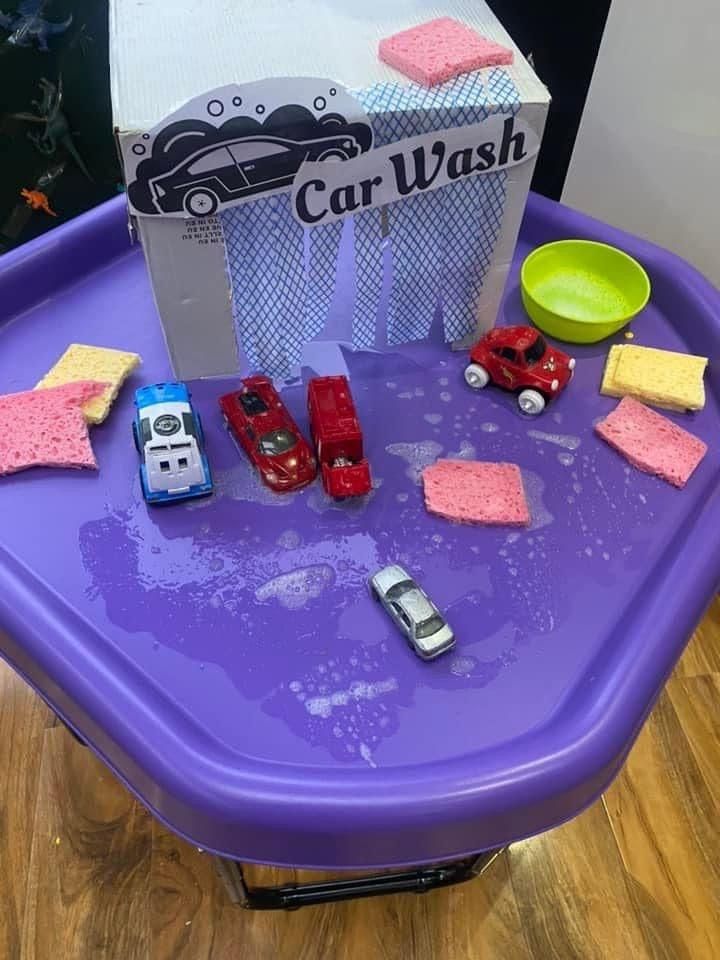
Toddlers love washing, scrubbing, and rinsing their cars. The activity feels like real work, which makes it even more exciting. They can spend long periods cleaning each vehicle and creating their own car wash station.
This sensory bin supports hand strength, coordination, and imaginative play. It also introduces simple life skills through fun activities.
14. Pom-Pom Rescue Sensory Bin
Toddlers love challenges. Place colorful pom-poms inside a muffin tray and cover them with painter’s tape. Then encourage your child to rescue the pom-poms.

@Zoey
The pulling motion strengthens hand muscles and improves coordination. Children enjoy the challenge because it feels like solving a puzzle.
Many parents are surprised by how long this activity keeps toddlers focused. The simple task of removing tape can become completely absorbing.
Activities like these fit perfectly into 50 Easy Kids Activities at Home That Keep Little Ones Busy because they require very little preparation.
15. Bug Hunt Sensory Bin
Little explorers often love insects. Fill a bin with shredded green paper, fake grass, or dried lentils. Hide plastic bugs throughout the materials.
Toddlers can search for insects using toy tweezers, scoops, or magnifying glasses. The hunt encourages concentration and observation skills.

You can also teach simple facts about insects during play. Children learn naturally when information is connected to something fun.
The excitement of discovery makes this one of the most successful Sensory Bin Ideas for curious toddlers.
16. Cotton Ball Cloud Sensory Bin
Soft textures create a completely different sensory experience. Fill a container with cotton balls and add toy airplanes, birds, or weather-themed toys.
Toddlers enjoy squeezing, moving, and piling the cotton balls. The lightweight texture feels unique compared to other sensory materials.

This sensory bin encourages imaginative play. Children can create clouds, storms, or flying adventures while exploring different textures.
It is also a wonderful low-mess option for parents who want simple Sensory Bin Ideas that require minimal cleanup.
17. Treasure Hunt Sensory Bin
Treasure hunts never lose their appeal. Fill a bin with rice, beans, or kinetic sand. Hide coins, jewels, and small treasures throughout the material.
Give your toddler a scoop, spoon, or small shovel. Then let them search for hidden treasures. Every discovery feels exciting and rewarding.
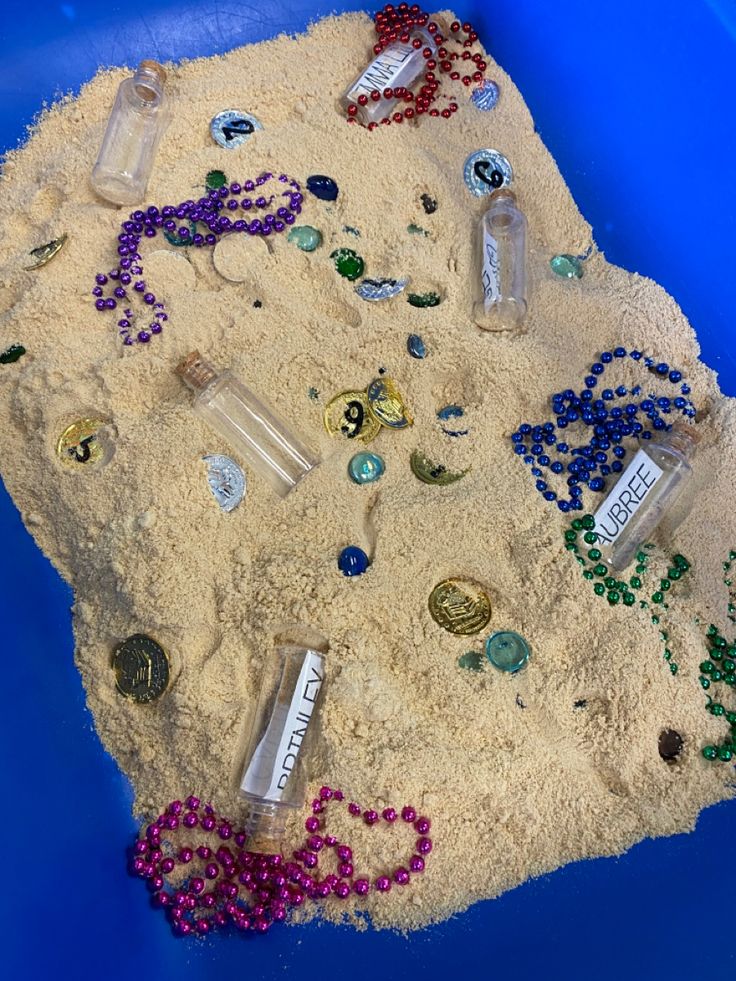
This activity encourages patience and problem-solving. It also helps improve focus because children stay motivated by the possibility of finding something new.
Many parents combine sensory activities with ideas from 31 Family Fun Night Ideas for Staying Home Together because treasure hunts are fun for siblings too.
18. Rainbow Cereal Sensory Bin
Colorful cereal can become one of the most engaging Sensory Bin Ideas. Use brightly colored cereal pieces and provide cups, bowls, and scoops.

Toddlers can sort colors, count pieces, and practice transferring materials. Since the cereal is edible, some parents feel more comfortable using it with younger toddlers.
The bright colors attract attention immediately. Children often spend long periods creating color groups and patterns. This sensory bin also supports early math skills through counting and sorting activities.
19. Garden Sensory Bin
A garden-themed sensory bin introduces children to plants and nature. Fill a container with potting soil alternatives, such as shredded paper or kinetic sand. Add artificial flowers, toy gardening tools, and plastic vegetables.

Toddlers can dig, plant, and harvest while pretending to care for a garden. The activity encourages imaginative play and introduces basic gardening concepts.
Families who enjoy seasonal traditions often pair nature activities with 35 Fall Family Traditions That Make Every Year Feel Cozy and Meaningful. Both encourage children to connect with the world around them.
20. Color Sorting Sensory Bin
Color sorting remains one of the most educational Sensory Bin Ideas. Fill a container with colorful objects such as pom-poms, buttons, blocks, or large beads.
Provide matching colored bowls and encourage sorting. Toddlers practice color recognition while strengthening hand-eye coordination.
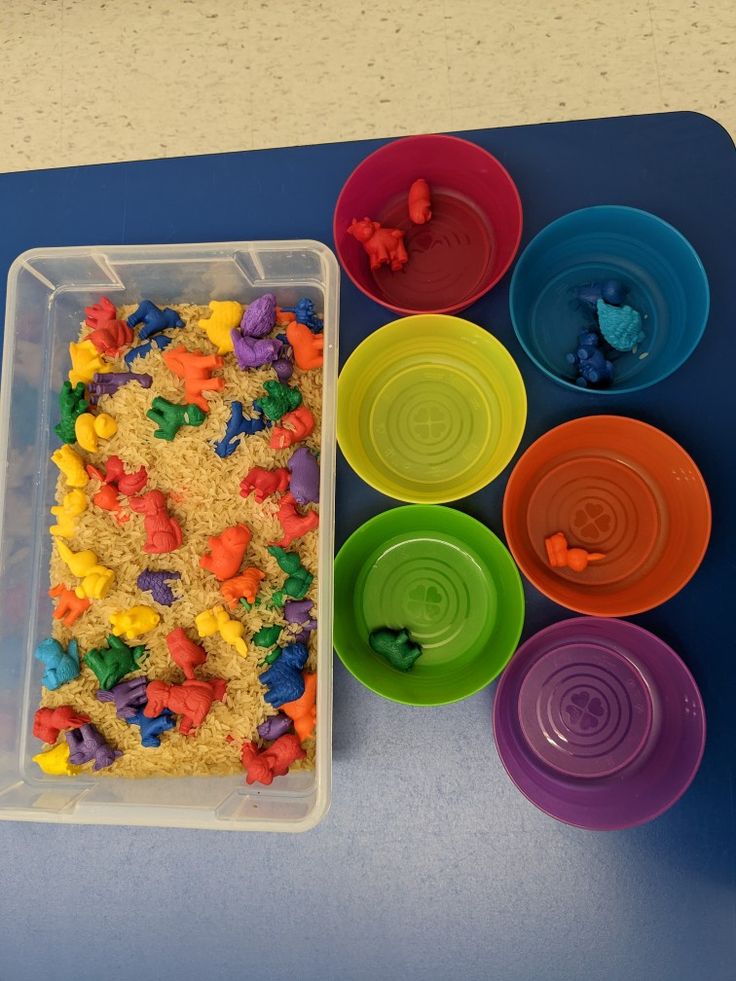
The activity can easily grow with your child. Younger toddlers can focus on matching colors. Older toddlers can count objects and create patterns.
One reason sensory bins work so well is that they adapt to different ages and skill levels. A simple setup can remain useful for months.
These Sensory Bin Ideas continue proving that meaningful play does not require expensive toys. Simple materials, creativity, and curiosity are often enough to keep toddlers happily engaged for much longer.
21. Moon Sand Sensory Bin
Moon sand is one of the most loved Sensory Bin Ideas because of its unique texture. It feels soft, moldable, and satisfying to touch. Toddlers enjoy squeezing, shaping, and breaking it apart repeatedly.

Fill a large container with moon sand and add cookie cutters, cups, scoops, and toy molds. Children can create shapes, build small structures, and experiment with different designs. The possibilities feel endless, which helps keep them engaged longer.
This activity supports creativity while strengthening fine motor skills. Every squeeze and scoop helps develop hand muscles needed for future tasks like writing and drawing.
Many parents notice that sensory activities work best when they are part of a predictable schedule. That is why activities like these fit perfectly into How to Build a Daily Routine That Helps Babies and Toddlers Thrive.
22. Rainbow Button Sensory Bin
Colorful buttons create one of the most visually exciting Sensory Bin Ideas. Use large buttons that are safe for your toddler’s age. Place them in a container with cups, spoons, and sorting trays.

Children can sort by color, size, or shape. They can also transfer buttons from one container to another. These simple actions build coordination and concentration.
The bright colors naturally attract toddlers. They often spend long periods exploring patterns and creating their own sorting games.
Always supervise closely when using small materials. Safety should remain the top priority during sensory play.
23. Arctic Animal Sensory Bin
This winter-themed activity is one of the most creative Sensory Bin Ideas for toddlers. Fill a container with cotton balls, fake snow, or white pom-poms. Add polar bears, penguins, seals, and other arctic animals.
Toddlers can create snowy habitats and explore different animals. They often enjoy making up stories about life in the Arctic.
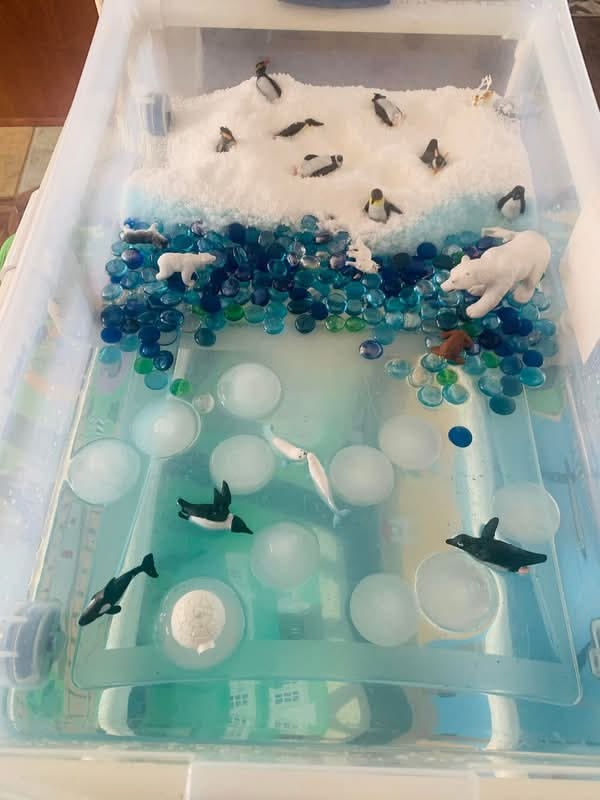
This sensory bin introduces children to new environments and animal types. It combines imaginative play with simple learning opportunities.
Parents looking for engaging educational activities often appreciate sensory bins because they encourage learning without pressure.
24. Baking Sensory Bin
Many toddlers love copying what they see adults doing. A baking-themed sensory bin lets them safely explore that interest. Fill a container with oats, dried rice, or large pasta pieces.

Add measuring spoons, cups, bowls, and toy baking tools. Children can scoop, pour, and pretend to bake. The activity feels realistic and exciting.
This is one of the most practical Sensory Bin Ideas because it teaches useful skills while encouraging independent play. Toddlers learn concepts like measuring, filling, and transferring through hands-on exploration.
Parents who enjoy organized play spaces may also find inspiration in 27 Kids Room Design Ideas That Are Fun, Practical, and Stylish.
25. Letter Matching Sensory Bin
This educational activity transforms learning into play. Hide foam letters inside rice, beans, or shredded paper. Then provide matching letter cards nearby.
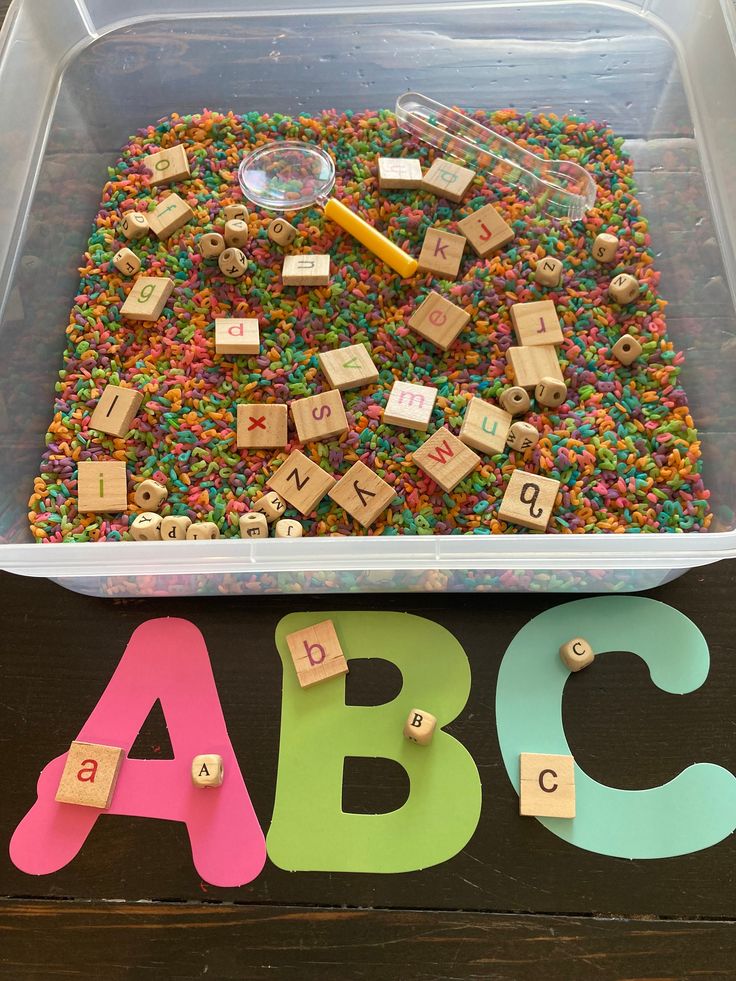
Toddlers can search for letters and place them on the correct cards. Younger children can simply identify letters as they find them. Older toddlers can begin recognizing letters in their names.
The best Sensory Bin Ideas combine fun and learning naturally. Letter matching does exactly that without feeling like schoolwork.
This activity also supports concentration because children stay focused on finding hidden letters.
26. Rainbow Water Sensory Bin
Water play remains one of the easiest ways to keep toddlers entertained. Fill several containers with water dyed in different colors. Add cups, droppers, funnels, and scoops.
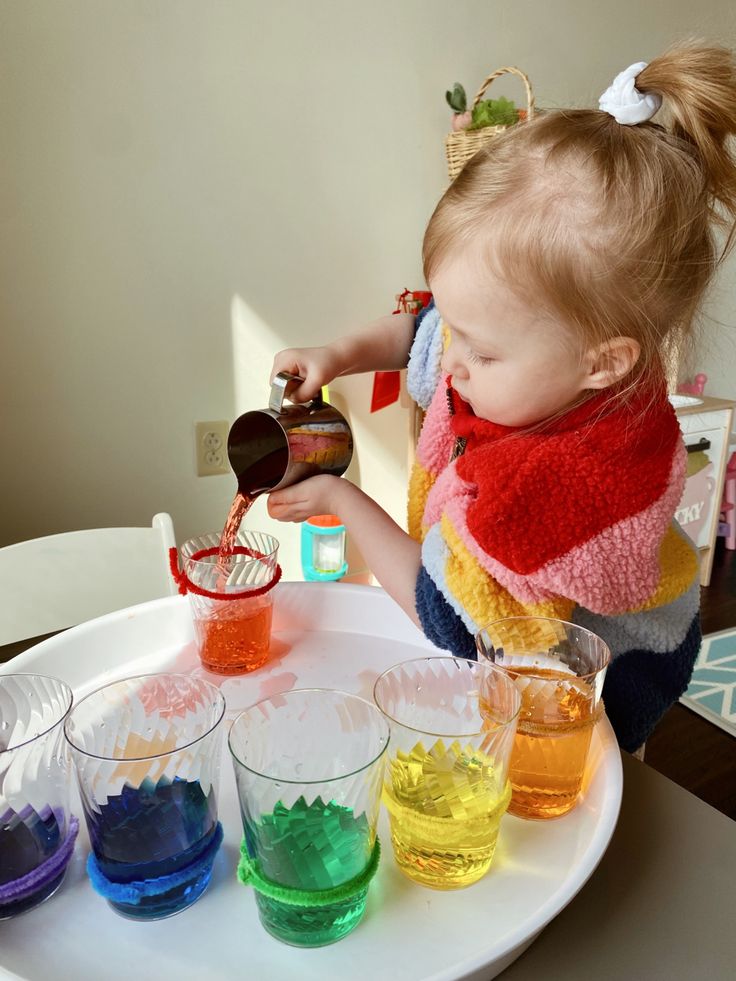
Children can mix colors, pour water, and observe changes. The movement of water captures attention and encourages experimentation.
Toddlers often spend surprisingly long periods transferring water between containers. The activity feels calming while still providing plenty of stimulation.
If your child enjoys creative exploration, you may also love 21 Easy Crafts Kids Can Make at Home for additional screen-free fun.
27. Mixed Sensory Treasure Bin
When in doubt, combine multiple sensory materials into one exciting activity. Fill a container with rice, pom-poms, large beads, craft sticks, and safe textured objects. Then hide small treasures throughout the bin.

Toddlers never know what they will discover next. The variety keeps the activity fresh and interesting. Different textures encourage exploration while hidden treasures add excitement.
This is one of the most versatile Sensory Bin Ideas because you can change the materials whenever needed. Every setup feels like a brand-new activity.
Children who enjoy creative exploration often stay engaged much longer with mixed-material bins because there is always something new to touch, sort, and discover.
Conclusion
Finding activities that truly hold a toddler’s attention can feel challenging. Many toys lose their appeal within minutes, leaving parents searching for new ways to keep little ones engaged. Fortunately, these Sensory Bin Ideas provide a simple solution. They encourage independent play, support learning, and help toddlers explore the world through their senses.
The best part about Sensory Bin Ideas is their flexibility. You can adapt them to your child’s interests, the season, or the materials you already have at home. Whether your toddler loves dinosaurs, animals, water, colors, or treasure hunts, there is a sensory bin that will capture their imagination.
If you are looking for more ways to encourage meaningful play, be sure to check out How to Encourage Good Behavior Without Constantly Yelling or Punishing. Engaged children are often calmer, happier, and more cooperative throughout the day.
Try a few of these Sensory Bin Ideas this week and see which ones become family favorites. You may be surprised by how much learning, creativity, and quiet playtime can come from one simple bin. Your toddler gets a fun adventure, and you get a few peaceful moments to breathe. That sounds like a win for everyone.