Moving into a new home is an exciting milestone, but preparing to welcome guests can quickly become overwhelming. Between unpacking boxes, arranging furniture, cleaning every room, and deciding what to serve, it is easy to feel as though there is never enough time to get everything ready.
That is why having a Housewarming Checklist can make such a difference. Instead of rushing around at the last minute or worrying about what you might have forgotten, you can follow a simple plan that helps you prepare your home, organize the essentials, and welcome your guests with confidence.
A few days before your housewarming gathering, you might notice that the living room still needs attention, the kitchen is not fully organized, and you have not decided where everyone will sit. These are common challenges, especially when you are still settling into a new space.
A practical Housewarming Checklist helps you focus on the tasks that matter most, from decluttering and cleaning to planning refreshments and creating a comfortable atmosphere.
If you are still deciding how to make your celebration memorable, explore Housewarming Party Ideas: 15 Fun Ways to Celebrate Your New Home for inspiration that can help you plan a gathering your guests will enjoy.
Most importantly, remember that your home does not have to look perfect before you open the door. Your guests are coming to celebrate this exciting new chapter with you, not to inspect every corner or judge whether you have finished unpacking.
By preparing a little at a time, choosing simple decorations, and thinking about what will make everyone comfortable, you can enjoy the occasion without unnecessary stress.
This Housewarming Checklist will guide you through the essential steps to take before guests arrive, helping you create a welcoming space where conversations flow, delicious food is shared, and meaningful memories begin.
For more ways to make your new space feel inviting, take a look at 29 Housewarming Décor Ideas That Make a New Home Feel Warm and Welcoming and discover easy touches that can make your home feel special.
The Ultimate Housewarming Checklist
1. Set Your Housewarming Date and Create a Simple Plan
The first step in your Housewarming Checklist is choosing a date that gives you enough time to prepare without feeling rushed. If you have only recently moved in, you may still be unpacking, arranging furniture, or handling small repairs.
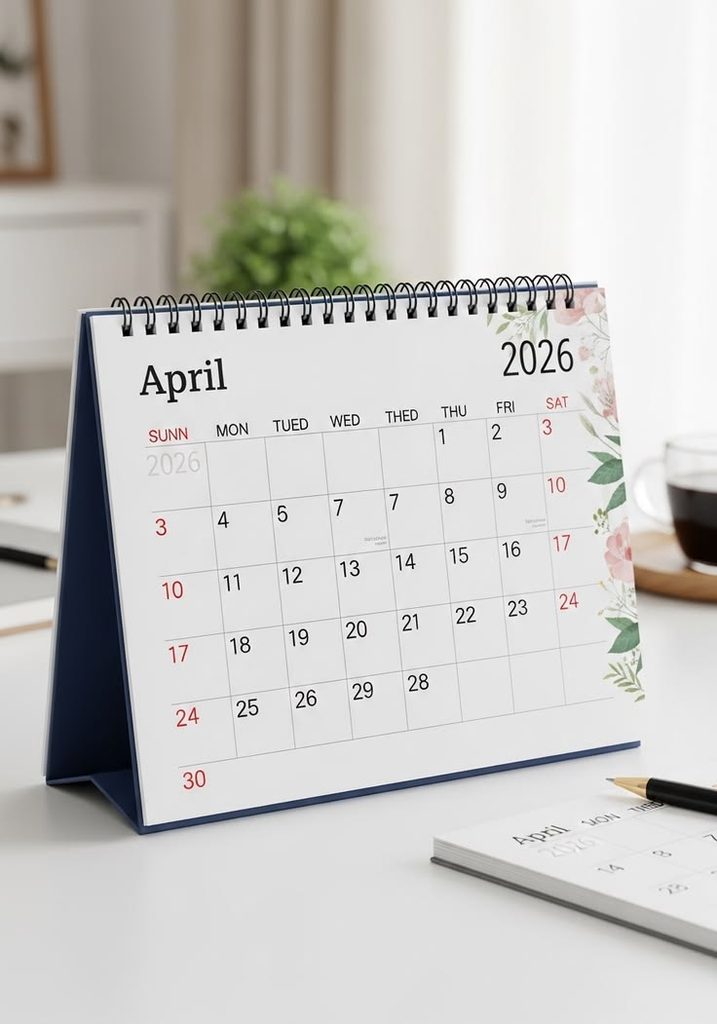
Choose a date that allows you to complete the most important tasks while leaving room for unexpected delays. You do not have to wait until every room is perfect, but you should feel reasonably comfortable inviting people into your home.
Once you have selected a date, decide what kind of gathering you want to host. It could be a relaxed afternoon with close friends, a family dinner, or a larger celebration with neighbors and relatives.
Your guest list, available space, and budget will determine how much preparation you need. Write down the essential tasks and assign a deadline to each one so that you can spread the work across several days instead of attempting everything at once.
A helpful Housewarming Checklist should also include a realistic spending limit. Consider the cost of food, drinks, cleaning supplies, decorations, and any additional seating you might need.
You can create a beautiful gathering without purchasing expensive items or decorating every corner. If you want to organize your new space before planning the celebration, explore 35 Home Organization Ideas Busy Moms Will Wish They Tried Sooner for practical ways to make everyday living easier.
2. Declutter the Rooms Your Guests Will Use
Before you begin decorating, take a careful look around your home and identify the areas your guests will actually use. These usually include the entrance, living room, kitchen, dining area, and guest bathroom.
You may still have boxes in bedrooms or unfinished storage spaces, and that is perfectly normal. Your Housewarming Checklist should focus on making the shared areas comfortable and accessible rather than forcing you to finish organizing the entire house before your gathering.

Start by removing empty boxes, shopping bags, packaging materials, and anything that does not belong in the main living areas. Put everyday items back in their proper places, gather loose belongings into baskets, and clear surfaces where guests may place their drinks or personal belongings.
If you have limited storage space, use temporary storage containers to keep things organized until you have time to unpack properly.
Pay particular attention to walkways and entrances. Shoes, electrical cords, bags, and loose items can make it difficult for guests to move around safely. Keep pathways clear, especially if you expect older relatives or families with young children to attend.
For more help maintaining an orderly home, read Why Your Home Keeps Getting Cluttered and How to Fix It and discover practical ways to prevent clutter from taking over again.
3. Give the Main Living Areas a Thorough Cleaning
Cleaning is one of the most important tasks on your Housewarming Checklist because a fresh, tidy home immediately feels more welcoming.
You do not need to scrub every hidden corner, but the areas your guests will see and use should be clean, comfortable, and free from unpleasant odors. Begin with the living room, kitchen, entrance, dining area, and bathroom, then move to other spaces if you have enough time.
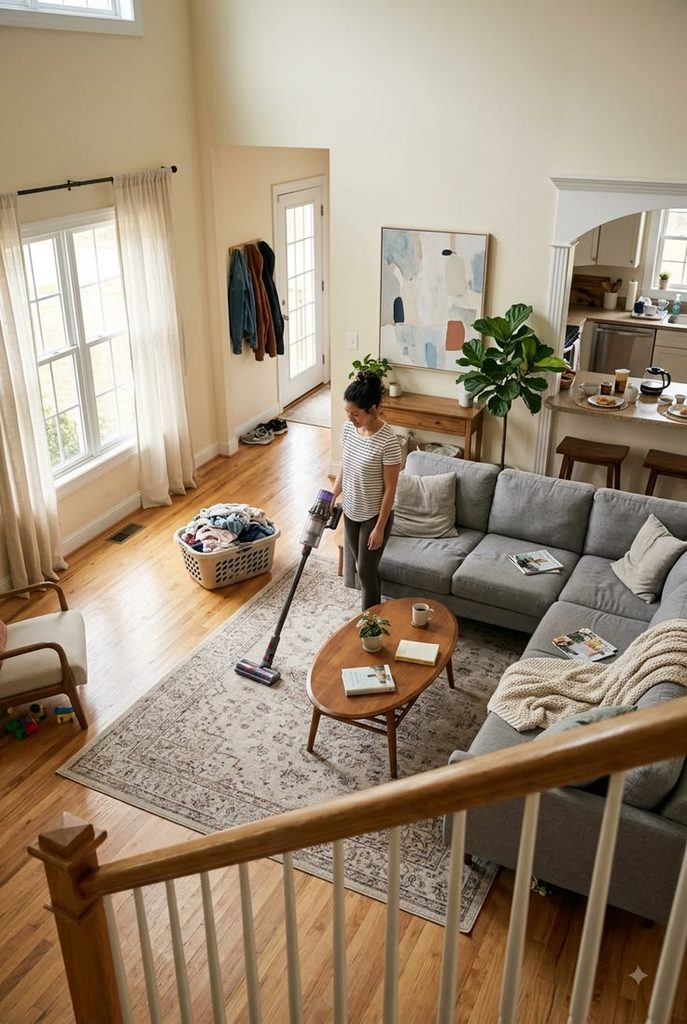
Dust shelves, wipe tables, clean visible fingerprints from glass surfaces, and vacuum or sweep the floors. Pay attention to light switches, door handles, remote controls, and other frequently touched surfaces.
If you have recently moved in, check window ledges and corners for dust that may have accumulated during unpacking. Open the windows when appropriate to let fresh air circulate, especially after cleaning or moving furniture.
The kitchen and bathroom deserve extra attention because guests may notice these spaces even during a casual gathering. Wipe the kitchen counters, clean the sink, empty the trash, and make sure the toilet, mirror, and bathroom floor are spotless.
Replace used hand towels with clean ones and provide enough toilet paper and hand soap. Finish your cleaning the day before the event, then do a quick touch-up on the morning of the gathering. This approach keeps your Housewarming Checklist manageable and gives you more time to enjoy your guests.
4. Make the Entrance Feel Warm and Welcoming
Your entrance creates the first impression when guests arrive, so it deserves a place near the top of your Housewarming Checklist. A welcoming entryway does not need expensive furniture or elaborate decorations.

A clean doorway, a clear walking path, suitable lighting, and one or two thoughtful decorative touches can make your home feel inviting before anyone steps inside.
Begin by sweeping the front step, wiping the door, and removing unnecessary items from the entrance. If you have a doormat, make sure it is clean and positioned properly.
Keep shoes, umbrellas, and bags organized so that guests can enter without navigating around clutter. If space allows, place a small table near the door for a simple vase of flowers, a decorative bowl, or a framed welcome message.
Think about practical details, too. Make sure the doorbell works if you have one, provide clear directions or parking information when necessary, and let guests know where they can leave their shoes or coats.
If your entrance is narrow, avoid adding decorations that block movement. A little planning can prevent the awkward moment when several guests arrive at once and nobody knows where to stand or put their belongings.
For additional inspiration, explore 29 Housewarming Décor Ideas That Make a New Home Feel Warm and Welcoming. You will find ideas for creating an attractive entrance and adding personal touches throughout your home without making the space feel crowded.
5. Arrange Furniture to Encourage Conversation
A comfortable furniture arrangement helps guests feel relaxed and makes it easier for everyone to participate in conversations. As part of your Housewarming Checklist, look at your living room from the perspective of someone visiting for the first time.

Can guests walk through the room easily? Is there enough space to sit down? Can people speak to one another without shouting across the room?
Arrange chairs and sofas so that they face one another or form a loose conversation area. You do not need matching furniture to create a coordinated appearance.
Simply position the pieces thoughtfully, remove unnecessary side tables, and ensure that guests can reach their seats without squeezing through narrow gaps. If you have a small living room, consider moving occasional furniture into another room temporarily to create more space.
Check how many people your current seating can accommodate. If you expect more guests than you have chairs, borrow a few from family members or use sturdy stools that are suitable for seating.
Avoid blocking entrances, hallways, or access to the kitchen. Keep a stable surface nearby where guests can place their cups and plates, and make sure electrical cords are tucked safely away.
If you have an outdoor area, you may be able to create an additional seating zone. Take a look at 15 Affordable Outdoor Seating Ideas for Small Spaces That Look Stylish for practical inspiration. Even a small balcony or patio can provide extra room for guests when the weather cooperates.
6. Prepare the Kitchen for Easy Hosting
Your kitchen will probably become one of the busiest areas during your housewarming celebration, even if you plan to serve most of the food elsewhere. Include kitchen preparation in your Housewarming Checklist so you are not searching through boxes for serving spoons or discovering at the last minute that you do not have enough clean plates.
Start by clearing the countertops and deciding which items you will need on the day. Gather plates, cups, glasses, cutlery, serving bowls, napkins, and utensils in one convenient location.
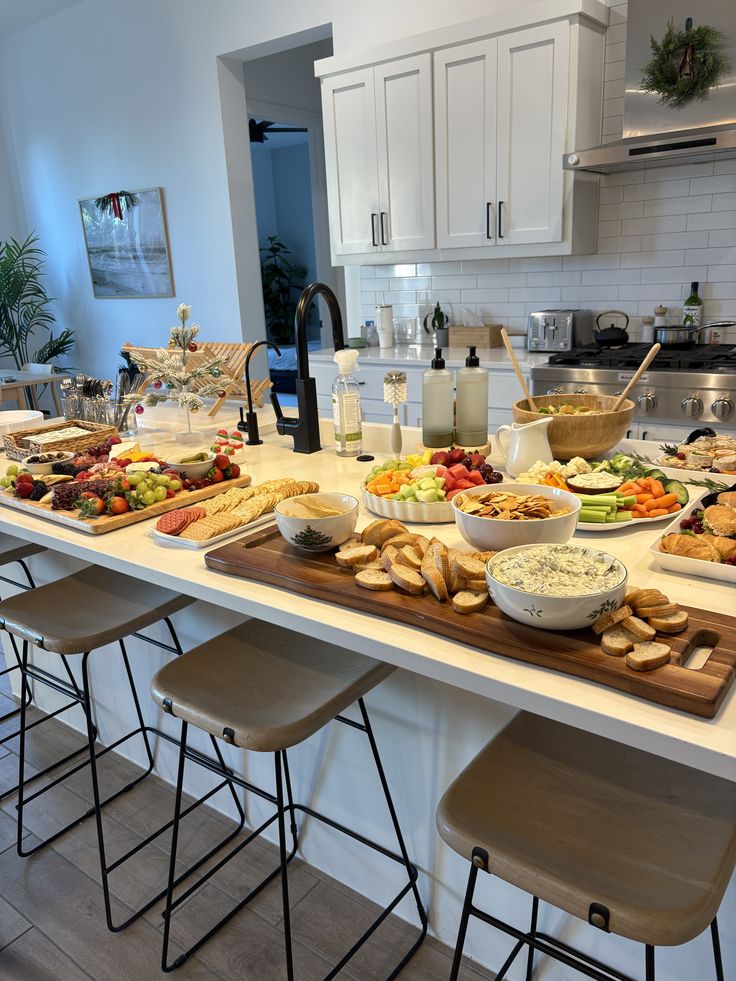
If some kitchen essentials are still packed away, unpack only what you need rather than emptying every box. Labeling storage containers can also help you locate supplies quickly when you are preparing food or cleaning up.
Next, plan where everything will go. Choose a counter or table for drinks, another area for snacks, and a convenient spot for used plates and cups.
Keep the cooking area as clear as possible, especially if you will be preparing food while guests are present. If your kitchen is small, set up a separate serving table in the dining or living area to prevent people from crowding around the stove.
Finally, check that your refrigerator has enough room for drinks and dishes that need to stay chilled. Empty old food, wipe the shelves if necessary, and make space for the items you will serve.
These small preparations make hosting easier and allow you to spend less time searching for supplies and more time enjoying your celebration.
7. Plan Your Housewarming Menu in Advance
Food is often one of the most memorable parts of a housewarming gathering, but planning an elaborate menu can create unnecessary pressure.

Your Housewarming Checklist should include a simple food plan that fits your budget, the number of guests, and the time you have available. You do not need to prepare several complicated dishes to make people feel welcome.
Begin by estimating how many people will attend and deciding whether you want to serve a full meal, light snacks, or a mixture of both. For a casual afternoon gathering, finger foods, pastries, fruit, small sandwiches, and easy-to-serve snacks may be sufficient.
If you are hosting a family dinner, choose a main dish with a few complementary sides rather than attempting too many recipes at once.
Think about dietary needs when planning your menu. If possible, ask guests whether they have food allergies or dietary restrictions.
Include a few options for people who may not eat certain ingredients, and keep food containing common allergens clearly identifiable. If children are attending, having a few simple, familiar snacks available can make the gathering more comfortable for parents.
Prepare whatever you can ahead of time. Chop ingredients, organize serving dishes, and make a shopping list several days before the event.
Choose recipes you already know how to prepare so you are not testing complicated dishes while trying to welcome visitors. You can also purchase a few ready-made items to reduce your workload.
The goal of your Housewarming Checklist is to help you host confidently, not exhaust yourself trying to impress everyone. A thoughtful, manageable menu served with warmth will usually make a better impression than an elaborate spread that leaves you too busy to enjoy the occasion.
8. Stock Up on Drinks and Essential Supplies
Drinks are easy to overlook when you are concentrating on food and decorations, so make them a separate item on your Housewarming Checklist. Depending on the weather, time of day, and type of gathering, you may want to provide drinking water, juice, soft drinks, tea, coffee, or other suitable beverages.

Estimate how much you will need based on your guest list and the length of the gathering. Purchase bottled water or prepare a clean water dispenser if that suits your setup.
Chill drinks in advance and make sure guests can serve themselves without having to ask you every time they need something. If refrigerator space is limited, use an insulated cooler with ice to keep drinks cold.
Set up a small drink station with cups, glasses, napkins, and a bin for empty bottles or cans. Keep it away from the main entrance and avoid placing it in a narrow walkway where people might block one another. If you are serving hot drinks, position the kettle or hot-water source in a safe area away from children and crowded surfaces.
Remember other essential supplies, including paper towels, tissues, rubbish bags, dishwashing liquid, hand soap, and extra toilet paper. These items may not be decorative, but they can save you from an inconvenient last-minute trip to the shop.
When your Housewarming Checklist includes both refreshments and practical supplies, you can handle small needs quickly and keep the gathering running smoothly.
9. Add Simple Decorations That Reflect Your Style
Decorations can make a new home feel personal, but they should not become another source of stress. Your Housewarming Checklist should prioritize a few well-chosen touches rather than an expensive makeover.

Since you may still be unpacking, focus on the areas where guests will spend most of their time and use items you already own whenever possible.
Fresh flowers, a bowl of fruit, decorative cushions, a clean tablecloth, or a few framed photographs can make a room feel finished. Warm lamps or soft lighting can also create a comfortable atmosphere, especially for an evening gathering. If you prefer a minimalist look, leave some surfaces clear instead of filling every corner with accessories.
Choose decorations that complement your existing furniture and color scheme. You do not need to buy everything in matching sets, and you can gradually add more pieces after the gathering.
Avoid placing delicate ornaments near busy walkways or using decorations that take up valuable serving space. If you are decorating a dining table, leave enough room for plates, drinks, and serving dishes.
You can also create a small focal point, such as a decorated entryway, a welcoming dining table, or a simple photo corner where guests can take pictures. This adds a personal touch without requiring decorations throughout the entire house.
For more inspiration on making your home feel comfortable and stylish, read 31 Cozy Bedroom Decor Ideas for Busy Moms Who Need a Calmer Space and 23 Command Center Ideas to Keep Your Family and Home Organized.
Although these ideas serve different purposes, they can help you create a home that feels both welcoming and practical long after your housewarming celebration is over.
10. Prepare the Guest Bathroom
Your guest bathroom deserves special attention on your Housewarming Checklist because it is one of the spaces visitors will expect to find clean, comfortable, and properly stocked.
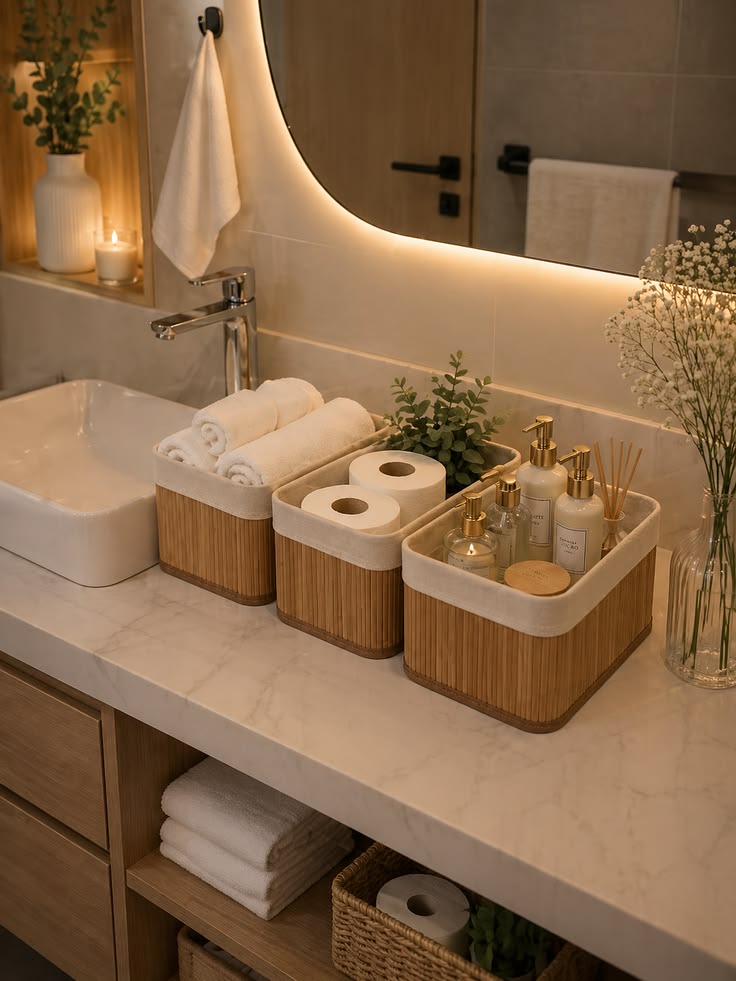
Even if the rest of your home is still coming together, a fresh bathroom can make guests feel that you have thoughtfully prepared for their arrival. You do not need to renovate or purchase new accessories; focus on cleanliness, convenience, and the small details that make a difference.
Start by cleaning the toilet, sink, mirror, taps, and floor. Remove personal toiletries from the countertop and arrange the essentials neatly. Provide clean hand towels, liquid hand soap, toilet paper, and a small rubbish bin.
Check that the flush works properly and that the taps provide running water. If you have noticed a leaking tap, unpleasant smell, or another issue, try to address it before the gathering.
Next, make the space comfortable without overcrowding it. A small vase of flowers, a neatly folded towel, or a simple air freshener can make the bathroom feel inviting.
Avoid strong fragrances that may bother guests, and make sure any scented products are used in a well-ventilated space. If your bathroom has limited storage, use a small basket to organize extra supplies so they remain easy to find.
Your Housewarming Checklist should also include a quick bathroom inspection shortly before guests arrive. Check the toilet paper, empty the bin, wipe away water splashes, and make sure the floor is dry. These final touches take only a few minutes but help prevent awkward situations during your celebration.
11. Make Your Home Comfortable for Children and Older Guests
If your guest list includes children, older relatives, or anyone with mobility needs, your Housewarming Checklist should account for their comfort and safety.
A welcoming home is not just attractive; it should also be easy for different guests to navigate. Thinking about these needs in advance allows everyone to relax and enjoy the occasion.

Begin by checking the main walking routes between the entrance, living room, bathroom, and dining area. Remove loose rugs that may slide, keep electrical cords out of walkways, and move fragile decorations away from busy areas. Make sure chairs are stable and easy to access, particularly for guests who may struggle with low sofas or stools.
If children are attending, store cleaning products, medicines, sharp objects, and breakable items out of reach. Cover or block access to any unsafe areas where necessary, and avoid leaving hot drinks or cooking equipment where little hands can reach them.
You could also prepare a small basket with coloring books, crayons, or simple toys to keep younger visitors occupied while adults talk.
For older guests, provide comfortable seating with enough space to move around. Keep the bathroom easy to reach and ensure the main rooms have adequate lighting.
If your home has stairs, make sure the steps are clear and that handrails are secure. Ask guests about any particular needs when appropriate rather than making assumptions.
A thoughtful Housewarming Checklist helps you create a gathering where everyone feels considered. For more family-friendly inspiration, explore 25 Indoor Activities for Kids That Beat Boredom and 50 Easy Kids Activities at Home That Keep Little Ones Busy. These ideas can help you plan simple activities if children will be spending several hours at your home.
12. Check Lighting, Temperature, and Ventilation
Lighting and temperature can influence how comfortable your guests feel, even when they do not consciously notice these details. Add them to your Housewarming Checklist so your home feels pleasant from the moment visitors walk through the door. A beautifully decorated room may still feel uninviting if it is too dark, too hot, or poorly ventilated.
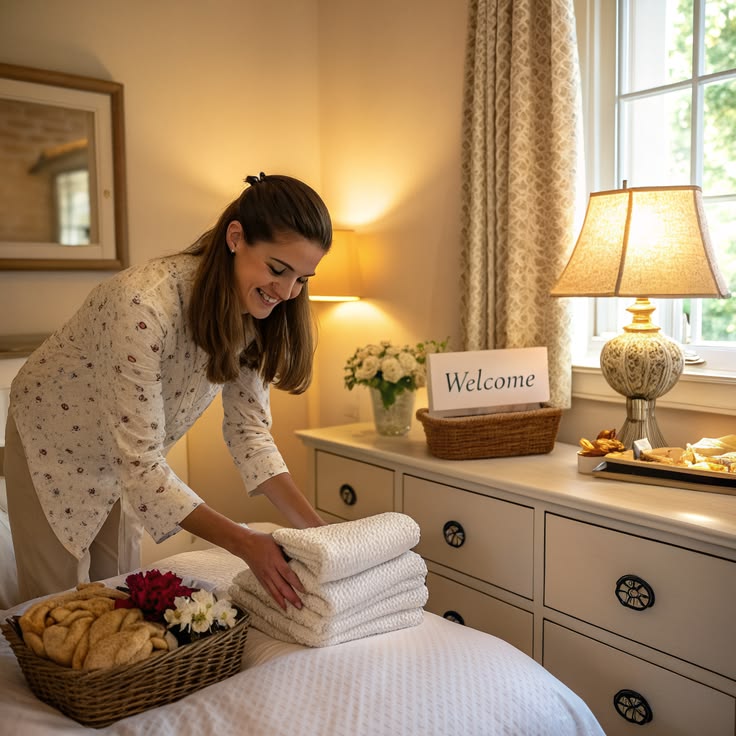
Walk through the main rooms and test the lights, including lamps, hallway lighting, and bathroom fixtures. Replace any failed bulbs and position lamps where they provide useful light without shining directly into guests’ eyes.
If you are hosting in the evening, combine overhead lighting with softer lamps to create a relaxed atmosphere. Keep entrances and stairways bright enough for safe movement.
Next, consider the weather and the number of people attending. A room that feels comfortable when empty may become warm once several guests gather inside.
Open windows when the outdoor conditions allow, use fans or air conditioning if available, and avoid blocking ventilation points with furniture. If you are hosting outdoors, consider whether shade, seating, or a backup indoor space will be needed.
Your Housewarming Checklist should also include checking that fans, air conditioners, and other appliances are working properly before the event begins.
If you expect guests to stay into the evening, prepare suitable lighting for outdoor areas and pathways. Small adjustments can make your home feel more inviting and help everyone enjoy the gathering without discomfort.
13. Organize a Practical Guest Welcome Area
A designated welcome area can make your Housewarming Checklist easier to manage, especially if several guests are arriving around the same time.
Without a plan, coats, handbags, shoes, gifts, and other belongings can quickly accumulate near the entrance. Creating a simple system gives everyone a clear place to put their things and keeps your main living areas tidy.

If you have an entryway table, use it to hold a small welcome note, a vase, or another decorative item. Keep the surface mostly clear so guests have somewhere to place small belongings temporarily. If you do not have a table, a clean shelf or another convenient surface can serve the same purpose.
Decide where guests should leave their shoes or coats if your home requires it. A coat rack, a few sturdy hooks, or a designated bedroom can work, depending on the space available.
If guests are bringing housewarming gifts, choose a safe place where these can be collected without blocking the entrance. You can also prepare a simple sign if the layout of your home is unfamiliar to visitors.
Think about the arrival experience, too. Send guests clear directions, parking information, and any important details about the gathering before the day.
If your building has restricted entry or visitors need to call when they arrive, explain the process in advance. This reduces confusion and helps you avoid repeatedly stepping away from your guests to answer questions.
A good Housewarming Checklist covers the experience from arrival to departure. When visitors know where to go and where to place their belongings, they can settle in more comfortably while you focus on welcoming them.
14. Create a Simple Music and Entertainment Plan
Entertainment does not have to be complicated to make a housewarming gathering enjoyable. Add a music and entertainment plan to your Housewarming Checklist so the atmosphere feels lively without requiring you to organize activities every minute.

Often, good conversation, familiar music, refreshments, and a comfortable space are enough to make a gathering memorable. Prepare a playlist before the event rather than searching for songs while guests are arriving.
Choose music that matches the mood you want, whether that means soft background music for a relaxed afternoon or upbeat songs for a more energetic celebration. Keep the volume low enough for people to talk comfortably, especially if your guests are meeting one another for the first time.
You can also prepare a few optional activities. For example, invite guests to share their favorite home-decorating tips, write a short wish for your new home, or take photographs in a small designated area.
If close friends and family are attending, you might invite them to share a favorite memory or offer advice about making a new house feel like home.
Avoid overplanning the event. Guests generally appreciate having time to move around, explore the shared spaces, eat, and chat naturally. If children are attending, consider setting aside a small area with age-appropriate activities rather than expecting them to sit quietly throughout the gathering.
For a family-centered celebration, 31 Family Fun Night Ideas for Staying Home Together offers inspiration for activities that bring people closer. You can adapt a few simple ideas to your housewarming event without turning the gathering into a formal program.
15. Prepare a Day-Before Housewarming Checklist
The day before your event is the time to confirm that your main preparations are complete. Rather than starting new projects, use your Housewarming Checklist to review what you have already done and identify any remaining essentials. This prevents last-minute surprises and helps you avoid spending the final hours before the gathering rushing between tasks.

Start by confirming the guest list and checking whether anyone has changed their plans. Review your food and drink supplies, and make sure you have enough plates, cups, cutlery, napkins, and serving utensils.
Prepare dishes that can safely be made ahead, refrigerate items that need chilling, and organize ingredients for anything you will cook on the day.
Next, tidy the main rooms and complete any remaining cleaning. Empty the rubbish bins, wipe kitchen surfaces, vacuum the living room, and make sure the bathroom is stocked. Arrange furniture, place decorations, and set up your drink or snack station if doing so will not interfere with your everyday needs.
Charge your phone, check your speaker or music setup, and make sure any necessary appliances are working. If you are expecting guests who will need directions or parking details, send a friendly reminder with the relevant information.
If you need help organizing these tasks alongside everyday family responsibilities, How to Build a Daily Routine That Helps Babies and Toddlers Thrive may offer useful ideas for creating a more manageable schedule.
Finally, give yourself permission to stop preparing at a reasonable time. You do not need to keep adjusting decorations or cleaning already tidy rooms.
A well-organized Housewarming Checklist should reduce your stress, not create an endless list of tasks. Finish the essentials, get some rest, and leave the final small adjustments for the morning.
16. Complete Your Final Housewarming Checklist on the Morning of the Event
On the morning of your gathering, use your Housewarming Checklist to complete a quick walkthrough instead of starting another major cleaning session.
By this point, the main work should already be done. Your goal is to refresh the space, prepare the food and drinks, and make sure everything guests will need is ready.
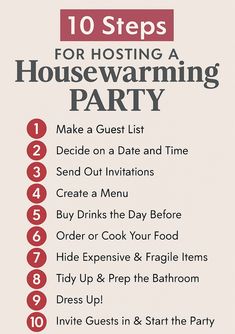
Begin by opening the windows briefly if the weather permits, then check the temperature and lighting in the main rooms. Straighten cushions, arrange chairs, wipe visible fingerprints from surfaces, and clear any items that have accumulated overnight. Check the entrance and make sure guests can reach the door without stepping around bags, shoes, or boxes.
Next, prepare the kitchen and refreshments. Take out the dishes you need, arrange snacks, chill or set out drinks appropriately, and finish any last-minute cooking.
Keep perishable foods at safe temperatures, and do not leave food that requires refrigeration sitting out for extended periods. Set up rubbish and recycling bins where guests can find them easily without making them the focal point of the room.
Before anyone arrives, inspect the bathroom, replace hand towels if necessary, and check the toilet paper and soap. Make sure the main seating areas are ready and that there is enough space for people to move around comfortably.
If you have pets, decide whether they will remain in the main living areas or have a quiet, secure space away from the busiest rooms.
Your final Housewarming Checklist should also include a few minutes for yourself. Get dressed, have something to eat, drink some water, and take a moment to enjoy the home you have worked so hard to prepare. You will be a more relaxed host if you are not exhausted before the first guest arrives.
Remember, a successful housewarming is not measured by whether every detail is perfect. It is about opening your home, sharing your excitement, and helping people feel welcome. Once the essentials are ready, greet your guests warmly and enjoy the occasion you planned.
17. Prepare for Unexpected Situations
Even with a detailed Housewarming Checklist, small surprises can happen when you welcome guests into your home.
Someone may arrive earlier than expected, you might run short of drinks, or a child could accidentally spill something on the floor. Preparing for these possibilities ahead of time helps you stay calm instead of allowing small problems to ruin your celebration.
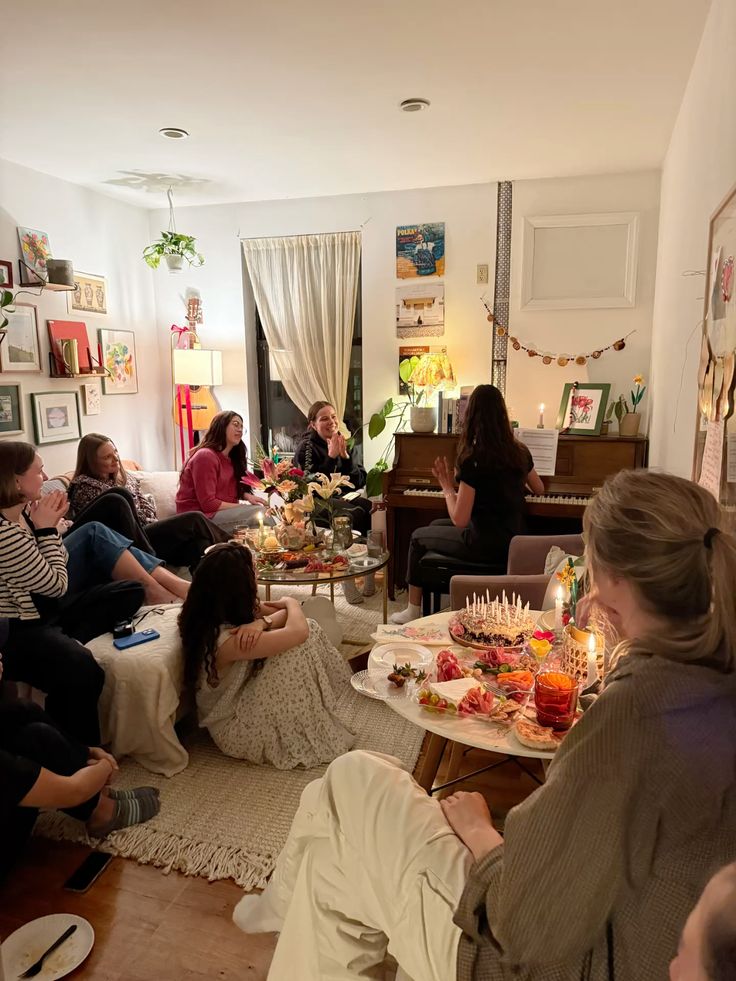
Start by keeping a few useful supplies nearby. Paper towels, cleaning cloths, rubbish bags, stain remover suitable for your surfaces, and extra toilet paper can help you handle minor accidents quickly.
Store these items somewhere accessible but out of sight. You should also keep basic first-aid supplies available in case someone gets a small cut or scrape.
Think about what you will do if more guests arrive than expected. You do not need to prepare an entire second meal, but keeping a few extra drinks and easy snacks can help.
If seating becomes limited, move a few chairs into the main gathering area or encourage guests to use another comfortable space. Your Housewarming Checklist should help you respond flexibly rather than forcing you to follow a rigid plan.
It is also wise to consider the weather if you plan to use a balcony, garden, or patio. Have an indoor alternative ready in case it rains or becomes too hot. Keep your phone charged so you can communicate with guests and handle any unexpected arrangements.
Most importantly, remember that minor inconveniences are normal when hosting. Guests are unlikely to remember if you ran out of a particular snack, but they will remember how welcome they felt. A little preparation gives you the confidence to handle surprises without losing the joy of celebrating your new home.
18. Make Space for Housewarming Gifts
Guests may bring flowers, kitchen accessories, framed photographs, or other gifts to celebrate your new home. Your Housewarming Checklist should include a convenient place to collect these items so they do not clutter the entrance or take up valuable serving space.

Choose a sturdy table, shelf, or corner away from busy walkways. Make sure the area is large enough for the number of gifts you reasonably expect. If guests bring flowers, keep a clean vase or two available so you can place them in water. You do not need to arrange every gift immediately, especially when several people arrive at once.
If you receive food gifts, check whether they need refrigeration before leaving them on a table. Keep fragile items away from edges and make sure children cannot easily reach anything breakable. If someone gives you something that requires special care, set it aside safely until you have time to unpack or organize it properly.
You may also want to keep a small notebook or use your phone to record who gave each gift. This makes it easier to send thoughtful thank-you messages after the celebration, especially if several guests bring presents.
You can thank people personally as they arrive, but do not feel pressured to open every gift in front of everyone unless that suits your gathering.
A thoughtful Housewarming Checklist makes room for these special moments without creating extra work. Remember, gifts are a kind gesture, not another task you must complete during the party. Accept them warmly and enjoy the fact that people are celebrating this milestone with you.
Food presentation can make even simple refreshments feel special. As you complete your Housewarming Checklist, decide where guests will eat and how they will serve themselves.
19. Set Up a Comfortable Dining and Serving Area
A practical setup reduces crowding, makes it easier for people to find what they need, and prevents you from spending the entire gathering carrying plates from one room to another.

If you have a dining table, wipe it clean and arrange enough chairs for the guests who will eat together. Use a simple tablecloth, placemats, or a small centerpiece if you have them.
Keep decorations low and unobtrusive so people can see one another and have conversations comfortably. Leave enough space for serving bowls, plates, and drinks without overcrowding the table.
For a larger gathering, a buffet-style arrangement may work better. Place plates at one end, followed by the main dishes, side dishes, sauces, and cutlery. Put drinks in a separate area to prevent guests from forming one long queue. Keep hot dishes hot and cold foods properly chilled, especially if the food will remain available throughout the event.
Consider labeling dishes when they contain common allergens or ingredients guests may wish to avoid. You can use small handwritten cards or simply tell guests what each dish contains. Keep serving utensils with their corresponding dishes, and provide napkins within easy reach.
Your Housewarming Checklist should make serving food simple for both you and your visitors. When guests can help themselves comfortably, you have more time to sit down, enjoy your meal, and participate in conversations rather than constantly managing the kitchen.
20. Plan How You Will Welcome Guests Personally
The final part of your Housewarming Checklist is preparing yourself to welcome people warmly. It is easy to focus so much on cleaning, cooking, and decorating that you forget the most important part of hosting: spending time with the people who came to celebrate with you.

Think about how you will greet guests when they arrive. A smile, a friendly hello, and a quick offer to take their coats or show them where to put their belongings can immediately make people feel comfortable. If guests do not know one another, introduce them and mention something they may have in common to help start a conversation.
You do not need to give every visitor a formal tour of the entire house. Instead, show them the main areas they can use and let them explore naturally if they are interested.
You can share a few details about your favorite room, a decorating project you are excited about, or something you hope to do with the space in the future.
If you are hosting a larger gathering, try not to spend the entire time in the kitchen. Prepare as much as possible beforehand and ask a trusted family member or friend to help with simple tasks if needed. This allows you to connect with guests without feeling responsible for every small detail.
Your Housewarming Checklist has done its job when it helps you feel prepared enough to enjoy the occasion. You do not need to impress everyone with a perfect home or an elaborate menu. Focus on making people feel welcome, sharing your excitement, and enjoying this new chapter together.
21. Tidy Up After Guests Leave Without Exhausting Yourself
Your Housewarming Checklist should not end when the last guest walks out. A simple cleanup plan can make it easier to return your home to normal without spending hours working late into the night. However, you do not need to deep-clean the entire house immediately after the celebration.
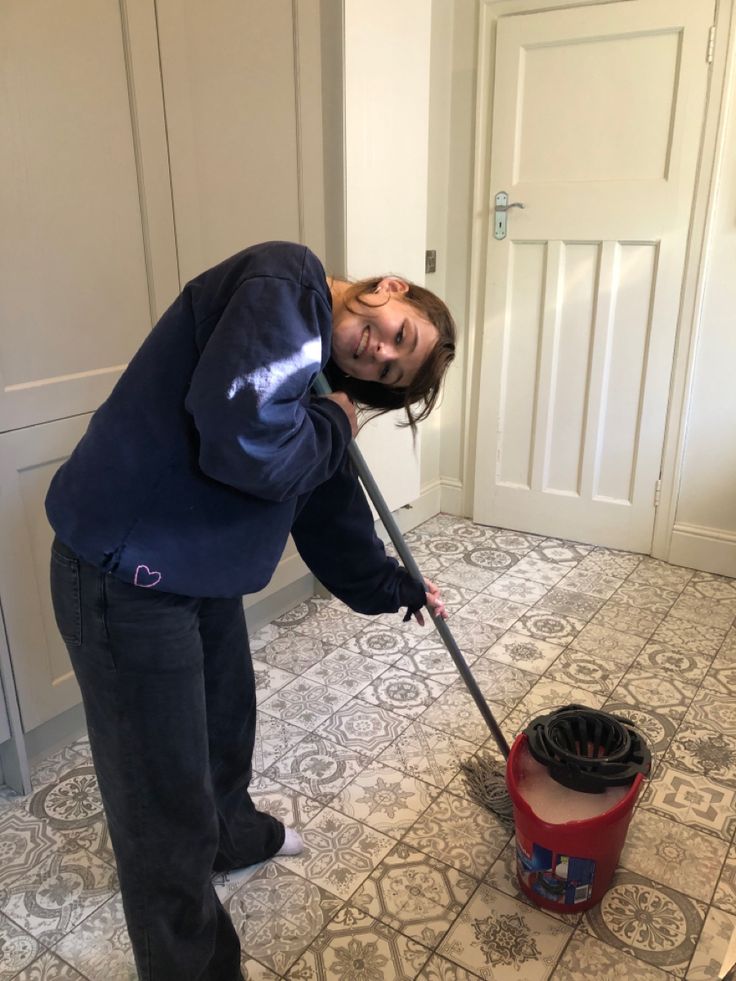
Start with the tasks that prevent messes from becoming harder to manage. Put leftover food into suitable containers and refrigerate perishable items promptly. Dispose of spoiled food, collect used plates and glasses, and place rubbish in the appropriate bins. Wipe obvious spills from tables and counters before they dry.
Next, gather decorations that you want to reuse and place them in one area. Return borrowed chairs or serving dishes when convenient, and keep gifts somewhere safe until you have time to organize them. If your guests helped with cleanup, thank them rather than worrying about whether everything is perfectly arranged before bedtime.
You can leave less urgent jobs, such as reorganizing storage boxes or thoroughly cleaning bedrooms, for the following day. If you feel tired, wash only the essential dishes, clear the main walkways, and give yourself permission to rest. A celebration should leave you with happy memories, not a sense that you have created another exhausting project.
The day after your gathering, review what worked well and what you might change next time. Perhaps you needed more seating, a separate drink station, or fewer dishes to prepare. These observations can make future hosting easier and help you improve your routine.
Ultimately, a useful Housewarming Checklist supports you before, during, and after the event. It gives you a plan to follow while leaving enough room to enjoy the people, conversations, and memories that make celebrating a new home worthwhile.
Final Thoughts
Preparing for a housewarming celebration can feel overwhelming, especially when you are still unpacking boxes, organizing furniture, and trying to make your new home feel comfortable.
However, with the right Housewarming Checklist, you can break everything into smaller tasks and prepare without putting too much pressure on yourself.
From choosing your guest list and cleaning the main rooms to arranging refreshments and creating a welcoming atmosphere, every little step helps make your celebration easier to manage.
Remember that your home does not need to look perfect before you invite people over. Your guests are coming to celebrate this exciting milestone with you, not to inspect every room or judge your decorating choices.
Focus on the areas they will use most, such as the entrance, living room, kitchen, dining area, and guest bathroom. Prepare food and drinks ahead of time, organize enough seating, and keep essential supplies nearby. These simple preparations can help you feel more confident and avoid unnecessary last-minute stress.
Most importantly, give yourself permission to enjoy the experience. You can ask a trusted friend or family member to help with preparations, choose affordable decorations, and leave less important tasks for another day. A thoughtful Housewarming Checklist should make hosting easier, not turn your celebration into another stressful responsibility.
Once your guests arrive, put your checklist aside and focus on spending time with the people who matter to you. Share stories about your new home, en