After-School Activities Kids can do independently can be a lifesaver when the school day ends and dinner still needs to happen. Those late-afternoon hours can feel chaotic. Your kids may come home hungry, tired, energetic, or ready to tell you everything that happened at school.
At the same time, you are trying to prepare dinner, unpack groceries, answer questions, and keep everyone from getting bored. You want your children to have fun, but you do not always have the time or energy to entertain them. You also may not want to rely on a tablet or television every afternoon just to get a few peaceful minutes in the kitchen.
The good news is that keeping kids busy after school does not require complicated crafts, expensive toys, or hours of preparation. Simple activities like coloring, building, drawing, puzzles, pretend play, paper crafts, and sensory activities can give children something enjoyable to focus on while you finish dinner.
The trick is choosing activities that match their age and interests while being simple enough for them to start with little help. If you are trying to reduce screen time during this part of the day, How to Create a Screen-Free Routine Your Kids Will Actually Enjoy can also help you create a routine that feels realistic for your family.
If you are tired of hearing “I’m bored” the moment you start cooking, this list is for you. These After-School Activities Kids can enjoy are designed to make those busy pre-dinner minutes easier without expecting you to become their full-time entertainer.
Many require supplies you probably already have at home, and several can become part of a simple daily routine. Whether your child loves creating, building, reading, pretending, or moving around, you will find practical ideas that can help keep them happily occupied while you get dinner on the table.
25 After-School Activities Kids Can Do While You Make Dinner
1. Set Up a Simple Coloring Station
Coloring is one of the easiest After-School Activities Kids can do while you prepare dinner. Set out crayons, colored pencils, washable markers, and a few coloring books before you start cooking.
You can also include blank paper for children who prefer creating their own pictures. Younger kids may enjoy simple coloring pages, while older children can work on more detailed designs.
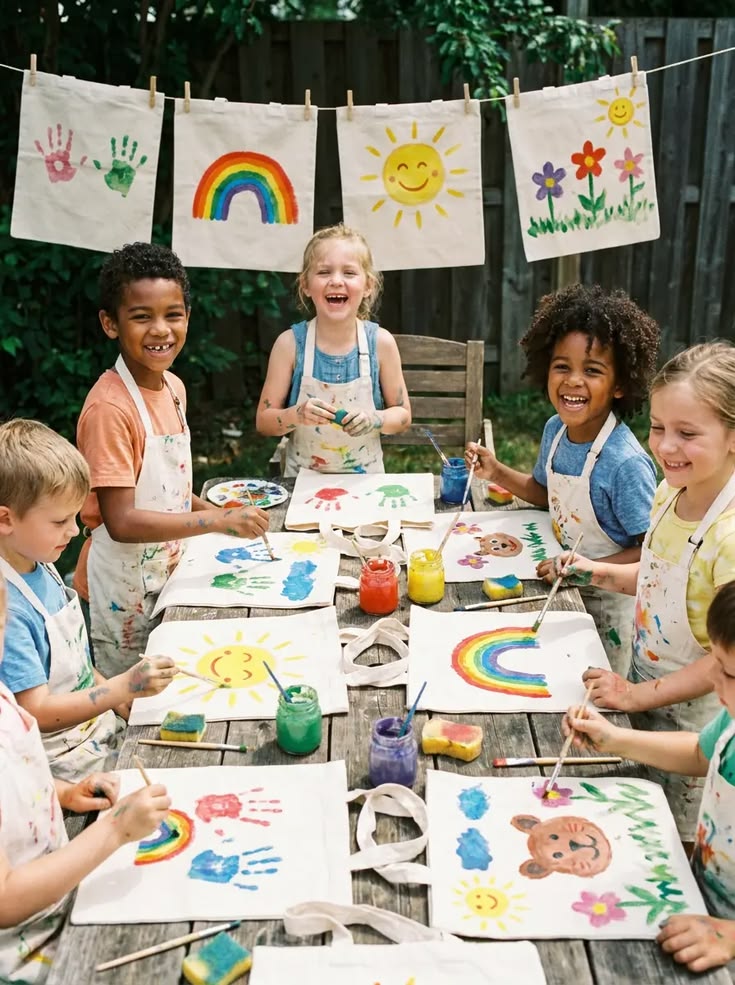
Keep the supplies in a small basket that your child can reach without asking for help. You can also give them a simple prompt, such as drawing their favorite part of school or designing their dream bedroom.
If your child enjoys experimenting with different art supplies, rotate coloring with 21 Fun Painting Ideas for Kids That Spark Creativity so they always have something fresh to try.
2. Give Them a Paper Craft Challenge
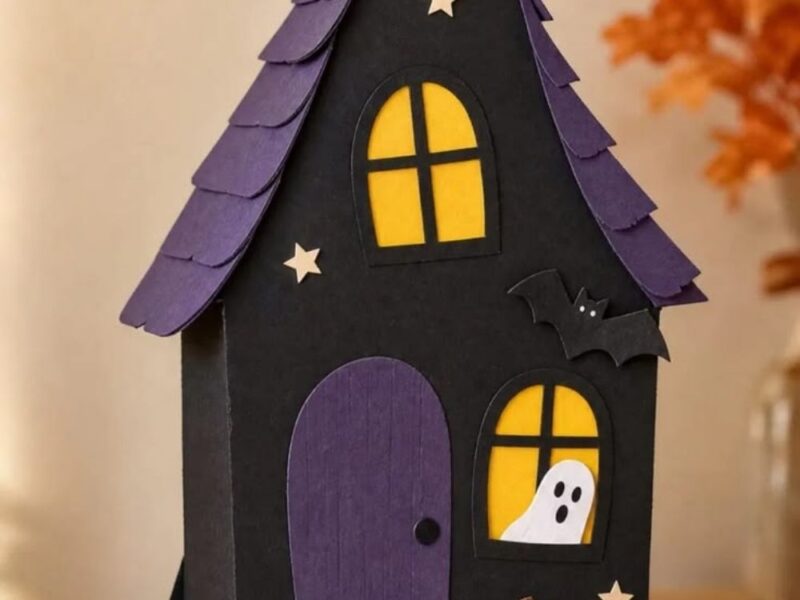
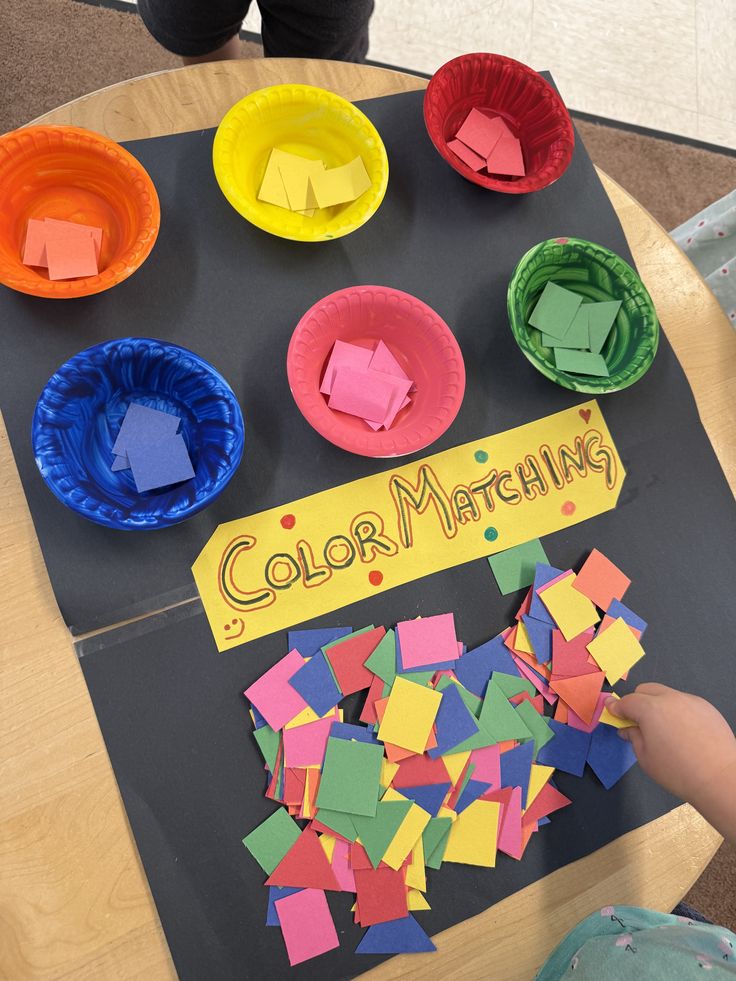
Paper crafts are perfect for afternoons when you need your child occupied but cannot sit down to help them. Place construction paper, crayons, child-safe scissors, and glue sticks on a tray before you begin making dinner. Then give them an easy challenge, such as creating an animal, robot, paper house, or imaginary garden.
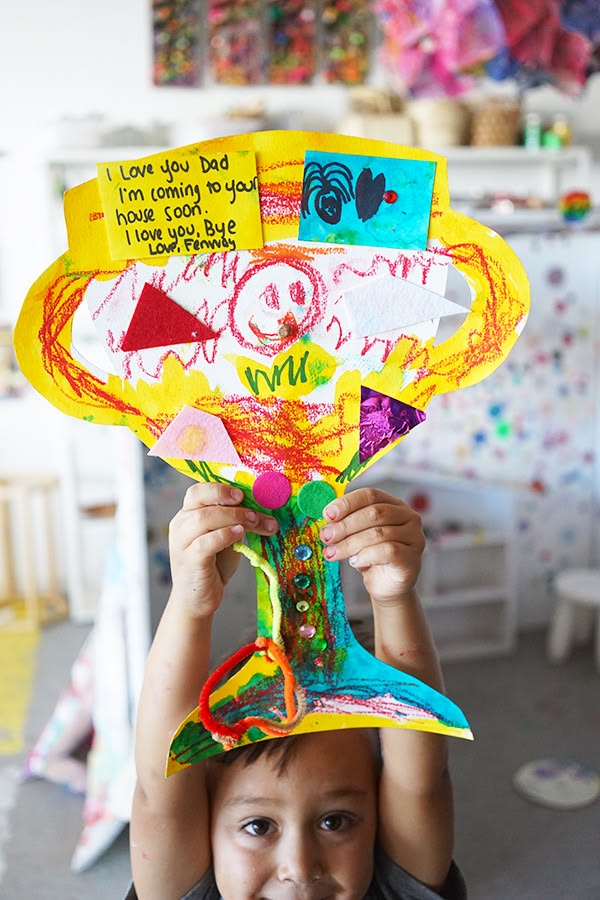
You can make the activity even easier by preparing a few shapes before school and letting your child assemble them independently. This keeps the activity creative without creating too much work for you.
When you need more simple projects to rotate through, 41 Paper Crafts Kids Never Get Bored Of can give you plenty of ideas for keeping their craft basket interesting.
3. Start an After-School Drawing Challenge
Give your child one drawing prompt each afternoon and let them work independently while you prepare dinner. Prompts such as “draw your dream treehouse,” “create an imaginary pet,” or “design a magical bedroom” give them a starting point without requiring you to come up with an elaborate activity. You can also ask them to draw something funny or interesting that happened at school.
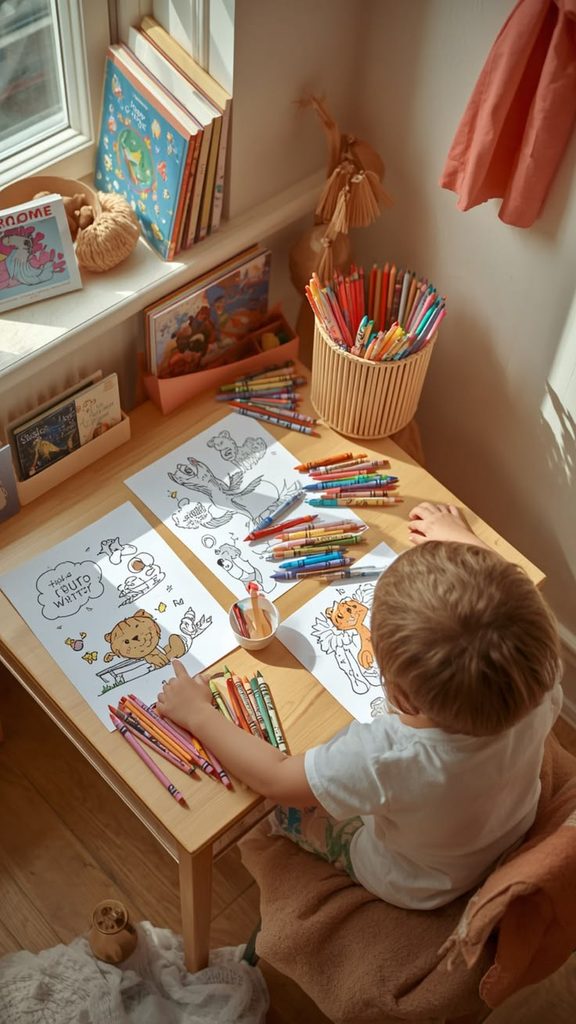
Keep a folder for their drawings so they can see how their artwork changes over time. You could even choose one drawing each week to display on the refrigerator or in their bedroom.
If they want to move beyond crayons and pencils, 21 Fun Painting Ideas for Kids That Spark Creativity can give you additional creative activities to add to your after-school rotation.
4. Set Up a LEGO Building Challenge
LEGO can keep children focused for surprisingly long stretches when they have a simple challenge to complete. Instead of simply telling your child to play with their bricks, give them a goal such as building a house, bridge, restaurant, school, or vehicle. A specific challenge gives them direction while still leaving plenty of room for creativity.
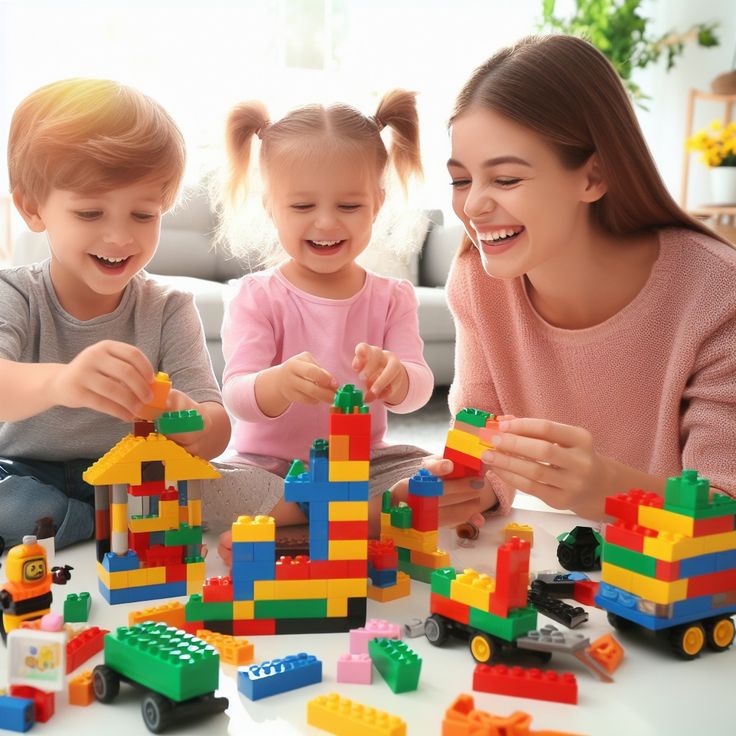
Put the bricks they can safely use in a container before you start dinner so they do not need to search through their entire toy collection. You can also ask them to build something using only a certain number of pieces. Once dinner is ready, let them show you what they created and explain how it works.
5. Give Them a Building Block Challenge
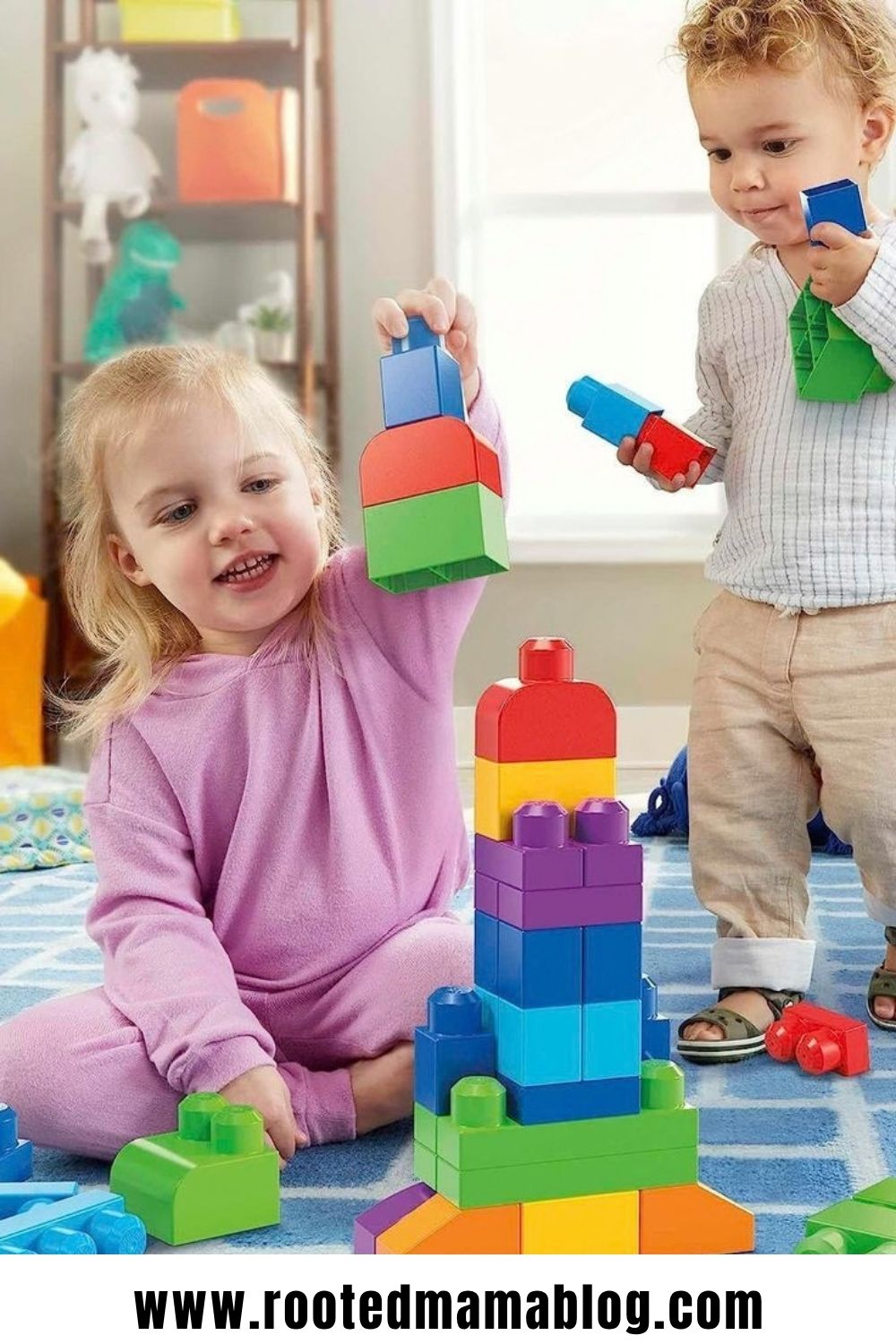
Building blocks, magnetic tiles, or other construction toys can turn a few quiet minutes into an imaginative project. Challenge your child to build a tower taller than a cup, a small neighborhood, or a house for their favorite toy. These activities can keep their hands busy while encouraging them to experiment with shapes, balance, and different designs.
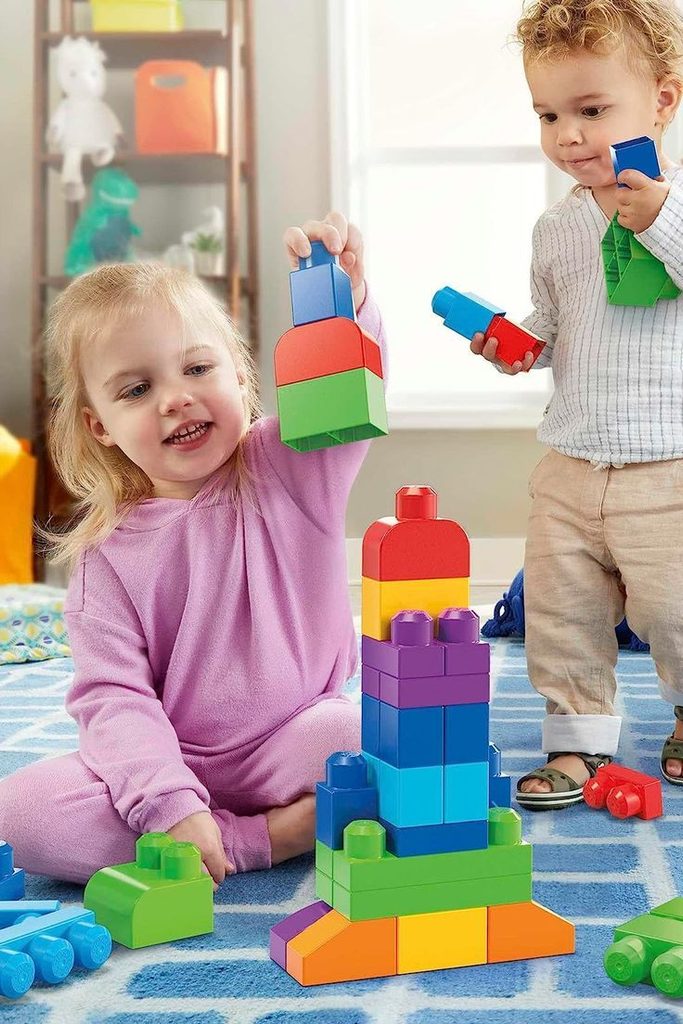
Keep a dedicated basket for building materials so your child knows exactly where to find them after school. You can change the challenge each day without changing the supplies.
If you are also trying to keep their play area manageable, 25 Kids Room Organization Ideas That Keep Toys and Clutter Under Control can help you create simple storage systems that make independent play easier.
6. Let Them Build a Blanket Fort
A blanket fort can be an exciting option when your child needs to burn off some energy before dinner. Give them a few blankets, pillows, and cushions, then let them create a reading nook, pretend house, camping tent, or secret hideout. They can bring a few books or stuffed animals inside once their fort is finished.

Set a clear boundary that the fort stays away from the kitchen while you cook. This lets your child enjoy imaginative play without constantly coming into your cooking space.
You can make the activity part of a larger screen-free routine by combining it with ideas from How to Create a Screen-Free Routine Your Kids Will Actually Enjoy.
7. Create a Simple Puzzle Station
Puzzles are a useful choice when your child needs something calm to focus on after a busy school day. Choose an age-appropriate jigsaw puzzle, maze book, word search, or logic puzzle and place it on a small tray before dinner. Your child can work independently while you move around the kitchen.
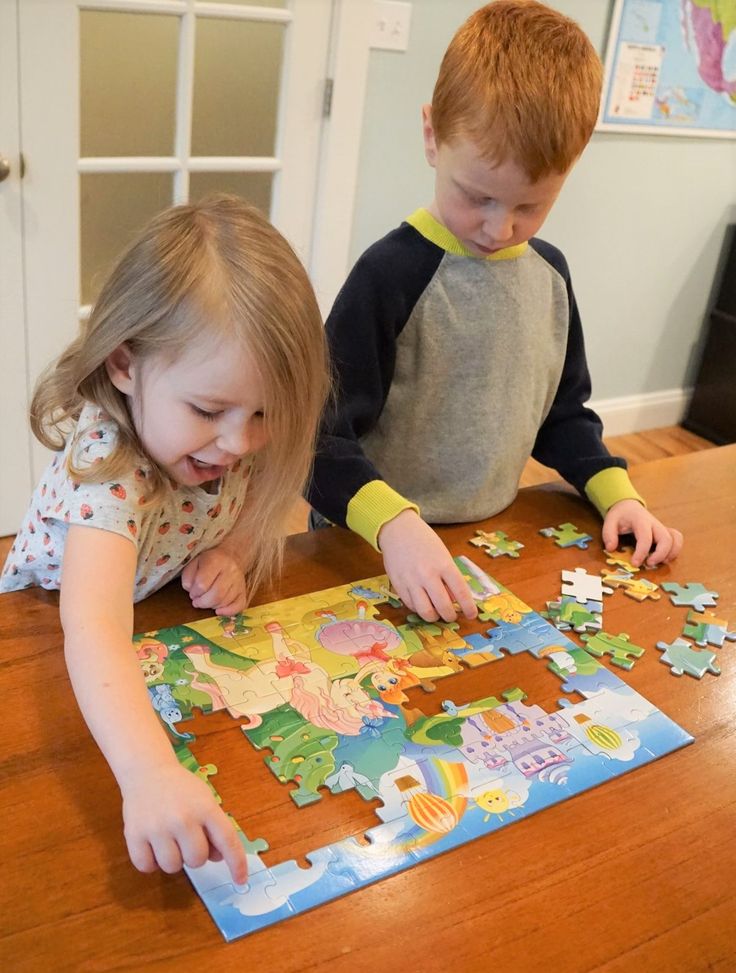
For younger children, use puzzles with larger pieces that are easy to handle. Older kids may enjoy more challenging puzzles that require patience and problem-solving.
Keeping a few different options available can prevent the activity from becoming repetitive and gives your child something productive to do whenever you need extra time in the kitchen.
8. Create a Sticker Activity
Sticker activities are an easy way to keep kids occupied when you need both hands free to prepare dinner. Give them a notebook, a sheet of paper, or an activity book and let them create their own sticker scenes. They can make a garden, zoo, family, city, or imaginary world using different stickers.
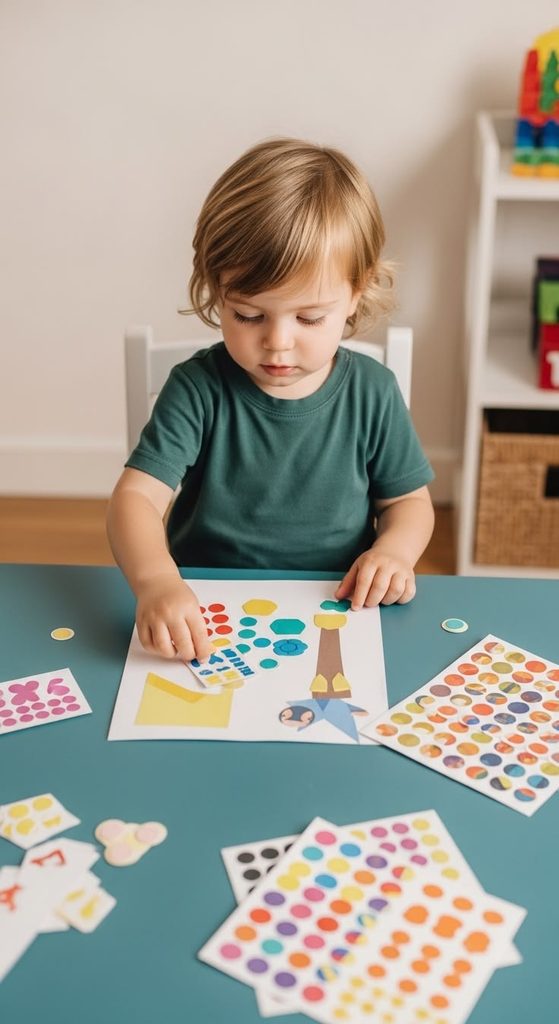
For younger children, choose larger stickers that are easier to peel and handle. You can also give them a simple challenge, such as creating a picture using five different stickers.
Keeping stickers in a small activity box makes this one of the easiest After-School Activities Kids can start without asking for your help.
9. Give Them an Activity Box
An activity box can save you from hearing “I’m bored” every afternoon. Fill a container with simple supplies your child can use independently, such as coloring pages, crayons, stickers, puzzles, drawing paper, and age-appropriate craft materials. Keep the box somewhere accessible so your child can choose an activity while you begin dinner.
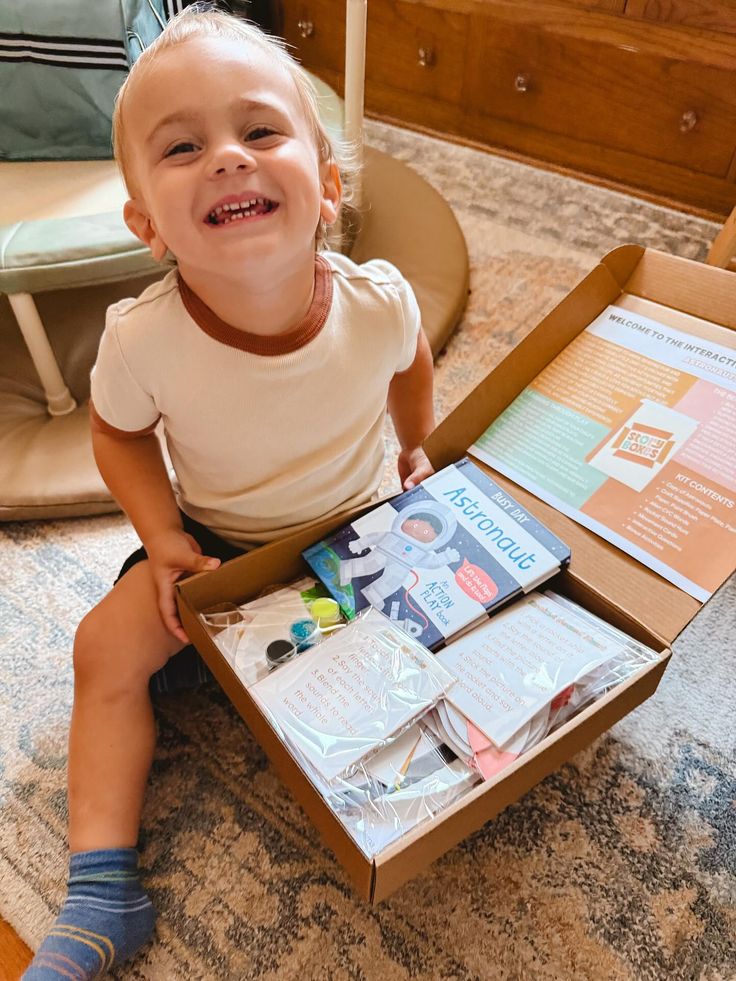
You do not need to fill the box with expensive supplies. Rotate a few items every couple of weeks to keep them interesting and prevent your child from getting bored with the same choices.
For even more ideas to add to the rotation, 50 Easy Kids Activities at Home That Keep Little Ones Busy can help you build a collection of simple options.
10. Set Up a Play Dough Invitation
Play dough can give children something tactile and creative to focus on while you finish preparing dinner. Place some play dough on a tray with child-safe tools, cookie cutters, or plastic utensils. Then give your child a simple challenge, such as making five animals, a pretend meal, flowers, or their favorite character.
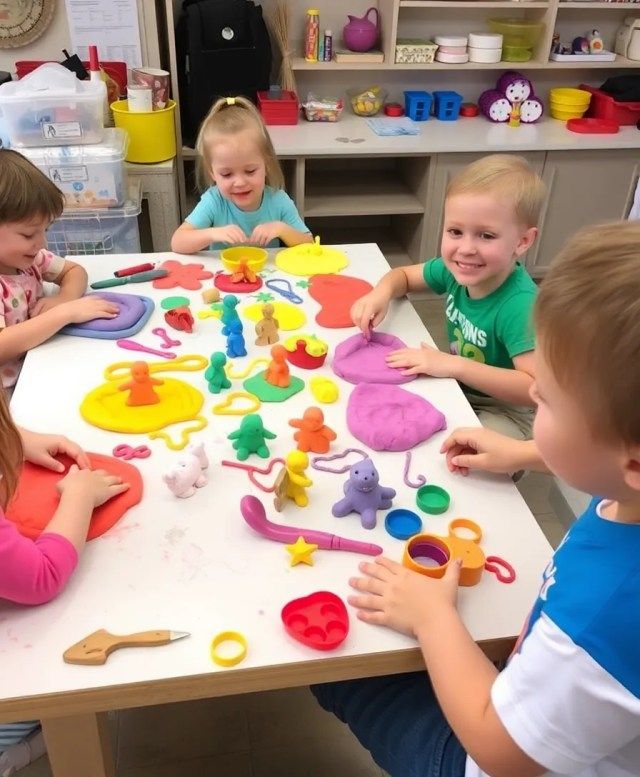
Using a tray helps contain the activity and makes cleanup much easier afterward. You can also change the theme depending on the season or your child’s interests.
If you have a younger child who enjoys hands-on play, 27 Sensory Bin Ideas That Keep Toddlers Busy Longer offers other sensory activities you can add to your after-school rotation.
11. Let Them Make a Paper Character
Give your child paper, crayons, child-safe scissors, and glue, then challenge them to create a person, animal, superhero, or silly monster. Once the character is finished, encourage them to give it a name and invent a short story about it. This turns a simple craft into imaginative play.
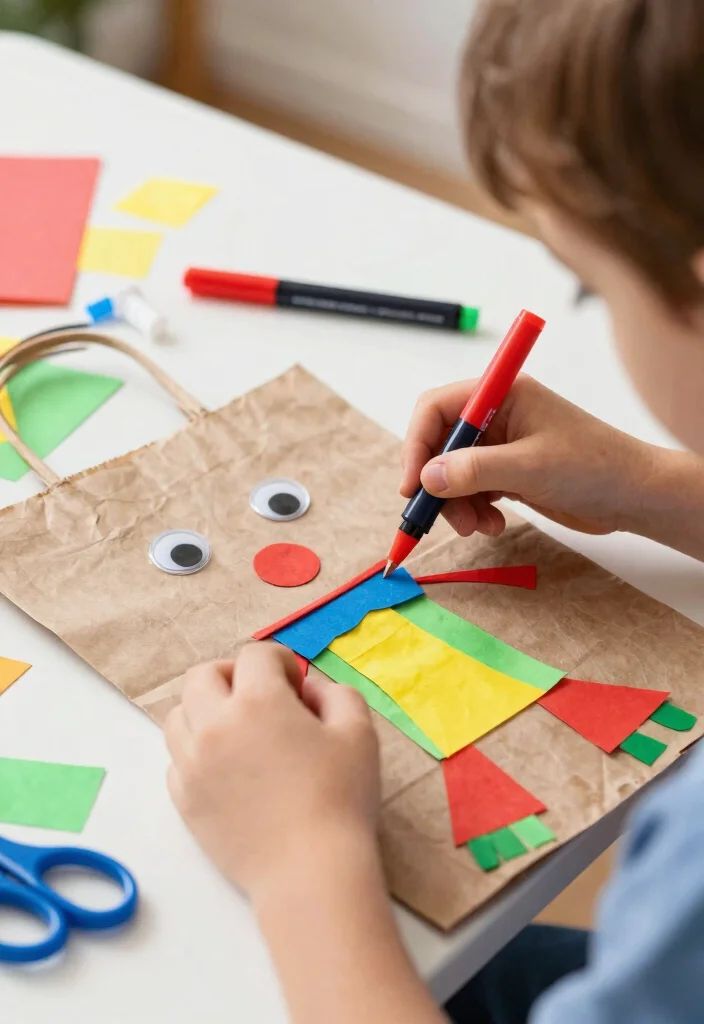
You can make the activity easier by preparing a few basic shapes before you start cooking. Your child can decorate and assemble them without needing constant assistance.
If they enjoy working with paper, 21 Easy Crafts Kids Can Make at Home can provide more simple projects for afternoons when you need something new.
12. Start a Drawing Prompt Jar
Write simple drawing prompts on small pieces of paper and place them in a jar. Your child can choose one when they get home and start drawing while you prepare dinner. Prompts could include “draw a magical treehouse,” “design a dream playground,” “draw an animal wearing clothes,” or “create your own superhero.”
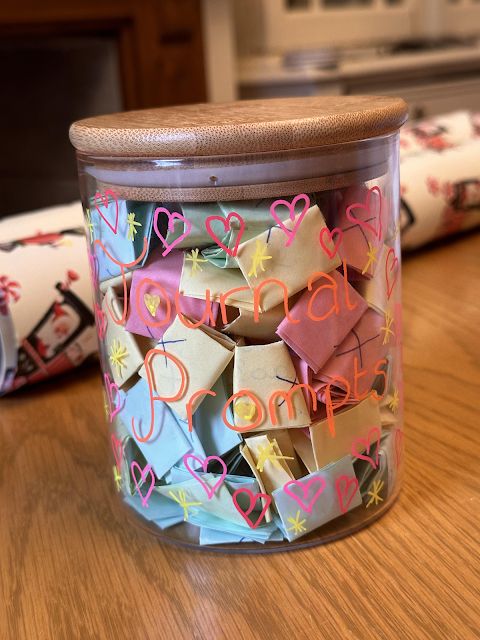
The jar removes the pressure of coming up with a new idea every afternoon. You can also encourage your child to add their own prompts to the jar as they think of them. This makes the activity feel more like a game while giving them a simple creative outlet after a busy school day.
13. Let Them Read in a Cozy Spot
Reading can be a great way for children to slow down after a busy school day while you prepare dinner. Create a comfortable reading spot with a few favorite books, a pillow, and a small blanket. Let your child choose what they want to read instead of making every reading session feel like homework.
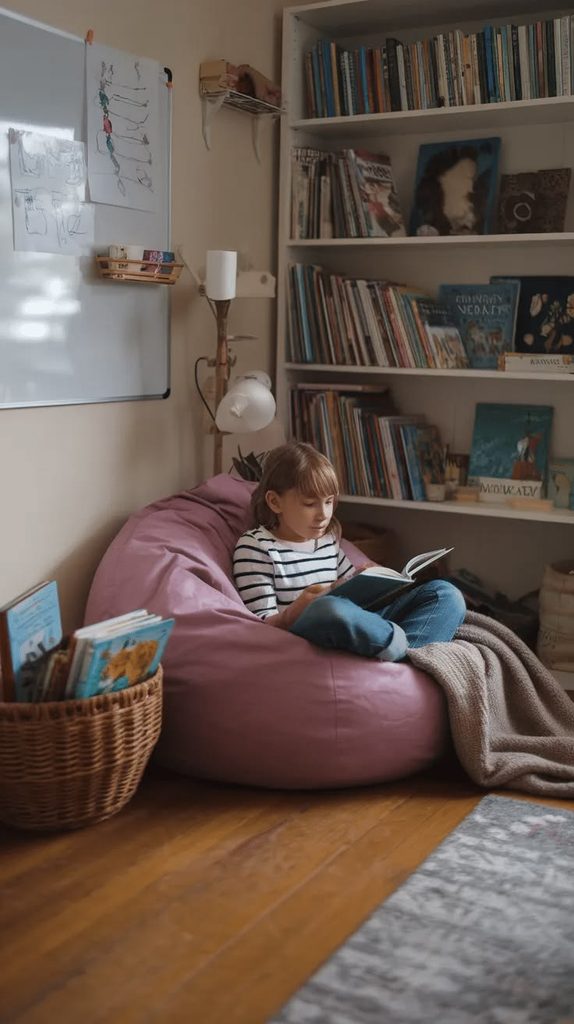
You can keep a small basket of books within easy reach so your child can start without needing your help. Younger children can look through picture books, while older kids can read independently or listen to an audiobook. The goal is to give them a peaceful activity that helps them transition from school into the evening.
14. Create a Pretend Restaurant
Pretend play can keep children entertained while also giving them an opportunity to use their imagination. Tell your child they are opening a restaurant and let them create a pretend menu, arrange a table, and serve stuffed animals or dolls. They can even invent silly meals and give their restaurant a name.
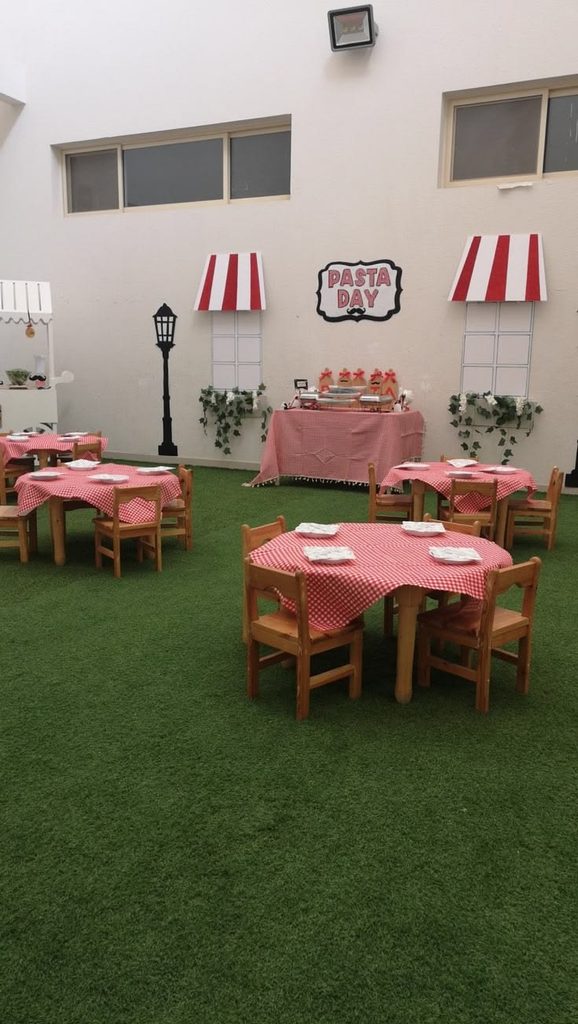
Give them safe play dishes, cups, pretend food, and paper for making menus. You can become their first customer once dinner is ready, which gives you a fun way to connect without having to stop cooking for long.
This type of imaginative play can also become part of 31 Family Fun Night Ideas for Staying Home Together when you want activities the whole family can enjoy later.
15. Give Them a Simple Snack-Plate Challenge
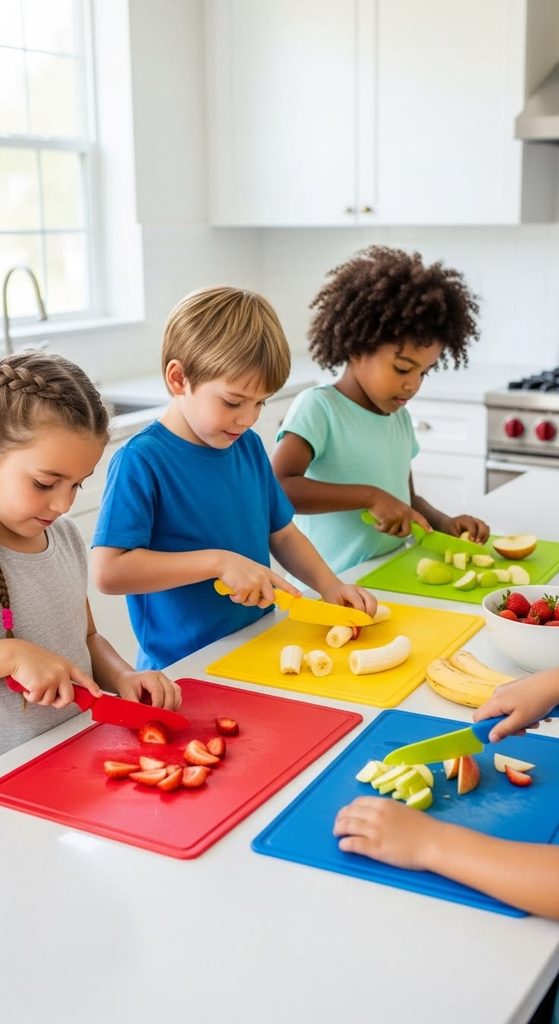
If your child is old enough to safely handle simple foods, turn their afternoon snack into a small creative challenge. Give them safe options such as fruit, crackers, cheese, or yogurt and ask them to arrange everything into a smiley face, rainbow, animal, or colorful pattern.
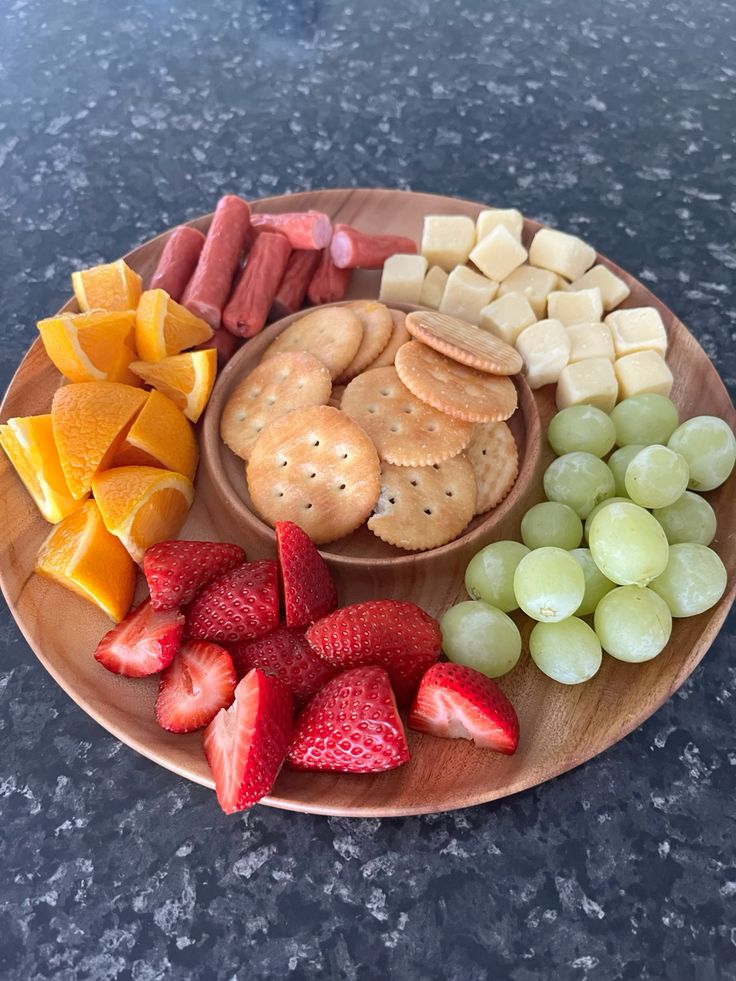
You can prepare the ingredients beforehand so your child does not need to use anything sharp or operate an appliance. Younger children should always have age-appropriate supervision around food. This activity gives them a little independence while also helping them settle their hunger before dinner.
16. Let Them Make Paper Airplanes
Paper airplanes are inexpensive, simple, and entertaining for children who enjoy experimenting. Show your child how to make one basic airplane before you begin dinner, then let them decorate it with crayons or markers. They can give their airplane a name and create a pretend story about where it is traveling.

If you have a safe open area away from the kitchen, let them test how far their airplanes can fly. They can experiment with different folds and see which designs travel differently. It turns an ordinary sheet of paper into a hands-on activity that can occupy them without requiring much preparation from you.
17. Set Up a Small Craft Tray
A dedicated craft tray can make independent activities much easier because your child has everything they need in one place. Add supplies they can safely use without assistance, such as paper, crayons, stickers, glue sticks, and pre-cut shapes. When they get home, they can take the tray to the table and choose what they want to create.
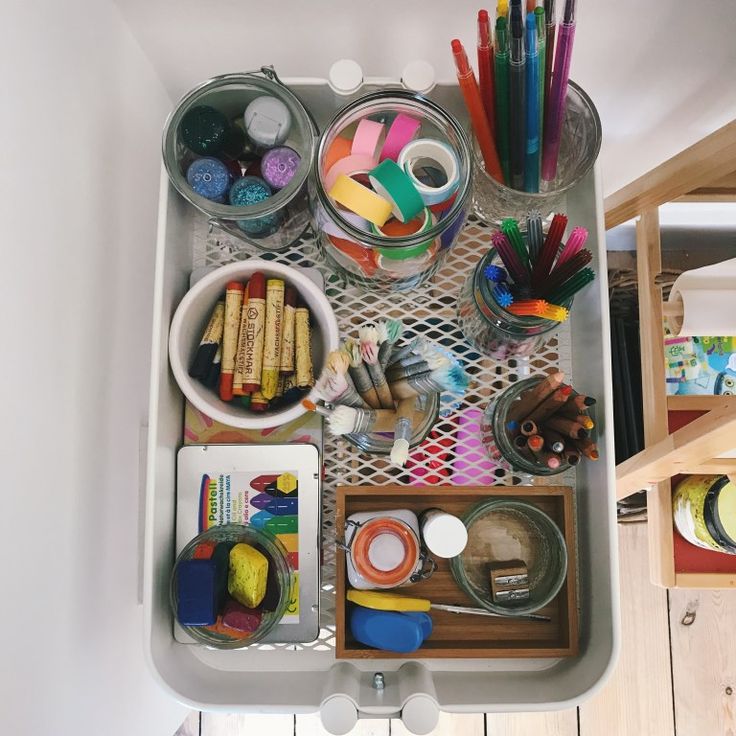
Keeping the supplies contained also makes cleanup less overwhelming for everyone. Teach your child to return the materials to the tray when they finish, so the activity becomes part of their after-school routine.
For more simple craft ideas, 41 Paper Crafts Kids Never Get Bored Of can help you keep the tray stocked with fresh projects.
18. Create a School-Day Drawing
Ask your child to draw something they remember from school that day. They could draw their classroom, teacher, lunch, playground, favorite subject, or something funny that happened. This gives them a creative way to process their day without requiring you to stop cooking and have a long conversation immediately.
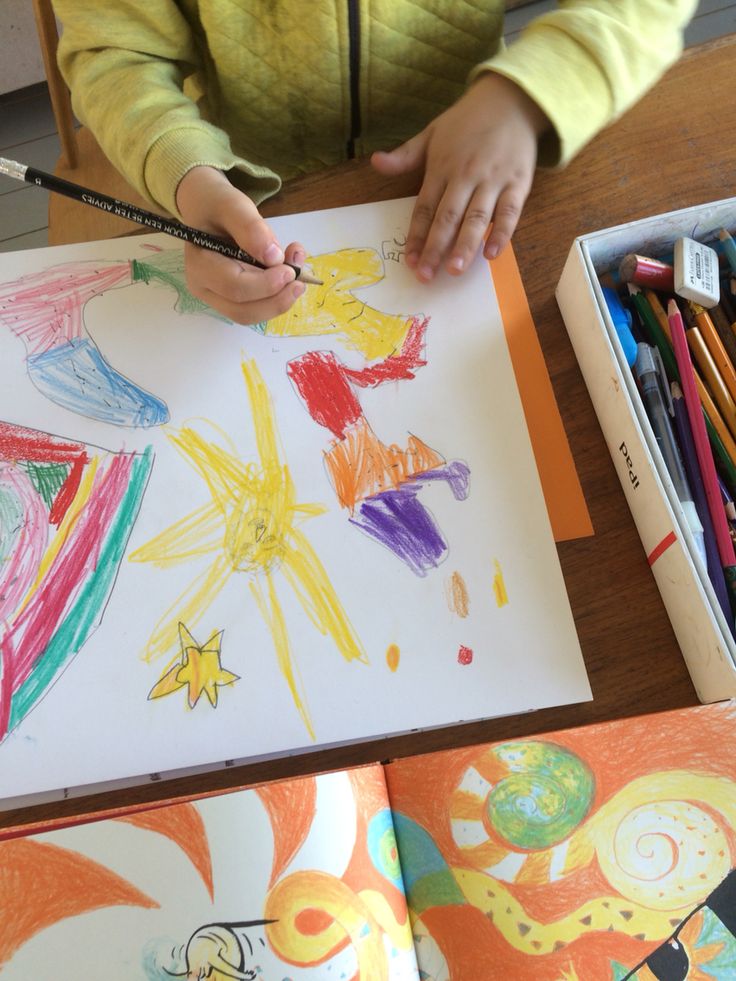
Leave paper and crayons in an easy-to-reach spot so they can start drawing independently. When dinner is ready, ask them to explain their picture if they want to share it. Over time, keeping these drawings in a folder can create a sweet collection of everyday school memories.
19. Make a Simple Nature Collection
If you have a safe outdoor space, let your child spend a few minutes looking for interesting natural objects. They could collect fallen leaves, small sticks, rocks, or other safe items and bring them inside for sorting. Give them a simple challenge, such as finding three different shapes or identifying objects that are rough and smooth.
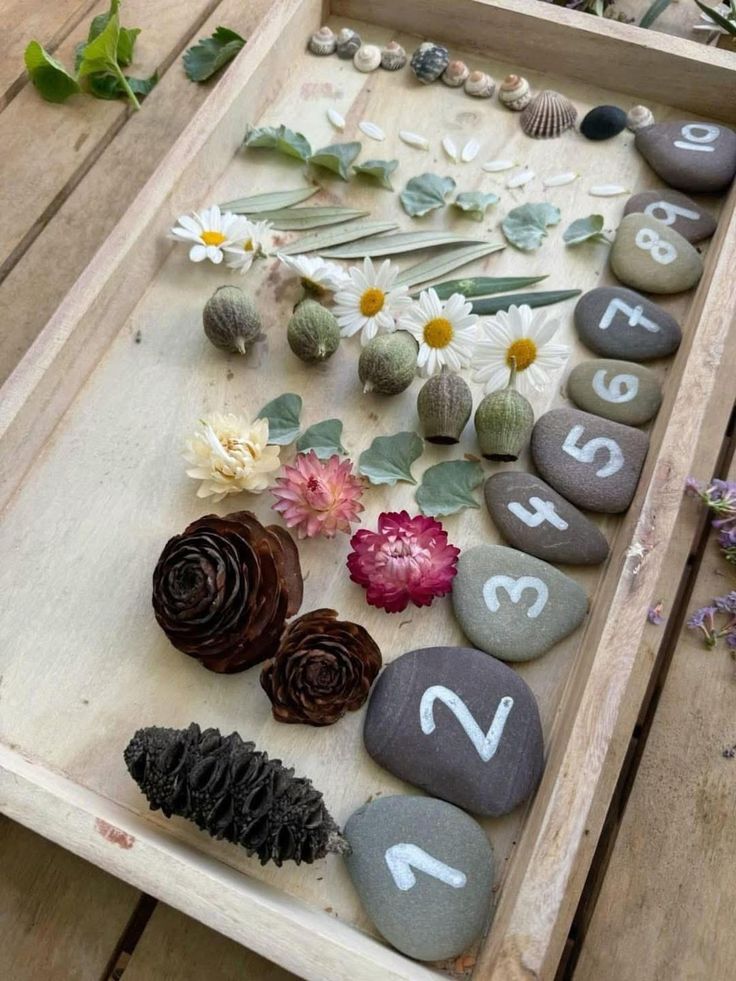
You can also encourage them to arrange their collection into a picture or use the objects as inspiration for a drawing. This gives children a chance to move around after sitting at school while still having a clear activity to focus on.
For more seasonal ideas, 31 Leaf Crafts for Kids That Turn Fall Walks Into Creative Fun can inspire activities using leaves and other natural materials.
20. Let Them Play Pretend School
Children often enjoy switching roles and becoming the teacher after spending their own day at school. Give them some paper, pencils, stuffed animals, and perhaps a small board. They can create a pretend classroom and teach their toys letters, numbers, colors, or even a completely imaginary lesson.

You can make the activity more independent by giving them a few simple instructions before you start dinner. For example, ask them to create three lessons and give each stuffed animal a different job. Once you finish cooking, they can tell you what their pretend students learned.
21. Create a Family Drawing Challenge
Give your child a piece of paper and ask them to draw everyone in the family doing something fun together. They could draw a family picnic, movie night, vacation, holiday celebration, or an imaginary adventure. This activity encourages creativity while also giving you a glimpse into the things they enjoy.
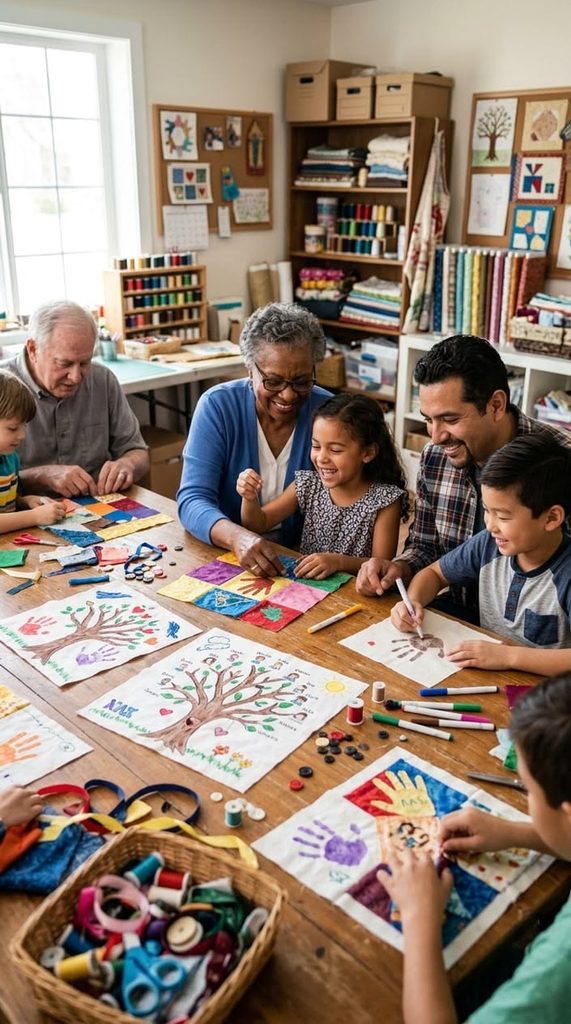
You can make the challenge different each afternoon by choosing a new theme. One day they might draw their dream family vacation, while another day they could design the perfect family game night.
If you want more ideas for connecting as a family, How to Host a Family Movie Night at Home That Everyone Looks Forward To can help you plan another simple evening activity.
22. Make a Family Activity Jar
Create a jar filled with slips of paper containing simple activities your child can choose from after school. Include ideas such as building a tower, drawing a silly animal, reading a book, making a paper airplane, creating a sticker scene, or completing a puzzle. Your child gets to choose the activity, which gives them some control over how they spend their afternoon.
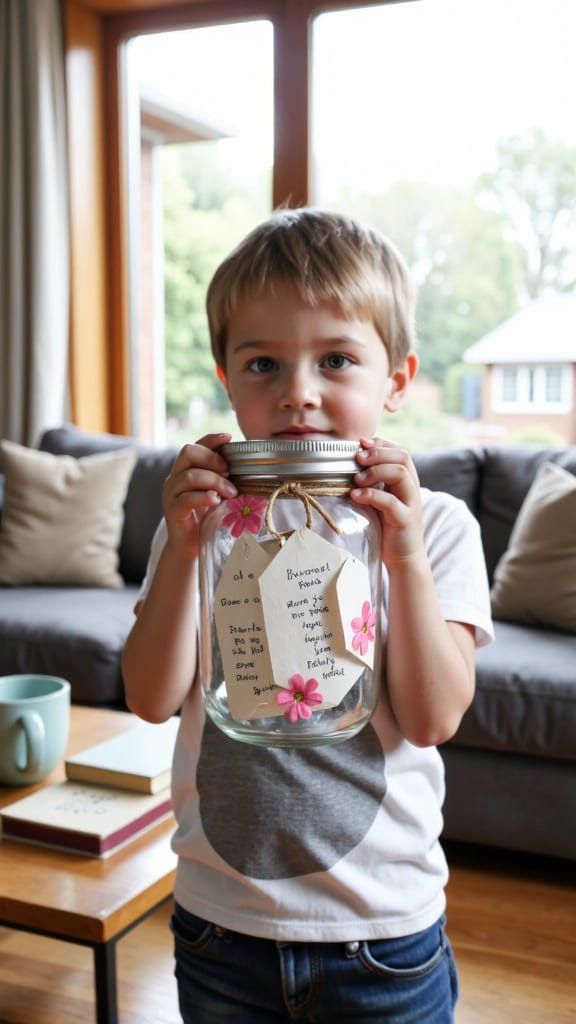
The jar can also reduce the number of times you hear “What should I do?” while you are trying to cook. Add new ideas whenever you think of them, and remove activities that your child no longer enjoys.
You can even make some slips family activities for days when everyone has more time together, such as those found in 31 Family Fun Night Ideas for Staying Home Together.
23. Let Them Make a Fall Craft
A simple fall craft can be a fun way to keep kids occupied during the busy hours before dinner. Give them construction paper, crayons, child-safe scissors, glue, and a few seasonal ideas. They can make pumpkins, leaves, apples, trees, or paper decorations while you work in the kitchen.
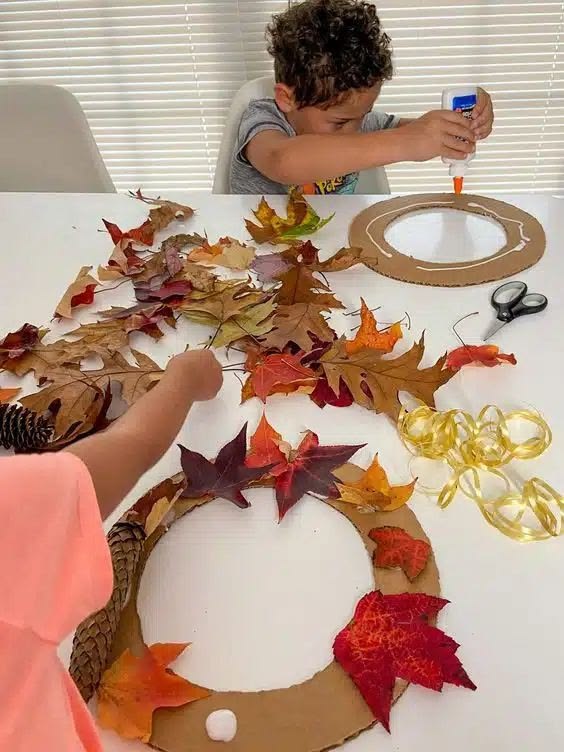
You can prepare the materials ahead of time and place everything on one tray so your child does not need to keep asking for supplies. Seasonal crafts can also become something they look forward to each year.
For more inspiration, 27 Easy Apple Crafts and Activities for Kids offers simple ideas that work especially well during the fall months.
24. Set Up a Quiet Reading and Puzzle Corner
Sometimes children do not need another exciting activity after school. They may simply need a quiet place to unwind. Create a small corner with books, puzzles, activity books, and a comfortable cushion where your child can choose something to do while you make dinner.

Keep the choices limited so they do not become overwhelmed by too many options. You can switch the books and puzzles every few weeks to keep the area interesting. This can also help children learn that quiet time does not have to involve a screen.
25. Create an After-School Activity Routine
Having a predictable routine can make all of these activities easier to manage. Instead of asking your child what they want to do every afternoon, create a simple sequence such as coming home, putting away their backpack, having a snack, choosing an activity, cleaning up, and then getting ready for dinner.
The routine does not need to be strict or complicated. The goal is to help your child know what happens next while giving you a little breathing room during the busiest part of the evening.
For more ideas on building meaningful routines and family habits, 29 After-School Traditions That Help Kids Reconnect After a Busy Day can give you additional ways to make the transition from school to home feel special.
Final Thoughts
The hours between school and dinner do not have to feel like a daily battle. With a few simple After-School Activities Kids can choose from, you can give your children something fun and meaningful to do while you finish cooking.
The key is not having a different activity for every single day, but creating a small rotation that your children already know and enjoy.
Keep a few supplies within easy reach, choose activities that match your child’s age and interests, and remember that independent play does not have to be perfect. Some afternoons may involve crafts, while others may call for LEGO, reading, puzzles, pretend play, or simply drawing at the kitchen table.
When you make these activities part of your regular routine, those hectic pre-dinner minutes can become a little calmer for everyone.