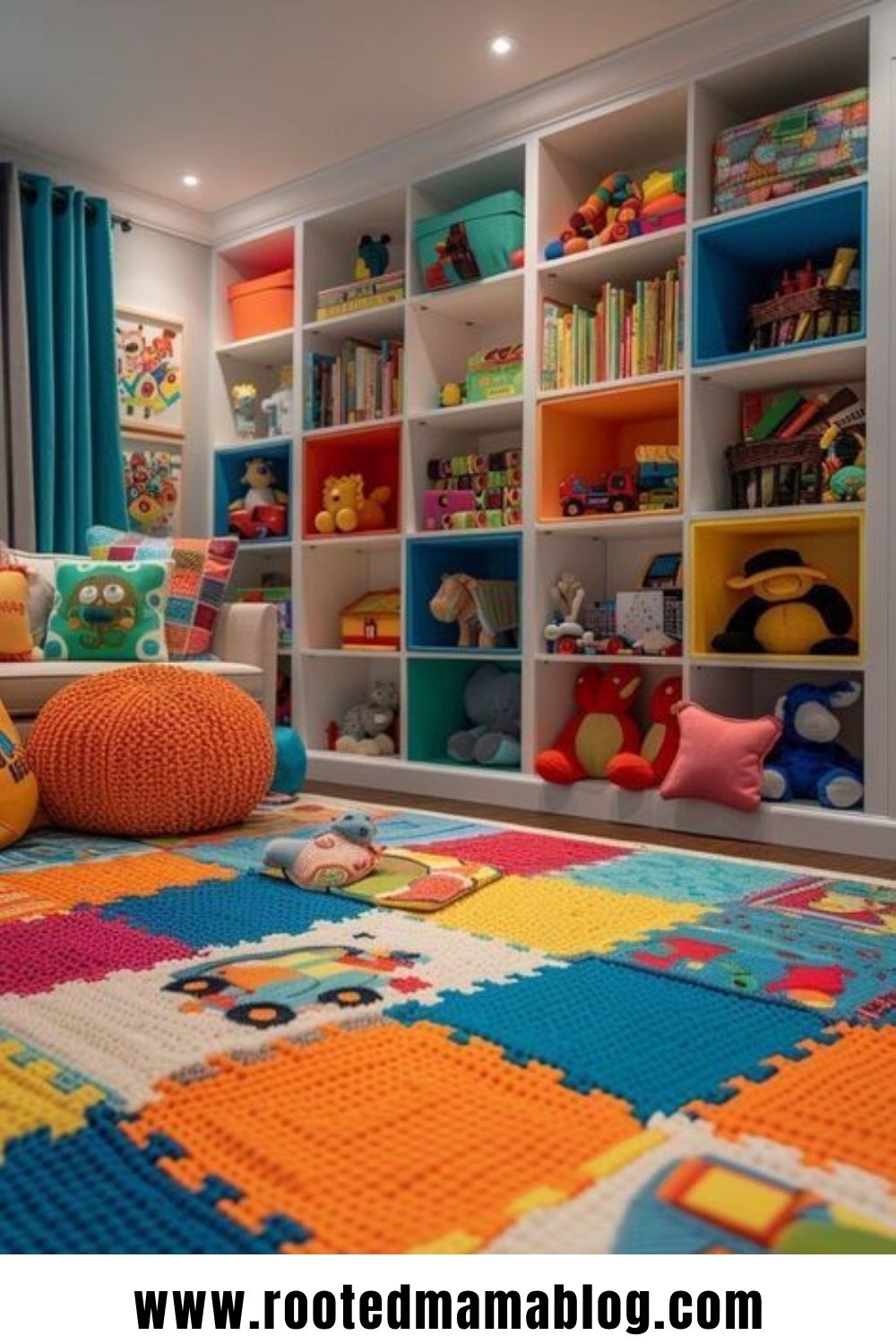
Creating a fun space for your child can feel challenging when your bedroom is already crowded with furniture, clothes, and everyday essentials. You want your little one to have room for imagination, creativity, and independent play, but you also need the bedroom to remain comfortable and organized.
The good news is that How to Create a Play Area in a small bedroom does not require expensive furniture or a complete room makeover. With thoughtful planning, clever storage, and a few creative touches, you can transform even the smallest corner into an inviting space where your child loves spending time.

Imagine your toddler waking up excited to explore a cozy reading corner, build colorful block towers, or enjoy quiet activities before bedtime. You can create these little moments without sacrificing valuable floor space.
Start by exploring 27 Kids Room Design Ideas That Are Fun, Practical, and Stylish for inspiration that balances playfulness with everyday functionality. You can also discover 35 Home Organization Ideas Busy Moms Will Wish They Tried Sooner for practical ways to reduce clutter and make better use of your available space.
The secret is choosing age-appropriate toys, flexible furniture, and storage solutions that keep everything accessible without overwhelming the room. A small rug, wall-mounted shelves, labeled baskets, and a foldable activity table can make a surprising difference.
In this guide, you will discover practical ideas for creating a safe, stimulating play area that grows with your child. Whether you live in a small apartment or share your bedroom with your little one, these simple strategies will help you create a space that encourages play, supports organization, and keeps your home feeling peaceful.
15 Smart Ideas for Creating a Play Area in a Small Bedroom
1. Choose an Unused Corner for Playtime
You do not need an entire room to create a wonderful play space for your child. An unused bedroom corner can become a cozy spot for reading, building blocks, drawing, and imaginative games.
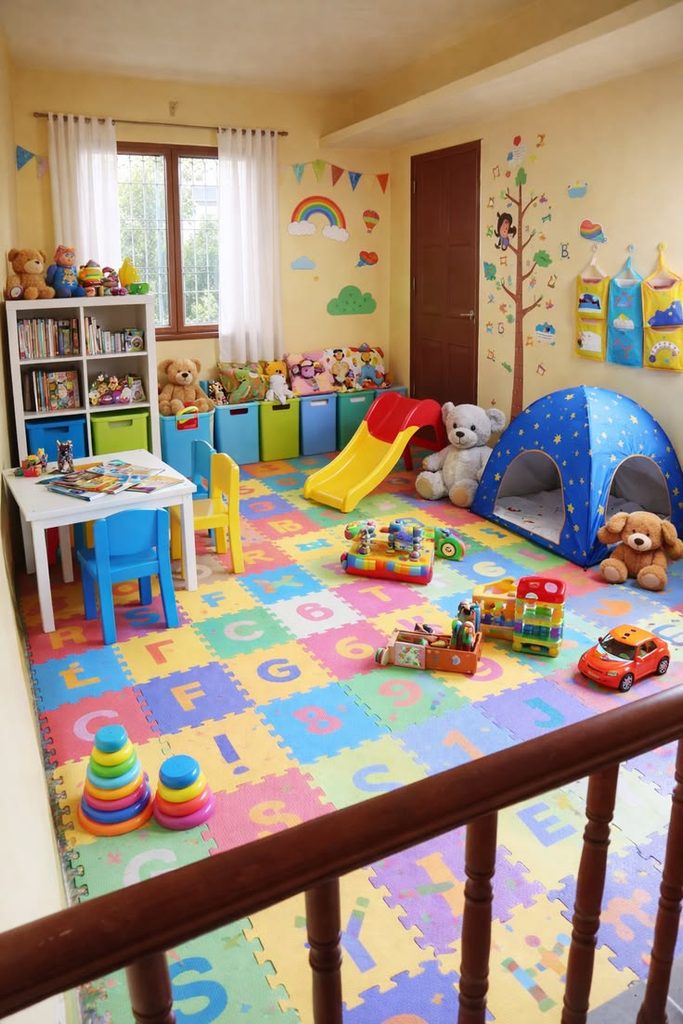
Start by observing how your child uses the room throughout the day. Look for an area away from the doorway and other busy walking paths. Clear unnecessary items, add a soft play mat, and introduce a small basket of favorite toys.
This simple arrangement creates a dedicated play zone without taking over your bedroom. When exploring How to Create a Play Area, remember that thoughtful placement matters more than square footage.
Make the corner feel inviting with a few colorful cushions, a low bookshelf, or child-friendly wall decorations. Keep the setup simple enough for your child to tidy independently.
You can find more inspiration in Kids Room Ideas That Make Every Space Feel Magical for creative ways to personalize small spaces. Choose lightweight items that can be moved easily when you need extra room.
Avoid placing toys near windows, unstable furniture, or electrical cords. With a little creativity, an overlooked corner can become your child’s favorite place to explore, imagine, and play.
2. Use a Small Rug to Define the Play Zone
A rug is an easy way to separate your child’s play area from the sleeping section of a shared bedroom. It creates a visual boundary without requiring screens, bulky dividers, or additional furniture.
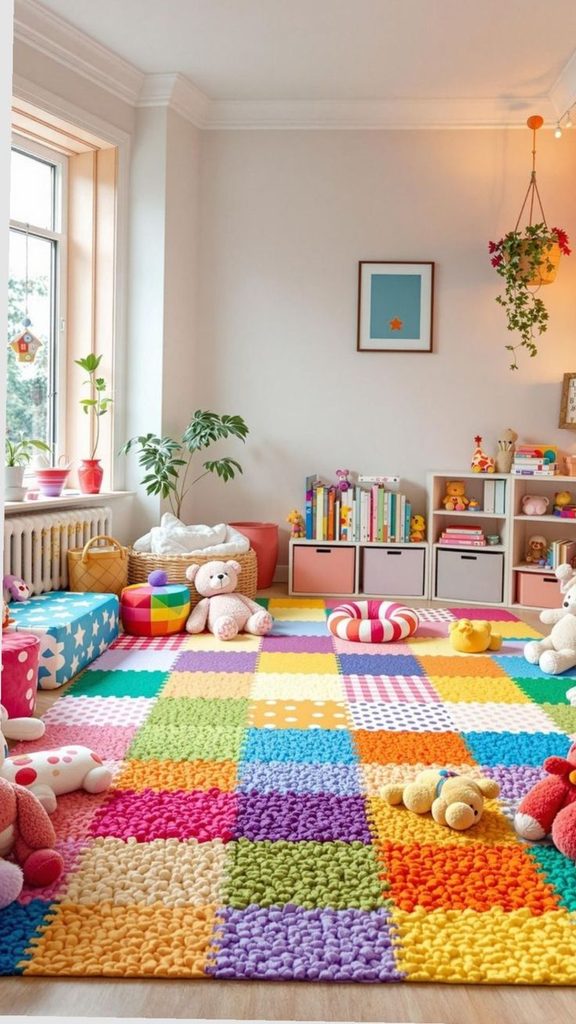
Choose a rug that fits comfortably within the available floor space and provides enough room for your child’s favorite activities. A washable, low-pile rug with a nonslip backing can make cleanup easier and reduce slipping risks. If your child enjoys building towers or arranging toy animals, the rug also provides a comfortable surface for floor play.
Consider colors and patterns that complement the bedroom rather than making the space feel crowded. A simple geometric design, soft neutral shade, or playful pattern can help establish a cheerful atmosphere.
For more inspiration, explore 23 Colorful Kids Room Ideas That Spark Creativity and Joy for ways to introduce personality without overwhelming a small room. Keep the rug away from heaters and ensure its edges do not curl upward.
Choose a size that leaves enough space to open drawers and walk safely around the bed. This small addition can make the play area feel intentional, comfortable, and easy to maintain.
3. Invest in Furniture That Serves Multiple Purposes
When space is limited, every piece of furniture should work hard for your family. Instead of filling the bedroom with separate toy tables, storage units, and seating, consider multifunctional pieces that support several activities. A sturdy storage bench can provide seating while holding books or toys.

A child-sized table with shelves underneath can offer a place for drawing and building. Foldable tables and stackable stools are also useful because you can put them away when playtime ends. These choices help create an organized room without sacrificing the space needed for sleeping and moving around.
Before buying anything, measure your available floor area and check the furniture dimensions carefully. Look for stable designs with rounded edges and secure storage compartments. Avoid heavy pieces that children might climb or pull over.
You can discover budget-friendly inspiration in 19 IKEA Kids Room Ideas That Maximize Small Spaces on a Budget. Choose furniture that suits your child’s current needs while remaining useful as interests change. A well-selected multifunctional piece can reduce clutter, save money, and make your small bedroom feel much more flexible.
4. Make the Most of Vertical Wall Space
When the floor is crowded, your walls can provide valuable storage and display opportunities. Wall-mounted shelves, book ledges, and securely installed organizers can keep toys accessible without taking up precious walking space.
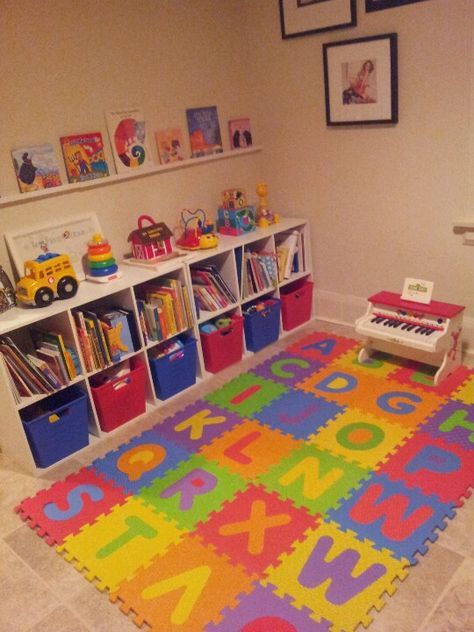
Place frequently used items at a height your child can safely reach. Store heavier objects lower down and reserve higher shelves for items that require adult supervision. You can also display a few favorite books or artwork to make the play area feel personal and inviting.
Choose storage that suits the room’s layout and your child’s age. Ensure shelves are securely attached to appropriate wall supports, and keep furniture anchored to prevent tipping. Avoid placing climbable objects beneath shelves or installing heavy items above the bed.
For additional ideas, explore 25 Kids Room Organization Ideas That Keep Toys and Clutter Under Control. Rotating displayed toys every few weeks can also keep the space interesting without adding more possessions. With a practical vertical storage system, you can free up floor space while creating an attractive and functional play corner.
5. Create a Cozy Reading Nook
A reading nook can transform a small bedroom corner into a peaceful space for stories, quiet play, and bedtime routines. You only need a few thoughtful additions, such as a comfortable floor cushion, a small book basket, and soft lighting suitable for the room.
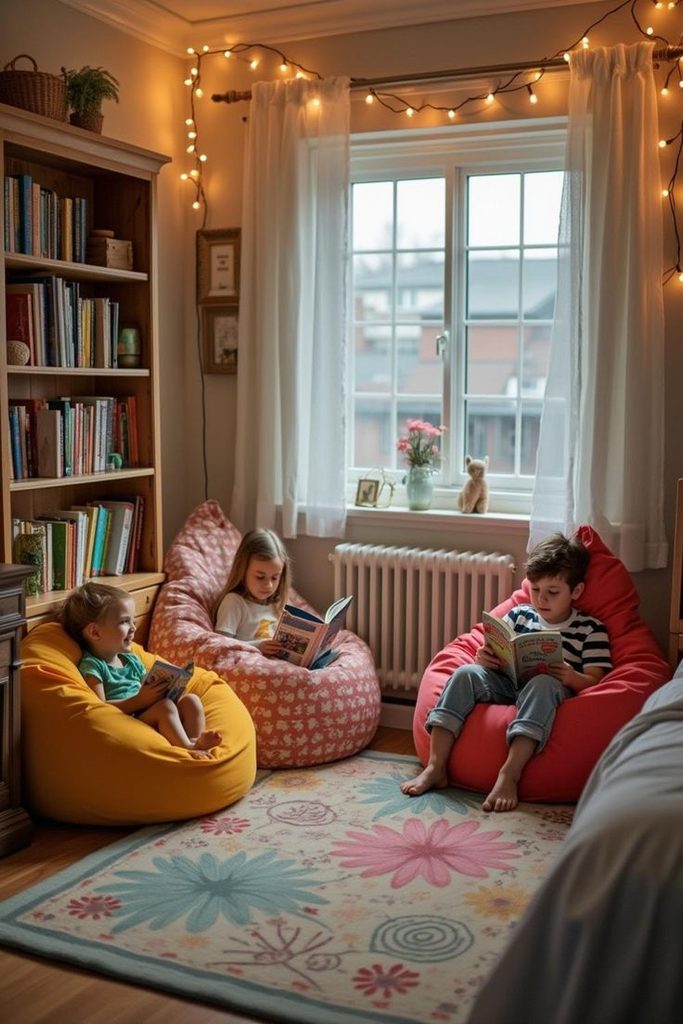
Position the nook somewhere calm, away from the busiest part of the bedroom. Display a handful of age-appropriate books with their covers facing forward, making it easier for your child to choose a story independently.
You can refresh the selection regularly to encourage curiosity without filling the room with books. For ideas that support meaningful family moments, explore How to Start Meaningful Family Traditions Your Kids Will Remember. Reading together can become a comforting daily ritual, especially before bedtime or after a busy day.
Keep cords out of reach and use securely installed lighting rather than unstable floor lamps. If the bedroom also serves as your sleeping space, choose cushions and baskets that can be stored neatly when needed. A simple reading nook encourages imagination while providing a calmer alternative to noisy toys and screens.
6. Use Storage Baskets to Keep Toys Organized
Toys can quickly take over a small bedroom, leaving little room for movement or relaxation. Storage baskets offer a simple solution because they keep playthings together without requiring bulky cabinets.
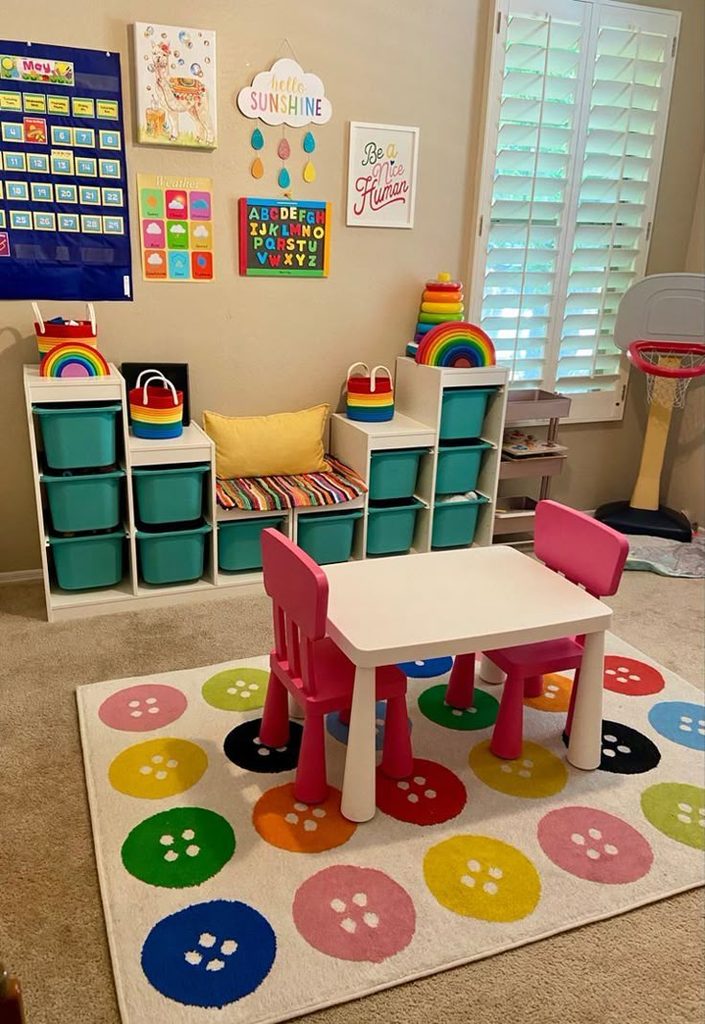
Choose a few baskets for different categories, such as building blocks, dolls, stuffed animals, and art supplies. Place them near the play area so your child can reach frequently used items and return them after playing. Soft baskets with handles are especially convenient because they can move easily between the play corner and other parts of the bedroom.
To make cleanup easier, use picture labels for younger children and written labels for older ones. Avoid filling every basket with toys, as overflowing containers can make the room look cluttered again.
Explore 35 Home Organization Ideas Busy Moms Will Wish They Tried Sooner for additional ways to simplify everyday storage. You can also read Why Your Home Keeps Getting Cluttered and How to Fix It to understand how excess belongings affect your available space.
Keep small items away from babies and toddlers who might swallow them, and choose storage containers without dangerous lids or sharp edges. A simple basket system helps maintain an inviting play area while teaching children useful organization habits.
7. Choose Foldable Tables for Drawing and Crafts
A dedicated craft station can encourage creativity, but a permanent table may consume too much space in a small bedroom. Foldable tables provide a flexible alternative because you can set them up for drawing, coloring, puzzles, and simple crafts.
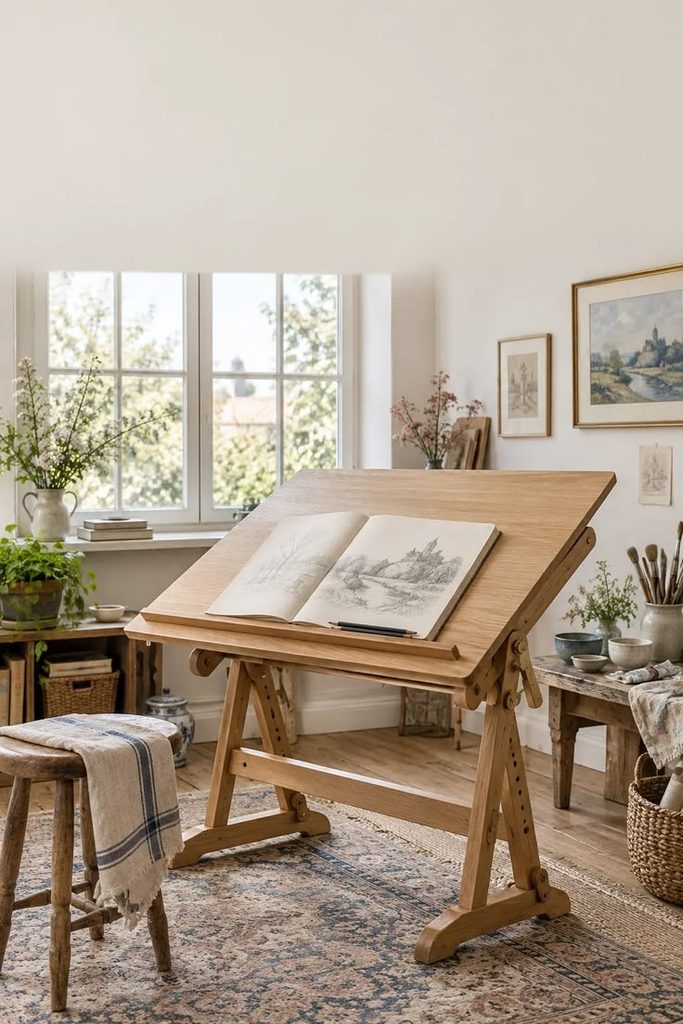
When activities finish, fold the table away and return the floor space to its usual purpose. Pair it with lightweight seating that can stack or slide neatly beneath the table. Keep crayons, washable markers, paper, and other supplies in one portable container for quick setup and cleanup.
Choose a sturdy table with smooth edges and a height appropriate for your child. Supervise activities involving scissors, glue, paint, or other materials that require extra care.
For creative inspiration, explore 21 Easy Crafts Kids Can Make at Home for activities that work with everyday supplies. You might also enjoy 41 Paper Crafts Kids Never Get Bored Of for projects that encourage imagination without requiring expensive equipment.
Start with a small selection of materials rather than buying an entire craft collection. This flexible setup makes it easier to encourage creativity while keeping your bedroom functional and organized.
8. Create a Screen-Free Play Corner
Children do not need expensive electronic toys to enjoy meaningful play. A screen-free corner can encourage storytelling, pretend play, building, drawing, and independent exploration. Start with a few activities your child already enjoys, such as puzzles, toy animals, blocks, or picture books.
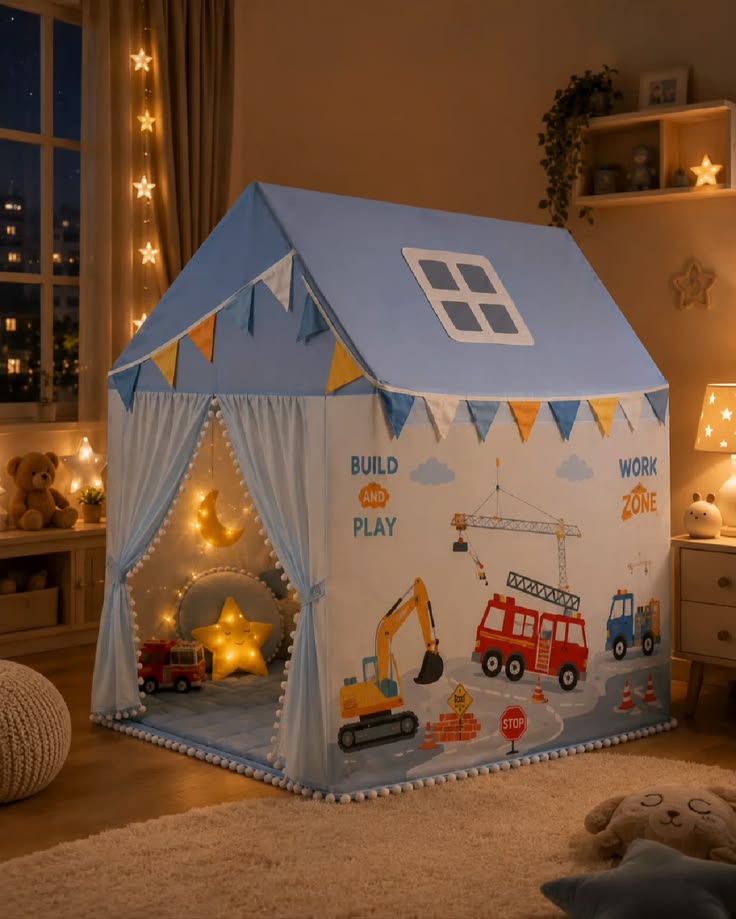
Arrange them in accessible containers and rotate the selection occasionally to maintain interest. You can also introduce simple imaginative prompts, such as building a pretend shop or creating a home for stuffed animals. These activities encourage problem-solving and creativity while making good use of limited bedroom space.
To make screen-free play part of your daily routine, establish a predictable time for quiet activities. Keep the space inviting without filling it with too many choices. Explore How to Create a Screen-Free Routine Your Kids Will Actually Enjoy for practical ideas that make the transition easier.
You can also discover 25 Indoor Activities for Kids That Beat Boredom for additional activities that fit comfortably into a small room. Follow your child’s interests and adjust activities according to their age and abilities. With a little preparation, even a compact corner can provide plenty of opportunities for imaginative play without relying on screens.
9. Make Use of Under-Bed Storage
The space beneath a bed can become valuable storage when a bedroom has limited floor space. Flat storage containers, suitable rolling drawers, or shallow baskets can hold toys, dress-up clothes, puzzles, and other play materials.

This arrangement keeps belongings accessible without adding another large cabinet to the room. Choose containers that fit beneath the bed comfortably and slide out without scratching the floor. Clear containers can make finding items easier, while labeled boxes help older children identify where everything belongs.
Before organizing the space, sort through existing toys and keep only the items your child currently uses. Avoid storing heavy objects where children might struggle to retrieve them, and ensure drawers or containers cannot trap little fingers.
If your child shares the room with a sibling, assign separate containers to reduce confusion. For more inspiration, explore 21 Shared Kids Room Ideas That Keep the Peace and Look Beautiful for ways to balance individual needs in limited spaces.
Under-bed storage works best when every container has a purpose and the contents remain manageable. This simple strategy can free up visible space while keeping favorite toys nearby.
10. Design a Mini Pretend-Play Station
Pretend play allows children to explore everyday experiences through imagination. Even a small bedroom can accommodate a mini play kitchen, dollhouse, toy shop, or dress-up station. Choose one main theme based on your child’s interests instead of trying to include every possible toy.
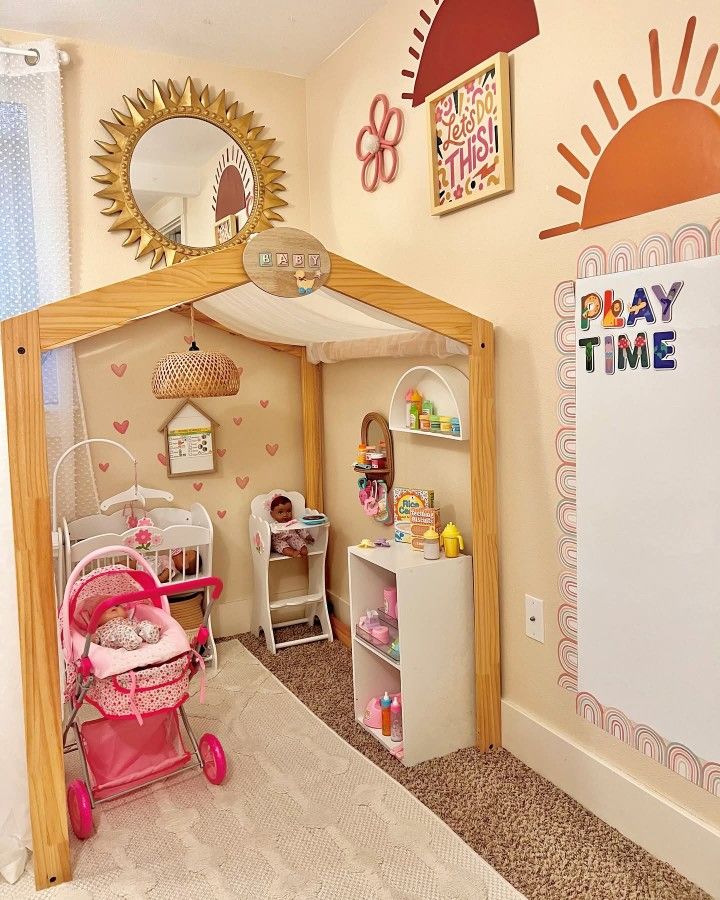
A small basket of pretend food, a few toy dishes, or a compact dollhouse can provide hours of creative entertainment. You can also use an existing low shelf as a pretend shop counter or display area, provided it is stable and suitable for your child.
Keep accessories limited and store them in a labeled container after playtime. This prevents tiny props and pretend-play items from spreading across the entire bedroom.
Explore 50 Easy Kids Activities at Home That Keep Little Ones Busy for additional ideas that encourage independent play. You can also try How to Build a Daily Routine That Helps Babies and Toddlers Thrive to make room for playtime within your family’s everyday schedule.
Choose age-appropriate toys without small detachable parts for children who still put objects in their mouths. A thoughtfully arranged pretend-play station can make a tiny corner feel like a whole new world.
11. Add a Small Indoor Climbing or Movement Zone
Children need opportunities to move, stretch, and release energy, even when outdoor play is not possible. However, adding large climbing equipment to a small bedroom can create safety concerns and reduce valuable floor space.
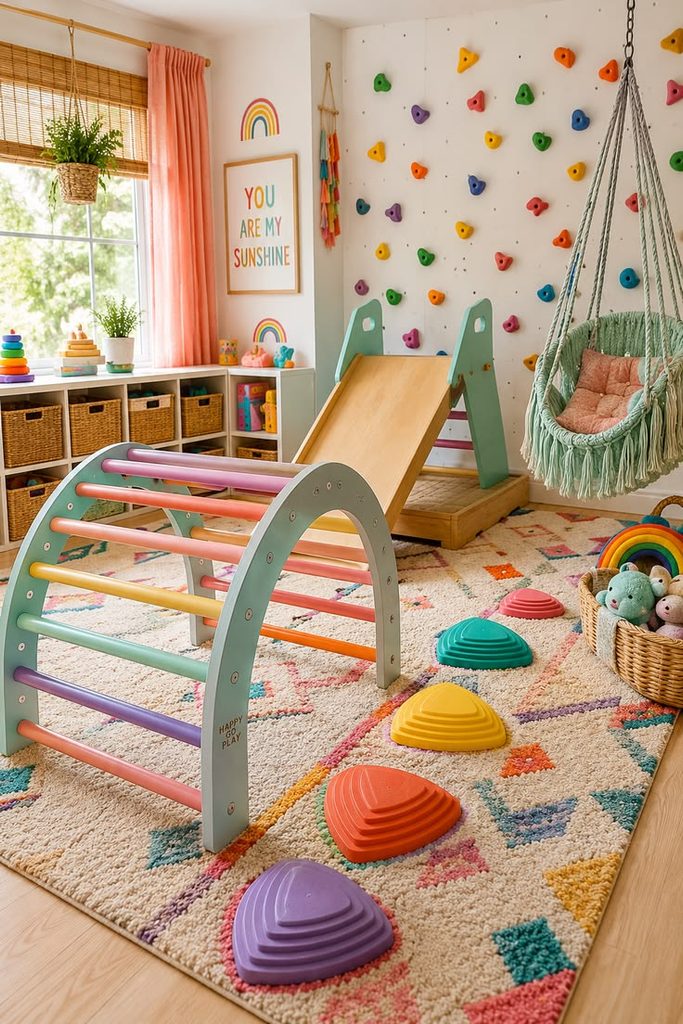
Instead, consider simple movement activities that require minimal equipment. You could create a small area for dancing, stretching, balancing games, or gentle movement challenges.
Keep the floor clear and use a suitable nonslip mat to define the activity zone. This approach encourages active play without overcrowding your child’s sleeping space.
Choose activities according to your child’s age, abilities, and available room. Avoid placing climbing structures near windows, beds, shelves, or other furniture that could increase injury risks. Never leave young children unsupervised during activities involving climbing or balancing.
For more inspiration, explore 25 Fine Motor Activities for Toddlers That Build Hand Strength Through Play for development-friendly activities.
You can also discover 25 Montessori Activities for Toddlers Using Everyday Items for simple play ideas that encourage exploration. With a little creativity, you can support movement and learning without turning your bedroom into a crowded indoor playground.
12. Use a Toy Rotation System to Reduce Clutter
Having too many toys available at once can make a small bedroom feel messy and overwhelming. Children may also struggle to decide what to play with when every toy is visible. A toy rotation system solves this problem by keeping only a small selection accessible at any time.
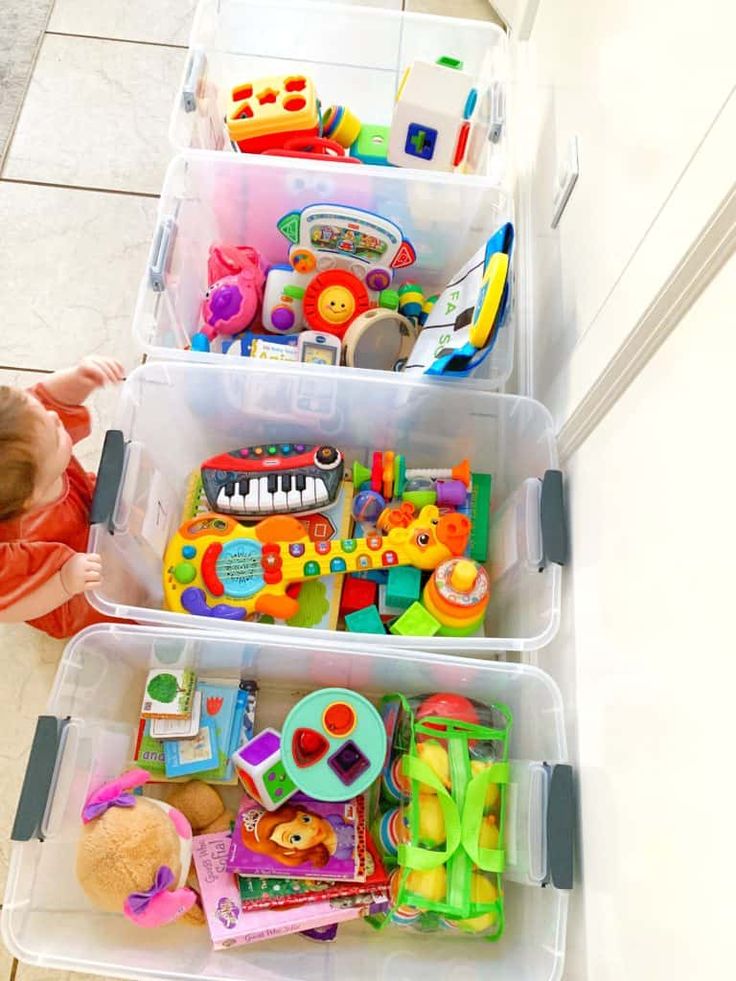
Start by sorting toys into categories and choosing a manageable group for everyday play. Store the remaining toys in clearly labeled containers inside a closet or another safe storage area. After a week or two, swap some toys to introduce variety without purchasing anything new.
Pay attention to the activities your child enjoys most and adjust the rotation accordingly. Keep favorite comfort items available rather than putting everything away. This system also makes cleanup easier because fewer items are scattered across the room.
For more practical strategies, explore 25 Kids Room Organization Ideas That Keep Toys and Clutter Under Control. You can also read How to Make a Kids’ Room Feel Bigger Without Remodeling for additional space-saving ideas.
Check stored toys regularly for broken parts, damaged materials, or items your child has outgrown. A thoughtful rotation system keeps the play area fresh, organized, and enjoyable.
13. Add Wall Decorations That Inspire Imagination
Decorations can make a small play area feel magical without taking up floor space. Consider removable wall decals, colorful prints, alphabet posters, or framed pictures that reflect your child’s interests. You might choose animals, outer space, nature, or favorite storybook themes.
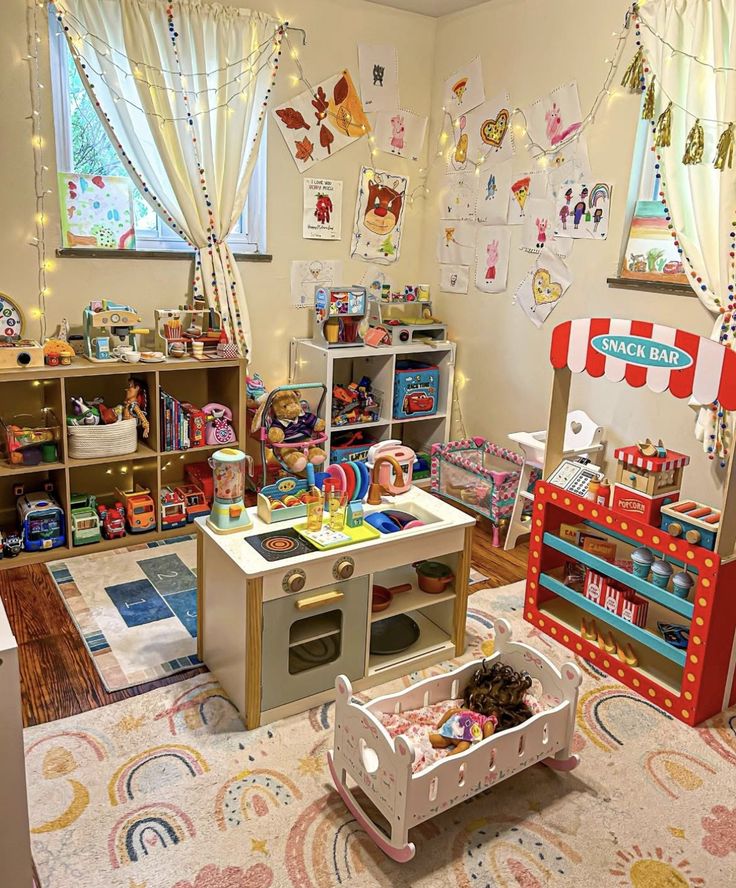
A simple feature wall can give the play corner its own identity while helping the bedroom feel coordinated. Choose a few decorations that work together instead of covering every available surface. This keeps the room visually comfortable and prevents the play area from feeling crowded.
Involve your child in selecting colors or pictures whenever possible. Their participation can make the space feel special and encourage a sense of ownership. Explore 27 Easy Toilet Paper Roll Crafts for Kids They’ll Actually Love for creative projects that could inspire homemade decorations.
You can also discover 23 Colorful Kids Room Ideas That Spark Creativity and Joy for more ways to introduce playful details. Secure frames properly, avoid heavy objects above sleeping areas, and keep stickers or detachable decorations away from children who might swallow them. Thoughtful wall decor adds personality while preserving the valuable floor space your child needs for play.
14. Create a Calm Corner for Quiet Activities
Not every play activity needs to be energetic or noisy. A calm corner gives your child a comfortable place for reading, puzzles, drawing, or relaxing after a busy day. This can be especially helpful in a shared bedroom where several activities happen within the same space.
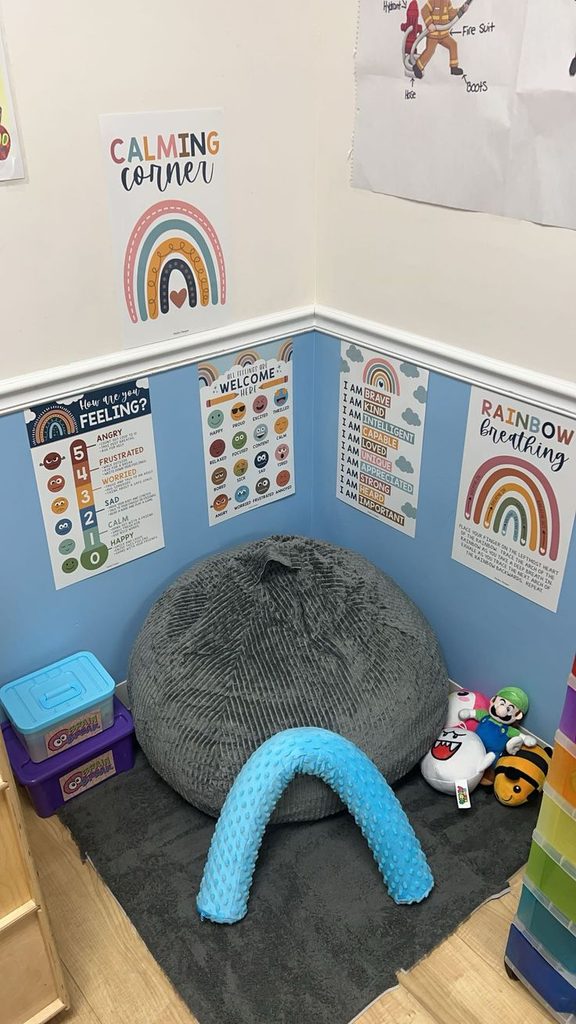
Add a floor cushion, a small book basket, and a few quiet toys. Choose soft colors and keep the arrangement simple so the area feels peaceful rather than overstimulating. You can move the cushion or basket when you need more space for other activities.
Establishing a predictable quiet-time routine can help children transition between play, meals, and bedtime. For inspiration, explore 29 After-School Traditions That Help Kids Reconnect After a Busy Day for simple ways to create meaningful moments together.
You might also enjoy 31 Family Fun Night Ideas for Staying Home Together for activities that bring everyone together without leaving home. Keep the calm corner free from unnecessary clutter and choose activities suited to your child’s age. A peaceful spot can support independent play while helping your bedroom remain a restful environment for the whole family.
15. Keep the Play Area Safe, Flexible, and Easy to Maintain
The best small-bedroom play area is one that works for your family every day. Beautiful decorations and clever storage are helpful, but safety and practicality should always come first. Secure tall furniture to the wall, cover accessible electrical outlets where appropriate, and keep cords away from play spaces.

Choose age-appropriate toys, maintain clear walking paths, and remove damaged items regularly. If your child is very young, pay special attention to choking hazards, unstable furniture, and objects that could fall from shelves. Regular checks help you identify problems before they become serious.
Make tidying part of your everyday routine instead of leaving everything until the weekend. Encourage your child to return toys to their baskets before bedtime, and review the setup as their needs change.
For further inspiration, explore How to Create a Shared Bedroom for Kids With Different Ages if siblings use the same space. You can also discover 35 Things Every First-Time Mom Should Know Before Baby Arrives for helpful ideas about preparing a home for a growing family.
Remember, How to Create a Play Area is ultimately about making the most of the space you have. With thoughtful planning, a few flexible items, and consistent organization, your small bedroom can support imaginative play while remaining comfortable and welcoming.
Final Thoughts
Creating a play area in a small bedroom does not require a large room, expensive furniture, or a complete makeover. With a little creativity, you can transform an unused corner into a fun, comfortable space where your child can read, draw, build, and explore.
Simple additions like storage baskets, a soft rug, foldable furniture, and wall-mounted shelves can make a significant difference. The secret to How to Create a Play Area is choosing practical solutions that suit your child’s needs while keeping the bedroom organized and comfortable.
Remember to prioritize safety, choose age-appropriate toys, and keep the play area easy to maintain. Rotate toys regularly to reduce clutter and introduce fresh activities without buying more supplies.
For additional inspiration, explore 25 Kids Room Organization Ideas That Keep Toys and Clutter Under Control to discover practical storage solutions. You can also check out 27 Kids Room Design Ideas That Are Fun, Practical, and Stylish for creative ways to make your child’s bedroom more inviting.
Most importantly, remember that children do not need elaborate playrooms to enjoy meaningful play. A small, thoughtfully arranged corner can encourage imagination, independence, and creativity every day. Involve your child in choosing toys, arranging books, and decorating the space.
This helps them feel connected to their little play area while learning to care for their belongings. Start with what you already have, make small changes as needed, and enjoy watching your child turn a tiny corner into a world of exciting possibilities.

