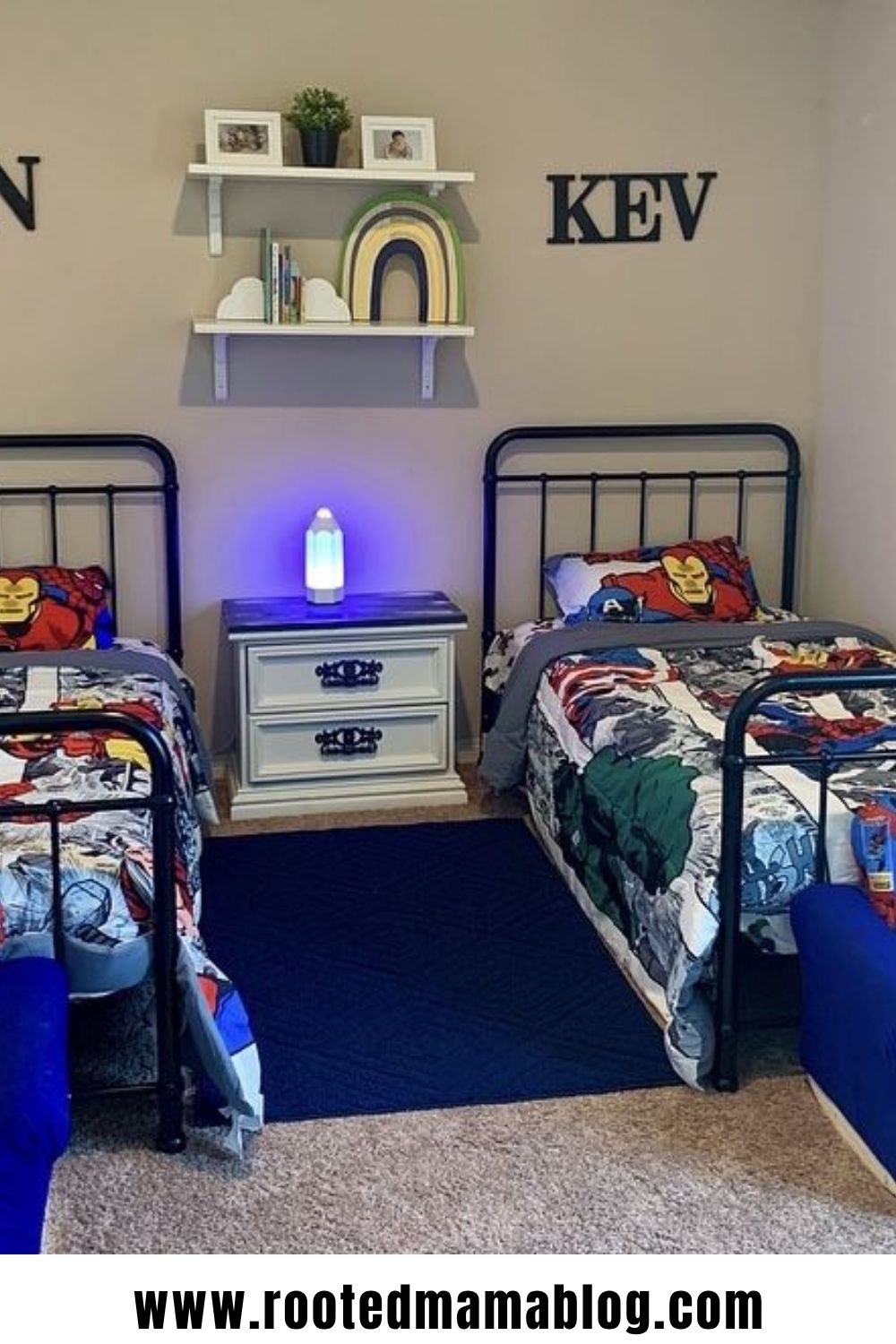
Creating a shared bedroom for kids with different ages can feel like solving a puzzle, especially when one child still loves toys and bedtime stories while the other wants privacy, independence, and a little more space.
As a parent, you want both children to feel comfortable in their room without constantly arguing over toys, personal belongings, bedtime routines, or who gets to use which corner. The good news is that you do not need a large house or an expensive bedroom makeover to make it work.
With thoughtful planning, smart storage, and a few age-appropriate design choices, you can create a room that feels welcoming to both children. If you are looking for inspiration, explore these 27 Kids Room Design Ideas That Are Fun, Practical, and Stylish to discover creative ways to combine comfort, personality, and functionality.
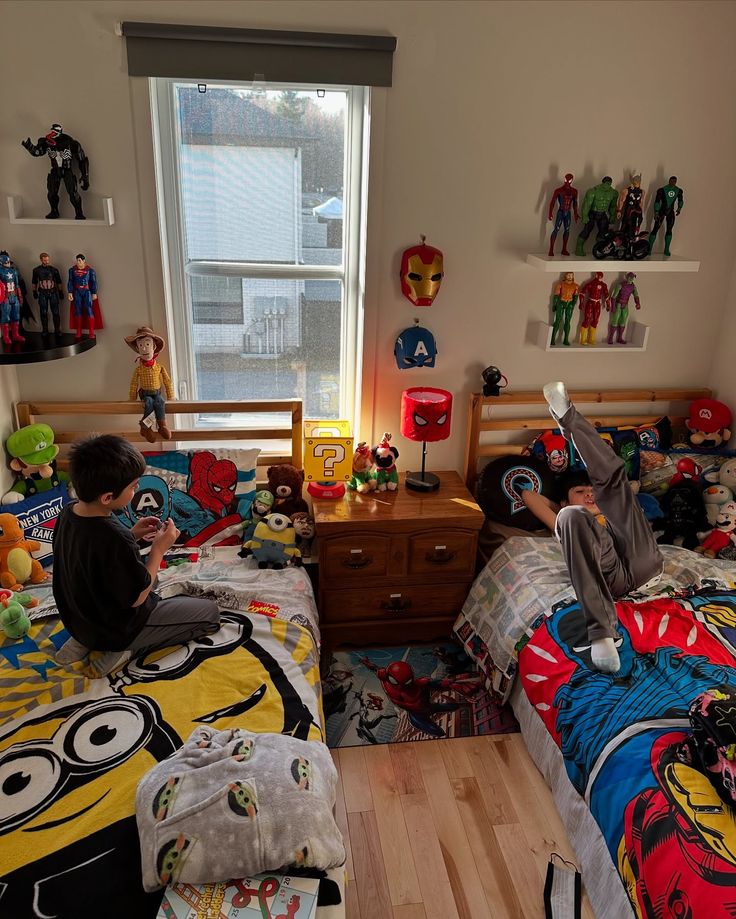
The biggest challenge often comes when the age gap affects how your children use their space. A toddler may need a safe play area and an early bedtime, while a school-aged child needs somewhere quiet to read, complete homework, or enjoy personal hobbies.
Meanwhile, you might worry that the younger child will disturb the older one or that the older sibling will feel forced to share everything. A well-planned shared bedroom for kids should respect these differences instead of expecting both children to follow the same routine.
For example, you can create separate sleeping zones, give each child a personal storage basket, and use soft lighting to make bedtime easier. You can also borrow practical ideas from these 21 Shared Kids Room Ideas That Keep the Peace and Look Beautiful to make the room feel balanced without sacrificing either child’s personality.
The goal is not to make everything perfectly symmetrical or give both children identical furniture. Instead, focus on creating a bedroom where each child feels that they belong. Small changes, such as choosing individual bedding, dividing toy storage, adding a reading corner, or establishing simple rules for shared belongings, can make everyday life much easier.
You can even involve both children in choosing colors, decorations, and special items for their sides of the room. Their ages may be different, but both deserve a space that feels safe, fun, and personal.
In this guide, you will discover practical ways to organize a shared bedroom for kids, manage different sleep schedules, create privacy, and prevent common sibling conflicts without stretching your budget.
How to Create a Shared Bedroom for Kids With Different Ages
1. Plan the Bedroom Around Each Child’s Age and Needs
Before buying furniture or moving things around, think about how each child uses the bedroom throughout the day. A toddler may need room to play, easy access to toys, and a safe place to sleep.
Meanwhile, an older child might need a desk, a bookshelf, or somewhere to keep school supplies away from little hands. When you understand these differences, you can create a shared bedroom for kids that works for everyone instead of forcing both children into the same routine.

Start by observing what causes the most frustration in your current setup. Perhaps the younger child keeps grabbing the older sibling’s stationery, or the older child complains that toys cover every available surface. These small problems can help you decide where to place furniture and which belongings need separate storage.
You should also consider your children’s personalities. One child might enjoy colorful decorations, while the other prefers neutral colors and a quieter atmosphere. You can combine both preferences without making the room look messy. For example, choose a simple shared color palette and let each child personalize their bedding, wall art, or bedside accessories.
If you need inspiration for a smaller room, explore 19 IKEA Kids Room Ideas That Maximize Small Spaces on a Budget. You may discover practical furniture arrangements that help both children enjoy their own space without overcrowding the bedroom.
2. Create Separate Sleeping Zones
Sleep is often one of the biggest challenges when children share a room at different ages. A toddler might need an early bedtime, while an older sibling wants to read, draw, or prepare for the next school day. Without a clear sleeping arrangement, bedtime can quickly become frustrating for everyone.
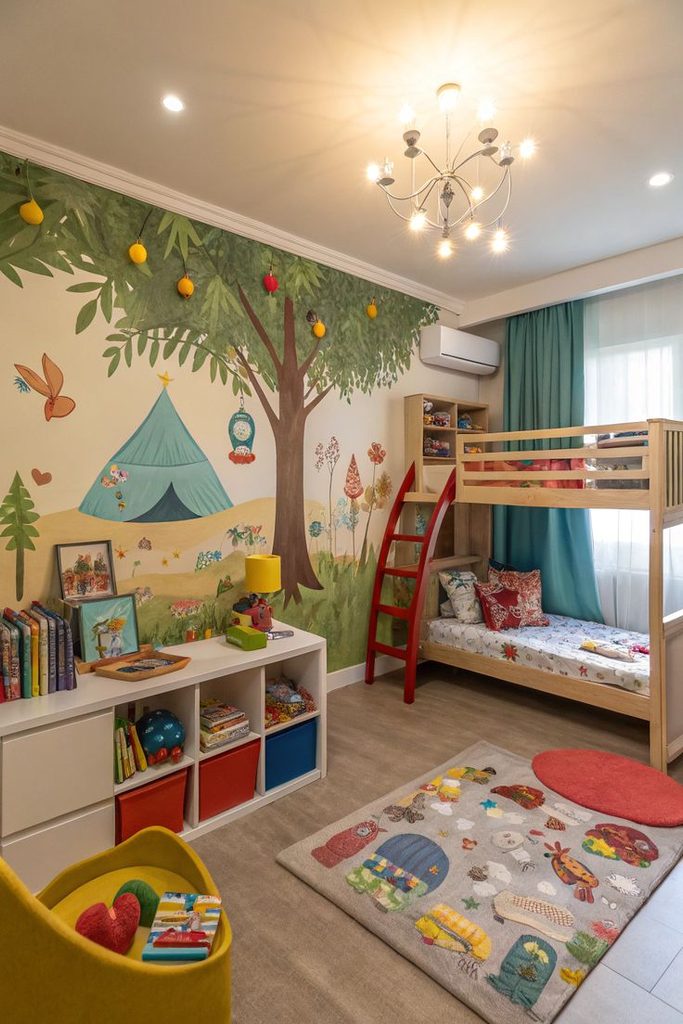
Start by giving each child a designated sleeping area. Depending on the room size, you could use two single beds, a toddler bed beside a larger bed, or bunk beds designed for the children’s ages and abilities. Always follow the manufacturer’s age and safety guidance when choosing bunk beds. Never place a young child on an upper bunk.
You can make the sleeping areas feel separate without building a permanent divider. For instance, position the beds on opposite walls or use a low bookshelf to create visual separation. Matching bedding can make the room feel coordinated, while different colors help each child identify their own bed.
Soft bedside lighting can also help. An older child might enjoy a small reading light, while the younger child benefits from a gentle night-light. Keep cords out of reach and choose safe, age-appropriate lighting.
For additional inspiration, browse 31 Cozy Bedroom Decor Ideas for Busy Moms Who Need a Calmer Space and adapt the soothing colors and comfortable textures to your children’s room.
3. Choose Furniture That Grows With Your Children
Buying separate furniture for every stage of childhood can become expensive. Fortunately, you can save money by choosing versatile pieces that remain useful as your children grow.
For example, an adjustable desk can serve an older child’s homework needs now and become a more substantial study area later. Stackable storage bins can hold toddler toys today and school supplies or craft materials in the future. A sturdy wardrobe with adjustable shelves can accommodate changing clothing sizes without requiring a complete replacement.
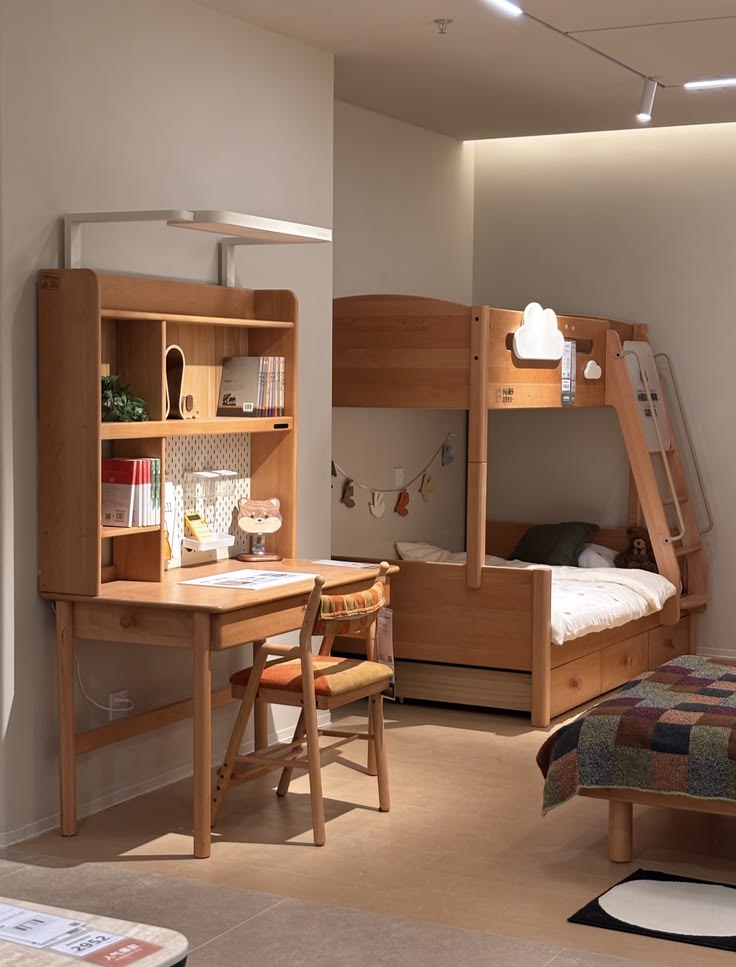
When choosing furniture, measure the room before making purchases. Leave enough walking space between beds, wardrobes, and doors. You should also consider where drawers open and whether either child can reach their belongings independently.
Avoid filling every corner with furniture simply because the bedroom serves two children. An open patch of floor can be more valuable than another cabinet, especially when the younger child needs room to play.
If you are working with a particularly small bedroom, read How to Make a Kids’ Room Feel Bigger Without Remodeling for ideas that can help you use vertical space, improve furniture placement, and create a less crowded appearance.
4. Give Each Child Personal Storage
One of the easiest ways to reduce arguments in a shared bedroom for kids is to give each child a place for personal belongings. Children may share a wardrobe, bookshelf, or toy cabinet, but they should still understand which items belong to them.
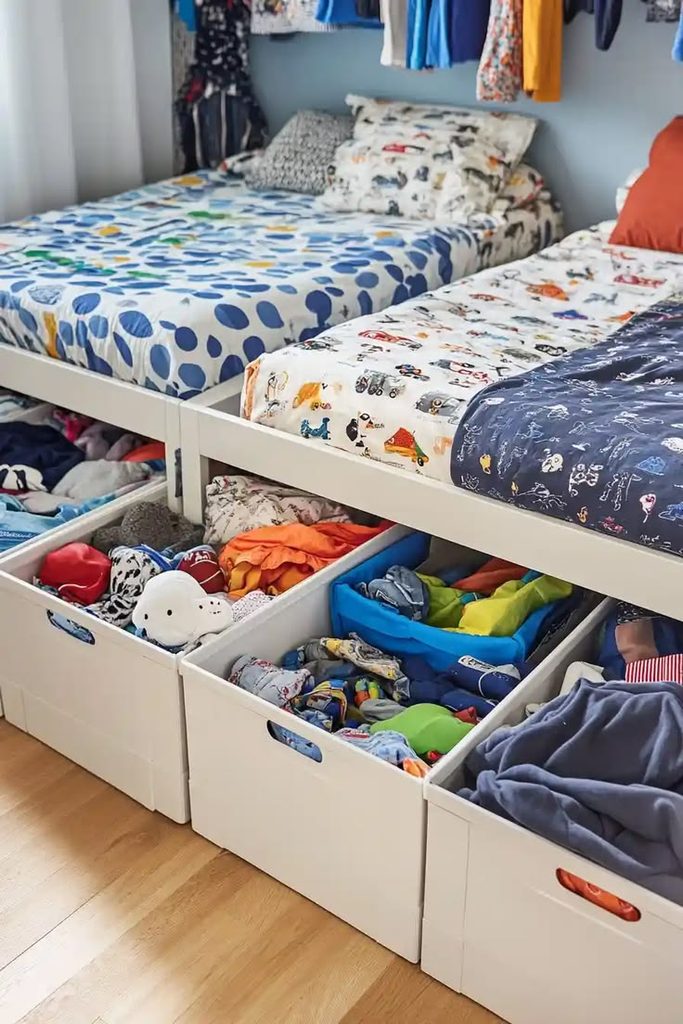
Imagine an older child returning from school and finding their favorite pencils scattered across the floor because their younger sibling wanted to draw. The older child becomes upset, the younger child feels confused, and you end up settling another disagreement. Separate storage can prevent many situations like this.
Use individual baskets, drawers, cubbies, or small bedside organizers. Assign each child a specific color or section so they can identify their belongings easily. You can also create a shared basket for toys and books that both children enjoy.
Keep small objects, batteries, craft tools, and other potentially hazardous items away from young children. If the older sibling collects tiny toys or building pieces, store them in secure containers that the younger child cannot access.
For more practical solutions, explore 25 Kids Room Organization Ideas That Keep Toys and Clutter Under Control. These ideas can help you establish a simple system that both children can follow without needing constant reminders.
5. Divide the Room Into Functional Zones
A shared bedroom becomes easier to manage when each area has a clear purpose. Instead of treating the entire room as one large sleeping and play space, divide it into smaller zones that support different activities.
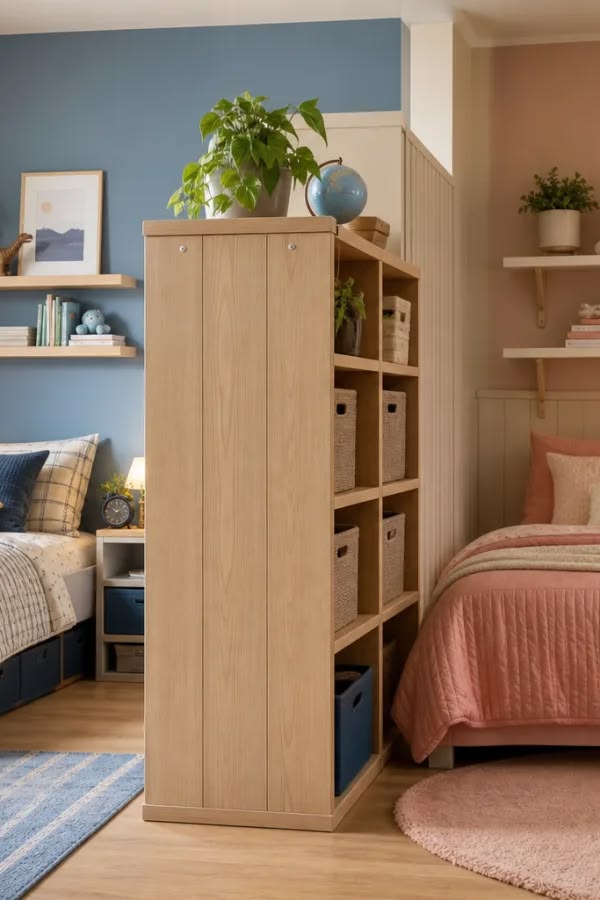
For instance, place the beds in one area, create a play corner for the younger child, and reserve a small desk or reading nook for the older sibling. You do not need separate rooms or expensive partitions to make these zones work.
A rug can define the play area, while a narrow bookshelf can separate the study corner from the sleeping space. Wall-mounted shelves can keep books and decorations off the floor. Even the arrangement of furniture can create a natural division between activities.
Think carefully about noise, too. Place the younger child’s noisier toys away from the older child’s study area whenever possible. If the room is small, use storage baskets to pack away toys during homework or bedtime.
You can also adapt ideas from How to Create a Play Area in a Small Bedroom to make the most of limited floor space. A compact play corner can give your younger child somewhere enjoyable to explore without taking over the entire room.
6. Balance Both Children’s Decorating Preferences
Children of different ages rarely agree on every decorating decision. Your preschooler might love bright animal prints, while your older child wants a bedroom that feels more grown-up. Choosing one child’s favorite theme for the entire room can leave the other feeling overlooked.
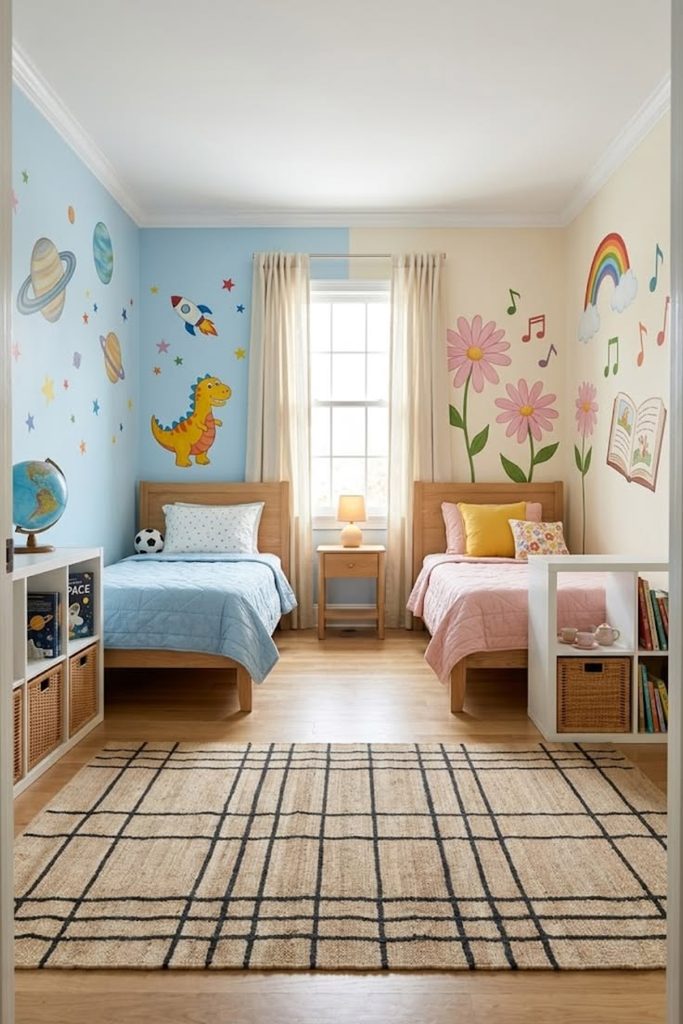
A simple solution is to create a shared foundation and allow individual touches. Start with neutral walls, coordinated curtains, or a common color palette. Then, let each child choose their own bedding, favorite cushion, artwork, or decorative accessories.
For example, one side could feature dinosaur bedding, while the other displays stars, flowers, or geometric patterns. The room will still look connected if the colors complement each other.
You can also change inexpensive accessories as your children grow. Swap out wall prints, pillowcases, and decorative baskets instead of repainting the entire room whenever their interests change.
If your children enjoy bright colors, explore 23 Colorful Kids Room Ideas That Spark Creativity and Joy for inspiration. You can borrow playful accents without making the bedroom feel overwhelming.
Most importantly, involve both children in the process. Even young children can choose between two suitable options. Giving them a voice helps them feel valued and makes it easier to establish shared rules about the space.
7. Establish Clear Rules for Shared Belongings
Sharing a bedroom does not mean children must share every possession. In fact, expecting them to share everything can create unnecessary tension, particularly when one child is much older than the other.
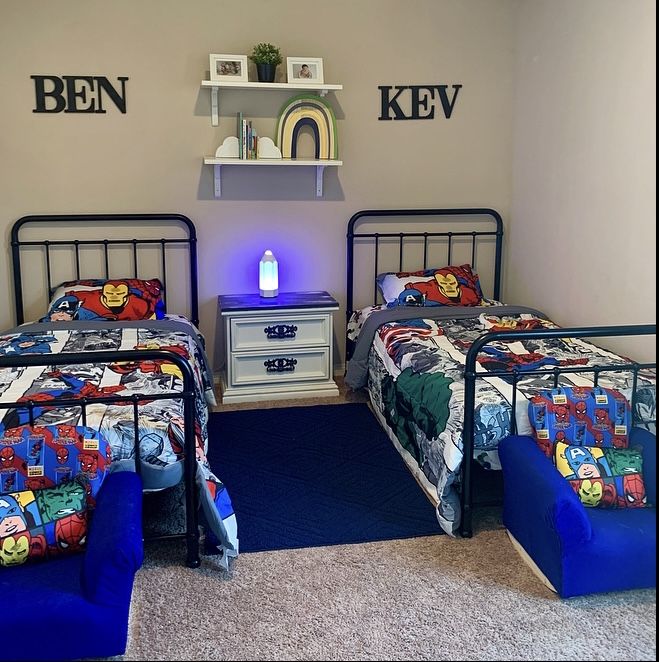
Start by separating belongings into three groups: items that belong to each child individually, items they agree to share, and items that require an adult’s permission. This approach gives everyone a clearer understanding of what they can use.
For example, shared picture books might stay on a common shelf, while the older child’s journal remains private. The younger child can enjoy a designated toy basket without taking items from their sibling’s bedside table.
Keep the rules short and age-appropriate. You might establish simple expectations such as asking before borrowing, returning items after use, and respecting closed storage boxes.
When disagreements happen, avoid automatically blaming the older child simply because they are more mature. The older sibling deserves boundaries, and the younger child deserves patient guidance.
If you are trying to encourage cooperation at home, How to Encourage Good Behavior Without Constantly Yelling or Punishing offers useful ideas for setting expectations without turning every disagreement into a confrontation.
8. Make Different Bedtime Routines Work
Different sleep schedules can make sharing a bedroom especially challenging. A toddler may need to sleep while their older sibling still has homework, reading, or other evening activities to finish.
Whenever possible, establish a consistent bedtime routine for each child. The younger child might bathe, read a short story, and settle into bed earlier. The older sibling can complete quiet activities elsewhere until the younger child falls asleep.
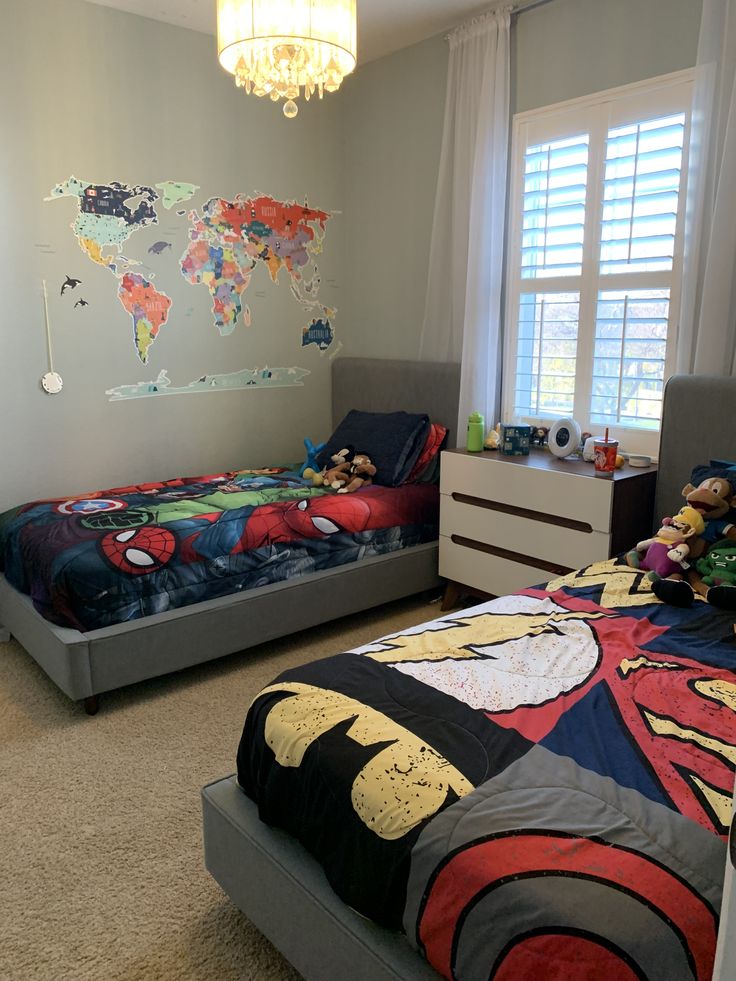
If your home does not have another suitable space, encourage quiet activities such as reading, drawing, or preparing school supplies. Use a small reading lamp instead of bright overhead lighting, and keep screens away from the sleeping area when they interfere with rest.
White noise may help some families manage ordinary household sounds, but keep the volume low and follow safe sleep guidance for infants. Never place sound machines or electrical cords within a baby’s sleeping space.
A predictable routine also helps children understand what happens next. Visual charts can be especially useful for younger children who need reminders about brushing their teeth, putting away toys, and getting ready for bed.
For more help establishing a routine, explore How to Build a Daily Routine That Helps Babies and Toddlers Thrive. You can adapt the ideas to your family’s schedule and your children’s different sleep needs.
9. Protect the Older Child’s Need for Privacy
As children grow, their need for privacy and independence often increases. An older child may want somewhere to keep personal belongings, change clothes comfortably, or enjoy a quiet moment without a younger sibling following them around.
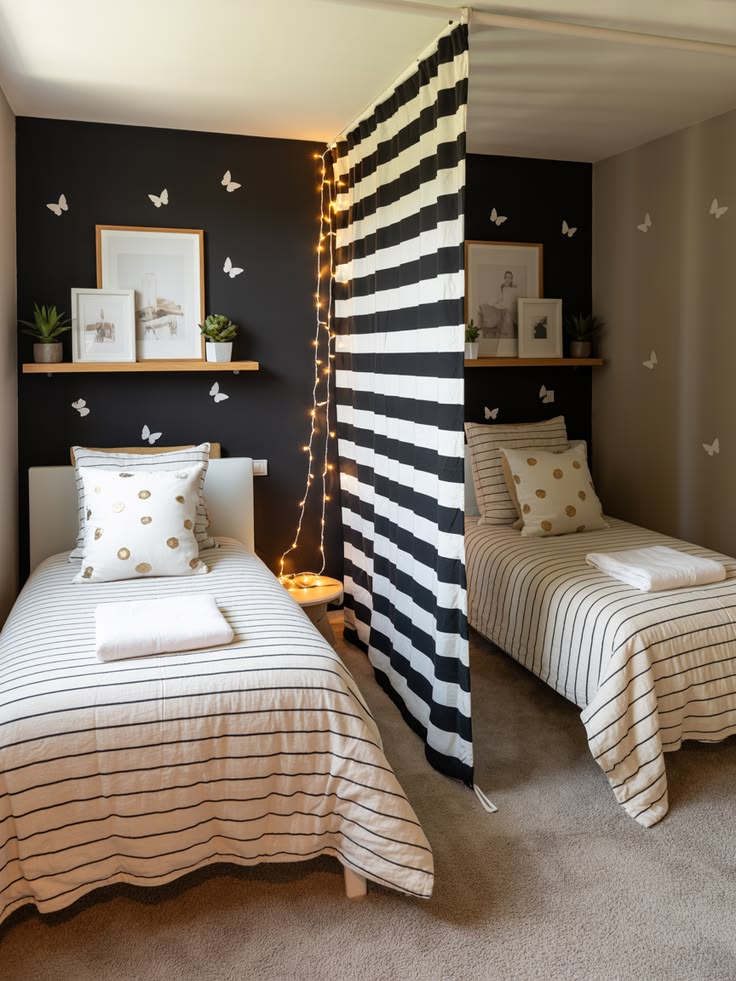
Although a shared bedroom cannot provide the same privacy as separate rooms, you can still introduce thoughtful boundaries. A curtain around a suitable changing area, a folding screen positioned safely, or an agreed-upon private storage drawer may help.
You should also teach the younger child to knock before entering an agreed private area or touching certain belongings. Explain these expectations calmly and repeat them consistently.
Whenever possible, create opportunities for each child to spend time alone outside the bedroom. A quiet reading corner in another room, a supervised creative activity, or a little individual time with a parent can help meet their needs.
Remember that privacy expectations should change as your children mature. Review the arrangement periodically rather than assuming that what worked last year will remain suitable.
10. Make Cleaning Easy for Both Children
A bedroom shared by children of different ages can become cluttered quickly. Toys, clothes, school bags, books, and craft supplies may compete for the same limited space.
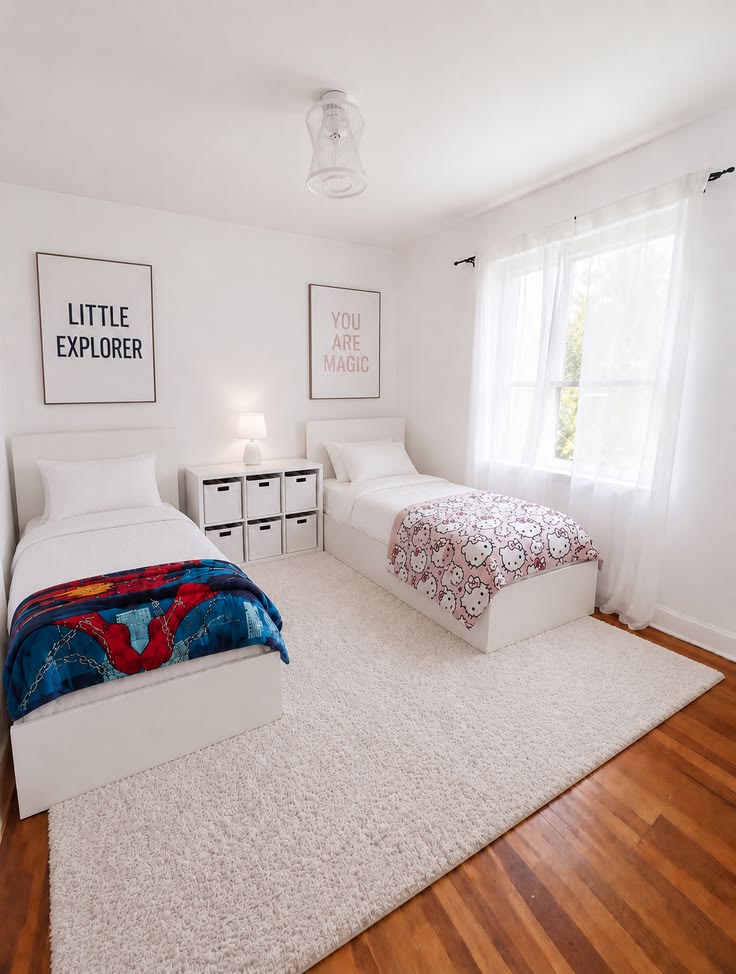
The best approach is to create a cleaning system that matches each child’s abilities. A toddler can put large toys into a basket with your help, while an older child can fold clothes, arrange books, and organize school materials.
Try a short evening reset instead of waiting until the bedroom becomes overwhelming. Set aside five or ten minutes to return toys, clothes, and books to their proper places.
Use open baskets for frequently used toys and accessible drawers for everyday clothing. Store items that children rarely use on higher shelves, ensuring heavy objects cannot fall and furniture remains securely anchored.
Keep the floor as clear as possible, especially around beds and walking routes. This makes the room easier to clean and reduces the risk of tripping over toys at night.
For additional help, check out 35 Home Organization Ideas Busy Moms Will Wish They Tried Sooner. Simple organizing habits can make a shared bedroom easier to maintain, even when family life feels busy.
11. Make Room for Play Without Sacrificing Sleep
Younger children need opportunities to play, explore, and use their imagination. Yet a shared bedroom should also remain comfortable for sleeping and suitable for an older child’s quieter activities.
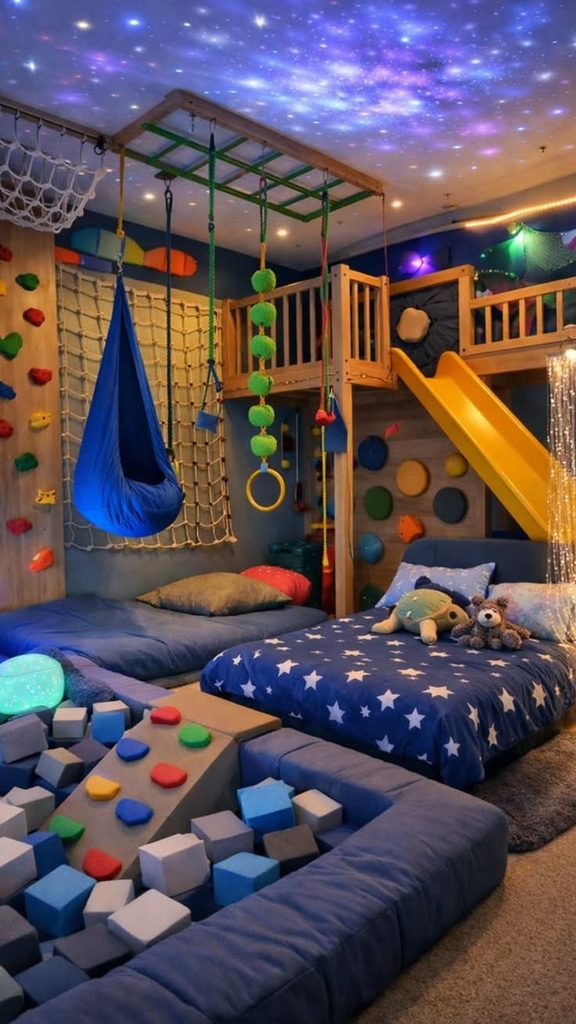
Choose toys that fit the available space instead of trying to store every toy in the bedroom. A small selection of building blocks, dolls, puzzles, and pretend-play items can provide plenty of entertainment when you rotate them regularly.
You can keep extra toys in another storage area and switch them occasionally. This reduces clutter and helps familiar toys feel exciting again.
If the bedroom has limited floor space, choose foldable play mats, stackable bins, or furniture with built-in storage. After playtime, encourage your child to return everything to its designated place.
You can also plan activities outside the bedroom when the older sibling needs quiet time. Try these 50 Easy Kids Activities at Home That Keep Little Ones Busy for simple ways to entertain younger children without disrupting their sibling’s routine.
12. Use Shared Bedroom Ideas That Fit Your Budget
Creating a comfortable shared bedroom for kids does not require replacing every piece of furniture. Before spending money, look at what you already own and identify the changes that would make the biggest difference.
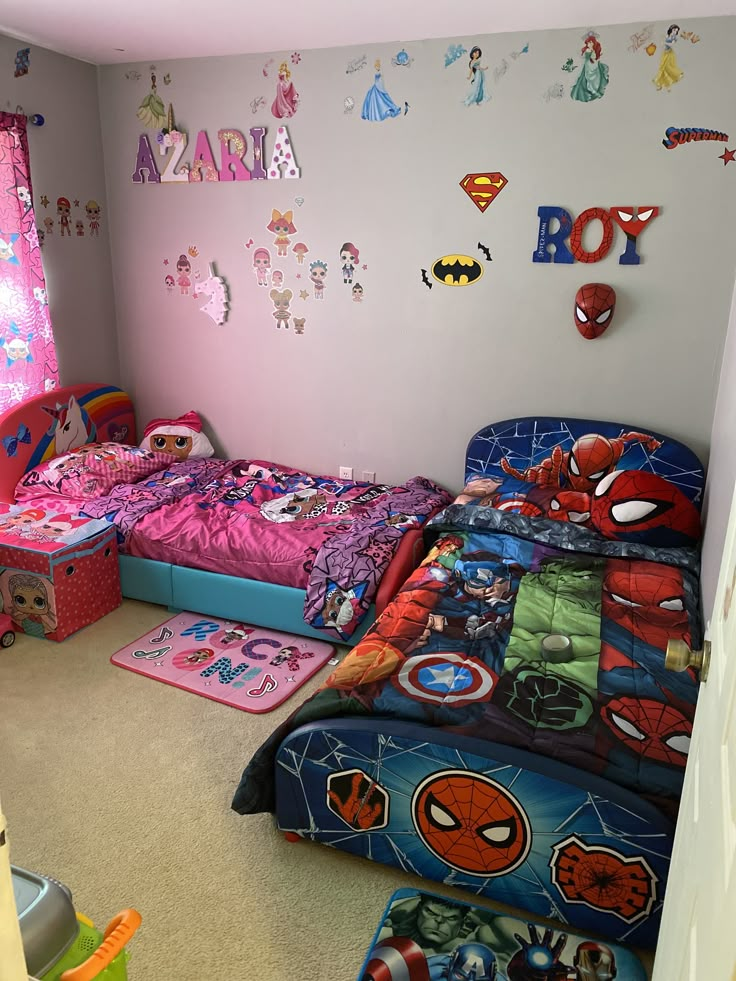
Perhaps rearranging the beds will open up the floor. Maybe a few storage baskets will solve the problem of scattered toys. You might only need fresh bedding and inexpensive wall decorations to help both children feel that the room belongs to them.
Prioritize purchases that solve real problems. If storage is the main issue, invest in practical organizers before buying decorative accessories. If bedtime is difficult, focus on lighting and sleeping arrangements first.
Consider secondhand furniture when it is in good condition and meets current safety standards. Check every item carefully for stability, damage, loose parts, and hazards before using it in a child’s room.
You can also involve your children in affordable decorating projects. They might create artwork, decorate storage boxes, or choose colors for their individual spaces.
For more inspiration, explore Kids Room Ideas That Make Every Space Feel Magical. You can borrow creative decorating ideas and adapt them to your family’s needs without overspending.
13. Help Your Children Build a Better Sibling Relationship
A shared bedroom can teach children cooperation, patience, and respect. At the same time, sharing such a personal space can create tension when children have different interests or maturity levels.
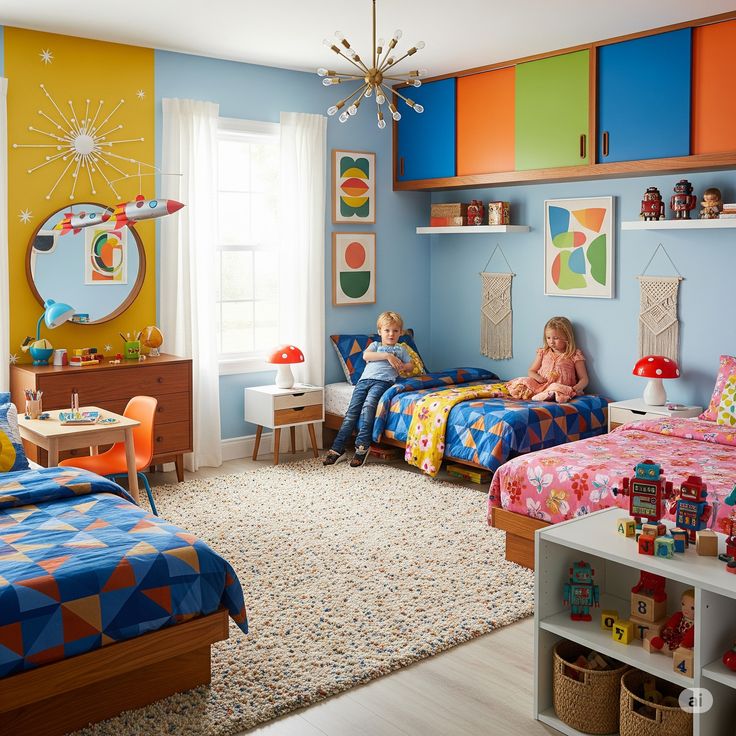
Avoid expecting your children to become best friends simply because they share a room. They may enjoy different activities, need different amounts of quiet time, or prefer playing independently.
Instead, encourage small moments of cooperation. They might choose a bedtime story together, tidy a shared bookshelf, or help decorate a common wall.
You can also establish a weekly family activity that allows them to enjoy each other’s company without making the bedroom the center of every interaction. Baking, simple crafts, or a family game night can create positive memories.
Try 31 Family Fun Night Ideas for Staying Home Together for activities that encourage connection without requiring expensive outings.
When arguments happen, listen to both children and help them identify a fair solution. The goal is not to eliminate every disagreement. It is to teach them how to express their needs and respect each other’s boundaries.
14. Review the Room as Your Children Grow
A shared bedroom arrangement should not remain unchanged forever. As children grow, their interests, physical needs, school responsibilities, and expectations around privacy will change.
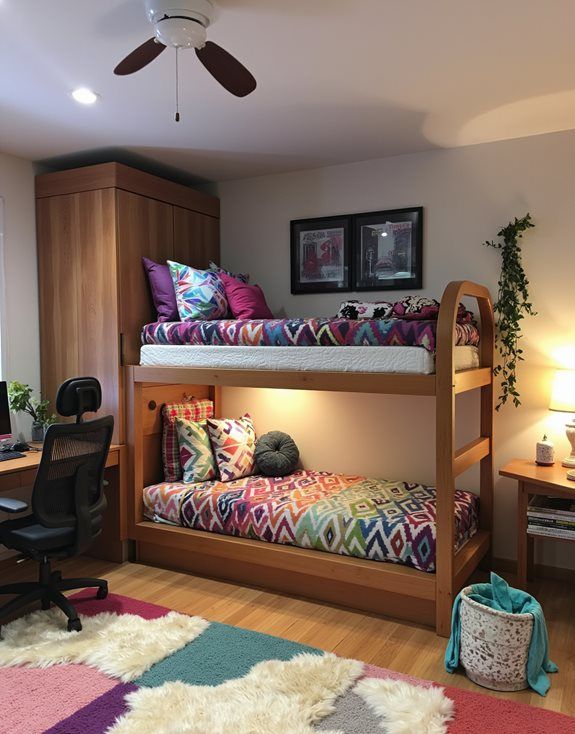
A setup that works beautifully for a toddler and a seven-year-old may need adjustments when those children become five and eleven. The older child might need a larger study area, while the younger child may outgrow their original bed.
Review the room every few months and ask both children what works and what causes frustration. You can discuss whether they need different storage, a new furniture arrangement, or clearer rules about quiet time.
Watch for signs that sharing has become difficult. Frequent sleep disruption, ongoing conflicts, or increasing concerns about privacy may mean the arrangement needs significant changes.
If possible, consider whether the children could eventually benefit from separate rooms. Not every family has that option, and a shared bedroom can still work well with thoughtful adjustments. The important thing is to remain flexible and respond to their changing needs.
Final Thoughts
Creating a shared bedroom for kids with different ages takes patience, creativity, and a willingness to adjust your plans as your children grow. The key is to balance their individual needs while making the most of your available space.
Start with separate sleeping areas, personal storage, clear boundaries, and a few practical zones for play and quiet activities. Then, build routines that help both children understand how to share the room respectfully.
Remember that you do not need to create a picture-perfect bedroom overnight. Small changes can make a meaningful difference in how your children sleep, play, and interact with each other.
Most importantly, give both children a voice in the process. When they feel heard and respected, they are more likely to take care of their belongings, follow shared rules, and feel comfortable in their bedroom.
A successful shared bedroom for kids is not simply a room with two beds. It is a space where both children can grow, feel secure, and enjoy being themselves, even when their needs are different.

